
6 Kitchen Superstitions Home Cooks Still Swear By
The kitchen is the heart of the home, but it is also a place where ancient folklore continues to simmer. While 2026 brings us high-tech appliances and “clean-label” transparency, many home cooks still find themselves instinctively tossing a pinch of salt or flipping a loaf of bread to avoid “bad luck.”
These rituals aren’t just about being superstitious; they are a way for us to connect with cultural traditions and ancestral wisdom. Whether rooted in the high cost of ancient commodities or the fear of a “jinx,” these six superstitions continue to be staples in modern culinary life.
The Salt-Toss Defense
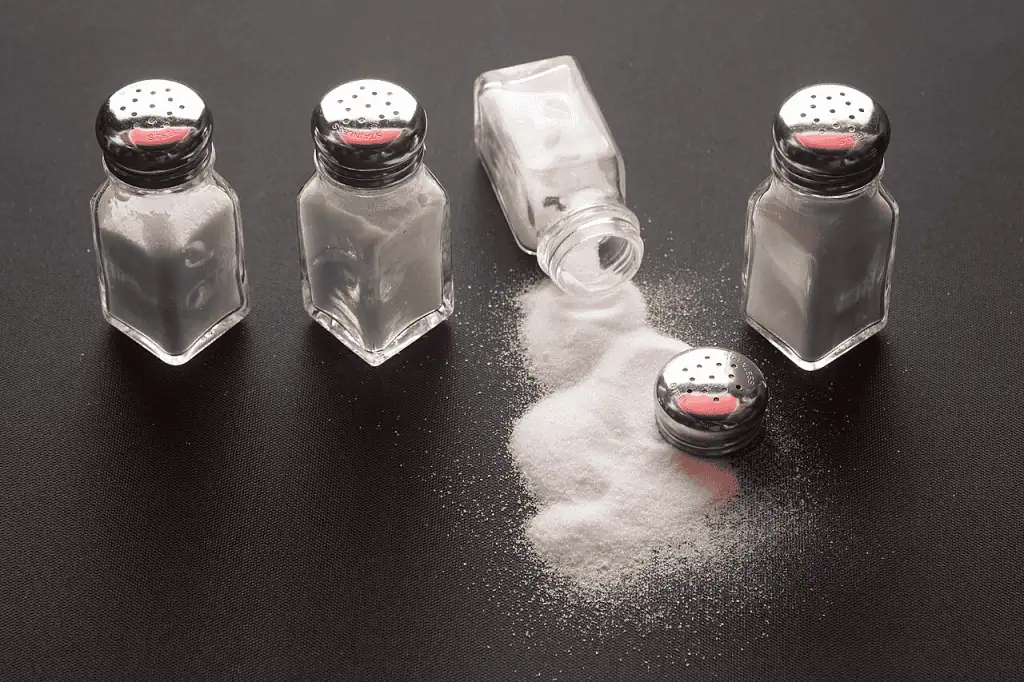
Perhaps the most famous rule in the kitchen is that spilling salt is a harbinger of bad luck. This belief dates back to a time when salt was a precious currency, and its waste was considered a literal and spiritual loss. In 2026, the traditional remedy remains: if you spill it, you must immediately throw a pinch over your left shoulder with your right hand.
Folklore suggests that the devil lurks over the left side, and this act is meant to “blind” him before he can capitalize on your misfortune. It is a quick, reflexive ritual that many cooks perform without even thinking.
The Visitation of Silverware
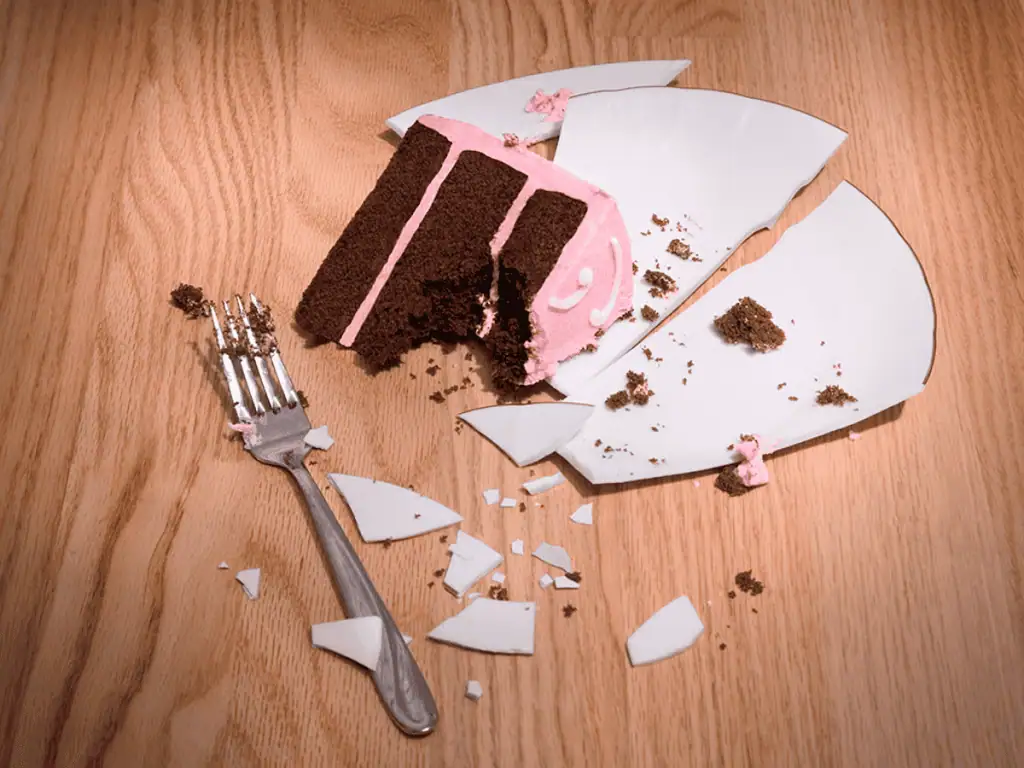
Dropping a utensil on the floor is rarely just an accident; in many households, it is a telegram from the future. The specific type of silverware that falls is said to predict the gender of an upcoming visitor. Dropping a fork usually means a man will visit, while a spoon signals a woman is on the way.
If you drop a knife, folklore suggests a man is coming, but some traditions warn it could also signal a coming argument. In 2026, many still find it uncanny when a dropped teaspoon is followed by a knock from a neighbor.
Respecting the Upside-Down Loaf
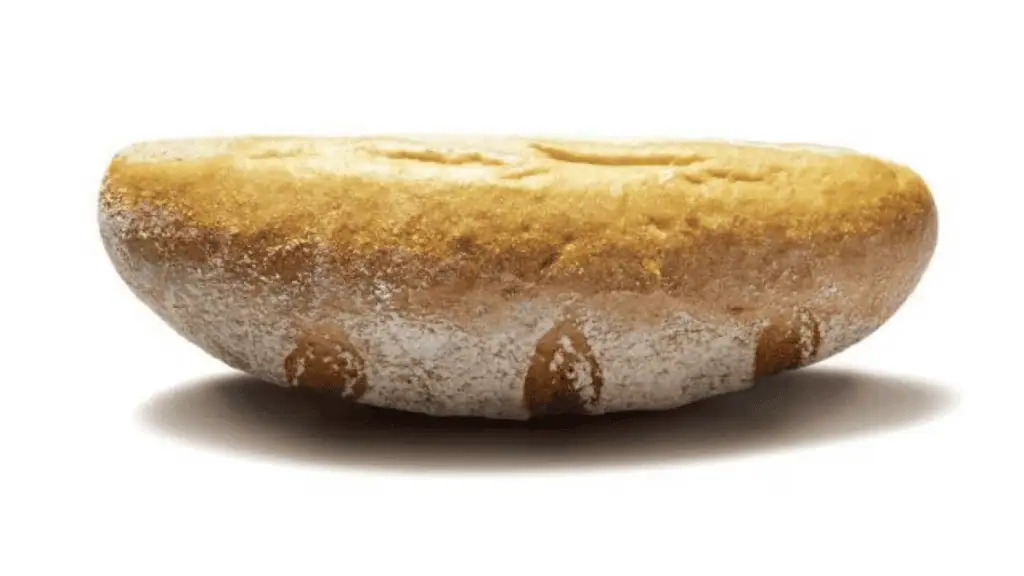
In European and Latin American cultures, placing a loaf of bread upside down on the table is considered an omen of poverty or even death. This stems from a time when bread was the most sacred form of sustenance, and turning it over was seen as an act of profound disrespect.
One historical origin points to medieval France, where bakers would turn loaves upside down to mark them for the town executioner. Even today, you will see guests instinctively flip a baguette or sourdough right-side up to ensure the “blessings” of the house remain intact.
The “Cutting Ties” Knife Gift
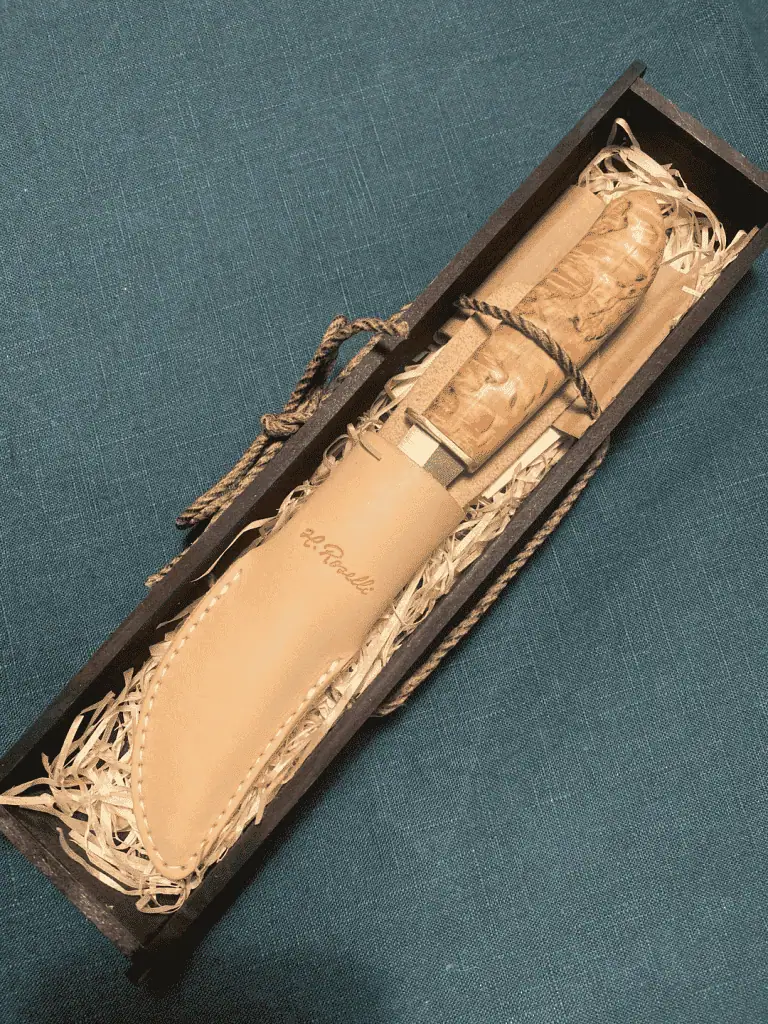
Giving a knife as a gift, whether for a wedding or a housewarming, is a major “no-no” in many cultures unless a specific ritual is followed. It is believed that a sharp blade will “cut” the friendship or relationship between the giver and the recipient.
To bypass this jinx in 2026, the recipient will often give the giver a small coin (like a penny) in return. This symbolic transaction “buys” the knife, turning it into a purchase rather than a gift and preserving the bond. It is a thoughtful way to give high-quality cutlery without the baggage of bad luck.
Long Noodles for Longevity
Grace Young
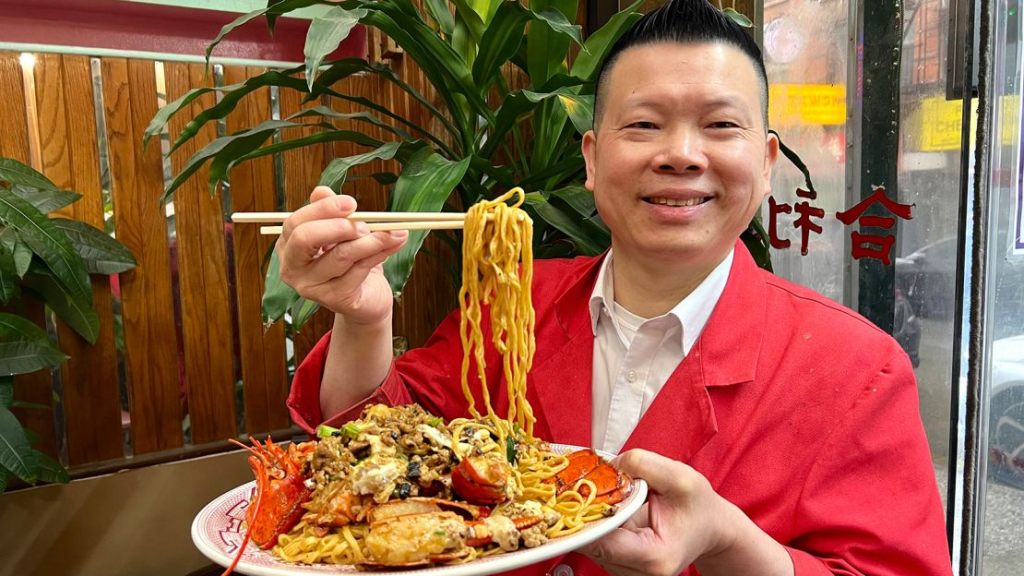
During birthdays or Lunar New Year celebrations, the length of your noodles is directly tied to the length of your life. In Chinese and other Asian cultures, “longevity noodles” must be served uncut and eaten in one continuous strand if possible.
Cutting the noodle is symbolically “cutting your life short,” a thought that makes even the most modern cooks pause before reaching for the kitchen shears. This superstition encourages a slower, more intentional way of eating that honors the gift of time and health. It’s a beautiful intersection of culinary technique and personal well-being.
The Omen of the Bread Bubble

If you slice into a fresh loaf of bread and find a large, gaping air bubble (a “hole”), some old-school bakers believe it is a sign that someone you know will soon depart. While modern sourdough enthusiasts celebrate these “open crumbs” as a mark of high hydration and perfect proofing, the folklore persists in more traditional circles.
The bubble was once thought to represent a coffin, marking a transition or a loss in the community. Today, it serves as a reminder of how deeply our ancestors linked the daily staple of bread to the mysteries of life and death.
