
5 Steak Mistakes That Could Be Ruining Your Expensive Cut
Cooking a perfect steak is as much about knowing what to avoid as it is about mastering techniques. Even in steakhouses, small mistakes can undermine the quality of an expensive cut. By understanding common pitfalls and making informed choices, you can elevate your steak experience to match its potential. Here, we explore five key missteps that could be detracting from the flavors and textures that make a great steak unforgettable.
Ordering the Wrong Temperature
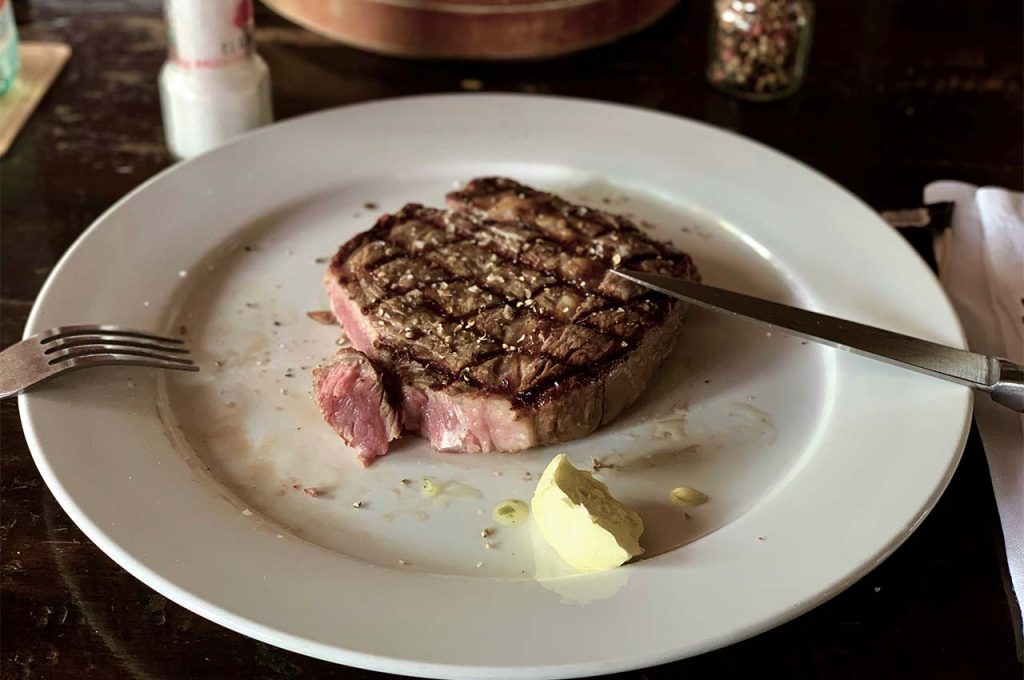
Choosing the right doneness is crucial to enjoying the full character of your steak. Medium-rare is often recommended for its juicy texture and enhanced flavors, but personal preference plays a role. Be mindful that overcooking can lead to dryness, while undercooking may not fully develop the steak’s flavors. In professional kitchens, using a meat thermometer ensures precision, aiming for an internal temperature of about 130°F for medium-rare. This approach helps the steak remain tender and flavorful.
Skipping the Rest After Cooking

Resting your steak after cooking allows the juices to redistribute, ensuring a moist and flavorful experience. Cutting into a steak immediately post-cooking lets those juices escape, resulting in dryness. Ideally, let the steak rest for at least five minutes; thicker cuts may benefit from up to 10. Cover lightly with foil to maintain warmth without steaming. This patience pays off with a succulent texture that highlights the steak’s richness.
Pairing With Mild Sides

A robust steak calls for sides that complement and elevate its bold flavors. Avoid overly gentle accompaniments that can render the dish unbalanced. Consider sides like garlic mashed potatoes, sautéed mushrooms, or a sharp arugula salad to introduce contrasting textures and flavors. These choices enhance the steak’s taste profile, creating a harmonious and complex meal that celebrates the main attraction.
Choosing the Cheapest Wine
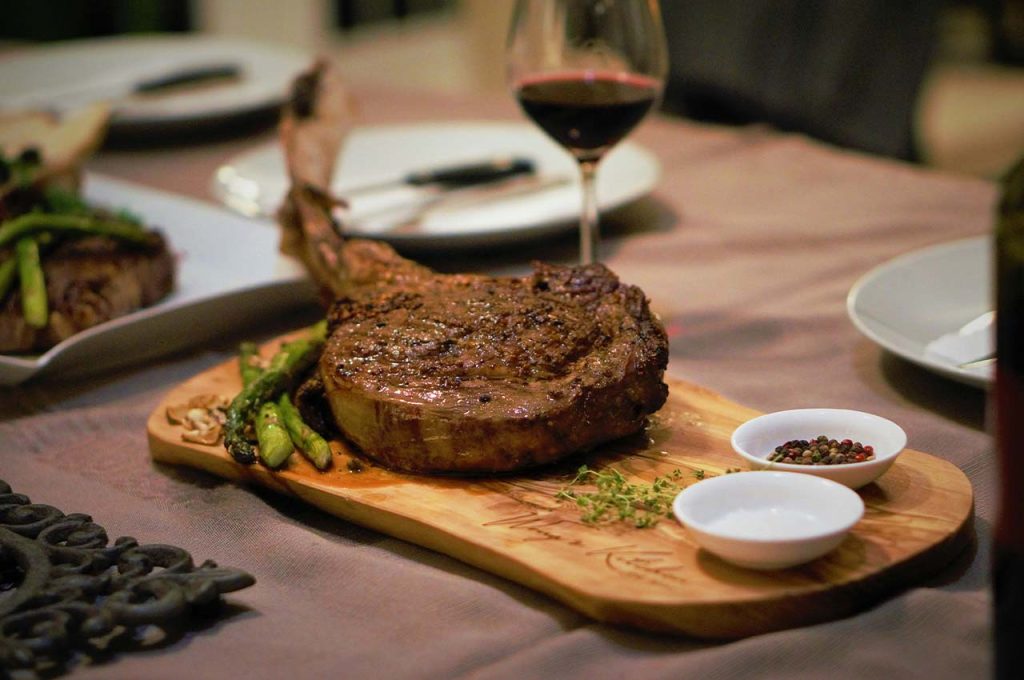
The wine you choose should enhance the steak’s natural flavors, not overshadow them. Opt for a well-structured red with ample body, such as a Cabernet Sauvignon or Malbec, which holds up well to the steak’s robust taste. Avoid simply picking the least expensive option, as it may lack the depth needed to complement the richness of the meat. A thoughtfully chosen wine enriches the overall dining experience, making your steak dinner more memorable.
Forgetting Butcher-Cut Origins

Understanding the origins of your chosen steak cut is crucial to mastering its preparation. Each cut has distinct characteristics, such as marbling, tenderness, and flavor profile, shaped by its location on the animal. For instance, a ribeye benefits from its rich marbling, lending itself well to high-heat searing for optimal crust and juiciness. In contrast, a filet mignon, prized for its tenderness, requires a gentler touch with less cooking time to preserve its delicate nature. Recognizing these nuances enables you to tailor cooking methods that enhance the natural qualities of each cut, ensuring the finest results.
