
5 Reasons More Americans Are Quietly Giving Up Plant Based Meat
By March 2026, the once-booming market for ultra-processed meat alternatives is facing a significant cooling period. While the initial wave of “bleeding” burgers captured the world’s imagination, many Americans are now quietly removing these items from their shopping carts. This isn’t necessarily a return to heavy carnivory, but rather a “recalibration” of what consumers consider healthy.
The industry is transitioning from a hype-driven growth phase into a more disciplined, mature era. Today’s shoppers are increasingly skeptical of long ingredient lists and high price premiums for products that were meant to be accessible. As we navigate 2026, the “meat-mimicry” trend is being replaced by a desire for transparency and culinary authenticity.
The Ultra-Processed “Clean Label” Backlash
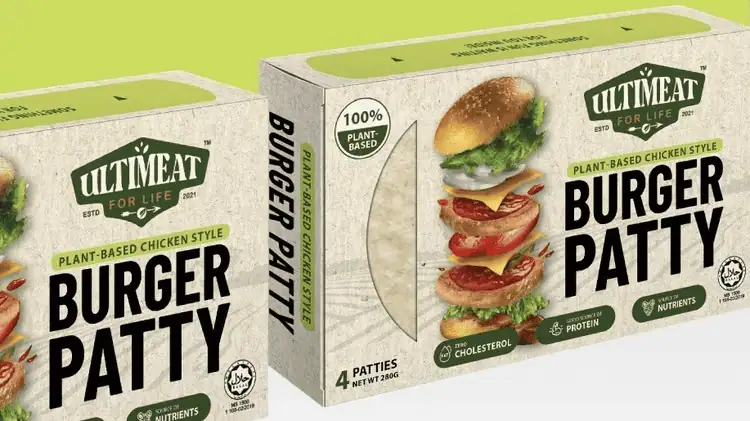
One of the primary reasons for the 2026 decline is a massive shift toward “Clean Label” transparency. Consumers are increasingly wary of ultra-processed foods (UPFs) that use complex chemical binders to replicate the texture of animal protein. A recent 2026 survey revealed that 44% of U.S. consumers are now actively prioritizing “minimally processed” foods over synthetic meat analogues.
Shoppers are reading the fine print and walking away when they see unrecognizable additives or GMO-derived ingredients. In 2026, the focus has moved to whole-food alternatives like mycelium, lentils, and chickpeas which offer protein without the “industrial” feel. This backlash has forced many brands to reformulate their products to keep consumer trust.
Persistent Price Premiums and Inflation

Despite years of promises that plant-based meat would reach “price parity” with beef, the gap remains a major hurdle in 2026. On average, plant-based alternatives still carry a significant price premium compared to conventional meat products. Inflationary patterns in 2025 and 2026 have made this even worse for the average household.
For a family on a tight budget, paying $8.00 for two patties when a pound of ground beef is $6.69 is becoming an impossible sell. Macroeconomic pressures have made consumers more “price-sensitive” than “ideology-driven” lately. When forced to choose between a premium substitute and a cheaper protein, the wallet is winning the battle. Retailers are responding by shrinking the shelf space dedicated to these items.
The Rise of “Hybrid” Meat-Plant Blends
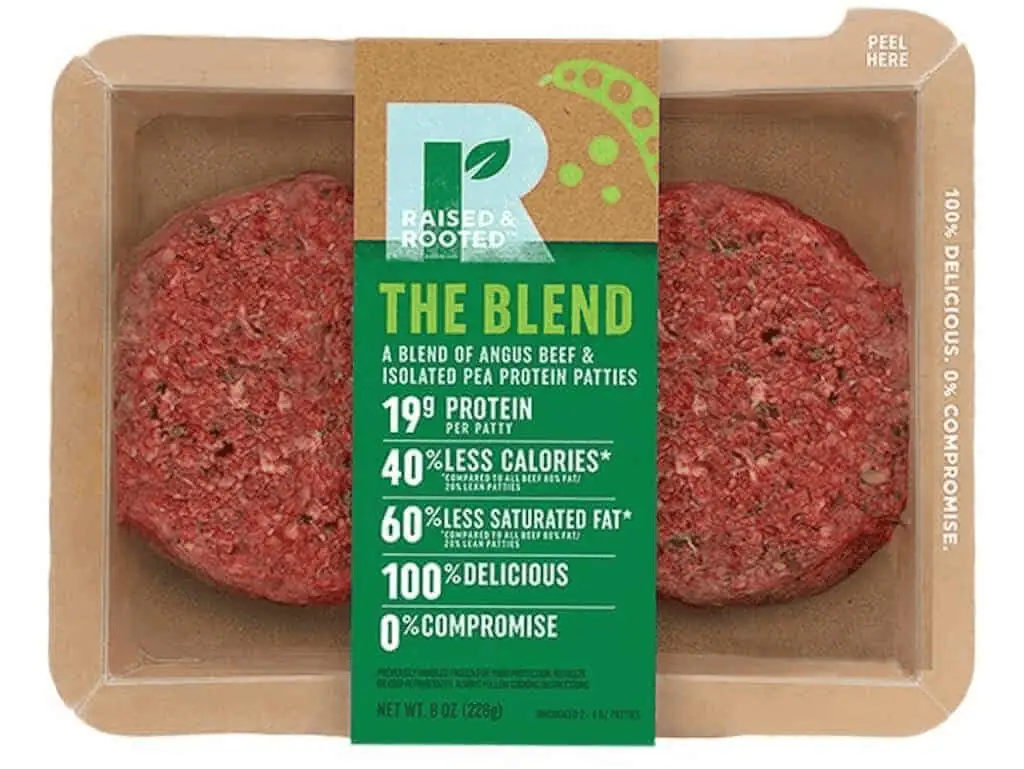
In 2026, a new category has emerged that is stealing market share from 100% plant-based brands: Hybrid Proteins. These products blend real meat with high-moisture mushrooms, soy, or cauliflower to create a balanced meal. They offer the texture and flavor consumers crave while reducing the environmental footprint and calorie count.
This “Best of Both Worlds” approach appeals directly to the massive Flexitarian demographic, which now makes up over 30% of the population. These shoppers aren’t looking to give up meat entirely; they want to eat less of it without making a culinary sacrifice. Hybrid formats are proving to be more “habitual” than “novel,” leading to repeat purchases that pure plant-based products struggle to maintain.
Unmet Taste and Texture Expectations
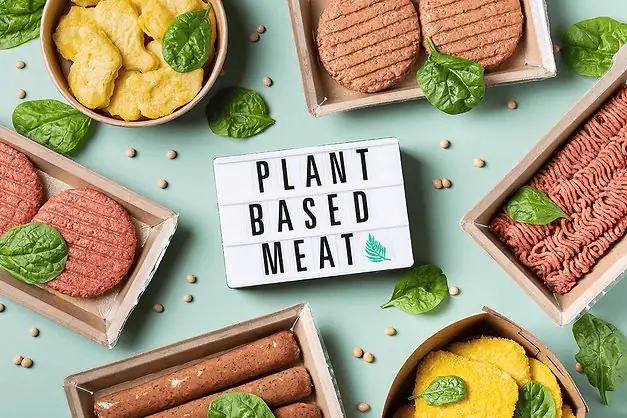
Despite massive technological advancements, “Flavor Fatigue” is a real phenomenon in 2026. Approximately 22.7% of consumers still cite a “lack of flavor” as the number one reason they avoid plant-based meat options. Replicating the “snap” of a sausage or the “flake” of a fish fillet remains a massive engineering challenge for most brands.
Furthermore, many people find that the “heavy” mouthfeel of plant-based fats doesn’t leave them feeling as satisfied as traditional proteins. This “sensory gap” has led many early adopters to return to simple, naturally vegetarian meals like bean tacos or grain bowls. In 2026, the novelty of a “burger that bleeds” has worn off, and consumers are demanding a product that actually tastes good in its own right.
Digestive Health and Sodium Concerns

The fifth reason involves a growing awareness of the nutritional profile of meat substitutes. In 2026, health-conscious diners are noting that many plant-based meats are surprisingly high in sodium to compensate for flavor. Many consumers have reported that these highly engineered proteins are more difficult to digest than whole vegetables or lean meats.
With the rise of personalized nutrition apps, users are seeing the direct impact of high-sodium, processed alternatives on their daily health metrics. This has led to a “quiet exit” as people realize that “plant-based” does not always mean “healthy.” Shoppers are now opting for simpler proteins like eggs, tofu, or fermented tempeh. This focus on gut health is a major driver of the 2026 shift toward more natural, less-processed diets.
