
5 Popular Fine Dining Restaurants in America That Are Losing Their Appeal
The fine dining landscape of 2026 is undergoing a brutal correction. As menu prices hit a historic ceiling, the “experience economy” that once carried mediocre food is finally collapsing under the weight of informed consumer pushback. In 2026, a “fine dining” label is no longer a shield against criticism;
Instead, it has become a target for diners who demand absolute value for their $200-plus checks. From social media-fueled tourist traps to legendary institutions that have “lost their spark,” these five restaurants are currently facing a wave of “never again” vows from frustrated foodies.
Nusr-Et Steakhouse (Salt Bae)

The viral fame of Nusret Gökçe, better known as Salt Bae, has officially soured in 2026. Once the ultimate status symbol for an Instagram story, Nusr-Et is now frequently cited as the poster child for “all hype, no substance.”
Diners are increasingly vocal about $1,000 gold-encrusted steaks that many claim are technically inferior to a local butcher’s cut. Following the closure of the New York branch and abysmal reviews of the London outpost, the consensus has shifted: the price tag isn’t for the food, but for a five-second video that has long since lost its “cool” factor.
Peter Luger Steak House

Once the untouchable titan of New York City dining, Peter Luger’s reputation is “limping” through 2026. Since losing its Michelin star in 2022, the legendary Brooklyn establishment has struggled to justify its “no-nonsense” service style, which many modern diners now find simply rude.
While some purists still defend the dry-aged porterhouse, the 2026 consumer is less willing to tolerate cash-only policies and “cafeteria-style” noise levels when paying premium prices. Critics now frequently point to newer competitors that offer better hospitality and more consistent cooking.
The French Laundry

Even the most prestigious names aren’t immune to 2026’s changing tides. While Thomas Keller’s flagship remains a bucket-list destination, it has recently been hit by a class-action labor lawsuit alleging wage and break violations. This legal battle, combined with Keller’s public opposition to affordable housing in Yountville, has created a “disconnect” for diners who value ethical kitchen culture.
While the food is still considered world-class, the 2026 “conscious consumer” is increasingly hesitant to support institutions perceived as fighting against the very staff that makes their luxury experience possible.
Carbone
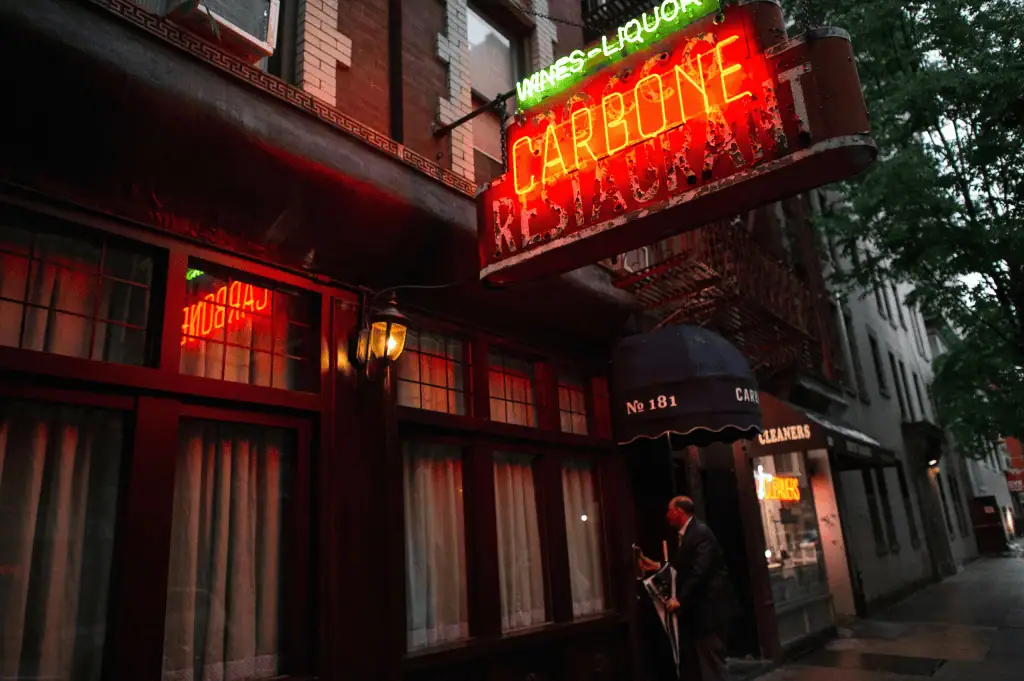
Carbone remains one of the hardest reservations to get in New York, but many 2026 diners are asking why. Since losing its Michelin star, the “red sauce” institution has faced growing accusations of being an overpriced influencer trap. Critics argue that the famous spicy rigatoni while delicious no longer justifies the extreme difficulty of booking or the rushed, “club-like” service.
In a year where authenticity is the primary driver of dining trends, Carbone’s carefully manufactured mid-century aesthetic is starting to feel more like a theme park than a high-end culinary experience.
Nobu
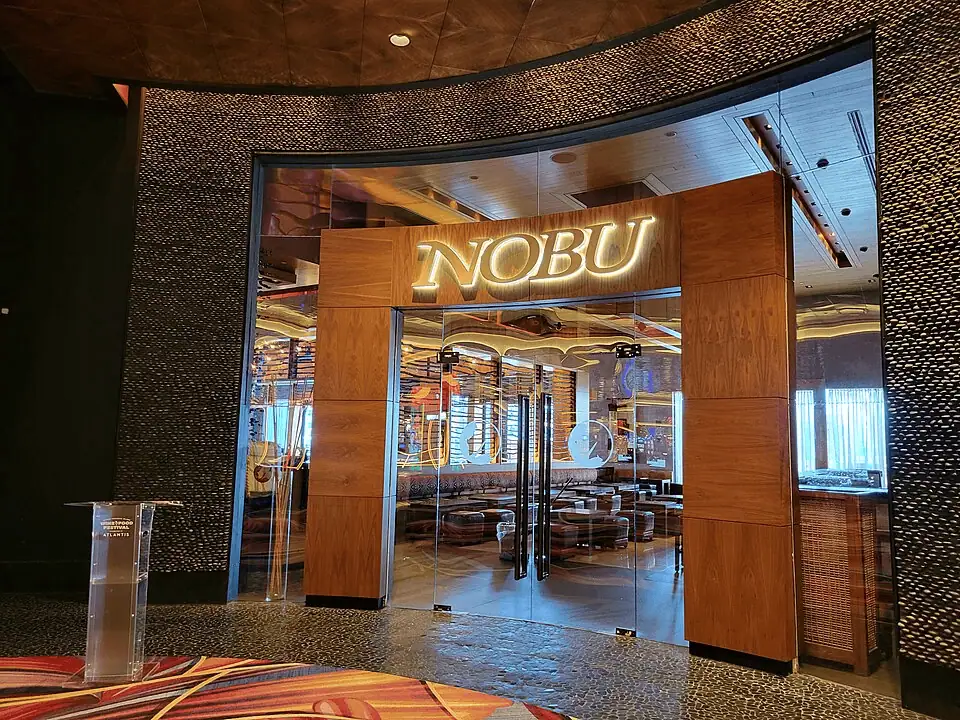
Nobu was the original celebrity magnet of the 90s, but in 2026, it is often criticized for becoming a “corporate factory.” With dozens of locations worldwide, the brand has struggled to maintain the “sparkle” that made its black cod miso legendary.
Many diners now report that the experience feels formulaic and overpriced, with service that can feel indifferent unless you are a high-profile guest. As boutique omakase spots offering intimate, personalized experiences dominate the 2026 market, the sprawling, loud atmosphere of a standard Nobu is rapidly losing its appeal to serious sushi aficionados.
