
15 Veggie Picks With More Protein Than an Egg
When looking for protein-rich options beyond eggs, several plant-based choices offer substantial nutrition. These ingredients not only provide protein but also deliver a range of textures and tastes, enhancing various culinary creations. Understanding their properties and cooking techniques can transform your meals into satisfying, protein-packed dishes. Below, explore 15 vegetables and plant-based picks that outshine eggs in protein content, starting with some versatile favorites.
Tofu: The Versatile Protein Block

Tofu, made from coagulated soy milk, offers a robust protein profile and incredible adaptability in dishes. With about 10 grams of protein per half-cup serving, it absorbs flavors beautifully, whether marinated or seasoned. Firm and extra-firm varieties are best for grilling, stir-frying, or baking, providing a satisfying texture that holds its shape. For a silky texture, try silken tofu in soups or smoothies. Pressing out excess water before cooking enhances its flavor absorption, making it a standout in any dish.
Paneer: Indian Cheese Powerhouse

Paneer, an unaged Indian cheese, delivers approximately 14 grams of protein per half-cup. Its crumbly texture retains moisture, making it perfect for grilling or sautéing. With its mild flavor, paneer pairs well with robust spices and sauces. To prevent sticking, use a non-stick pan or adequate oil when frying. Add paneer to curries or salads for a rich, creamy element that balances spicy or tangy flavors. Its high protein content makes it a valuable meat substitute in vegetarian dishes.
Greek Yogurt: Creamy Protein Boost

Greek yogurt stands out with about 17 grams of protein per cup, offering a thick, creamy texture perfect for both savory and sweet applications. Use it as a base for protein-rich smoothies, or include it in marinades and dressings for a tangy depth. When substituting for sour cream, it adds a healthy protein lift with less fat. For a refreshing snack, serve with fresh fruit and nuts. Strain regular yogurt at home to achieve a similar thickness and protein enhancement.
Soy Chunks: Meatless Protein Punch

Soy chunks, derived from defatted soy flour, offer a remarkable 24 grams of protein per cup when cooked. These dehydrated nuggets expand and absorb surrounding flavors when soaked in hot water or stock. Look for recipes like kebabs or curries to transform them into deliciously textured bites. Seasoning soy chunks post-soaking with robust spices ensures each bite is well-flavored. Their versatility allows them to mimic meat in many forms, providing a powerful protein source for vegetarian meals.
Quinoa: Ancient Grain, Modern Power

Quinoa, a versatile seed, boasts a complete protein profile, providing all essential amino acids. Rinse it thoroughly to remove saponins, then cook with a 2:1 water-to-quinoa ratio. Simmer until translucent and fluffy, enhancing salads or bowls. Its nutty flavor pairs well with roasted vegetables and lemon zest, offering up to 8 grams of protein per cup. This makes quinoa an excellent plant-based protein option, suitable for both savory and sweet dishes.
Edamame: Immature Soybean Magic
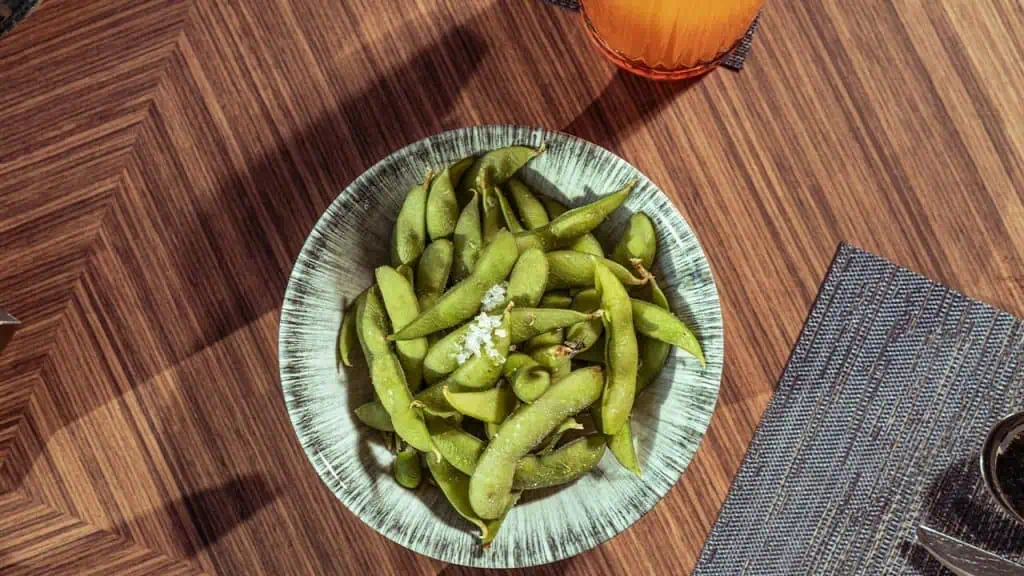
Edamame, the young form of soybeans, delivers an impressive 17 grams of protein per cup. To enjoy, steam or boil in salted water until bright green. These beans add a vibrant texture to salads, stir-fries, or dishes like hummus. Toss with sea salt or spice blends for added flavor. Their mild taste balances well with bold dressings and citrus, making them a staple snack or a nutrient-rich addition to meals.
Chana Dal: Lentil Protein Packed
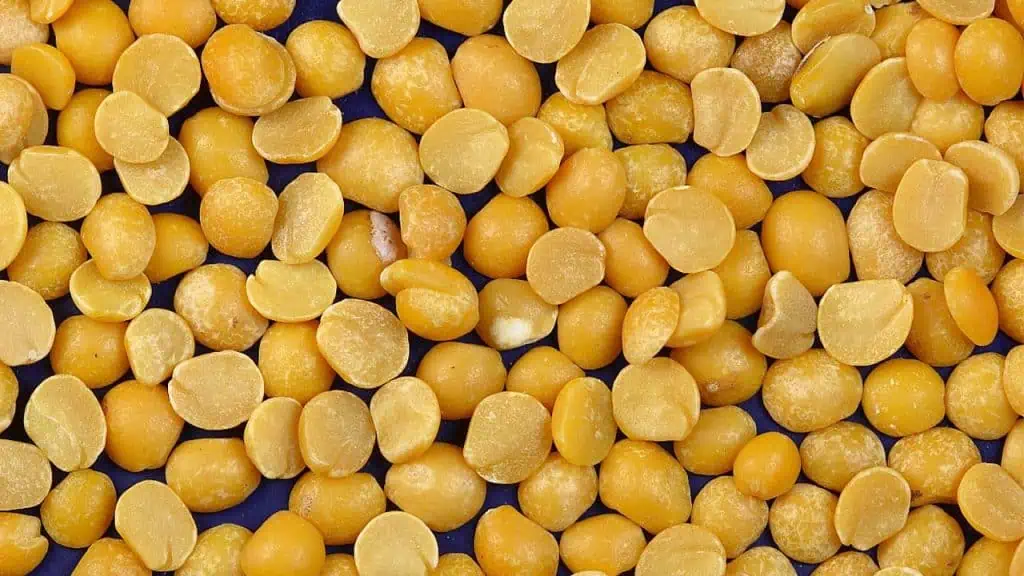
Chana dal, split chickpeas, provide robust flavor and around 13 grams of protein per cooked cup. Soak before cooking to reduce time, then simmer until tender yet firm. Perfect for curries or stews, their nutty flavor deepens with spices like cumin and coriander. Use them in soups for extra thickness, adding a hearty component to vegetarian dishes. Pair with rice or flatbreads to capture their authentic essence.
Black Beans: Dark Protein Richness

Black beans offer a rich, smooth texture with 15 grams of protein per cup. Soak overnight to reduce cooking time, then simmer with bay leaves until tender. These beans absorb flavors well, ideal for Southwest or Latin-inspired dishes. Consider using them in tacos, salads, or as a base in veggie burgers. Their earthy flavor complements cumin, garlic, and lime, enhancing both the taste and nutritional value of meals.
Kidney Beans: Protein-Packed Legume
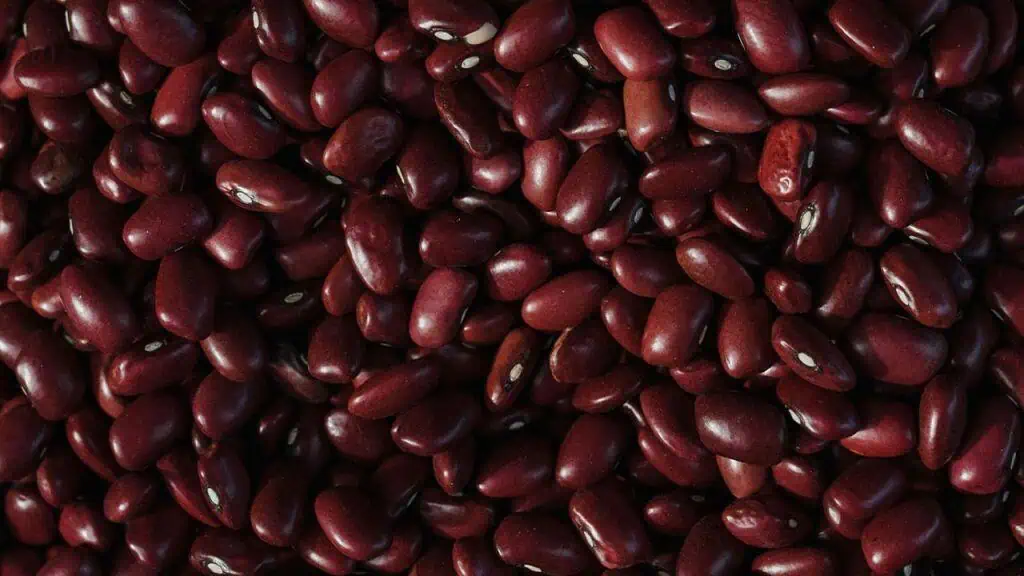
Kidney beans, known for their hearty texture, provide about 13 grams of protein per cup. Pre-soak them, then simmer gently to retain their shape. Their robust form suits chili, stews, or a mixed bean salad. Enrich with smoked paprika or chili powder for depth. Rich in both protein and dietary fiber, they serve as a nourishing ingredient, making plant-based meals satisfying and flavorful.
Peanuts: Protein in a Shell

Peanuts offer a robust protein punch essential for plant-based diets. Containing around 7 grams of protein per ounce, they surpass the typical egg. For best results, select raw or dry-roasted varieties, minimizing added oils or salt that could overshadow their natural flavors. Enhance salads, stir-fries, or even use them to create a creamy peanut sauce by blending them with lime juice, garlic, and a touch of soy sauce. Their versatility in both sweet and savory dishes makes them a kitchen staple for any protein-focused meal preparation.
Almonds: Crunchy Nutty Protein

Almonds, besides being rich in healthy fats, provide 6 grams of protein per ounce. Their crunchy texture and nutty flavor elevate dishes like oatmeal, yogurt parfaits, or baked goods. For a flavor boost, try lightly toasting them to bring out their natural oils and depth. When making almond butter, ensure a smooth texture by processing until the oils release, achieving a creamy consistency. Use them whole, slivered, or sliced to add nutritional value and a satisfying crunch to a variety of dishes.
Pistachios: Small but Mighty Protein

Pistachios pack about 6 grams of protein per serving, coupled with a vibrant green color that adds visual appeal. Their subtle sweetness and crunch make them ideal for both snacks and culinary experimentation. Consider incorporating them into pesto for a unique twist or sprinkling them over spiced roasted veggies. Shelled pistachios offer convenience, but shell-on varieties encourage mindful eating and portion control, essential for those counting protein intake and caloric balance in meals.
Flax Seeds: Tiny Protein Warriors

Flax seeds, although small, bring 5 grams of protein per ounce alongside a wealth of omega-3 fatty acids. Ground flax seeds are preferred for better nutrient absorption. Use them as an egg replacement in vegan baking by mixing with water, allowing them to bind ingredients effectively. Adding a tablespoon to smoothies or oatmeal not only boosts protein content but also offers a pleasant, nutty undertone. Store them in the refrigerator to maintain freshness and prevent rancidity.
Chia Seeds: Superfood Protein Bomb
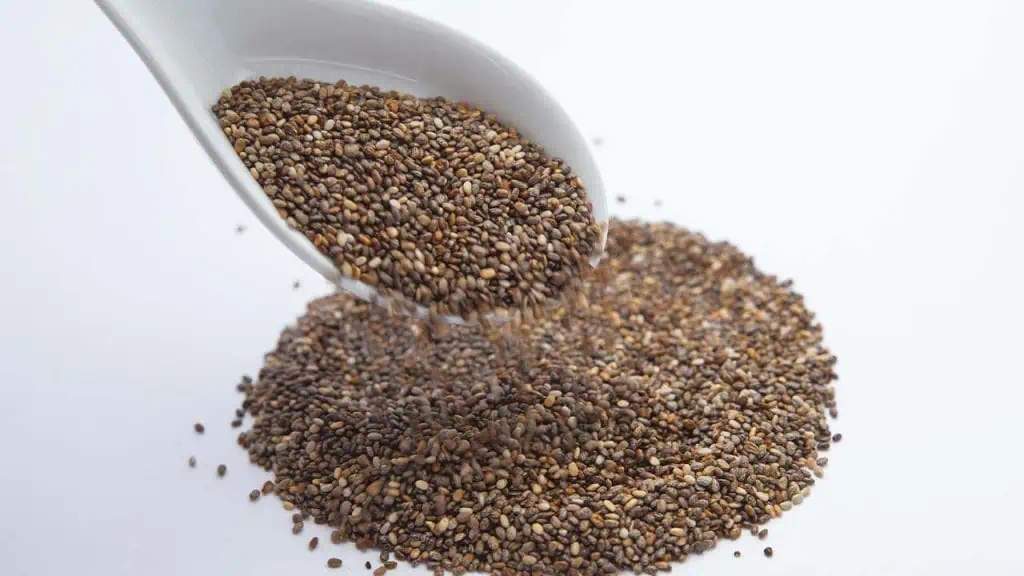
Chia seeds are notable for their impressive protein profile, offering 4 grams per ounce, along with impressive hydrating qualities due to their absorbent nature. When soaked, they expand into a gelatinous texture perfect for puddings or as a thickening agent in other recipes. Prepared in advance, they make for a convenient breakfast, paired with fruits and nuts. Chia seeds are subtle in flavor, adapting well to both sweet and savory creations, making them a versatile addition to any meal plan.
Pumpkin Seeds: Spooky Protein Source

Pumpkin seeds, also known as pepitas, are an exceptional source of plant-based protein, offering more protein per gram than an egg. Rich in zinc, magnesium, and healthy fats, they provide a satisfying crunch to a variety of dishes. To enhance their nutty flavor, toast them lightly in a skillet over medium heat, stirring frequently to avoid burning. Use them as a topping for salads, oatmeal, or yogurt bowls. Their savory undertones can also elevate baked goods or homemade granola, making them a versatile staple in protein-conscious cooking.
