
13 Surprising Foods with More Vitamin C Than an Orange
Vitamin C is vital for immune function and skin health, and while oranges are a popular source, they aren’t the only fruit in the game. Discovering foods with higher vitamin C content can diversify your diet while delivering freshness and flavor. This guide explores unexpected sources richer in this essential nutrient, offering both culinary enjoyment and a healthful boost. Each ingredient brings its unique texture and taste, ensuring both variety and nutritional benefit in your meals.
Sweet Bell Peppers

Sweet bell peppers top the list with a vitamin C content that eclipses oranges. When choosing, look for firm, glossy skins. Red bell peppers contain the most vitamin C, followed by yellow and green. To preserve their nutrients, opt for raw consumption in salads, or briefly sauté them with olive oil to enhance their sweetness. For a nutrient-packed dish, combine them with couscous or quinoa. Their crisp texture and vibrant color can elevate any entree, making them both a visual and nutritional star.
Kale: The Leafy Powerhouse

Kale is celebrated for its dense nutrient profile, featuring more vitamin C per serving than an orange. Choose leaves that are deep green, avoiding those that are wilted. Massage chopped kale with a bit of lemon juice and olive oil to soften its texture and enhance its flavors. Incorporate it into salads, smoothies, or lightly sauté with garlic for a simple side. Its hearty leaves hold up well under heat, maintaining their vitamin content and providing a robust, earthy taste to your dishes.
Kiwi: Tiny but Mighty
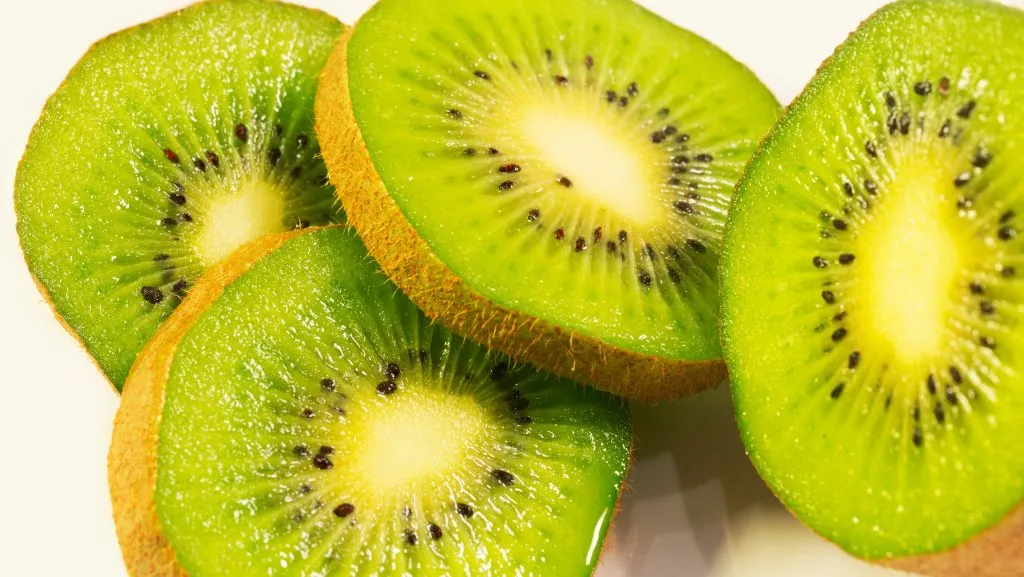
Despite their small size, kiwis pack a powerful vitamin C punch. Select fruits that yield slightly to pressure but aren’t overly soft. Their tangy-sweet flavor pairs well with Greek yogurt or can be blended into smoothies for a refreshing lift. For an eye-catching presentation, slice them over salads or desserts. Beyond vitamin C, kiwis offer fiber and other essential nutrients, making them a versatile addition to snacking and meal-time.
Strawberries: Sweet Vitamin C Boost
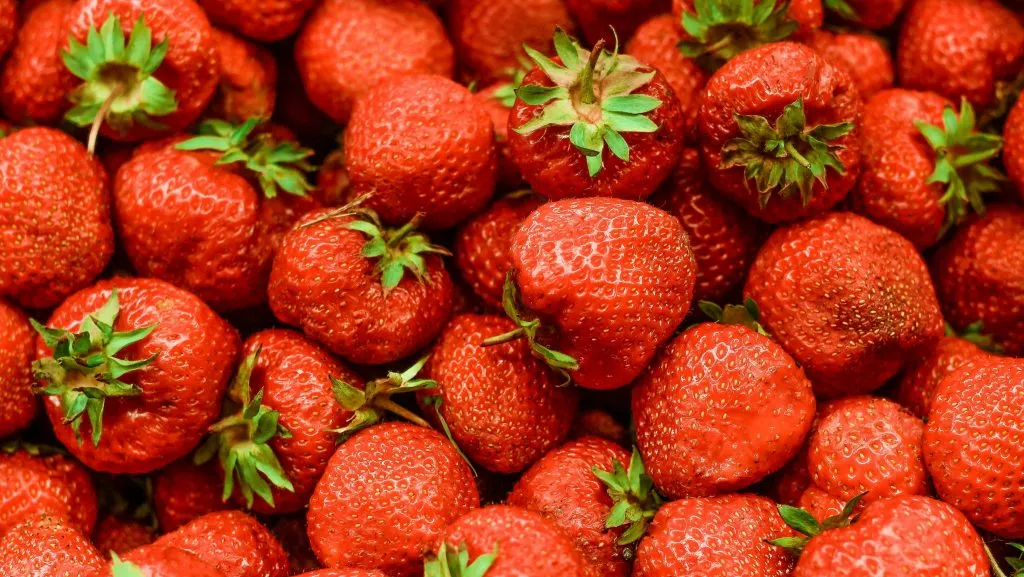
Strawberries delight with their juicy texture and surpass an orange in vitamin C content. Opt for bright red berries with a uniform color for the best flavor. Rinse them just before eating to preserve their freshness. Strawberries can be served on their own, blended into smoothies, or tossed into salads. For a quick dessert, macerate them with a touch of sugar and serve over angel food cake. Their inherent sweetness and fragrant aroma make them a beloved staple in any kitchen.
Pineapple: Tropical Surprise

Pineapple offers not only a sweet and refreshing taste but also a vitamin C content that exceeds that of an orange. When selecting a ripe pineapple, look for a vibrant color and a firm yet slightly yielding texture. Slice it into rings or chunks, ensuring to remove the tough core. This versatile fruit can be enjoyed fresh, grilled for salads, or blended into smoothies. Grilling enhances its natural sweetness, adding a caramelized layer that pairs beautifully with both savory and sweet dishes. Its vitamin C boost and juicy texture make pineapple a standout ingredient.
Broccoli: The Cruciferous Contender

Broccoli is a powerhouse of nutrients, with a surprising amount of vitamin C surpassing traditional citrus options. When prepping broccoli, consider cutting the florets into uniform pieces for even cooking. Steaming or lightly sautéing retains its vibrant color and nutrition. Avoid overcooking to prevent a mushy texture—aim for tender-crisp bites. Pair broccoli with a squeeze of lemon and a sprinkle of parmesan for a simple side dish. Its subtle flavor and crunch make it adaptable to various dishes, boosting nutritional content effortlessly.
Brussels Sprouts: Tiny Vitamin C Bombs

Brussels sprouts pack a punch in both flavor and vitamin C. Choose smaller sprouts for a sweeter taste, slicing them in half for quicker cooking. Roasting at high heat will caramelize their edges, bringing out natural sweetness and adding delightful crispness. Toss with olive oil, salt, and pepper before roasting. Finishing with a drizzle of balsamic reduction enhances their savory flavor. These mini brassicas shine as a side or salad centerpiece, delivering a robust vitamin boost alongside their nutty, earthy taste.
Papaya: Exotic Nutrient Rich

Papaya offers an impressive vitamin C content, often overlooked for more common fruits. Choose a papaya with vibrant, slightly yielding skin for optimal ripeness. Slice it open to reveal the coral-hued flesh and remove the seeds. This tropical delight can be consumed fresh or tossed into fruit salads. Use in smoothies for a creamy texture with a tropical twist, complementing lime and coconut flavors wonderfully. In savory applications, papaya adds a subtle sweetness and a nutrient-packed element to salsas and grilled meats.
Guava: Tropical Vitamin C Star
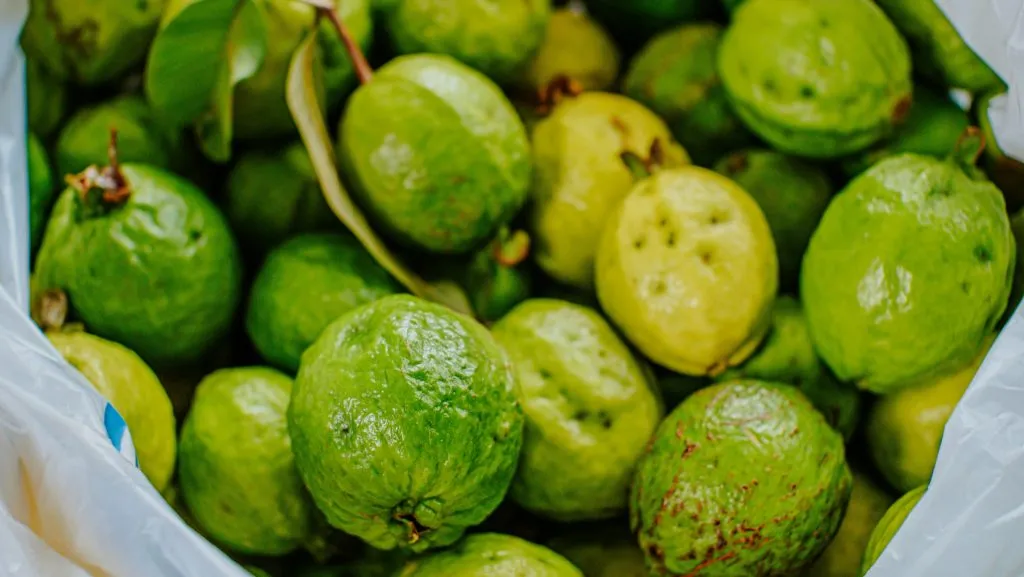
Guava stands out with an extraordinary level of vitamin C—four times more than an orange. When choosing guava, select ones that are fragrant and give slightly to pressure. Consumed with or without the skin, guava is delicious sliced fresh, in smoothies, or in fruit salads. Its unique flavor profile blends well with citrus, mint, and chili. Consider making a guava jelly or compote to accompany cheeses or desserts. The texture varies from creamy to crunchy, making it a versatile addition that brightens both sweet and savory dishes.
Blackcurrants: Berry with a Boost
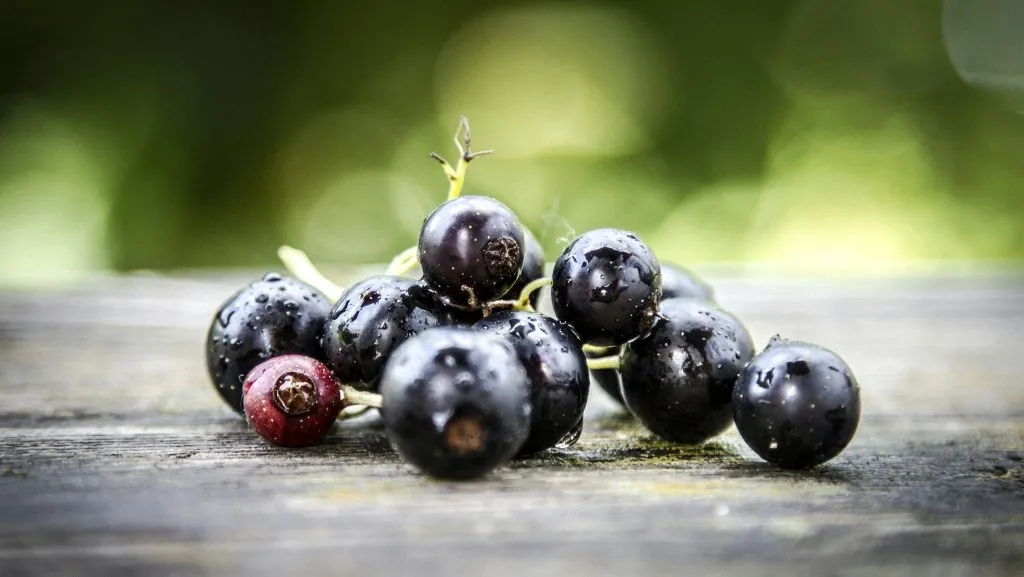
Blackcurrants pack a powerful punch with up to four times the vitamin C of an orange, making them a nutrient-dense choice. Their deep, tangy flavor works beautifully in both sweet and savory dishes. Try simmering them into a sauce with honey and rosemary for a unique glaze on roast chicken. Alternatively, incorporate them into your morning routine by adding a handful to oatmeal or yogurt. Their small size makes them ideal for quick cooking, preserving their juicy burst and nutrient integrity.
Cantaloupe: Refreshingly Citrusy
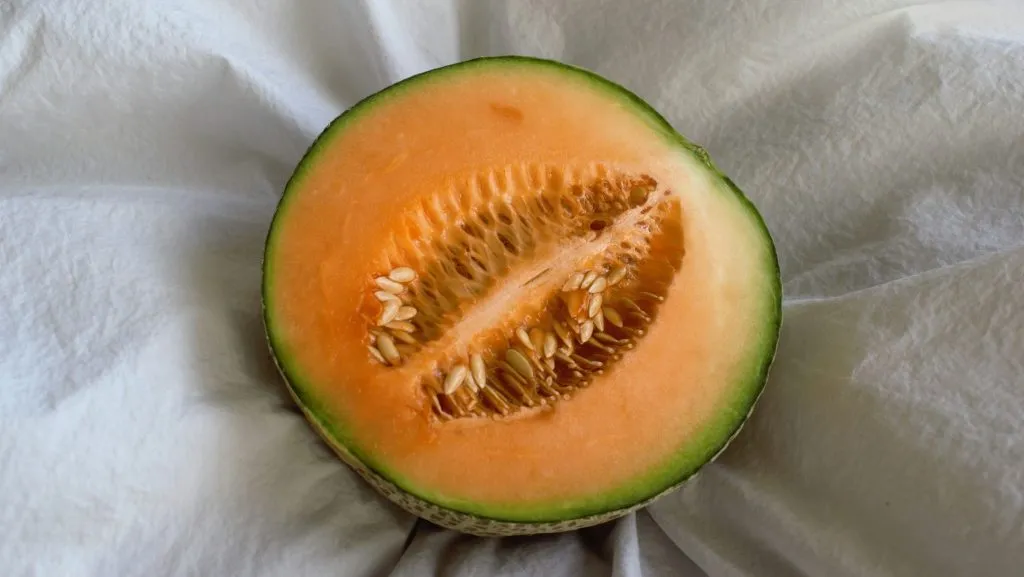
Cantaloupe offers a refreshingly sweet way to boost your vitamin C intake. This juicy melon can be sliced and enjoyed fresh, its vibrant orange flesh providing a pleasant texture and flavor contrast in fruit salads. For a savory twist, try wrapping cantaloupe wedges in thin prosciutto, balancing sweetness with a salty edge. To maximize flavor, choose melons that give slightly to the touch and have a sweet, musky aroma. Best served chilled, cantaloupe is versatile and revitalizing, ideal for warm days.
Mango: The King of Fruits

Widely acclaimed as the king of fruits, mango delivers more vitamin C than an orange along with a tropical burst of flavor. Its smooth, juicy flesh makes it perfect for smoothies or as a topping on desserts. For a refreshing salsa, dice mangoes and combine with red onion, cilantro, and lime juice. To peel easily, slice the cheeks off either side of the pit, score the flesh in a crisscross pattern, and invert the skin to cube swiftly. Mango enhances dishes with its sweetness and vibrant color.
Cauliflower: Versatile Veggie

Cauliflower emerges as a versatile, vitamin C-rich vegetable worthy of culinary exploration. Its mild flavor and texture allow it to absorb seasonings well, making it ideal for a variety of dishes. Roast it with paprika and olive oil until golden for a nutty, caramelized side dish. Alternatively, blend it into soups or mash it as a low-carb potato substitute. When selecting cauliflower, look for tightly packed florets free of blemishes. Its adaptable nature and health benefits make it an asset in the kitchen.
