
13 school lunch items from the 1950s that would never be allowed In Schools Today
School lunches in the 1950s were a stark contrast to today’s expectations. Many items featured ingredients and preparations that would likely raise eyebrows among modern parents concerned about nutrition and appeal. Understanding these items provides insight into past culinary practices, where taste was often secondary to economy and convenience. This exploration into 1950s lunch menus offers a glimpse into the era’s culinary mindset, focusing on how far we’ve come in prioritizing healthier, more enticing food for students.
Liver and Onions: A Weekly Staple

Liver and onions were commonplace in school cafeterias, known for their strong flavors and distinct aroma. The liver, rich in iron, was paired with caramelized onions to create a dish that was nutritionally packed but polarizing in taste. The preparation included slicing liver thinly and sautéing both the liver and onions until browned. While nutrient-dense, this dish’s bold taste was often a challenge for young palates, likely leading to its current rarity in child-friendly menus.
Creamed Chipped Beef Surprise
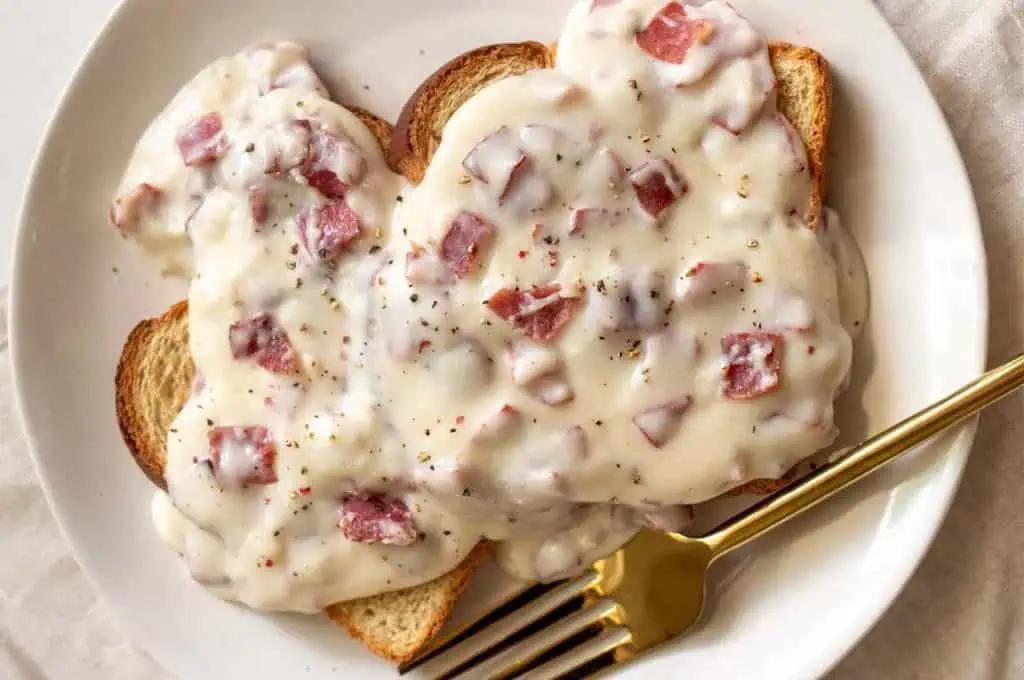
Creamed chipped beef was another staple, often served over toast. This dish involved thin strips of dried beef cooked in a creamy white sauce. The combination of salty meat with the smooth sauce created a rich, indulgent experience. However, the heavy use of salt and preservatives would be frowned upon today due to health concerns. The simplistic preparation contradicted the complex flavors, offering a rich, savory meal that would seem an odd choice for a child’s lunch by modern standards.
Get the recipe: Creamed Chipped Beef on Toast
Powdered Milk: The Only Beverage
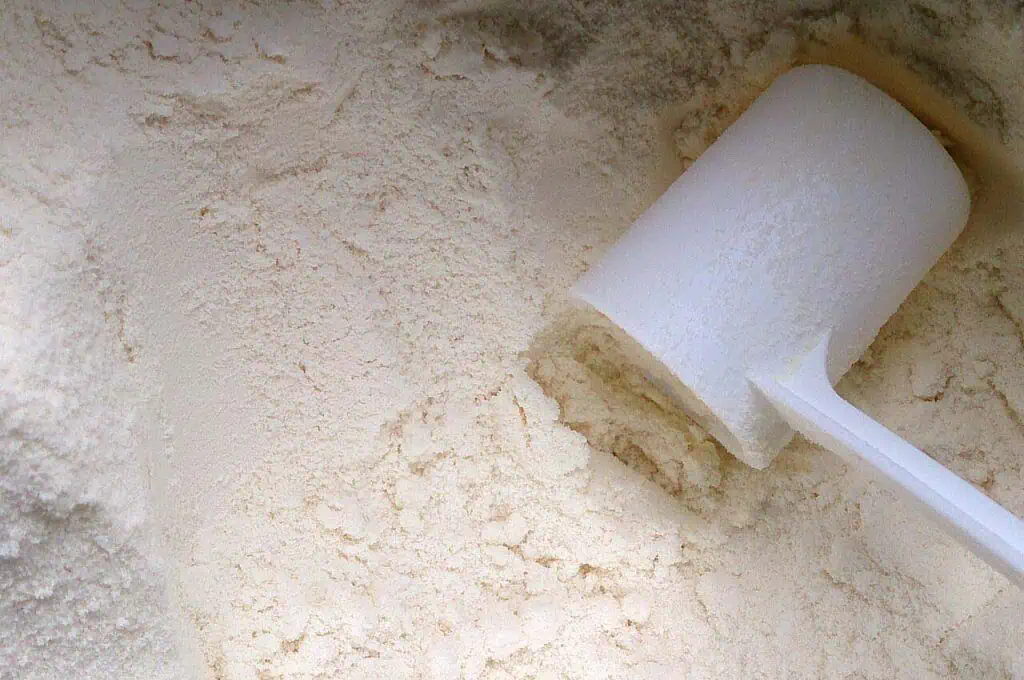
Powdered milk was a common beverage, favored for its practicality and shelf life. Prepared by mixing with water, the result was a milky drink that lacked the freshness of whole milk. Its taste was often described as thin and slightly chalky, standing in stark contrast to today’s focus on natural, less processed options. The reliance on powdered milk underscored the era’s emphasis on efficiency, yet modern consumers would likely consider it an inadequate substitute in terms of flavor and nutrition.
Canned Spinach: Gray and Unappealing

Canned spinach frequently appeared in lunches, often leaving much to be desired in terms of appearance and texture. The canning process left the spinach a dull gray with a mushy consistency, stripping away any vibrant freshness. Despite being a nutritious choice, its unappealing presentation made it a challenge for children to embrace. Today, the preference for fresh or lightly steamed spinach reflects a shift towards preserving natural color and flavor, showcasing how presentation has become intertwined with nutrition and taste.
Mystery Meat Hot Dogs

Hot dogs from the 1950s often contained a mix of meat scraps that were less than transparent regarding their origins. While these were routine in school lunches, the concentration of preservatives and unclear labeling would raise eyebrows today. Modern nutritional standards encourage transparency in meat sourcing, and though the texture remains soft and accommodating for various toppings, today’s hot dogs prioritize healthy, identifiable ingredients to assure quality and safety.
White Bread and Margarine Side

Once a staple, white bread with margarine was a simplistic, cost-effective accompaniment. The bread’s airy texture was easy on young palates, but its lack of fiber and nutritional density would now be concerning to many parents. Margarine, chosen for its spreadable convenience, contained trans fats that are avoided in contemporary diets. Present-day alternatives might include whole grain breads and real butter or a heart-healthy substitute, enhancing both flavor and nutrition.
Gelatin Salads With Veggie Surprises

These gelatin salads often concealed vegetables like shredded carrots or canned olives within a wobbly, translucent shell. The creative use of molded gelatin was as much about visual appeal as practicality, but the combination of sweet and savory could be off-putting. Today’s preference leans toward clearer segmentation of flavors and healthier ingredients, steering away from the high sugar content and artificial colors found in these wiggly concoctions.
Sugary Canned Fruit in Syrup

Canned fruit in heavy syrup, once a sugary-sweet treat, reflected the era’s preference for convenience and preservation. The syrup, however, overloaded the fruit with sugar, masking natural flavors. Current dietary guidelines advocate for fruits packed in their own juice or water, minimizing added sugars. This shift has brought a heightened appreciation for the authentic taste and texture of fruit, with fresh produce taking a more prominent role in balanced meals.
Macaroni in Bright Cheese Sauce

This iconic pasta dish, characterized by its neon orange hue, was economically appealing but nutritionally sparse, relying heavily on processed cheese powders. While creamy and comforting, the artificial colors and preservatives would be grounds for concern today. A modern revision favors real cheese sauces made from scratch, blending sharp cheddar with subtle seasonings, resulting in a dish that retains the beloved creaminess while emphasizing wholesome ingredients.
Overcooked, Bland Boiled Veggies

In the 1950s, it was common for vegetables to be boiled until they lost their vibrant color and crispness, transforming into a mushy, unseasoned side. The lack of texture and flavor left much to be desired, often failing to entice young palates. Today, techniques like steaming or quick blanching are favored to preserve both the nutrients and a satisfying bite. Adding a pinch of salt, a drizzle of olive oil, or a squeeze of lemon can elevate the taste and make vegetables an appealing part of the meal.
Cornbread: A Lard-Filled Staple
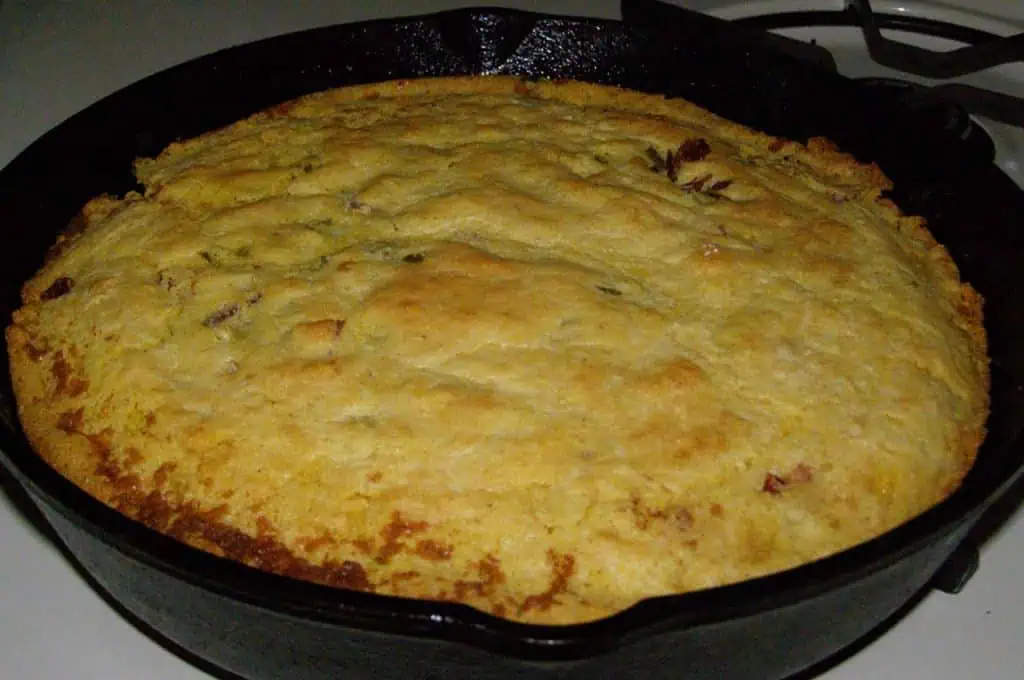
Cornbread was a staple in 1950s school lunches, often rich with lard to achieve a tender crumb. While delicious, the use of lard is less popular now due to health considerations. Instead, modern recipes often incorporate butter or vegetable oil for a similar texture without the added saturated fats. Achieving the right balance of moisture and crumbly texture is key. Opt for buttermilk for a subtle tang and depth of flavor. Baking until golden brown ensures a lightly crisp exterior with a soft, inviting interior.
Sweet Rolls as a ‘Balanced’ Dessert
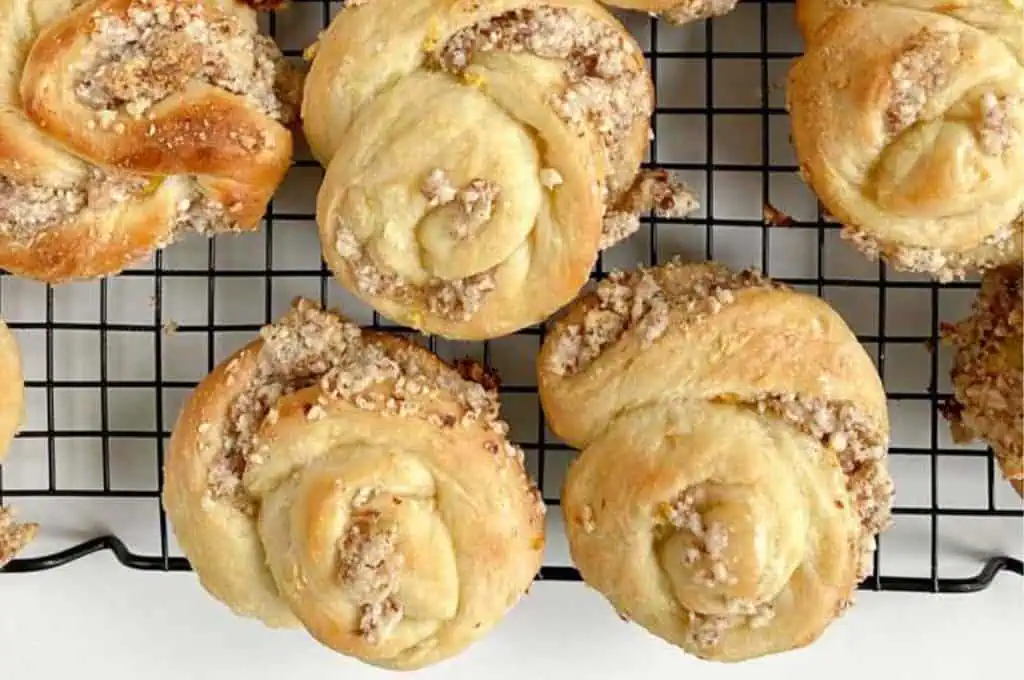
Presented as a balanced dessert, sweet rolls from the 1950s were ubiquitous in school lunches, offering a sugary finish to the meal. Typically glazed with sugar or honey, these treats were more indulgent than nutritious. Modern bakers look to balance sweetness with whole grain flours for added fiber, along with natural sweeteners like maple syrup. Lightly kneading the dough promotes an airy texture, and incorporating cinnamon or fruits can add complexity. Ensure rolls are golden with a touch of caramelization.
Get the recipe: Ring-a-ling Sweet Rolls
Full-Sugar Chocolate Milk Daily

Chocolate milk in the 1950s was a daily indulgence, often containing substantial sugar. While a treat for children, the high sugar content raises concerns over daily consumption. Today, low-sugar or sugar-free versions are preferred, focusing on the balance of creamy richness with a chocolate kick. When preparing at home, use unsweetened cocoa powder and a touch of honey or agave for sweetness. For a velvety texture, whisk the mixture thoroughly, allowing cocoa to dissolve completely and enhance flavor distribution.
