
13 Burger Myths Debunked
Burgers are a staple in many cuisines, often surrounded by a swirl of myths that confuse rather than clarify. Unpacking these myths brings clarity, helping to craft the perfect bite every time. Whether you’re a seasoned cook or a beginner, understanding the truths behind these common misconceptions will enhance your cooking skills and ensure each burger you make is delicious and satisfying.
Burgers: An American Invention?
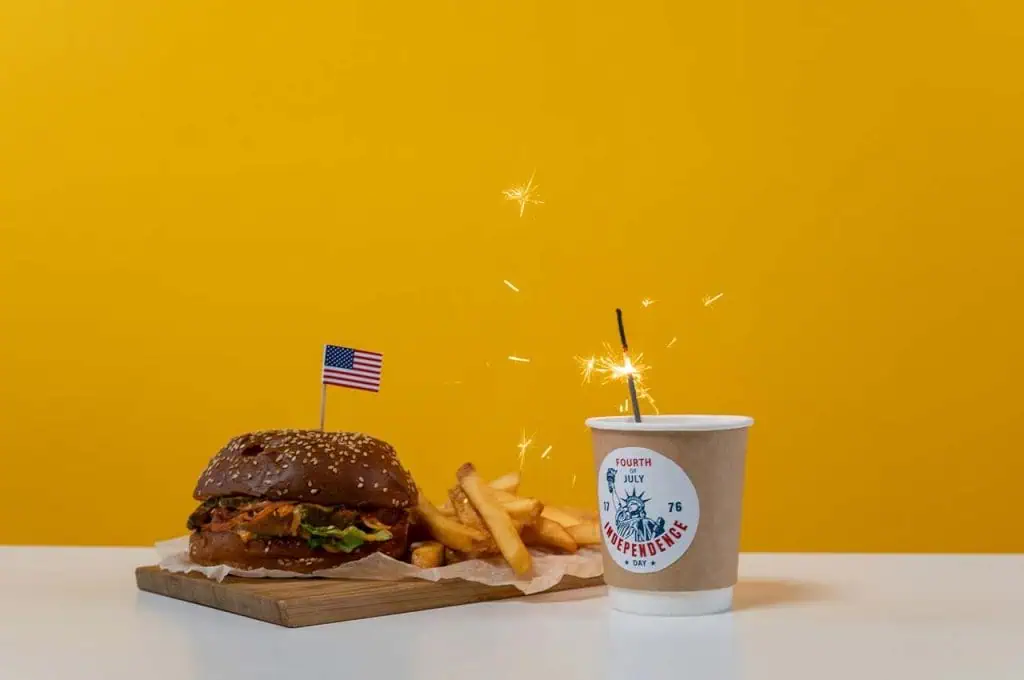
While burgers are quintessentially linked to American cuisine, their roots stretch beyond, from German Hamburg steak to influences from the minced beef of the Mongols. Acknowledging these origins honors the diverse cultural influences that enrich this culinary icon. By understanding this history, cooks can experiment with global flavors and textures, expanding their hamburger repertoire beyond the classic combinations.
The 80/20 Meat Ratio Myth
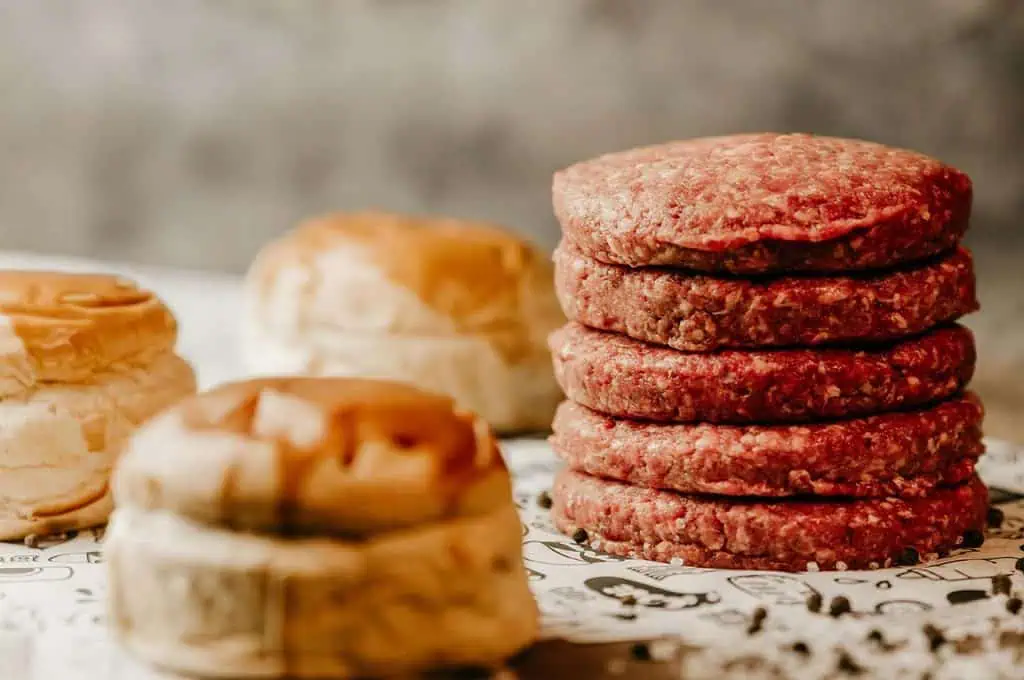
The popular 80/20 ratio, implying ground beef with 80% lean meat and 20% fat, is praised for juiciness. However, this balance can vary with desired outcomes. Higher fat content, such as 70/30, might be preferred for richer, more flavorful patties. Conversely, blends with less fat can be equally satisfying with the right cooking techniques, such as using moist heat or adding moisture-retaining ingredients like sautéed onions.
Healthy Choices: Burgers Aren’t Always Bad
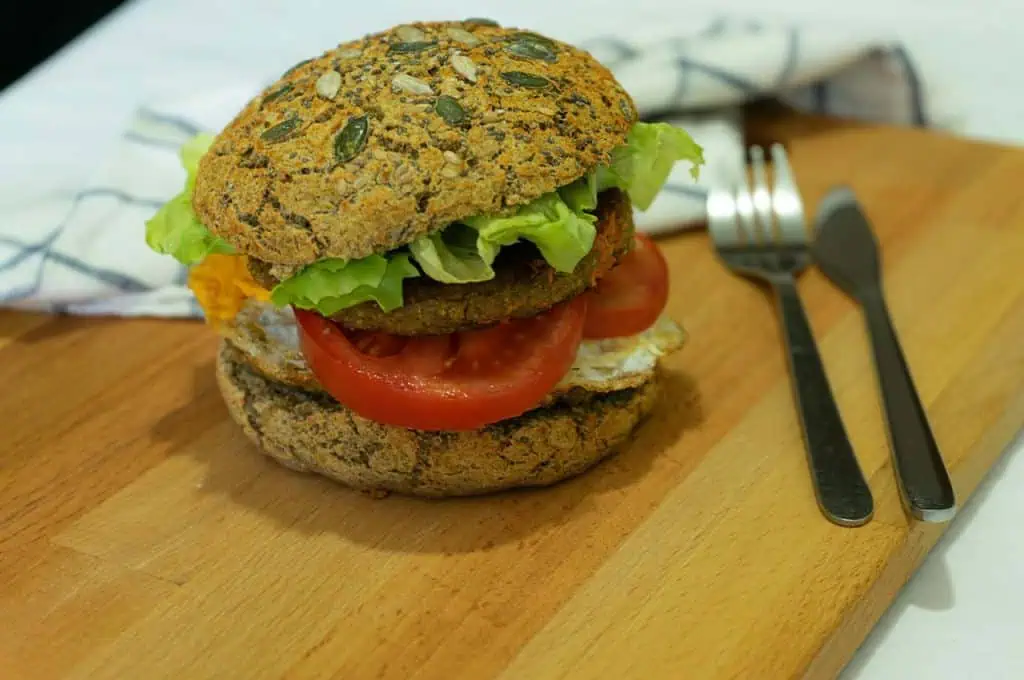
Seen as indulgent, burgers can be health-conscious by carefully selecting ingredients. Opt for lean meats, turkey, or plant-based patties. Incorporating whole-grain buns and topping with fresh, vibrant veggies enhances nutritional value without sacrificing taste. Balancing flavors and textures, like creamy avocado against crunchy lettuce, can create a delicious, guilt-free burger experience.
Bigger Burgers, Bigger Myths
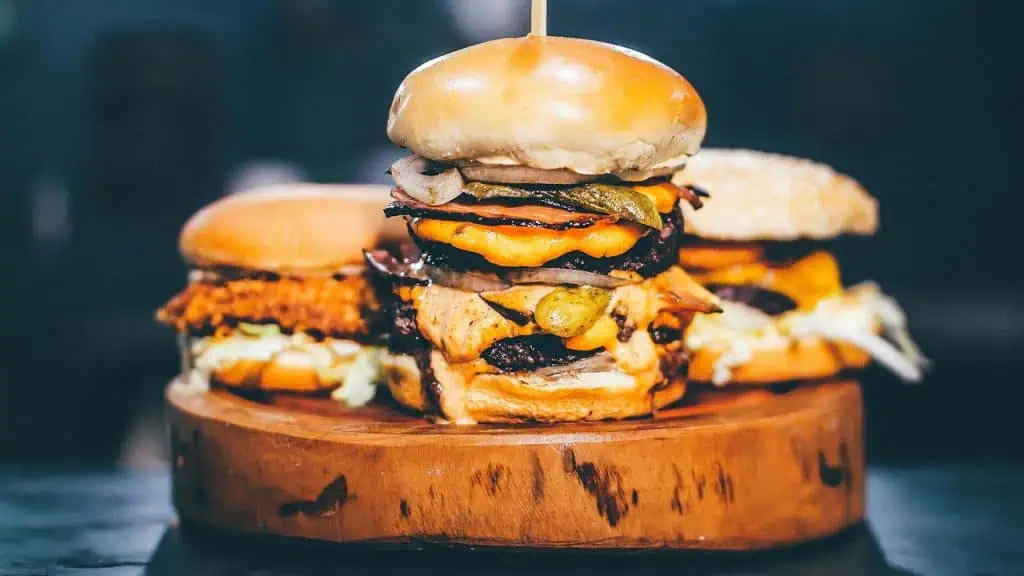
The notion that bigger is better can lead to uneven cooking, dryness, and unwieldy eating. A well-proportioned patty ensures even cooking and a balance of flavors in each bite. Aim for about 6 ounces of meat per patty for optimal results, allowing the grill or pan to reach the right temperature, developing a proper sear while keeping the inside juicy and perfectly cooked.
The Binder Belief: True or False?
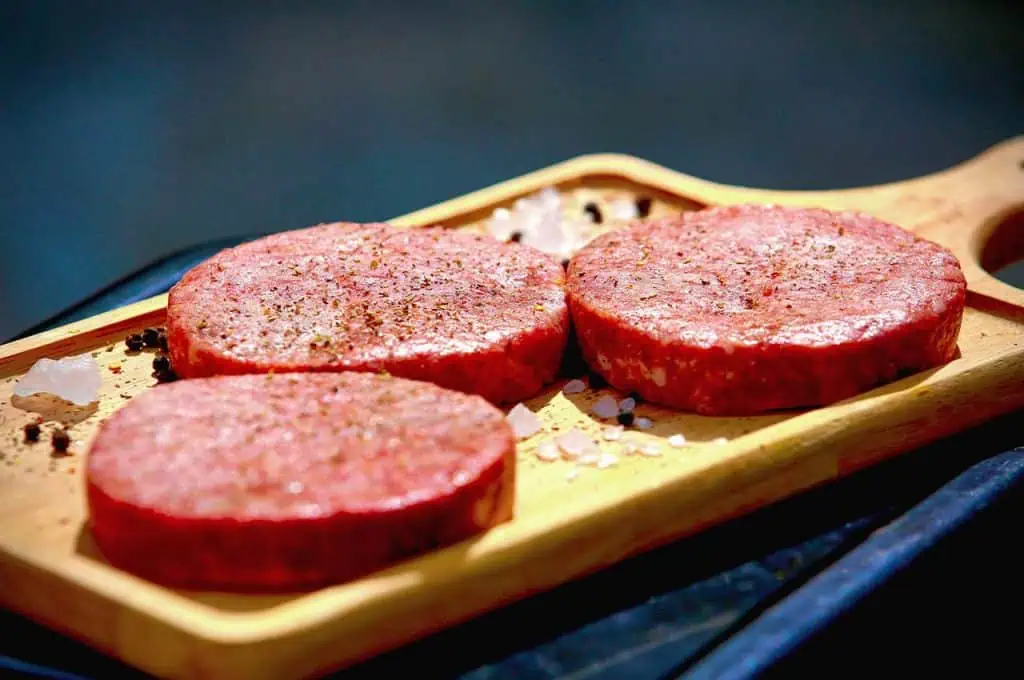
Many suggest using binders like eggs or breadcrumbs in burger patties for better texture. In truth, a binder isn’t always needed if the quality of the meat is right—80% lean beef generally holds together well without extra help. The fat content serves both as flavor enhancer and structural glue. For those preferring added ingredients, lightly mixing in a beaten egg or a handful of breadcrumbs can contribute to a more uniform texture, directly impacting the final mouthfeel. Keep mixing minimal to avoid a dense result.
Fast Food vs. Homemade: Quality Concerns
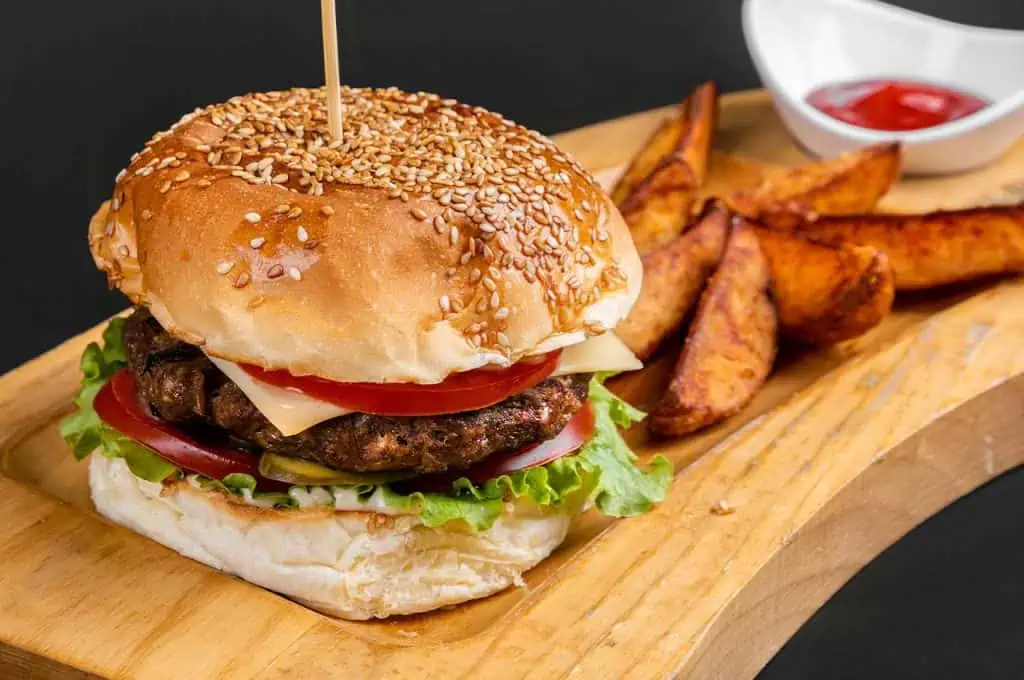
A common belief contrasts homemade burgers with fast food for quality. Homemade offers control over ingredients and methods: choice cuts, fresh condiments, and creative buns. Fast food generally relies on uniformity and preservatives. Opting for homemade allows for better fat-to-lean ratios, custom seasoning, and fresh toppings to suit personal taste. Prioritize quality meat and vegetables, a properly heated grill, and attentive cooking to craft a superior burger, enhancing both nutrition and flavor.
Grilling: The Ultimate Burger Technique?

Grilling provides that sought-after char and smoky flavor, yet it’s not the only method. A cast-iron skillet offers superb heat retention, delivering an even sear that some argue intensifies flavor more than an open flame. Grills allow for fat drippings to intensify smokiness, but controlled pan cooking keeps all juices close. Regardless of method, proper preheating and minimal flipping ensure even cooking. Mastering both techniques provides versatility, giving options based on preference and equipment.
Room Temp: Should You Cook Cold?
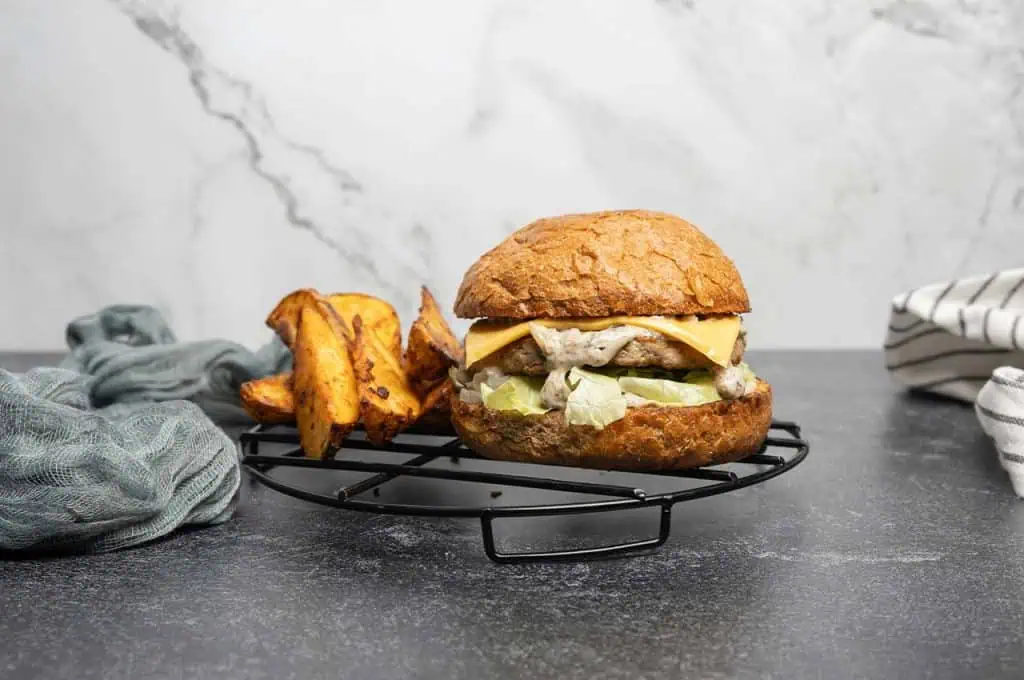
There’s debate about allowing burger patties to reach room temperature before cooking. Hotter centers and even cooking suggest a warmer start is best. However, especially on hot days, leaving them too long can risk food safety. A brief 15-minute rest from the fridge balances both concerns, offering a uniformly cooked burger with a juicier bite. This short rest time also aids in less sticking on the grill. Be mindful of environmental conditions to ensure both safety and optimal texture.
Seasoning Before Forming: Necessary?
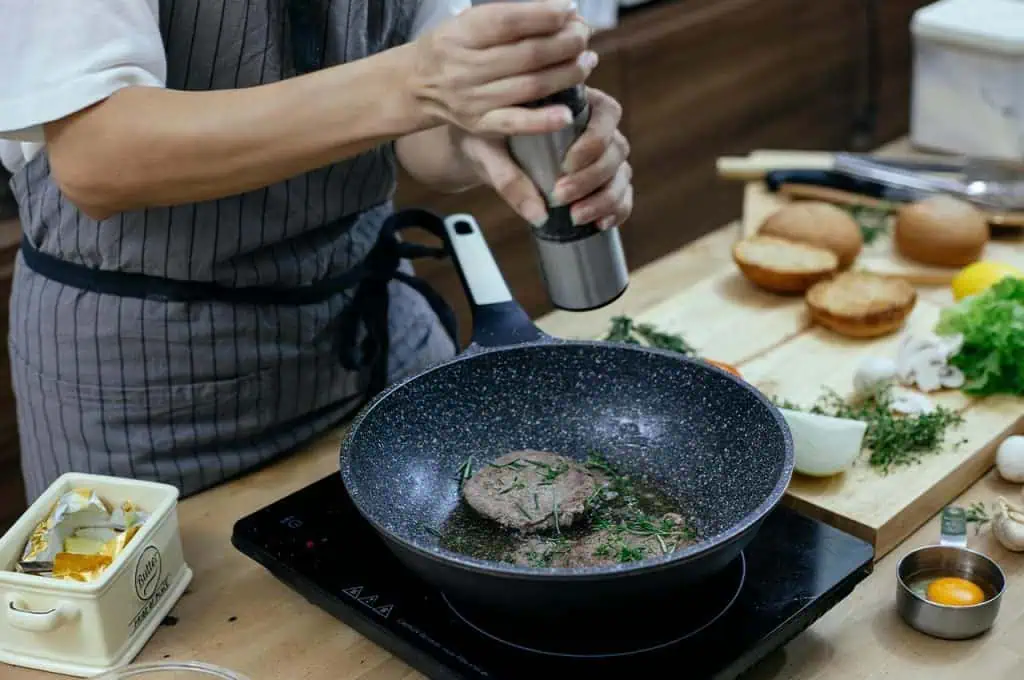
Some cooks season burger meat after forming, but seasoning beforehand incorporates flavor more thoroughly. Mixing salt and pepper into the beef, or adding garlic powder and Worcestershire sauce, can elevate the flavor profile. Be cautious, as excessive mixing can toughen the patty. Aim for uniform seasoning but with a light hand to maintain the tender structure of the meat. A final spritz of seasoning on the outside before cooking accentuates the crust, deepening taste with each bite.
Medium-Rare: The Burger Rule?
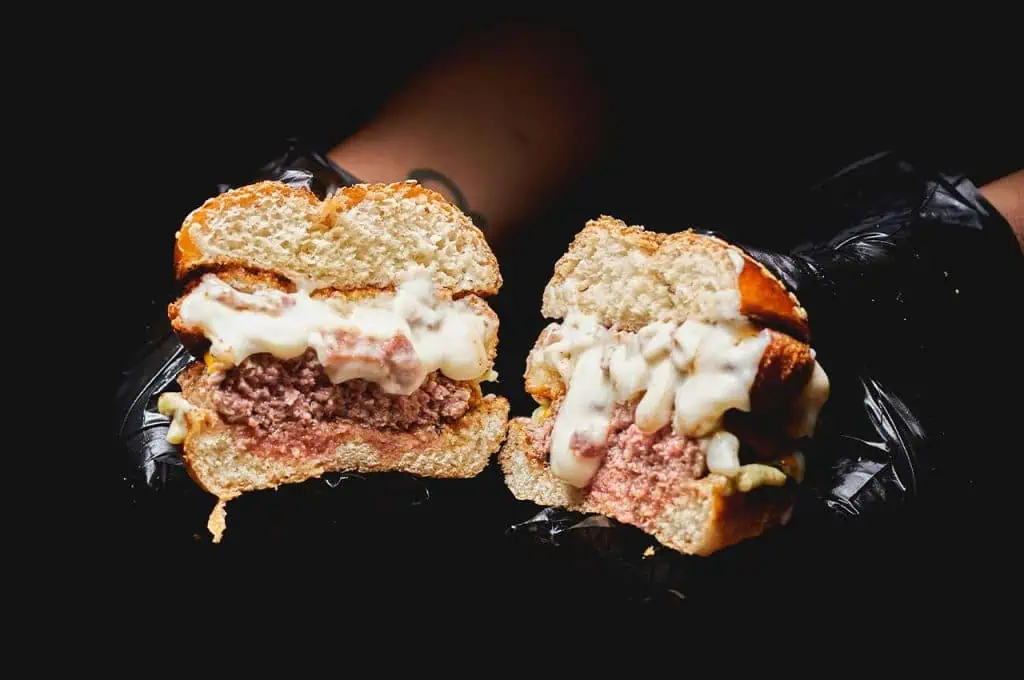
The notion that burgers should always be cooked medium-rare hinges on personal preference rather than a hard rule. While a medium-rare burger can offer a juicy, flavorful bite, it’s essential to prioritize food safety. Ground beef should reach an internal temperature of 160°F to ensure harmful bacteria are neutralized. Use an instant-read thermometer to verify doneness. For juices to redistribute evenly, allow the burger to rest for a moment after cooking. Customize doneness to your liking while ensuring safety first.
Flip Once: The Key to Juicy Burgers?
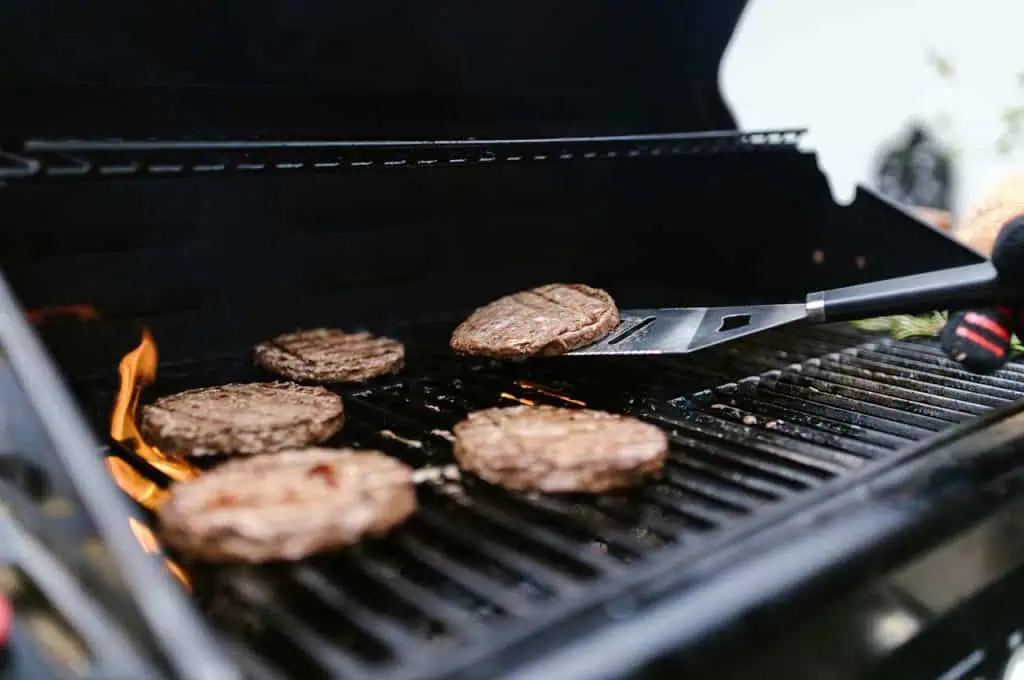
The belief that flipping a burger only once preserves juiciness is a commonly held myth. The reality lies in monitoring the cooking process closely. Flipping occasionally, rather than adhering to a strict once-only rule, offers more control over even cooking. Searing each side quickly over high heat helps form a satisfying crust. As the patty reaches the desired internal temperature, refrain from pressing it down, which can expel juices. With attentive handling, multiple flips need not result in dryness.
Burger Etiquette: Right Side Up?
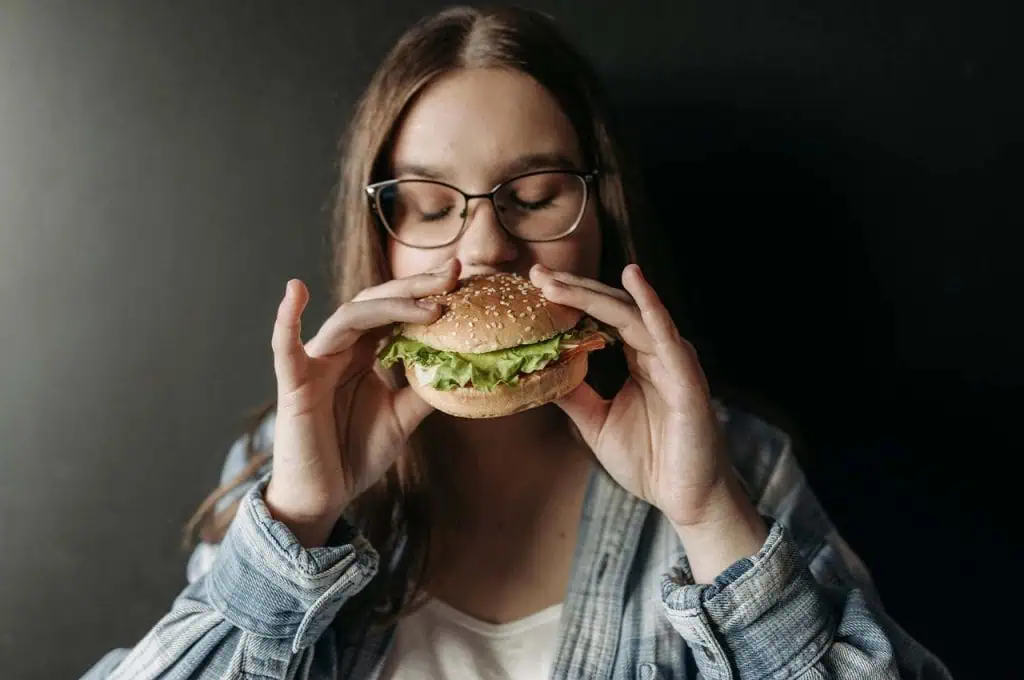
Turning a burger upside down before biting can offer practical benefits. The thicker top bun may better absorb juices, thus reducing mess. This minor switch can enhance structural integrity and flavor balance, as more toppings rest against your taste buds initially. While not traditional, experimentation with the orientation of your burger can open new textural enjoyment. Ultimately, the best side up is the one that enhances your eating experience.
Plant-Based: A Healthier Option?

Plant-based burgers are frequently touted as healthier alternatives, yet the reality is more nuanced. These options can indeed be lower in saturated fat and calories, but nutritional content varies widely. Investigate labels for hidden sugars or excessive sodium. Utilizing whole-food ingredients like legumes or grains can amplify health benefits, providing fiber and protein. By preparing patties from scratch, control over additives and taste is yours, offering a wholesome and tailored dining experience.
