
12 Lunchbox Items from the 70s That Would Trigger a School Lockdown Now
Lunchboxes from the 1970s often featured items that today’s schools might consider questionable. These staples, beloved by many, could raise eyebrows due to modern safety and health standards. Let’s explore these nostalgic lunchbox items, analyzing why they’d be flagged in today’s schools and how they reflect changing times.
Pocket Knives: Fruit Cutters or Contraband?

In the 70s, pocket knives were a common tool for slicing apples and other fruits. These small blades were practical, tucked into a child’s lunchbox for convenience. However, today’s strict no-weapons policies would classify them as contraband. While handy for peel-and-eat fruits, knives are now left at home, replaced by pre-cut fruit sections readily available in stores.
Metal Thermoses: Breakable Glass Dangers

Glass-lined metal thermoses were popular for keeping soup or beverages hot. While effective, they posed the risk of shattering if dropped, leading to potential injuries from glass shards. Modern designs use stainless steel or plastic with vacuum insulation to ensure safety and durability, eliminating the hazard while retaining heat retention benefits.
Special Juice: Homemade Wine Bottles

Occasionally, homemade grape juice was packed in old wine bottles, a thrifty choice for parents. Despite their innocence, such containers could mistakenly hint at alcohol, triggering school policy violations. Today, designated water bottles made from safe, shatterproof plastics are the norm, ensuring transparency and alignment with school regulations.
Bologna Sandwiches: No Ice, No Problem

Mildly spiced bologna sandwiches were quintessential, often packed without an ice pack to keep them cool. In the past, this wasn’t a concern, but today’s understanding of food safety stresses refrigeration to prevent spoilage. Now, insulated lunch bags paired with ice packs maintain perishable items at safe temperatures, reflecting heightened food safety awareness.
Cola Cans: Sugary Lunch Companions
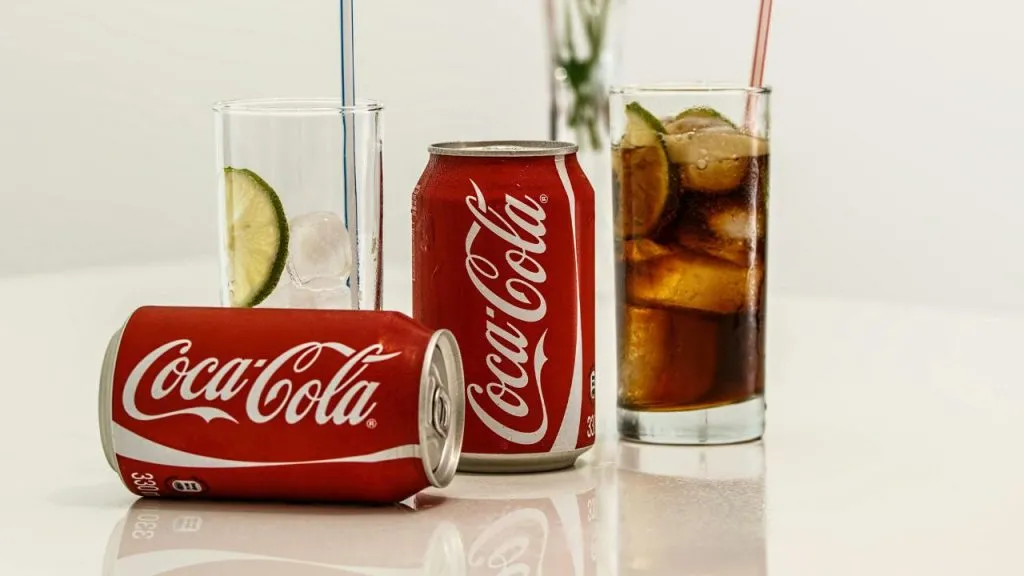
In the 70s, cola cans often found their way into lunchboxes as a sweet indulgence. While appealing with their effervescent zing, these sugar-laden drinks are far from ideal for today’s health standards. To replace them, consider infusing water with slices of fresh citrus, herbs like mint or basil, and even a hint of ginger for a naturally refreshing alternative that offers hydration without the excess sugar. This choice not only provides necessary hydration but also engages the palate with more complex and satisfying flavors.
Grapes & Candies: Choking Hazards

Whole grapes were a common lunchbox staple, but they, along with hard candies, pose choking risks for children. By slicing grapes in half or opting for smaller, safer fruits like blueberries, parents can avoid potential hazards. Soft fruit snacks made from natural ingredients can replace hard candies, maintaining sweetness without the risk. Keeping safety top of mind ensures that lunchtime remains enjoyable and incident-free, allowing kids to savor their meals without unnecessary concern.
Peanut Butter: Allergy Alert

Peanut butter, once a lunchbox favorite slathered on sandwiches, has become a concern due to the rise in peanut allergies. For a nut-free substitute, explore seed butters, like sunflower or pumpkin seed, which provide a similar creamy texture and rich flavor. These alternatives are not only safe for allergy-sensitive environments but also offer nutritional benefits like essential fatty acids and vitamins. Pair these with whole-grain bread for a nourishing and allergy-conscious meal option.
Room Temp Leftover Meatloaf

Meatloaf served at room temperature was a common lunchbox protein but poses food safety issues now. Cold meats, like pre-cooked chicken or turkey slices kept cool in insulated containers, offer a safer alternative. For a twist, consider homemade chicken salad with Greek yogurt, grapes, and nuts for crunch and flavor. This ensures that protein-rich meals are both safe and delicious, providing sustained energy throughout the day while adhering to modern food safety standards.
Candy Cigarettes: Imitation Hazards
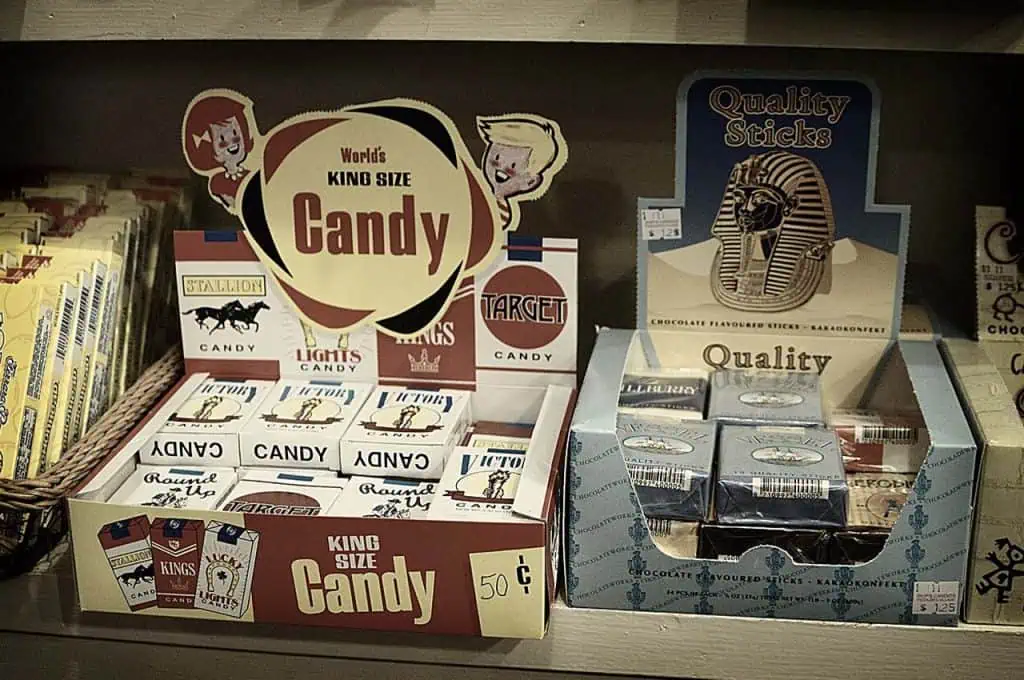
Candy cigarettes, once thought of as harmless fun, are now seen as a troubling imitation hazard. Swap these out for healthier, age-appropriate treats that appeal without promoting unhealthy behaviors. Options like yogurt-covered raisins or homemade granola bars offer sweetness and crunch without problematic connotations. Such snacks celebrate wholesome ingredients while delivering on flavor, thus promoting positive eating habits and a balanced approach to lunchtime treats.
Home-Canned Foods: Mystery Meals

During the 70s, it wasn’t uncommon to find home-canned meals in lunchboxes. These jars, often filled with stews or garden vegetables, rely on precise preparation to ensure safety. The risk of botulism in improperly canned foods makes this a potential hazard today. When canning, use a pressure canner for low-acid foods and ensure jars are sealed with no leaks or bulging lids. Always label jars with the canning date and inspect them for signs of spoilage. These measures are crucial for preventing the mystery of what’s inside from becoming a safety concern.
Jell-O Salads: Raw Egg Risks

Jell-O salads, a staple of 70s lunches, sometimes contained raw eggs to enrich their texture and flavor. Today, such practices pose a significant health risk due to salmonella. To safely recreate these gelatinous dishes, avoid using raw eggs altogether. Instead, opt for pasteurized eggs or substitute with gelatin alone to achieve the desired consistency. This alteration maintains the nostalgic appeal while ensuring food safety. Incorporating a variety of fruits or nuts can also enhance texture, staying true to their original vibrant appearance while prioritizing fresh ingredients.
Thermos Soup: Handling Hot Liquids
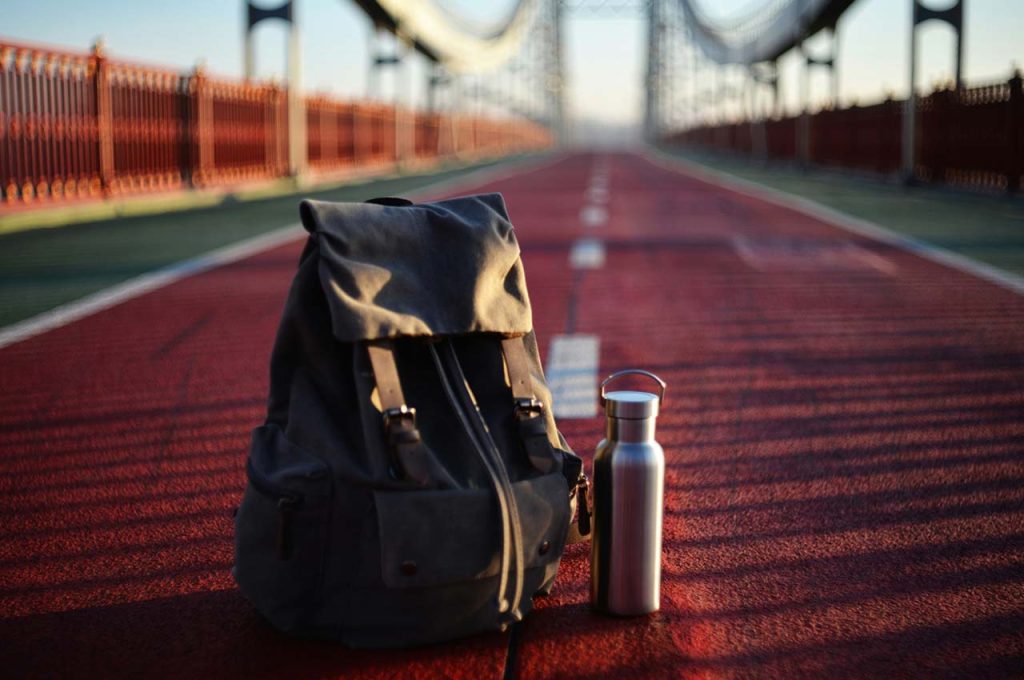
The trusty thermos often carried hot soups to school, offering warmth on chilly days. However, handling hot liquids requires careful technique to avoid burns and maintain food safety. Fill the thermos with boiling water to preheat it for a few minutes before adding the soup. Ensure soup is heated to a rolling boil before transferring, as proper temperatures minimize bacterial growth. Seal the thermos tightly to prevent spills, and check for leaks before packing. This method not only keeps the soup warm but also preserves the comforting flavors integral to a satisfying meal.
