
12 Groceries That May End Up Costing You
Managing grocery expenses involves more than just looking at the bottom line on your receipt. Many items that seem like a good deal at first glance may actually be costing you more in the long run. Understanding the true cost of everyday groceries can help you make better purchasing decisions, improving both your budget and your meals. Let’s explore common items that might be silently draining your wallet.
The Hidden Price of Packaged Foods
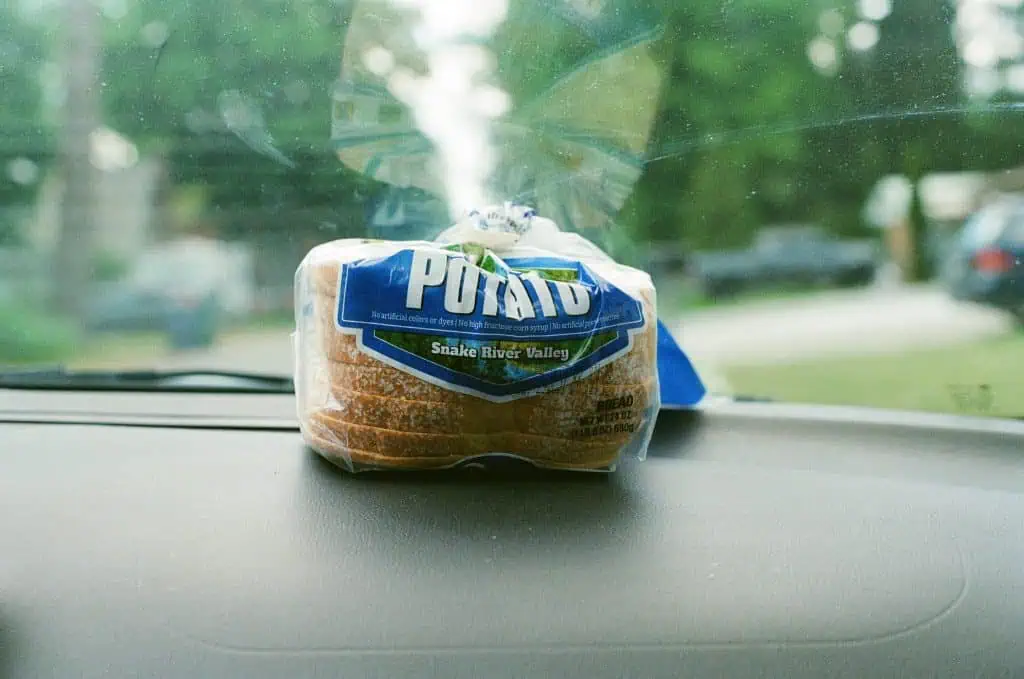
Packaged foods often come with a premium price for convenience, but they can also contain hidden costs. Pre-sliced fruits and vegetables, for example, may save time, yet they lack freshness and tend to spoil faster, meaning more frequent purchases. Additionally, small packaging often means you’re paying more per ounce compared to bulk buying. Check unit prices and consider purchasing whole produce or larger packaging to stretch your spending further.
Instant Coffee: Convenience vs. Cost
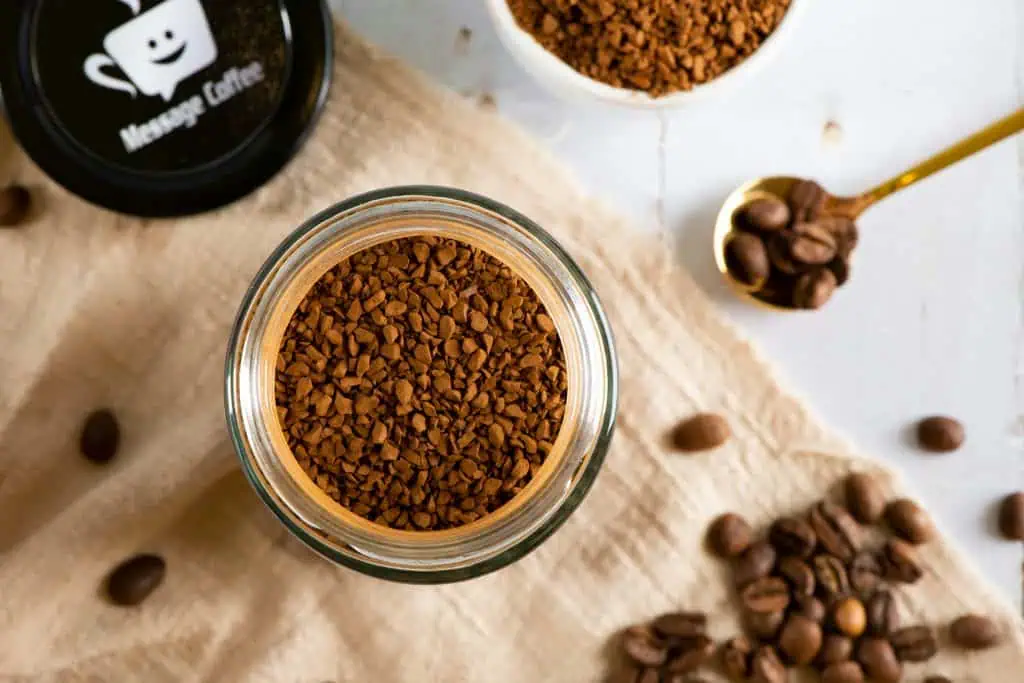
Instant coffee offers a quick fix for caffeine cravings but often at a significant markup. The cost per serving is substantially higher than brewing your own from ground coffee beans. Aside from the financial aspect, instant coffee can lack the depth and aroma that freshly brewed coffee provides. Investing in a quality coffee maker can elevate your morning routine while saving money over time. Opt for whole beans to grind fresh for an even richer experience.
Frozen Foods: Convenience with a Price

Frozen meals and snacks promise ease with just a bit of heating, yet they often compromise on portion size and nutritional value. This can lead to spending more in the long term as portion control becomes difficult. Consider instead batch cooking fresh meals to freeze; this retains nutritional quality and flavor. Control your ingredients and portions, making mealtime both healthier and more cost-effective. Always compare prices per pound to ensure you’re getting value.
Soda: Sweetness That Drains Your Wallet

Soda might seem like an affordable indulgence, but its cost adds up quickly, both financially and health-wise. With prices usually higher than healthier beverage options like water or home-brewed tea, soda also contributes nothing but empty calories. Opting for alternatives not only benefits your wallet but also cuts down on sugar intake, fostering better overall health. Experiment with flavor infusions in water for a refreshing and budget-friendly alternative.
Pre-Cut Produce: Paying for Convenience

Pre-cut fruits and vegetables offer convenience but carry a hefty price tag. Beyond cost, sliced produce has a shorter shelf life and higher chances of contamination. Opt for whole produce when possible; not only is it fresher, but cutting it yourself allows control over size and preparation. With practice, knife skills improve, making it an enjoyable kitchen task. A few extra minutes spent prepping can be more rewarding both financially and in taste.
Bottled Water: The Real Cost of Convenience

Bottled water is an unnecessary expense when tap water or filtered options are available. Investing in a good filter provides cleaner, tastier water while dramatically reducing costs over time. Reusable bottles keep your water cool and minimize environmental impact. For flavorful alternatives, consider infusing water with fresh herbs or citrus slices at home, a simple yet effective way to enhance hydration without the recurring expense of bottled options.
Breakfast Cereals: Sugar and Price Shock

Breakfast cereals often combine high sugar content with high prices, making them an unfavorable choice. Opt for bulk oats, which offer versatility and are cost-effective. Customize them with fresh fruits, nuts, or spices for varied flavors and textures. Make granola at home to control sugar levels and add ingredients like seeds or dried fruit. These alternatives ensure a nutritious start to the day, without the premium cost of packaged cereals.
Ready-to-Eat Meals: Paying for Ease

Ready-to-eat meals provide quick solutions but often at a significant cost and less nutritional value. Cooking larger batches of staples like grains, proteins, and vegetables allows for quick assembly of meals throughout the week. Freezing portions or using them in different recipes maximizes efficiency. With planning, homemade meals become more cost-effective, ensuring better ingredient quality and flavor, while avoiding the hidden highs in those prepared solutions.
Snack Packs: Portion Control at a Premium

Individually packaged snacks charge significantly more for convenience and portion control. Buying snacks in bulk and portioning them yourself is a more cost-effective strategy. Invest in small containers for easy transportation and storage. This approach allows tailoring to personal preferences and dietary needs. Fresh snacks, such as sliced veggies or homemade trail mix, provide superior health benefits and satisfaction compared to pre-packaged options at a fraction of the cost.
Gourmet Sauces: Flavor That Costs Ex

Gourmet sauces often seduce home cooks with their intricate flavor profiles and exotic ingredients, but they come at a premium. To replicate these flavors without the hefty price, focus on building layers of taste with staple items like fresh herbs, spices, vinegar, and oils. Master the art of balancing sweet, sour, salty, and umami by blending ingredients like soy sauce, citrus, and honey. This approach not only cuts down costs but also offers a customizable taste experience, allowing you to adjust the intensity to suit your preference without compromising on quality.
Flavored Yogurts: Hidden Sugars and Costs

Flavored yogurts, often marketed as a healthy choice, can be deceptive with their high sugar content and elevated price tags. Creating your version at home allows more control over nutritional value and taste. Start with a base of plain yogurt, which can be flavored with fresh or frozen fruits, a drizzle of honey, or a sprinkle of spices like cinnamon or nutmeg. This method preserves the health benefits by minimizing added sugars and also provides a versatile foundation that can be adjusted for sweetness or tartness, tailoring to your dietary needs.
Energy Drinks: Pricey Caffeine Fix
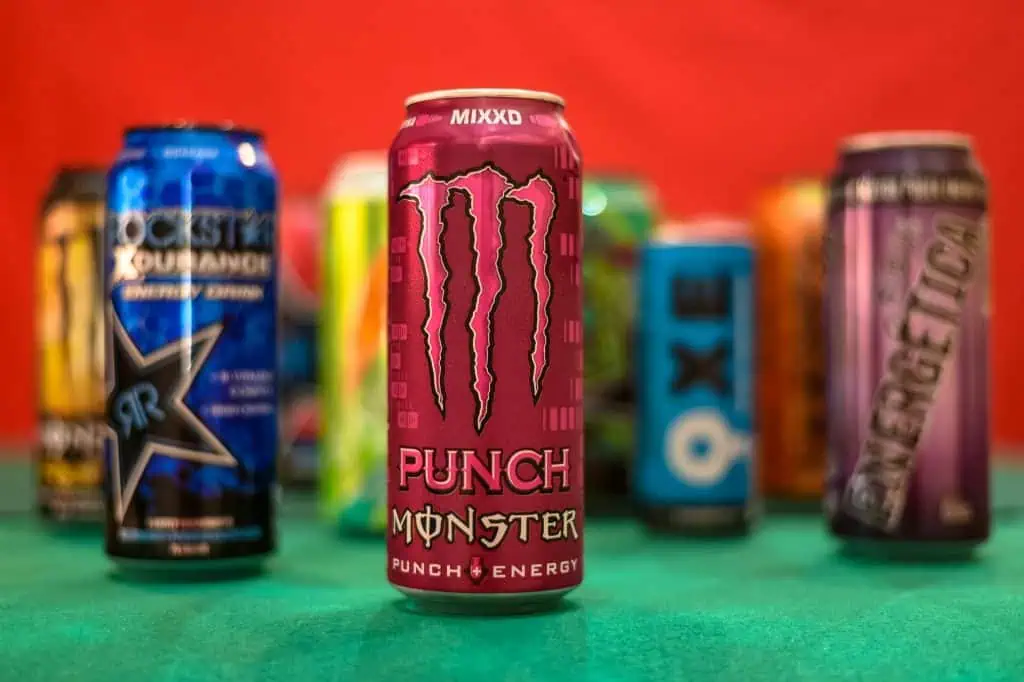
Energy drinks provide a swift jolt but often at a significant cost, both financially and nutritionally. Opt for a homemade solution by crafting an energizing beverage using natural caffeine sources like brewed tea or coffee combined with citrus juice for flavor and a touch of honey for sweetness. For added electrolytes, a pinch of salt and a splash of coconut water can be included. This alternative not only reduces expenses but also allows you to skip the excess sugars and artificial ingredients, ensuring a more balanced approach to maintaining energy levels throughout the day.
