
12 Foods That Might Be Causing Your Migraines
For many, migraines are more than just headaches; they can derail daily life. Identifying food triggers is a crucial step in managing them. While each person’s triggers can vary, certain foods are known to commonly provoke migraines due to their compounds and interactions with the body. This guide peels back the layers on some everyday items that might contribute to those unwelcome throbbing pains, offering clarity on how they impact the body and why they may be best avoided by migraine sufferers.
Caffeine: Friend or Foe?

Caffeine plays a dual role in the realm of migraines. Moderate amounts can alleviate symptoms, as caffeine constricts blood vessels, reducing pain. However, daily reliance creates dependency, and irregular intake might lead to withdrawal headaches. To maintain a balance, be mindful of your overall consumption from beverages and foods like chocolate, and consider gradual reduction to stave off migraine onset, while keeping track of personal sensitivity levels.
Aged Cheeses: Hidden Triggers

Aged cheeses, beloved for their deep flavors, can harbor tyramine, a natural compound formed during aging. Tyramine is known to affect blood pressure and potentially incite migraines. Varieties such as cheddar, blue cheese, and Parmesan are common culprits. To mitigate risk, explore fresh alternatives like mozzarella or ricotta, which contain lower tyramine levels, while maintaining awareness of portion sizes and personal thresholds to minimize impact.
Cured Meats: More Than Just Salt

Cured meats, such as salami and ham, are often rich in nitrates and nitrites. These preservatives, while enhancing flavor and shelf life, may dilate blood vessels and trigger migraines. Opting for nitrate-free products can help reduce the risk. Consider fresh, lean proteins as substitutes, balancing your diet with plenty of vegetables and grains to decrease reliance on processed options, ensuring meal variety without sacrificing taste.
Alcohol: The Unexpected Culprit

Alcohol is a well-known trigger, with wines, especially red, being frequent offenders due to tannins and sulfites. Alcohol dehydrates and alters serotonin levels, increasing susceptibility to migraines. Moderation and hydration are key; always pair drinks with water, and pay attention to your body’s cues to identify types that might provoke headaches. Exploring non-alcoholic options can provide enjoyment without discomfort, ensuring a satisfying social experience.
MSG: More Than Just a Flavor Booster
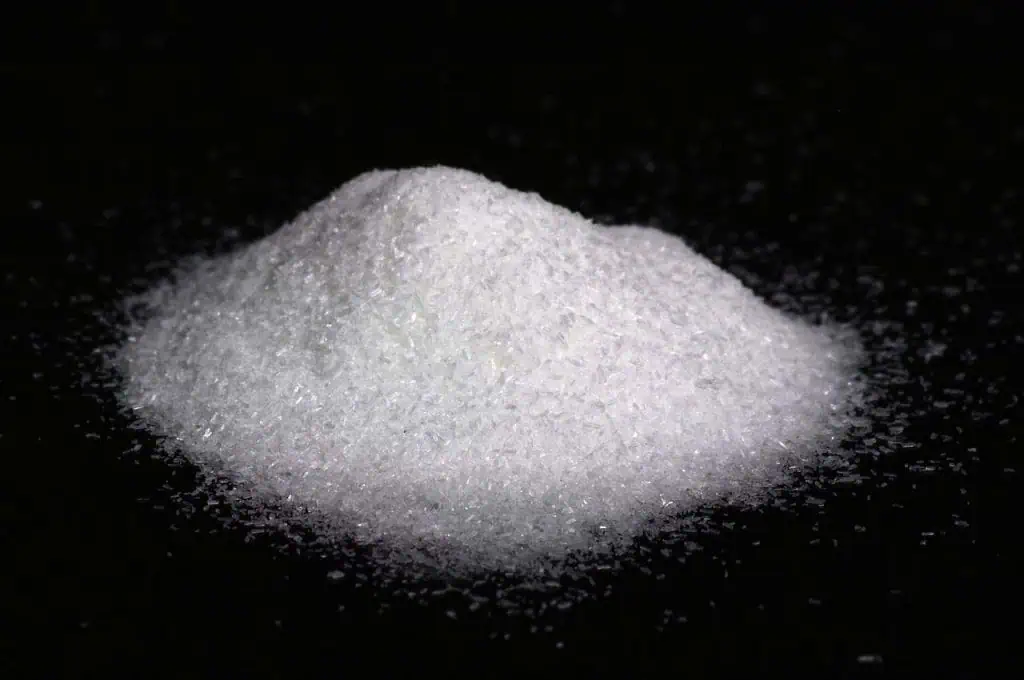
Monosodium glutamate (MSG) often elevates umami in dishes, yet it may trigger migraines in susceptible individuals. To mitigate potential headaches, opt for natural umami sources like mushrooms or Parmesan, adjusting seasoning thoughtfully. If preparing Asian cuisines, try using ginger or garlic to enhance flavors without MSG. Pay close attention to ingredient labels, as MSG can be listed under various names, ensuring informed choices that align with dietary needs.
Citrus Fruits: Sour but Sneaky

Citrus fruits, while refreshing, contain high levels of tyramine and histamines that might provoke migraines in sensitive people. Experiment with reducing orange juice in recipes or substituting lemon zest with herbs like basil for acidity without the headache risk. Grilled vegetables can benefit from a splash of vinegar as a citrus alternative. When crafting desserts, consider using berries or apples for natural sweetness and complexity without triggering discomfort.
Bananas and Avocados: Healthy or Harmful?
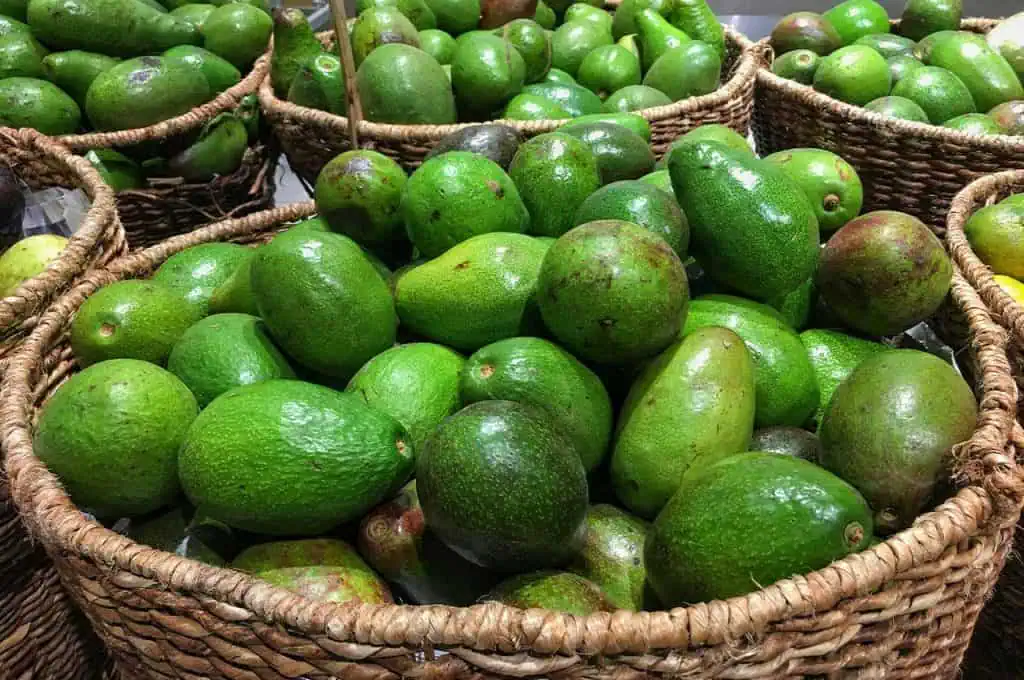
Both bananas and avocados are nutritious but also rich in tyramine, a known migraine catalyst for some. If you notice a sensitivity, explore substitutions like swapping bananas with pears or mangoes, and avocados with hummus in recipes. Use caution with ripeness; the more mature these fruits, the higher the tyramine content. Small adjustments, such as varying your smoothie ingredients or opting for nut-based spreads, can help avoid unwanted migraine episodes.
Chocolate: Sweet Temptation
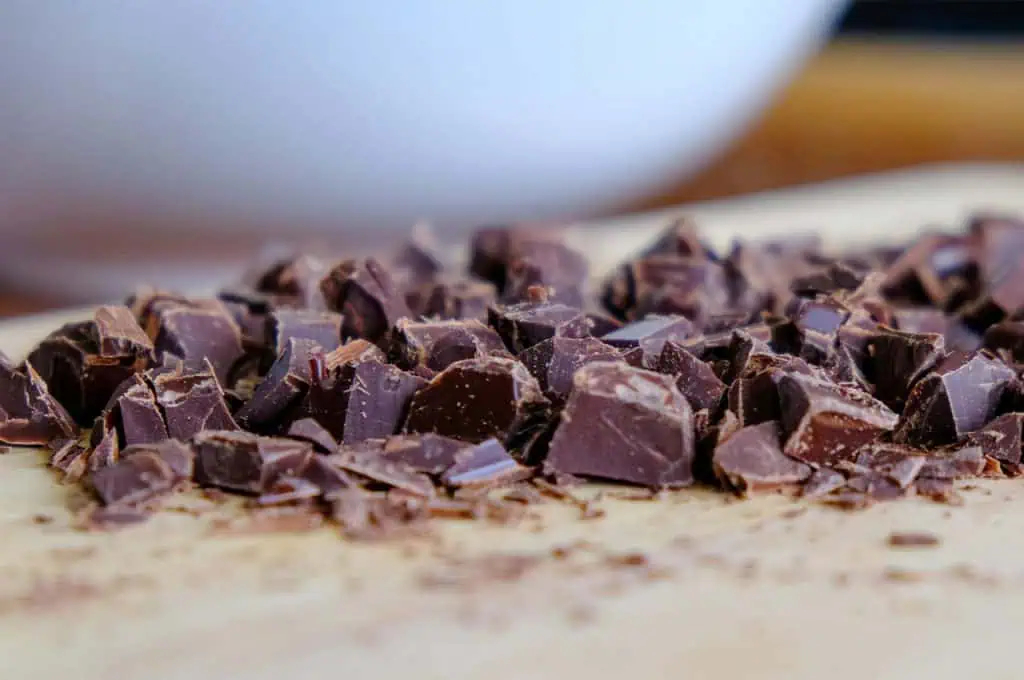
Chocolate’s allure is undeniable, but its caffeine and phenylethylamine components may fuel migraines. For a safer sweet fix, consider darker chocolate with lower sugar or try carob alternatives, which mimic chocolate’s richness without its pitfalls. When baking, experiment with cocoa powder mixed with spices like cinnamon for depth sans caffeine. Mindfully balancing indulgence with awareness helps maintain both pleasure and comfort in your culinary experiences.
Spicy Foods: Heat with Consequences

Spicy foods invigorate the palate, yet the capsaicin in chili peppers can provoke migraines in some individuals. If sensitivity arises, gradually reduce spice intensity by substituting milder varieties like paprika or cumin. Focus on building flavor through layering with herbs and aromatics, ensuring a dynamic taste profile without the burning heat. Slow-cooked dishes allow spices to mellow, providing enjoyment and complexity that prioritizes comfort.
Artificial Sweeteners: The Aspartame Dilemma

Aspartame, a popular sugar substitute found in diet sodas and low-calorie foods, can contribute to migraines for some individuals. It’s crucial to read labels carefully, as it often hides in processed foods labeled “sugar-free.” When cooking at home, consider natural alternatives like honey, maple syrup, or stevia to reduce processed sweetener intake. Understanding ingredient lists and being mindful of sweetener choices can help you avoid this potential trigger, enhancing both flavor and healthfulness in your cooking.
Nuts and Peanut Butter: Crunchy Triggers
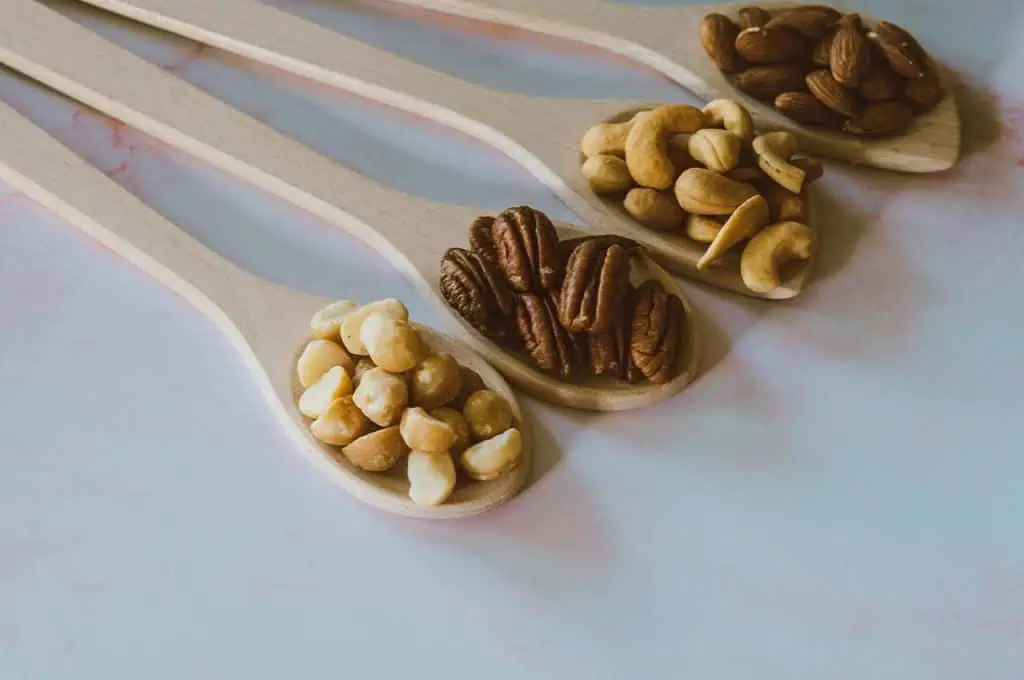
Nuts, particularly peanuts, can provoke migraines due to their high levels of tyramine. When preparing meals, opt for substitutes like seeds—sunflower, pumpkin, or chia—to recreate texture without the risk. If making peanut butter alternatives, blend roasted seeds with a bit of olive oil and a pinch of salt for a creamy, nutrient-rich spread. By swapping out nuts for these alternatives, you can create satisfying dishes while minimizing migraine risks, keeping your recipes both flavorful and health-conscious.
Dried Fruits: Sweet but Risky

Dried fruits are often preserved with sulfites, compounds that can trigger migraines. Select fresh fruits or thoroughly dried ones without additives to avoid this pitfall. When preparing dishes that call for dried fruit, consider fresh or fresh-frozen options—you can gently simmer them to achieve a similar texture. Ensuring your dried fruits are preservative-free not only enhances the natural taste but also prevents the sulfite-induced headaches, allowing you to enjoy your culinary creations without concern.
