
11 Grocery Items You’re Wasting Money On
Grocery shopping can quickly eat into your budget, especially when you’re paying for convenience or name recognition instead of real value. Many common items on store shelves are marked up heavily, even though cheaper, healthier, or longer-lasting alternatives exist. By knowing what products to avoid, you can save money without sacrificing quality or taste. Here are 11 grocery items that often waste your hard-earned cash.
Pre-Cut Fruits and Vegetables

Pre-cut fruits and vegetables may save a few minutes in the kitchen, but the convenience comes at a high price. These items are often marked up by 30–50% compared to whole produce, and they spoil faster due to exposure. Buying whole produce and chopping it yourself not only stretches your budget but also helps reduce food waste, ensuring fresher ingredients for longer.
Bottled Water

Bottled water is one of the biggest grocery money traps. While marketed as cleaner or healthier, most bottled water is no different from tap water, which can be filtered at home for pennies per gallon. Investing in a reusable water bottle and a reliable filter cuts costs dramatically while reducing plastic waste, making it better for both your wallet and the environment.
Single-Serve Snacks

Individually packaged snack packs are convenient but costly. You end up paying much more per ounce compared to buying in bulk. Not only do these single-serve packs increase your grocery bill, but they also generate unnecessary packaging waste. A smarter approach is to buy larger quantities of snacks and portion them into reusable containers or bags at home.
Name-Brand Spices

Name-brand spices often come with flashy packaging and big price tags, but in reality, store-brand spices provide nearly identical flavor and quality. Since spices are shelf-stable and used in small amounts, paying extra for a logo makes little sense. Opting for generic options can cut spice costs by half or more without compromising your cooking.
Salad Kits

Salad kits are marketed as quick and easy, but they come with a hefty markup. While they might save a little prep time, you’re often paying double for a small portion that doesn’t last long. Buying fresh lettuce, vegetables, and dressing separately lets you make bigger salads for less money, with the added bonus of choosing healthier, fresher ingredients.
Gourmet Frozen Meals

Frozen meals labeled as “gourmet” or “premium” may look tempting, but they’re rarely worth the price. These items can cost as much as a fresh meal while often falling short in taste and nutrition. Preparing a larger batch of homemade meals and freezing leftovers is far more affordable and provides better quality. You’ll enjoy healthier food and bigger savings.
Flavored Yogurts
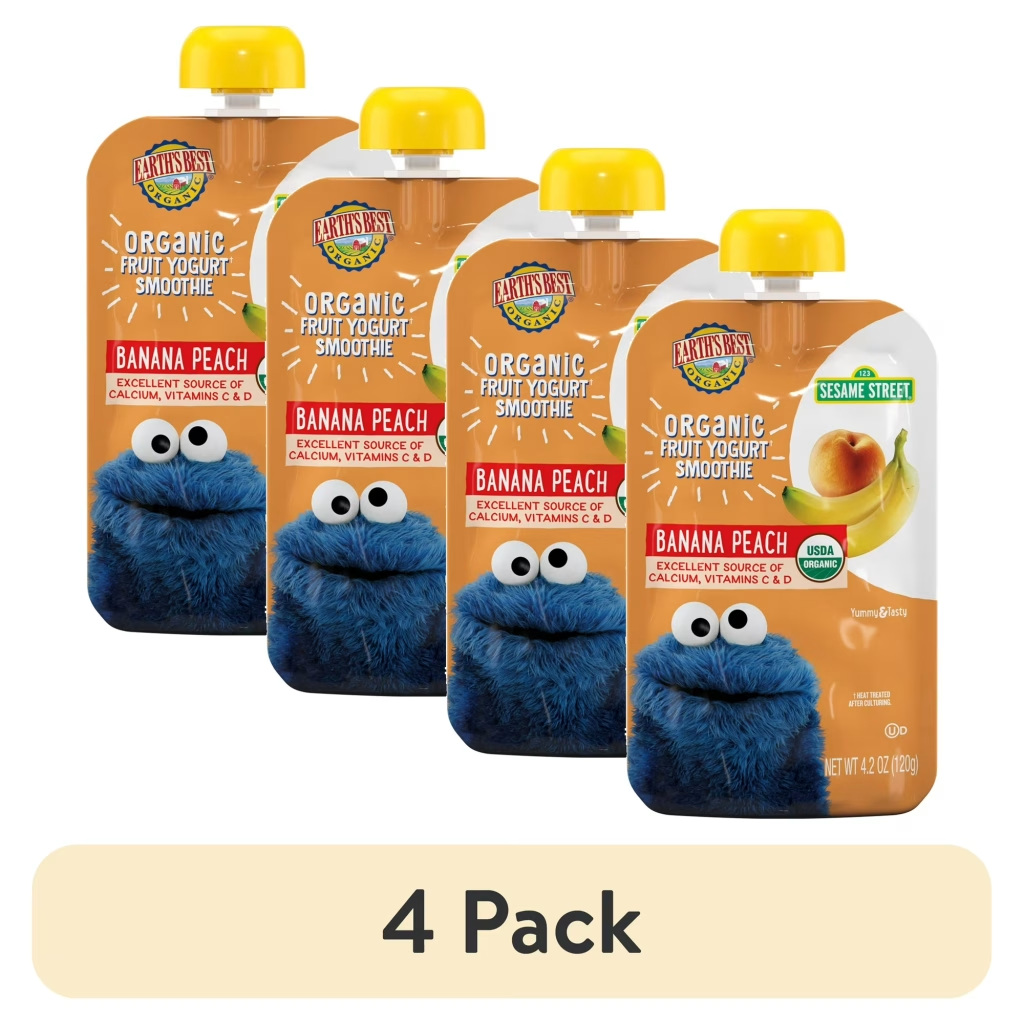
Flavored yogurts in small single-serve cups are one of the sneakiest grocery expenses. Not only do they cost more per ounce, but they’re often packed with added sugars. Buying a large tub of plain yogurt and adding your own fruit, honey, or granola provides better nutrition and saves money. It’s also a more flexible option for both snacks and meals.
Packaged Coffee Drinks
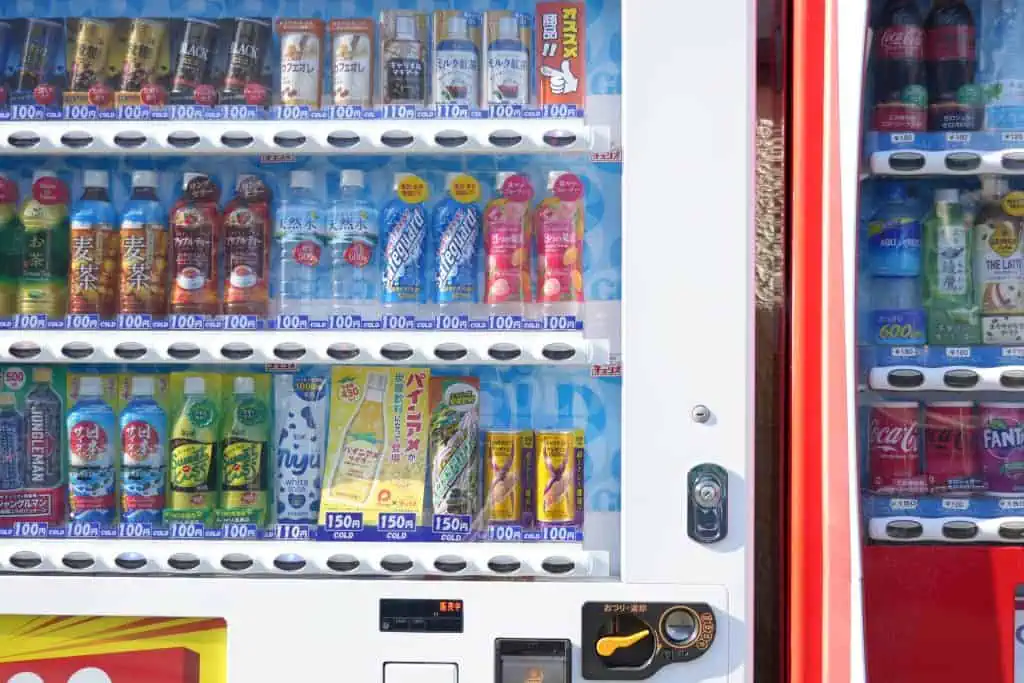
Packaged iced coffees and lattes may be convenient, but they can cost up to five times more than brewing your own at home. A simple coffee maker or French press allows you to make café-quality drinks for pennies per serving. With syrups, creamers, and milk at home, you can customize your drinks exactly how you like them, all while saving money.
Organic Packaged Snacks

Organic labels often give the impression of health, but when slapped on chips, cookies, or crackers, the price hike isn’t justified. These snacks are still processed foods and not significantly healthier. Buying whole organic produce or preparing snacks at home is a better way to get true nutritional value while spending less on grocery runs.
Ready-Made Dips

Pre-made guacamole, salsa, or hummus can be double the cost of making them at home. Many store-bought versions also use preservatives to extend shelf life, which can dull flavor. Fresh dips made from basic ingredients like avocados, tomatoes, or chickpeas are cheaper, tastier, and customizable to your preference. They’re also easy to prepare in just minutes.
Small Bottles of Olive Oil
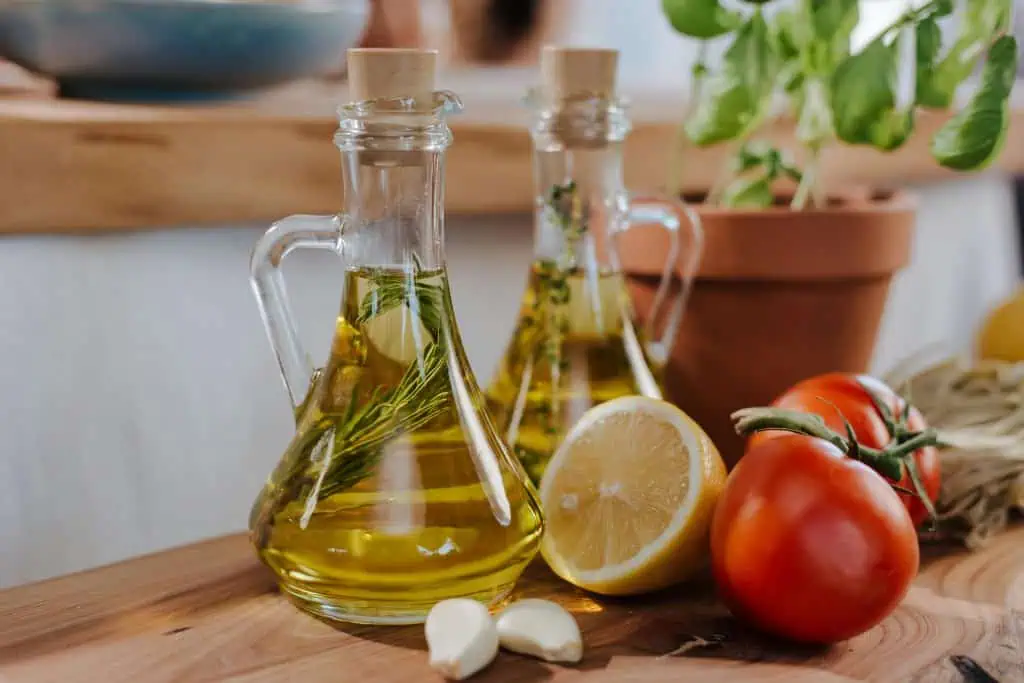
Small bottles of olive oil may seem convenient, but they come with a steep markup compared to larger bottles. Since olive oil is a staple in most kitchens, buying in bulk makes more sense and saves money in the long run. Properly stored in a cool, dark place, it maintains quality and flavor, giving you better value for your grocery dollar.
