
11 “Fresh” Foods That Aren’t as Healthy as They Seem
The word “fresh” has a way of making us feel good about what we are buying. It conjures images of farmers markets, vibrant produce, and meals that nourish the body. But marketing has learned to use that word liberally, and not everything wearing a healthy label deserves a place in your cart. Some of the biggest offenders are hiding in plain sight, disguised as wholesome choices.
A smoothie can pack more sugar than a milkshake. A pre-made salad can rival a burger for calories and sodium. Veggie chips sound virtuous until you check the ingredient list and realize they are fried and salted just like the regular kind. These eleven foods carry a reputation they have not earned, and knowing their secrets helps you make smarter swaps without giving up convenience or flavor.
Smoothies

Smoothies are often packed with fruit, but store-bought versions can contain added sugars, syrups, and high-calorie bases like ice cream or sweetened yogurt. While they seem refreshing, some can rival milkshakes in sugar content, making them less of a health boost and more of a dessert in disguise.
Granola
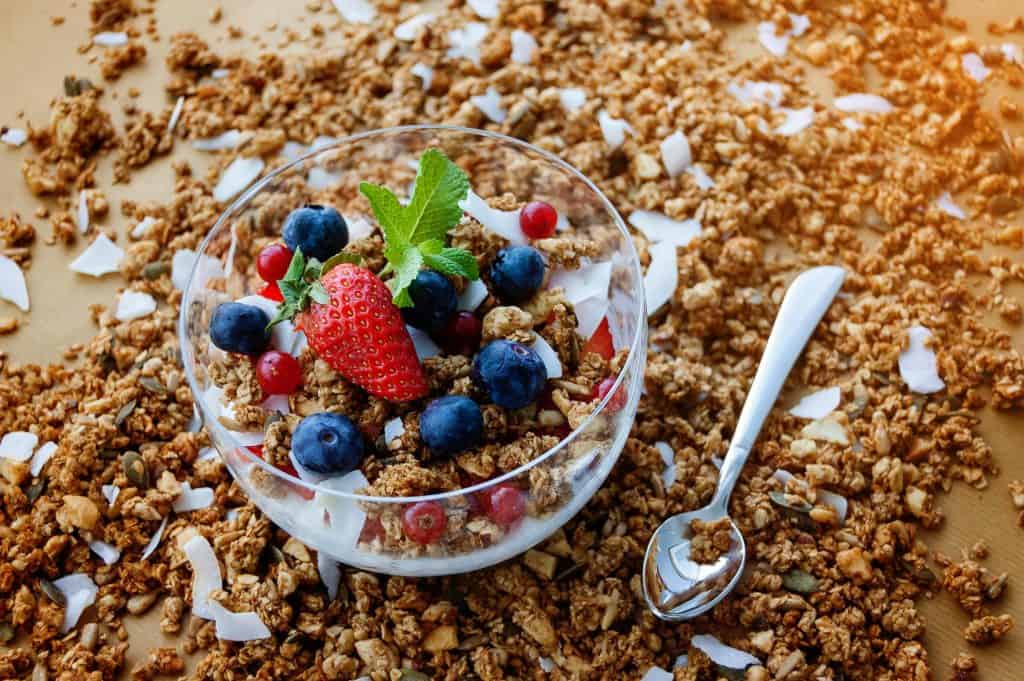
Granola is marketed as a natural energy food, but most store-bought varieties are loaded with added sugar, honey, or oils. A single serving can pack more calories than a candy bar. While oats and nuts are nutritious, the extra sweeteners make many granolas far from the wholesome breakfast they appear to be.
Pre-Made Salads

Salads sound healthy, but pre-made versions often include creamy dressings, fried toppings, or processed meats that add fat and sodium. What starts as fresh greens can quickly turn into a calorie-heavy meal. Without careful choices, these salads can be less nutritious than fast food.
Flavored Yogurt

Yogurt is known for its probiotics, but flavored versions often contain more sugar than soda. The “fruit on the bottom” style in particular adds syrups and artificial flavors. While plain yogurt is healthy, the sweetened varieties marketed as fresh snacks can be misleadingly unhealthy.
Fresh Juices

Fresh juices provide vitamins, but they strip away fiber and concentrate natural sugars into a quick spike. Drinking large amounts can lead to excess calorie intake without the fullness you’d get from whole fruit. What feels like a health drink can actually disrupt blood sugar levels.
Wraps

Wraps look healthier than sandwiches, but the large tortillas often pack more calories and sodium than two slices of bread. Add in heavy sauces or processed meats, and a wrap can become a diet trap. They may appear fresh and light, but they’re often far from it.
Veggie Chips

Veggie chips are marketed as a fresh alternative to potato chips, but most are fried and heavily salted. Their actual vegetable content is minimal, and nutritionally they resemble regular chips. While colorful and appealing, they aren’t the guilt-free snack the packaging suggests.
Deli Turkey

Fresh-sliced turkey from the deli counter seems healthy, but it’s usually processed with sodium, preservatives, and nitrates. These additives can undermine the lean protein benefits. Despite its fresh image, deli turkey is closer to processed meat than whole food.
Sushi Rolls
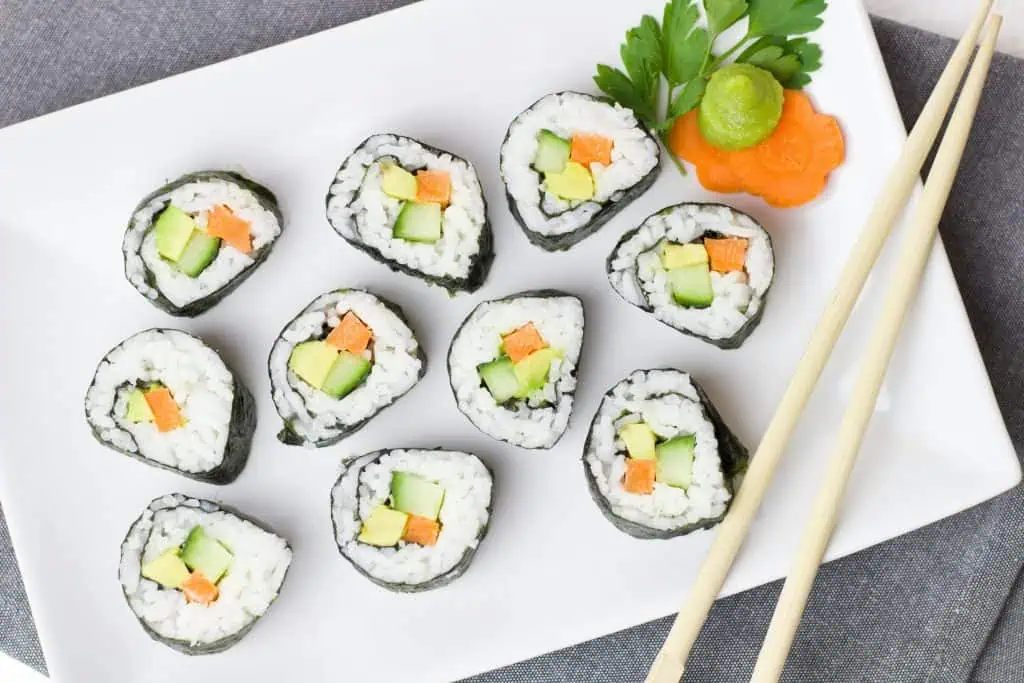
Sushi sounds light and healthy, but many rolls are packed with white rice, fried tempura, and mayonnaise-based sauces. These additions can make them high in calories and sodium. While raw fish is nutritious, the extras turn sushi into a much less healthy choice than it appears.
Acai Bowls

Acai bowls are trendy “superfood” meals topped with fruit, granola, and honey. While nutrient-rich, they often deliver a sugar overload, especially when portion sizes are large. Marketed as a fresh health food, they can actually pack as many calories as a dessert.
Store-Bought Smoothie Bowls

Similar to acai bowls, pre-packaged smoothie bowls may look fresh but often include added sweeteners, syrups, and calorie-dense toppings. The result is a sugary dish disguised as a healthy meal. While visually appealing, they don’t always deliver the balanced nutrition people expect.
