
10 Vegan Foods Beyond Fake Meat That Are Dividing the Americans
Vegan food in America is no longer defined by fake burgers and sausages. A new wave of plant-based foods focuses on vegetables, fermentation, grains, and alternative proteins that don’t try to mimic meat at all. While many people embrace these foods for health, sustainability, or curiosity, others find them confusing, unappealing, or unnecessary. The divide isn’t just about taste it’s about texture, expectation, and how far food should stray from tradition. These vegan foods spark some of the strongest reactions in U.S. kitchens right now.
Jackfruit as a Main Dish

Jackfruit divides Americans because it looks like pulled meat but doesn’t deliver protein-heavy satisfaction. Supporters love its shredded texture and ability to absorb seasoning, especially in tacos, sandwiches, and barbecue-style dishes. Critics argue it’s mostly carbohydrate and water, making it feel like a visual trick rather than a filling meal. The disagreement reflects a larger question in vegan cooking: should texture alone be enough to replace meat, or does satiety matter more?
Nut-Based Vegan Cheese

Nut-based vegan cheeses, often made from cashews or almonds, inspire strong opinions on both sides. Fans appreciate their cultured, tangy flavor and creamy texture that feels closer to artisan cheese than processed slices. Critics dislike the high price, unfamiliar taste, and lack of melt compared to dairy cheese. The divide often comes down to expectation, whether vegan cheese should perfectly imitate dairy or be judged as a different product entirely.
Tofu Scramble

Tofu scramble challenges deeply rooted breakfast habits. Supporters value its protein content, adaptability, and ability to take on spices like turmeric, garlic, and peppers. Critics focus on texture, calling it soft or oddly egg-like in an unsettling way. Breakfast foods tend to be emotionally fixed for many Americans, which makes tofu’s presence at the morning table more controversial than its use in stir-fries or dinner bowls.
Tempeh

Tempeh is one of the most polarizing vegan proteins because of its firm texture and fermented flavor. Fans praise its nutty taste, high protein, and ability to hold up to grilling or pan-frying. Others find it bitter, dry, or overly “health food–like.” The fermentation process adds depth for some and discomfort for others, showing how unfamiliar food techniques can create resistance before taste even comes into play.
Vegan Mushroom Jerky

Mushroom jerky attracts curiosity but divides people quickly. Supporters enjoy its chewy bite and umami-rich seasoning, seeing it as a savory snack rather than a meat replacement. Critics expect the dense chew and saltiness of beef jerky and feel disappointed by the softer texture. Much of the division comes from naming, whether “jerky” should describe seasoning style or be reserved exclusively for meat products.
Seaweed-Based Foods
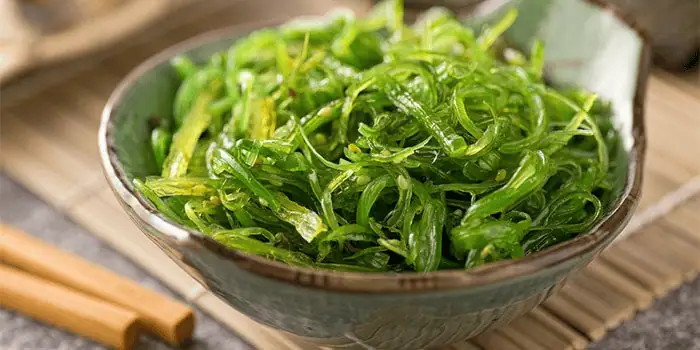
Seaweed snacks, salads, and wraps are increasingly common but remain divisive. Fans appreciate their mineral-rich flavor, sustainability, and connection to global cuisines. Detractors associate seaweed with fishiness or dislike its slippery or papery texture. For many Americans, resistance stems more from unfamiliarity than taste, highlighting how foods common elsewhere can still feel foreign and uncomfortable in U.S. diets.
Aquafaba Desserts

Aquafaba, the liquid from cooked chickpeas, sparks strong reactions when used in desserts. Bakers praise its ability to whip like egg whites, enabling vegan meringues, mousses, and marshmallows. Skeptics struggle with the idea of bean liquid in sweets, even when they can’t detect the flavor. This divide shows how ingredient perception often matters more than actual taste or performance.
Cauliflower Wings

Cauliflower wings split Americans almost evenly. Supporters enjoy them as a flavorful, vegetable-forward dish that pairs well with bold sauces. Critics argue they’re not filling and resent comparisons to chicken wings. The debate isn’t really about cauliflower, it’s about whether vegetables should imitate indulgent foods or stand on their own without borrowing names from meat dishes.
Lentil Loaf

Lentil loaf replaces meatloaf with legumes, grains, and vegetables, creating a dense, sliceable entrée. Fans value its nutrition, affordability, and comfort-food familiarity. Critics find it bland, heavy, or emotionally unsatisfying compared to traditional meatloaf. The divide highlights how strongly people associate certain dishes with identity and memory, making substitutions feel personal rather than neutral.
Vegan Kimchi

Vegan kimchi removes fish sauce and shrimp paste while keeping fermentation and spice intact. Supporters enjoy its bold flavor and accessibility for plant-based diets. Traditionalists argue it loses depth and authenticity without seafood ingredients. This debate reflects a broader tension between preserving culinary tradition and adapting foods to new dietary values, especially when cultural dishes are involved.
