
10 Things Restaurant Staff Say to Instantly Expose a Difficult Customer
Anyone who has worked in a restaurant knows difficult customers rarely arrive with a warning label. Instead, they reveal themselves through a handful of familiar lines that make servers, hosts, and bartenders brace for a long shift. This gallery breaks down the telltale phrases restaurant staff hear all the time and why they instantly signal that service may be about to get complicated.
I know the owner

Few phrases change the mood at a host stand faster than this one. Sometimes it is true, of course, but restaurant staff know it is often less about friendship and more about leverage. The implication is clear: normal rules should suddenly become flexible.
What makes it a red flag is the performance around it. The guest is not just mentioning a connection, but using it to demand a better table, a faster seating time, or special treatment other diners are not getting. Staff hear it and immediately expect negotiation, entitlement, and a very selective memory about what was actually promised.
We’re in a hurry
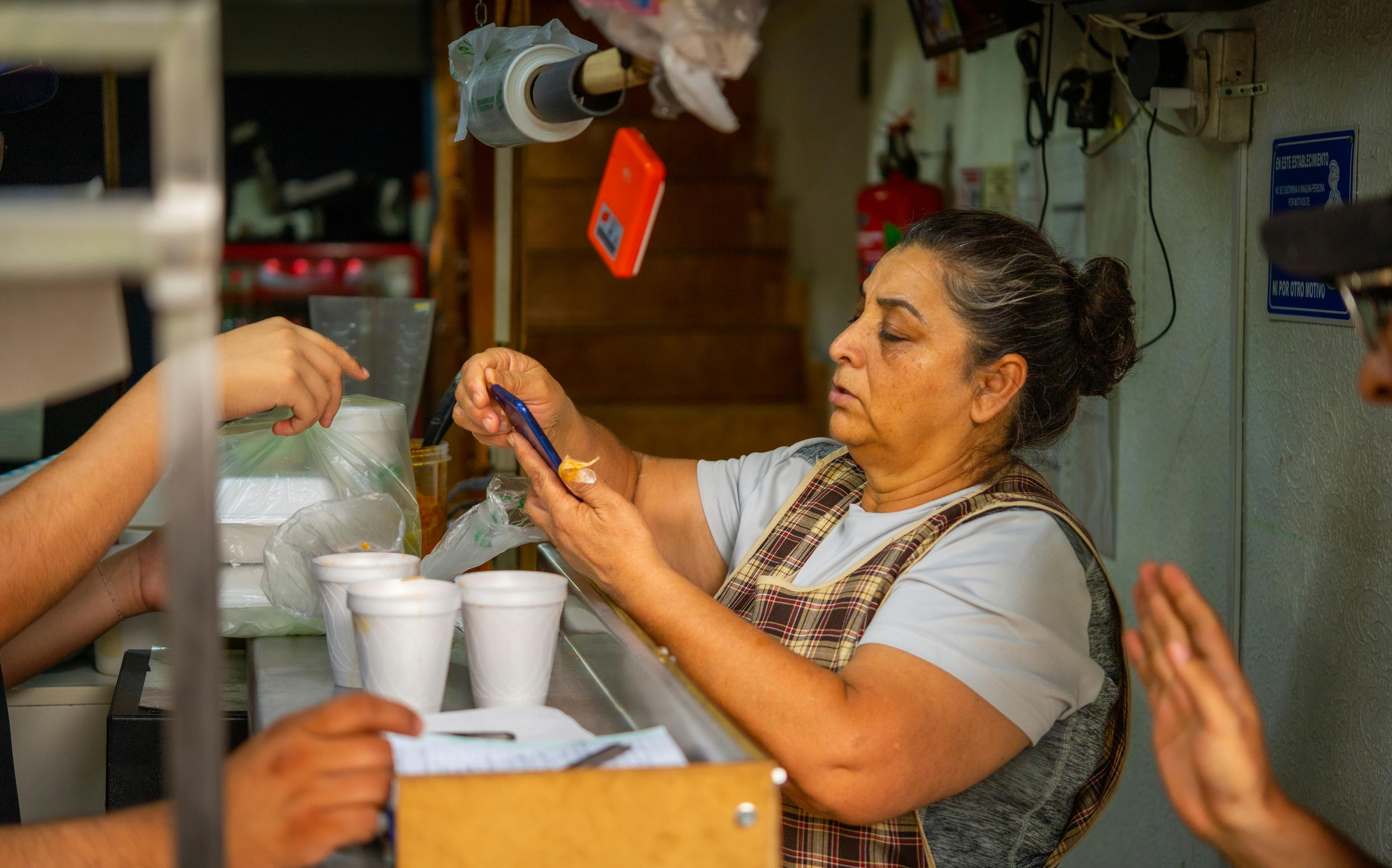
Restaurant workers understand that people have schedules. The issue is that this line often appears after a table has arrived during a rush, asked for extra modifications, or spent ten minutes deciding between entrées. Suddenly, the entire kitchen is expected to match their urgency.
To staff, it signals a guest who may blame the restaurant for time they did not build into their own plans. It also creates pressure from the start, turning a normal meal into a race. Servers know that when a table opens with this line, every small delay can become a major complaint before dessert is even mentioned.
Can you just make an exception

On its face, it sounds polite, even reasonable. But restaurant staff hear this phrase as the opening move in a much longer effort to bend policy, menu rules, pricing, or seating arrangements. It rarely ends with one small ask.
The trouble is that exceptions have a ripple effect. A server who says yes to one off-menu request may create confusion in the kitchen, delay other orders, or trigger the dreaded question from nearby tables about why they cannot get the same treatment. Staff know that guests who ask this early often view boundaries as negotiable and disappointment as someone else’s fault.
We come here all the time

Loyal regulars are gold in the restaurant business, and staff usually know exactly who they are. That is why this line can land awkwardly when the guest saying it is unfamiliar to everyone on the floor. Instead of sounding warm, it can feel like a shortcut to perks.
Restaurant workers often hear it right before a request for a discount, a prime table, a free appetizer, or forgiveness for bad behavior. Even when the claim is true, using it as a bargaining chip changes the tone. Staff tend to read it as a warning that the guest expects recognition, rewards, and possibly a little rule-bending on demand.
The other server let us do it
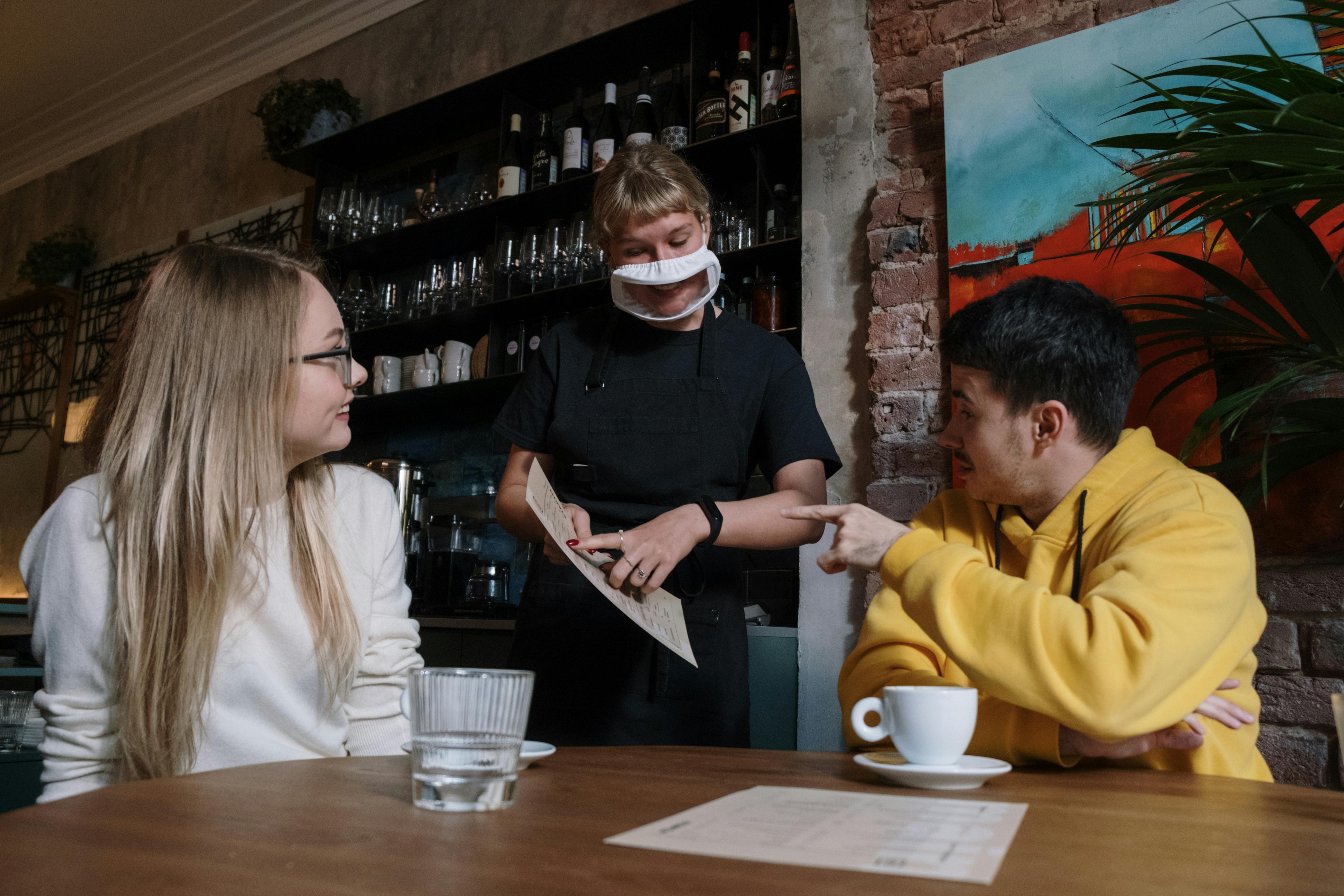
This is one of the oldest lines in hospitality, and staff can spot it instantly. Whether it is about splitting an item six ways, substituting half the plate, or bringing in outside food, the phrase tries to turn a current request into a precedent no one can verify in the moment.
For servers and managers, it creates friction because it puts them in the position of either honoring something questionable or looking inconsistent. It also hints that the guest may shop around for the answer they want. Once this line appears, staff start preparing for a conversation that is less about service and more about testing limits.
This doesn’t look like the picture
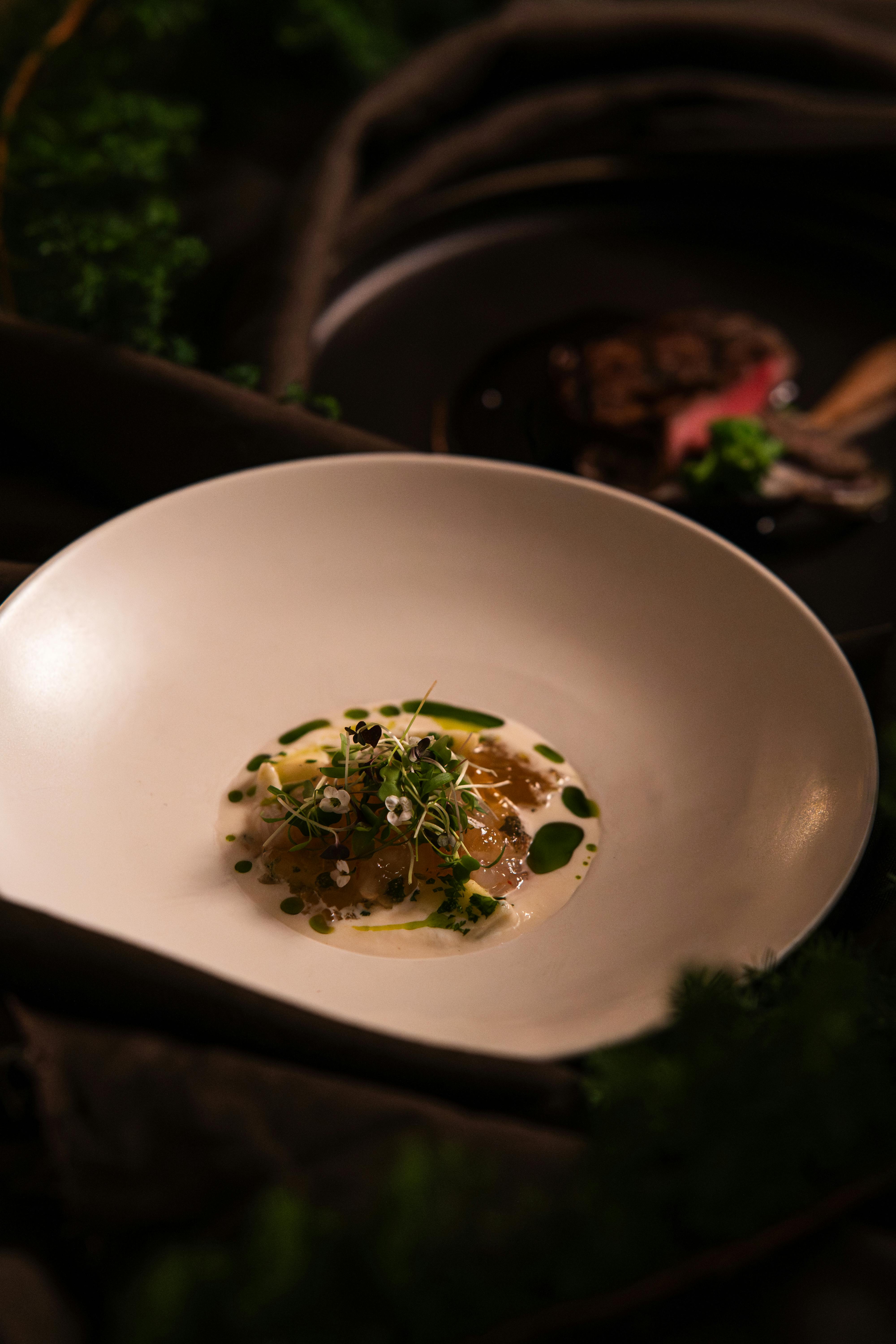
There is nothing wrong with noticing presentation, especially if a menu photo set a clear expectation. But staff know this line can quickly veer away from genuine concern and into performative disappointment. It is often less about the dish and more about setting up a complaint.
Restaurant employees hear it and brace for the possibility that every detail will now be scrutinized. The garnish is different, the portion feels smaller, the color is off, the plate is too hot or not hot enough. Even when the food is exactly as described, this phrase can signal a guest looking for validation, replacement, or compensation before taking a real bite.
I’m very easygoing
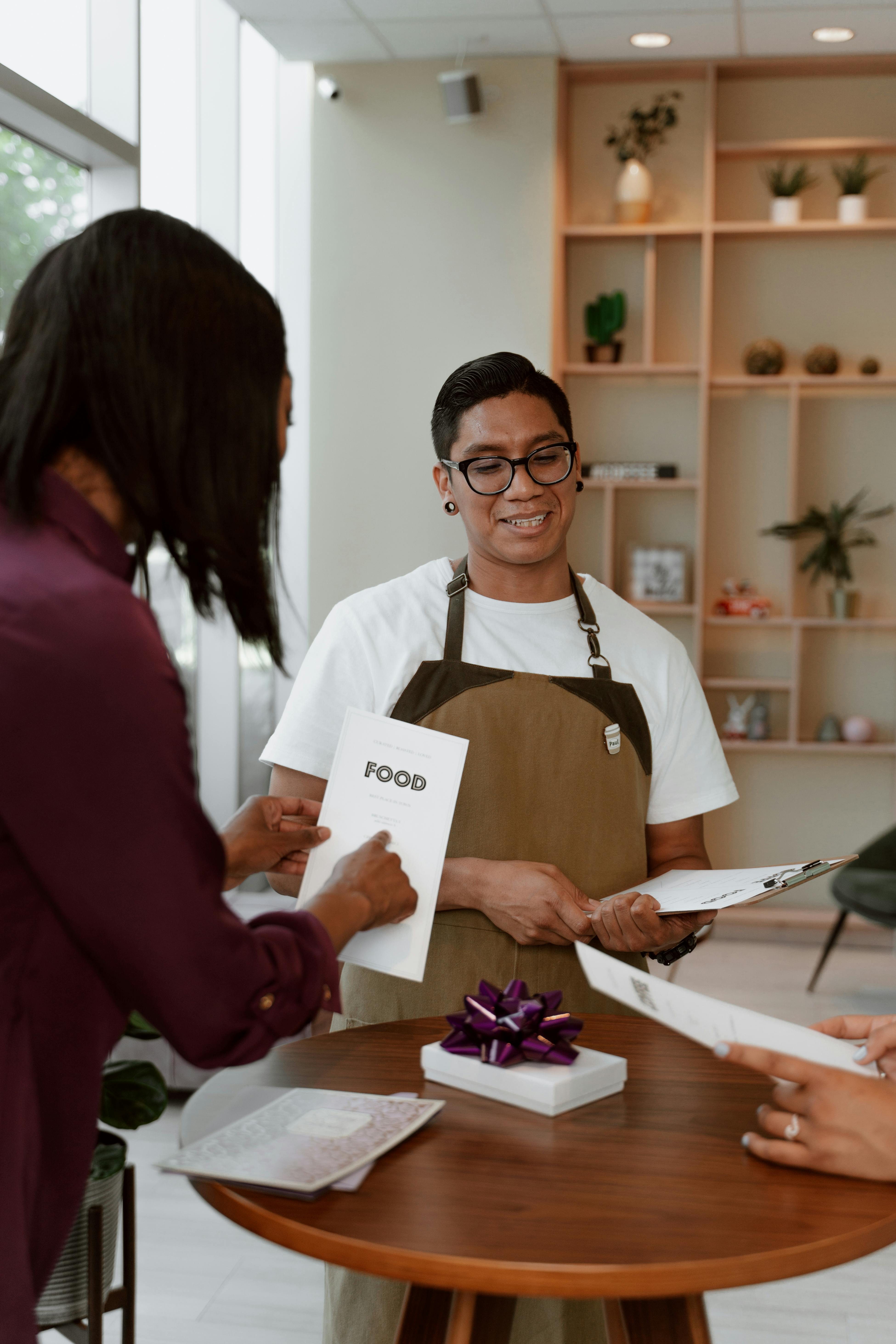
In restaurant culture, this line often means the exact opposite. Staff hear it as a verbal wink that says a long list of preferences is about to follow, each delivered with the expectation that everyone should be grateful it is being framed so pleasantly.
The phrase stands out because truly easygoing diners rarely announce it. They adapt, ask kindly, and move on. Guests who lead with this usually want credit for being low-maintenance while preparing to send something back, rewrite a dish, or monopolize a server’s time. By the time the sentence is finished, experienced staff are already anticipating a surprisingly high-maintenance table.
We’re celebrating, so what can you do for us
Restaurants love celebrations. Birthdays, anniversaries, promotions, and reunions bring energy to the dining room and often create memorable nights. The red flag appears when the occasion is presented less as happy context and more as a setup for freebies, upgrades, or rule exemptions.
Staff hear this and immediately calculate expectations. Is the table hoping for a candle, or angling for complimentary dessert, extra pours, or a better seat than the reservation allows? The problem is not the celebration itself, but the transactional framing. What could be a warm moment starts to feel like a negotiation, and service can get tense before the appetizers arrive.
I used to work in restaurants

Sometimes this creates instant camaraderie. Industry people often tip well, order efficiently, and understand how the room works. But staff also know the line can be used as a preface to unusually harsh criticism, as if past experience grants permission to grade every move in real time.
What makes it revealing is the tone that follows. Instead of empathy, the statement can become a tool for authority: they know how things should be done, why service is too slow, and what the server should have anticipated. Employees hear it and wonder whether they are about to meet a kindred spirit or someone preparing to cross-examine the entire meal.
We’re going to need separate checks

There is nothing inherently difficult about splitting a bill, especially when it is mentioned early and handled clearly. The phrase becomes a giveaway when it arrives at the very end from a large group that has been trading appetizers, sharing bottles, swapping seats, and adding rounds without keeping track.
Restaurant staff know this can turn one payment into a 20-minute puzzle during a rush. The real issue is not the request but the timing and chaos around it. When a table saves this announcement until the final minute, employees often take it as a sign that the same lack of planning has probably shaped the whole dining experience.
