
10 Popular Foods That Are Illegal to Eat in the U.S.
Certain foods popular abroad are illegal in the U.S. due to safety concerns or cultural norms. Understanding these restrictions not only satisfies curiosity but also highlights global culinary diversity. From Scottish delicacies to Italian curiosities, these foods offer rich textures and flavors, often rooted in tradition, but remain restricted here for various reasons.
The Banned Delicacy: Haggis
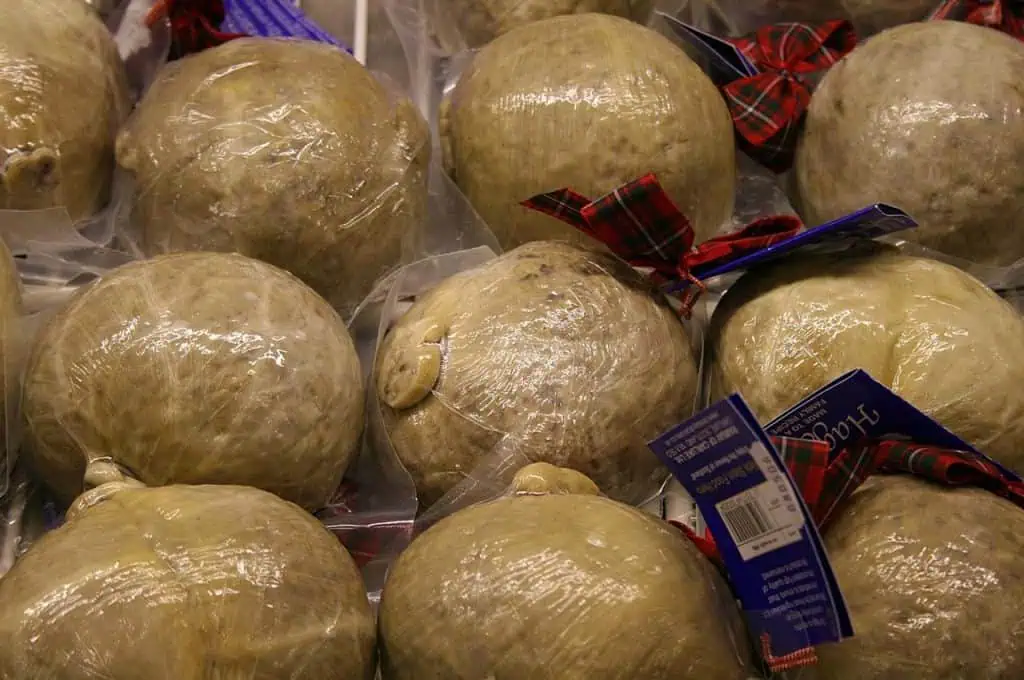
Haggis, the iconic Scottish dish, is banned due to its use of sheep lungs, prohibited by the USDA. This savory pudding involves mixing minced heart, liver, and lungs with onions, oatmeal, and spices. It’s encased in the animal’s stomach and traditionally served with neeps and tatties. Despite its hearty flavor and cultural significance, U.S. regulations prioritize safety concerns, restricting its availability.
Surprise! Kinder Eggs Ban
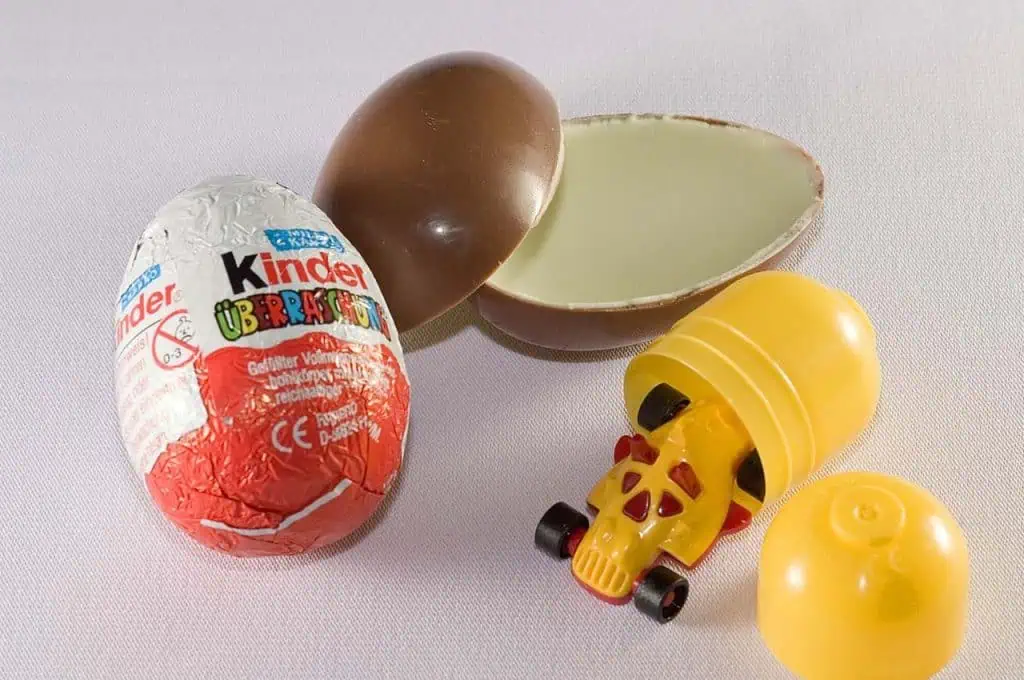
Kinder Surprise Eggs, beloved around the world, face a U.S. ban due to potential choking hazards. The issue lies within the toy encased in the chocolate shell, violating U.S. regulations against embedding non-nutritive objects in food. Though the ban addresses safety, it also limits an experience where delicate chocolate reveals a playful surprise, highlighting a blend of enjoyment and risk not allowed domestically.
Casu Marzu: Too Extreme for the U.S.

Casu Marzu, a traditional Sardinian cheese, is banned primarily because it contains live insect larvae. This sheep milk cheese undergoes a unique fermentation process that softens its texture and enhances its strong, tangy flavor. The maggots aid in the breakdown, but their presence and potential health risks lead to its prohibition in the U.S., reflecting concerns over unconventional preparation methods.
No Horse Meat on the Menu
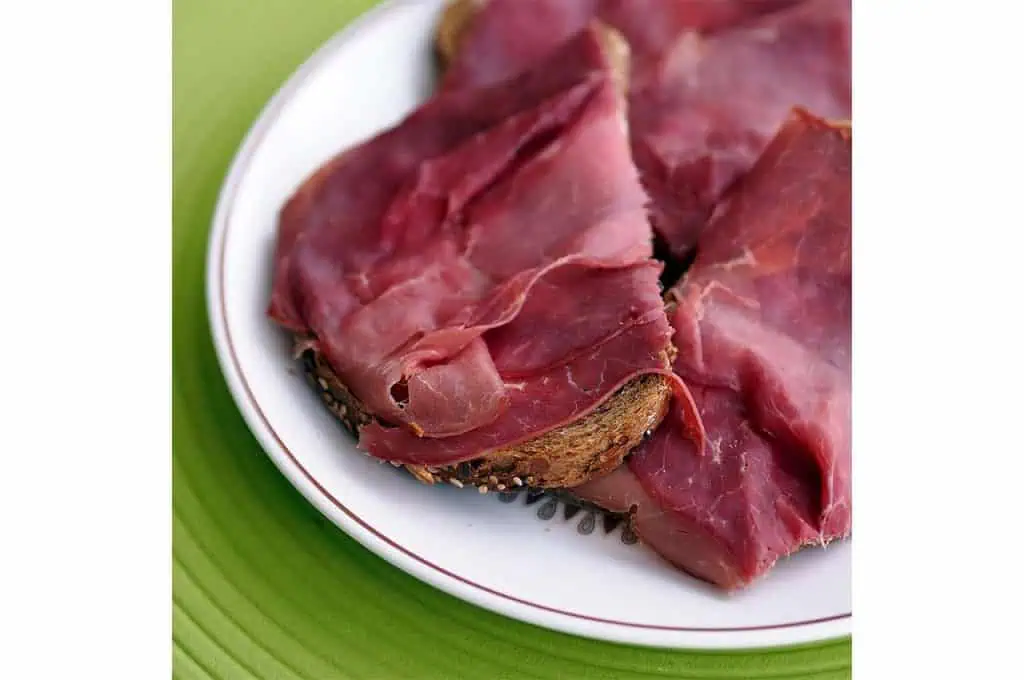
The sale of horse meat is prohibited in the U.S., despite being enjoyed elsewhere. Cultural perspectives and animal welfare concerns drive this restriction. Historically, horse meat is tender and lean, often compared to beef in taste. However, federal funding bans inspections, effectively blocking its commercialization. This ban highlights a cultural boundary, where ethical considerations outweigh culinary exploration.
Fugu: The Deadly Japanese Fish
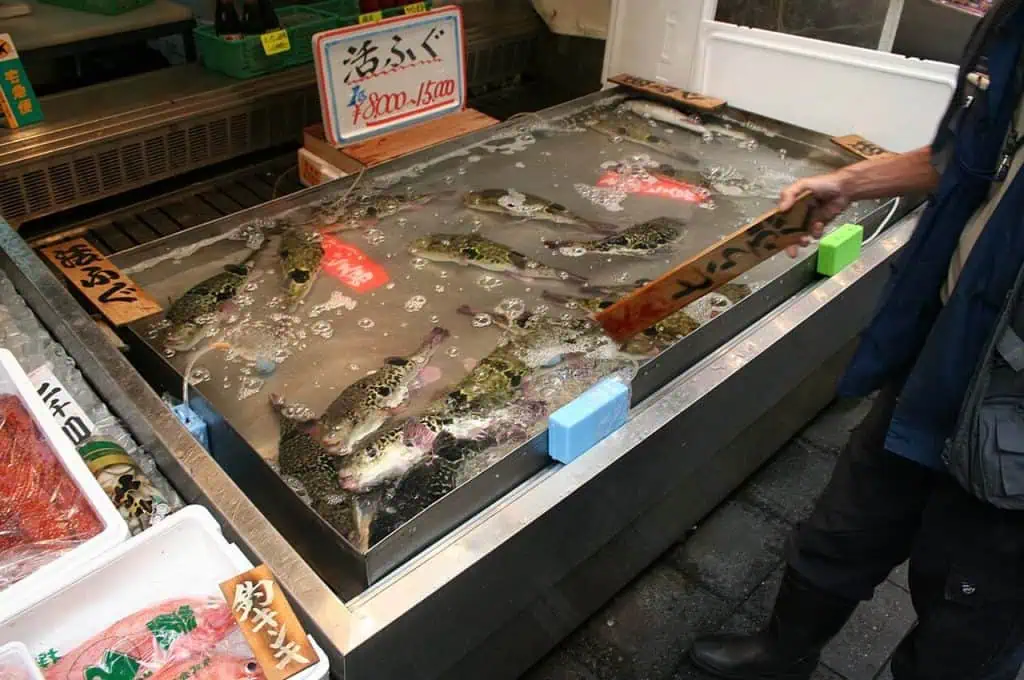
Fugu, a Japanese delicacy prepared from pufferfish, is notorious for its potential lethality due to tetrodotoxin. Only chefs with specialized training are permitted to prepare this dish to ensure safety, highlighting the meticulous skill required in Japanese culinary arts. The flesh is prized for its delicate texture and subtle flavor, which is often enhanced by serving it as sashimi. In the U.S., the sale of fugu is highly regulated, and it is illegal in many states due to the inherent risks involved.
Foie Gras: A Controversial Luxury

Foie gras, made from the liver of a duck or goose, often raised for its rich, buttery flavor and creamy texture, faces bans in parts of the U.S. due to ethical concerns regarding force-feeding. This technique, known as gavage, is central to achieving the dish’s luxurious texture. While some argue for traditional methods, modern advocates seek sustainable alternatives. In areas where it’s restricted, chefs need to creatively replicate its unique qualities using plant-based or ethical substitutions.
Ortolan Bunting: Forbidden Songbird

The ortolan bunting, a small European bird, was traditionally consumed whole, often under a napkin to capture its aromatic flavors. Once a gourmet secret, eating ortolan is now prohibited due to its endangered status and ethical concerns over its preparation methods. Those interested in traditional French cuisine might explore alternative rustic dishes, which mirror its complex taste profiles without harming threatened wildlife, keeping sustainability and preservation in mind.
Beluga Caviar: Conservation First
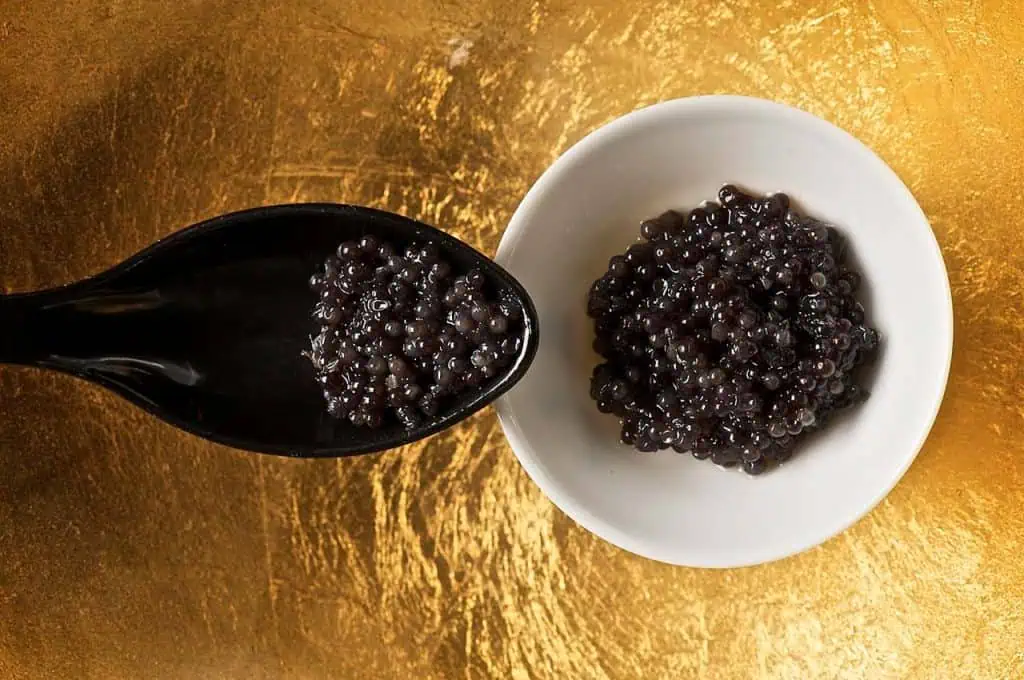
Derived from the beluga sturgeon of the Caspian and Black Seas, beluga caviar was once the epitome of luxury, cherished for its large, buttery, and delicate pearls. However, due to overfishing and the sturgeon’s dwindling population, its import to the U.S. is banned to support conservation efforts. As an alternative, chefs can explore sustainable caviar varieties such as those from American sturgeon, which offer similar opulence with a commitment to ecological balance.
Queen Conch: Protected Sea Snail

Queen conch, native to the Caribbean, is celebrated for its firm, sweet meat used in dishes like fritters and ceviche. Overharvesting, however, has led to its legal protection in U.S. waters. This restriction encourages awareness about sustainable practices in seafood sourcing. Alternatives such as farm-raised seafood or similar-textured shellfish can be used to achieve comparable results in recipes, underscoring the importance of responsible culinary practices.
Unpasteurized Milk Cheese Concerns

Unpasteurized cheese, known for deep flavors and creamy textures, is often hotly debated due to safety regulations. In the U.S., cheese made from unpasteurized milk must be aged over 60 days to be legally sold, minimizing the risk of harmful bacteria like Listeria and Salmonella. However, enthusiasts argue that the unique character of young raw-milk cheeses can’t be matched. To explore similar flavors legally, seek out varieties aged to meet safety standards, or visit regions with different laws to sample these traditional gems while remaining mindful of local regulations. Choose reputable sources, as quality control is paramount for enjoying these specialties without compromising health.
