
10 Popular Foods That Are Illegal to Eat in the U.S. Right Now
In the world of culinary delights, some foods have faced prohibitions due to safety concerns, conservation efforts, or cultural reasons. These dishes, though tantalizing, are illegal to consume in the U.S. Understanding these restrictions offers insight into both culinary art and regulatory frameworks, providing food enthusiasts with a deeper appreciation of what they can and cannot endeavor to experience.
Dangerous Delicacy: Fugu (Pufferfish)
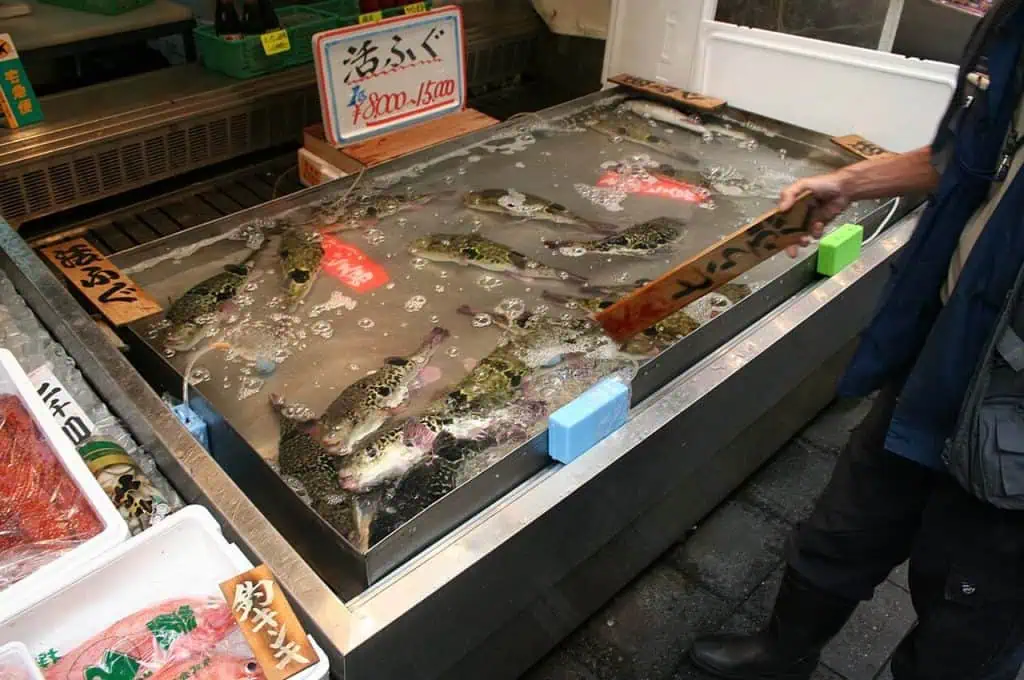
Fugu, a highly prized Japanese pufferfish, is renowned for its delicate flavor yet fraught with danger due to its toxic tetraodotoxin. In Japan, chefs undergo rigorous training and certification to prepare it safely. However, in the U.S., the sale and consumption of non-imported fugu are heavily restricted to protect public health. Despite its allure, the meticulous preparation required makes it a risk too great in American kitchens.
The Forbidden Scottish Haggis
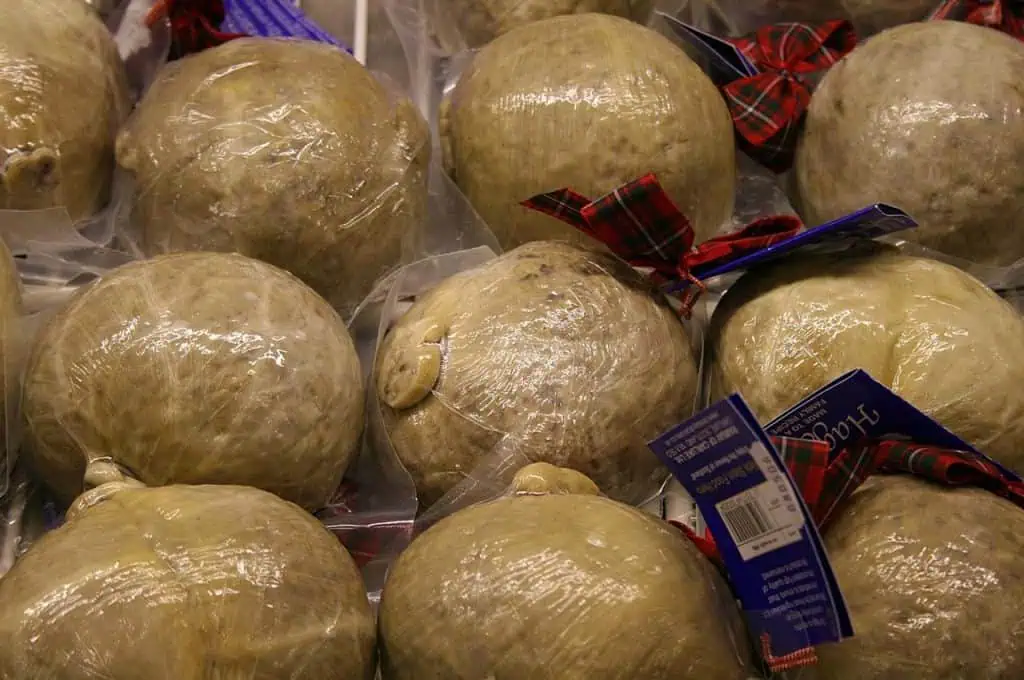
Scottish haggis, a traditional dish made with sheep’s lung, has been banned from import in the U.S. since 1971. The prohibition stems from food safety concerns regarding lung meat, driven by FDA regulations. While American adaptations of haggis exist, they often substitute lungs with other meats or grains, transforming this hearty staple of Scottish heritage into a safer, albeit altered version.
Beluga Caviar: A Banned Luxury
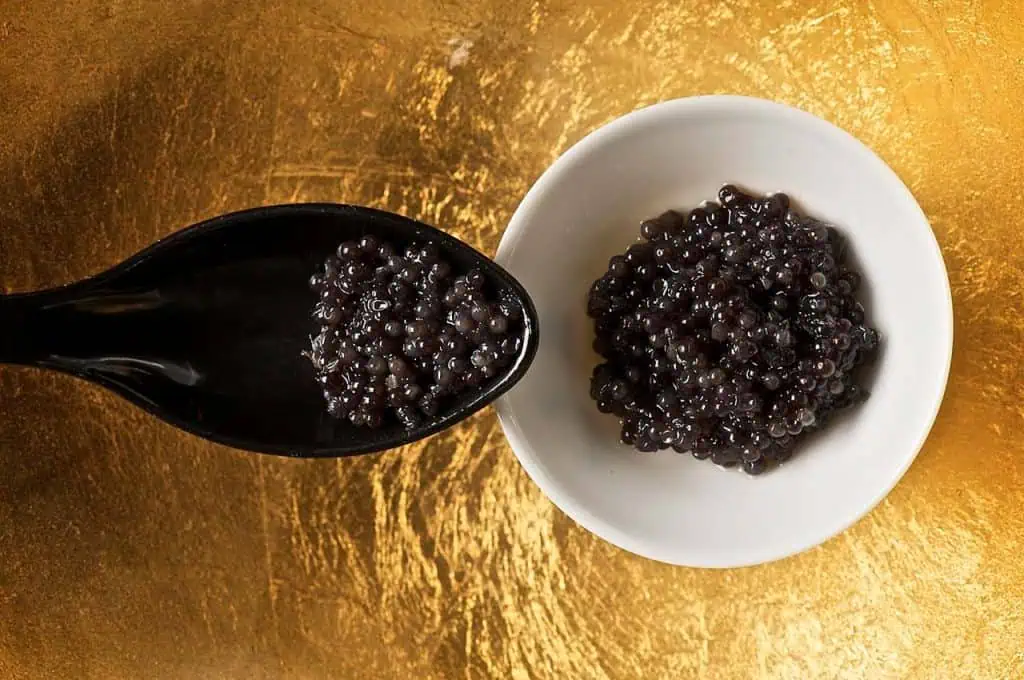
Beluga caviar, derived from the endangered beluga sturgeon, offers a rich, buttery texture and is prized worldwide. However, its trade is banned in the U.S. due to conservation efforts under the Endangered Species Act. The depletion of beluga populations has led to strict protection measures, prompting consumers to explore alternative caviar sources that still deliver luxury without compromising conservation.
Why Horse Meat is Off-limits
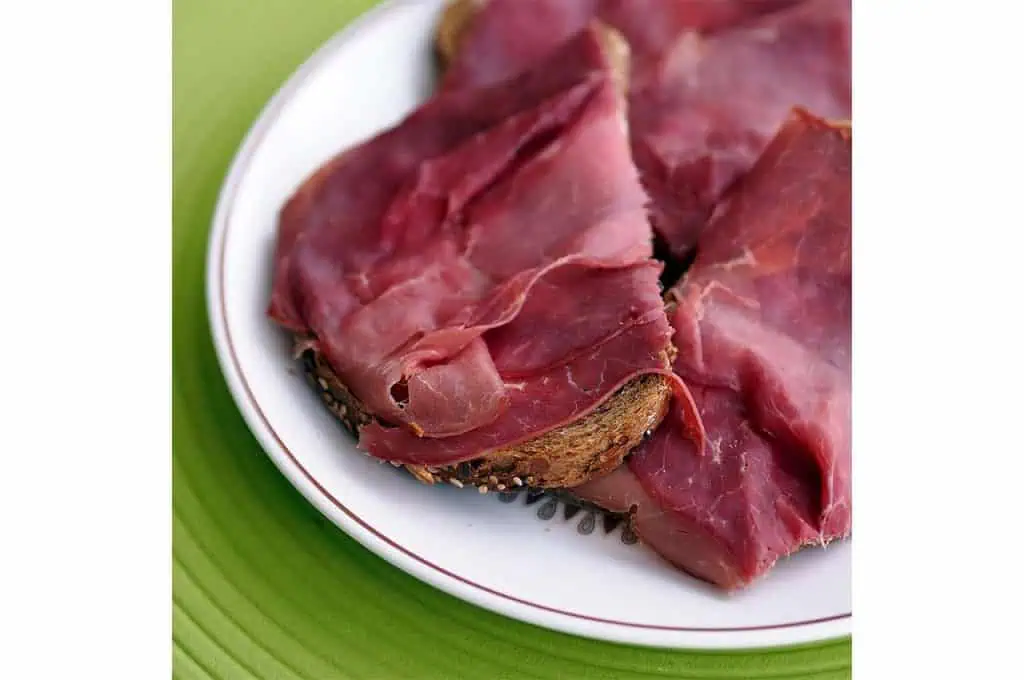
Horse meat, while consumed in various cultures, is illegal in many parts of the U.S. owing to historical sentiment and legislative bans. The cultural taboo against eating horses, rooted in their role as companions and workers, drives this restriction. Though technically legal in some states, processing plants face numerous regulatory and ethical barriers, making horse meat a rare and controversial choice on American tables.
Casu Marzu: The Maggot Cheese

Casu Marzu, a Sardinian culinary curiosity, is notorious for its use of live larvae in the fermentation process. While highly sought after for its intense flavors and creamy texture, the presence of these insects renders it illegal in the U.S. Health concerns center around sanitation and the risk of maggots surviving ingestion. For aficionados seeking a similar flavor profile legally, Pecorino Sardo offers a tangy, sheep’s milk cheese experience without the controversy. Its dense texture and rich taste make it a versatile option for cheese boards or as a grating cheese over pasta.
Kinder Surprise Eggs: Not Just a Toy
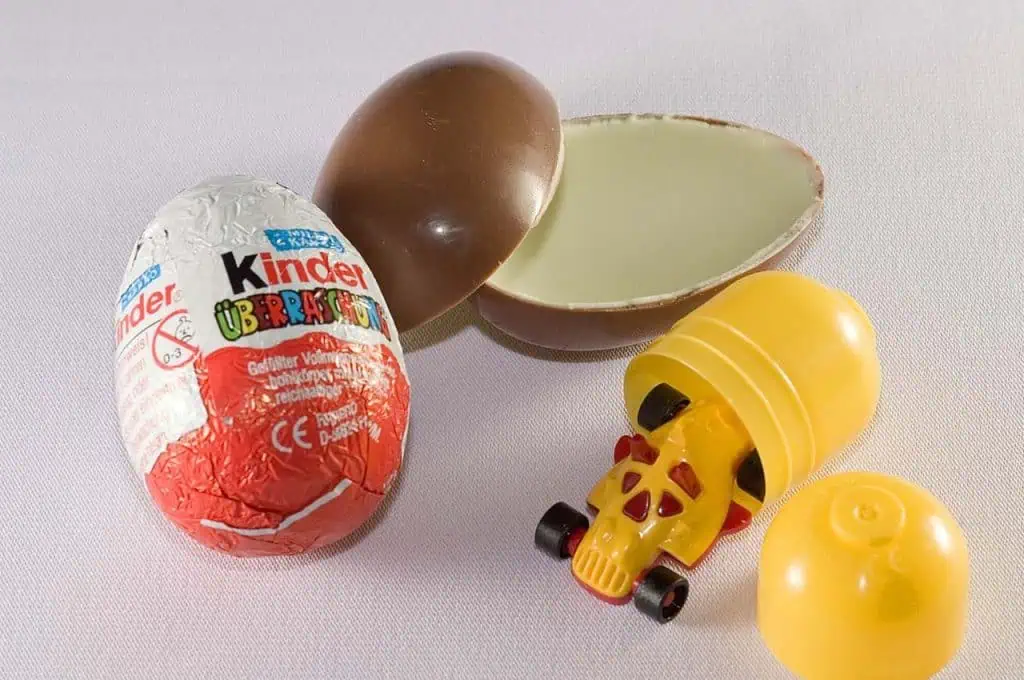
Despite their global popularity, Kinder Surprise Eggs are banned in the U.S. due to the potential hazard posed by their hidden plastic toys. The FDA mandates against food products containing non-nutritive objects, citing choking risks for children. Stateside, chocolatiers have embraced alternatives like Kinder Joy, which separates the toy and chocolate. These snacks deliver the same milky, cocoa-rich flavor in a split-format package, allowing families to enjoy an equally playful yet compliant treat experience without compromising safety regulations.
Ortolan Bunting: The Tiny Forbidden Bird
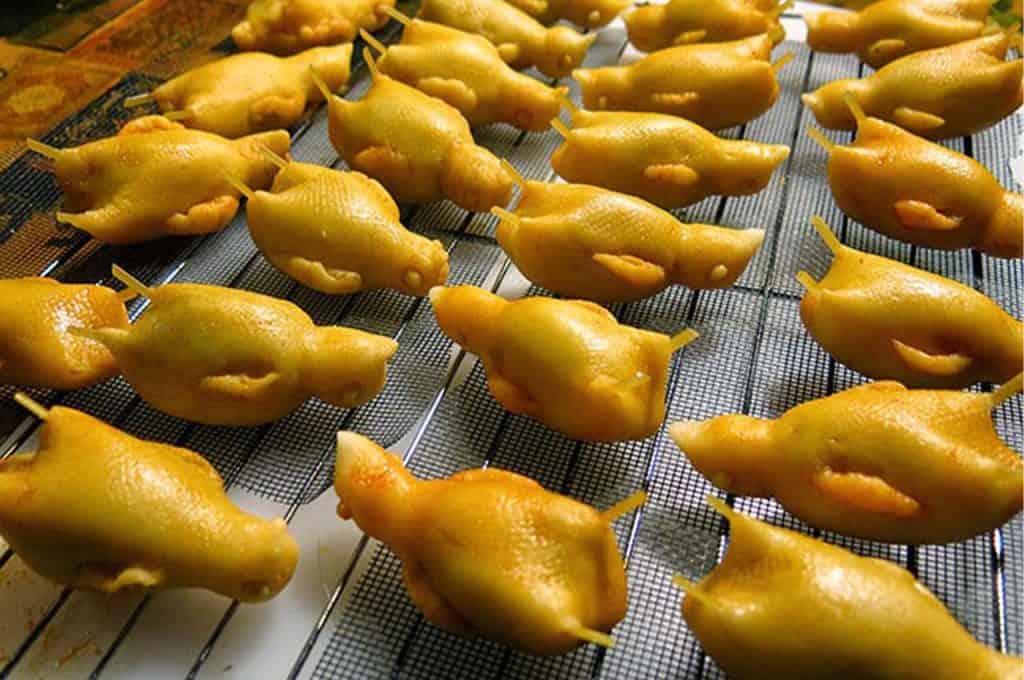
The ortolan bunting, a small songbird savored for its delicate flavor, is off-limits in the U.S. and many other countries due to strict conservation laws aimed at protecting its dwindling population. This gastronomic delicacy was traditionally consumed whole and is renowned for its layered, gamey taste. To replicate the unique dining experience, consider quail, which offers a comparable flavor and texture when roasted with sweet spices or served with a fruity glaze. This substitution respects both ethical considerations and legal standards.
Ackee Fruit: Wait Till It Ripens

Ackee, native to West Africa, carries a risk of toxicity if consumed unripe, leading to its restricted availability in the U.S. Due to its high levels of hypoglycin, only properly ripened ackee is deemed safe, requiring stringent import and preparation controls. When ripe, its creamy texture and subtle, nutty flavor make it a beloved ingredient in Jamaican cuisine, particularly in ackee and saltfish. Cooks should ensure the pods open naturally on the tree to guarantee the highest safety and flavor profile, capturing the essence of this tropical delight.
Tonka Beans: Aromatic but Banned

Tonka beans captivate with their complex fragrance, reminiscent of vanilla, cinnamon, and almonds, yet they are banned in U.S. food products due to coumarin content, which poses health risks in large quantities. Despite the prohibition, their unique aroma is legal for use in perfumery and candles. Culinary creators seeking similar depth can substitute vanilla beans or a blend of almond extract and cinnamon. These adjustments preserve the alluring scent profile, providing a similarly enchanting olfactory experience for dishes like desserts and pastries.
The Controversy of Shark Fin

Shark fin soup, cherished in some cultures for its luxurious texture, faces a complex ban in the U.S. due to sustainability and conservation concerns. The finning process involves removing fins from sharks and discarding the rest at sea, threatening vulnerable species. Due to these practices, multiple states have enacted laws prohibiting the sale, trade, and possession of shark fins. Such measures aim to preserve marine ecosystems and encourage alternative practices in culinary traditions. By moving away from shark fin consumption, chefs are prompted to explore new textures and flavors that honor tradition while respecting ecological balance.
