
10 once-normal school lunch items from the 50s that would spark a lockdown now
School lunches in the 1950s looked dramatically different from what students see today, shaped by looser safety standards, simpler nutrition guidelines, and a cultural mindset that prioritized practicality over caution. Many foods considered perfectly normal at the time would raise alarms now not because they were intentionally dangerous, but because modern schools operate within far stricter rules around allergens, sanitation, and food handling. These once-routine menu items illustrate just how much expectations for student health, safety, and dietary oversight have transformed over the decades.
Homemade Milkshakes Brought From Home

In the 1950s, students often packed homemade milkshakes in glass jars, and teachers never questioned their safety. Today, bringing dairy that sits unrefrigerated for hours would violate multiple food-safety rules. Between spoilage concerns, banned containers, and the risk of bacterial growth, a homemade milkshake in a lunchbox would likely trigger calls to administrators rather than nostalgic smiles.
Peanut Butter Sandwiches Served to the Whole Class
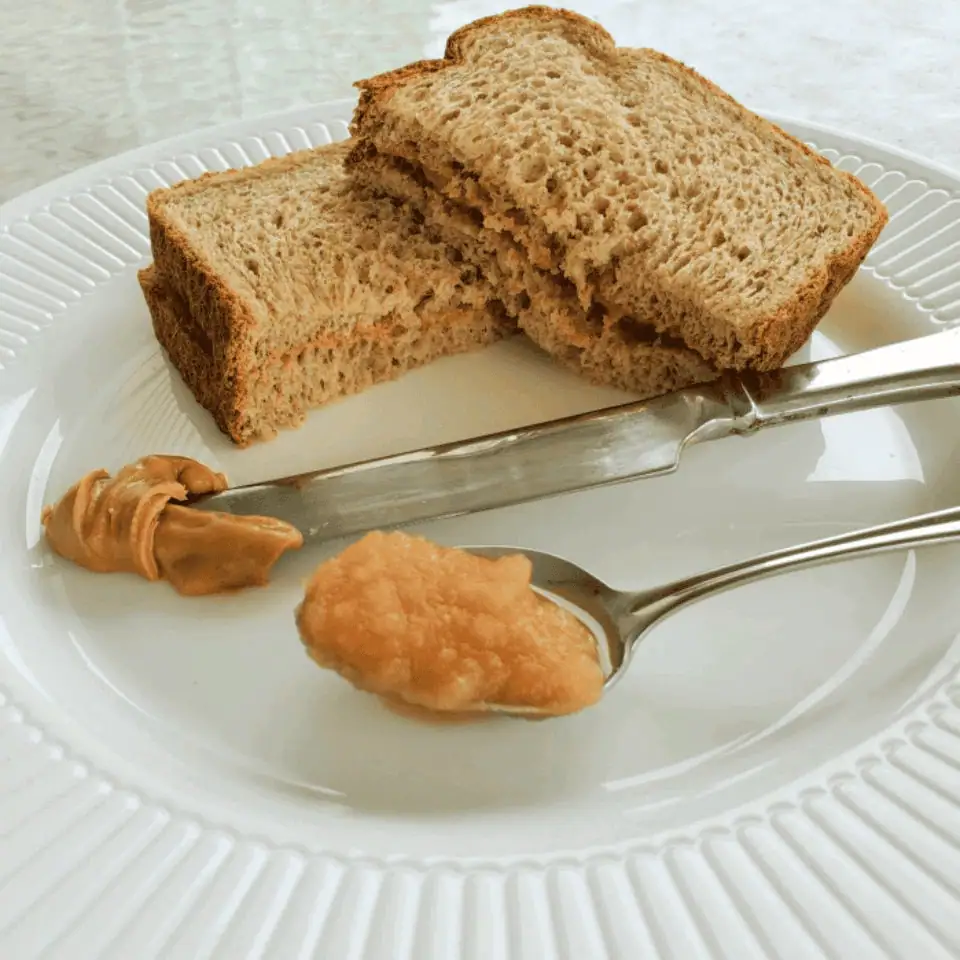
Peanut butter was once considered a cheap, protein-rich staple served without hesitation. Today, widespread peanut allergies mean a single sandwich can shut down an entire cafeteria. Schools now label peanut-free zones, restrict ingredients, and impose strict protocols, making the idea of teachers handing out peanut-butter sandwiches to every student virtually unthinkable.
Raw Milk Cartons From Local Farms

Many schools served raw, unpasteurized milk supplied directly from nearby farms, believing it was fresher and more wholesome. Modern food-safety laws ban raw milk in most school settings due to the risk of pathogens. Serving it now would violate health codes instantly and likely prompt a full-scale investigation into contamination risks.
Mystery-Meat Casseroles Made From Leftovers

Casseroles assembled from leftover meats and vegetables were common, with recipes varying depending on what the cafeteria had on hand. Today’s strict oversight requires precise ingredient lists, allergen documentation, and temperature tracking. A dish with undefined ingredients and no labeling would cause immediate concern, if not an outright shutdown of food service.
Bologna Sandwiches Stored at Room Temperature

Children frequently carried bologna sandwiches that sat in unrefrigerated metal lunchboxes all morning. Modern guidelines classify deli meat as highly perishable, requiring cold storage. Schools now warn parents against exactly this scenario, and staff would intervene if a child attempted to eat unrefrigerated cured meat after hours in a warm classroom.
Canned Fish Spread on Crackers

Cafeterias sometimes served canned salmon or sardine spreads as affordable protein options. Today, strong odors, allergen concerns, and food-handling rules would make such a snack a logistical nightmare. A tray of fish spread in a modern lunchroom would likely trigger odor complaints, allergy protocols, and a rapid visit from cafeteria supervisors.
Open Bowls of Hard-Boiled Eggs

Large bowls of pre-peeled eggs left out on cafeteria counters were considered perfectly normal protein offerings. Now, unrefrigerated eggs fall into the highest-risk category for foodborne illness. Schools are required to maintain strict temperature control, so an open bowl of eggs would shut down service instantly and require an immediate food-safety review.
Liver and Onions as a Standard Entrée

Liver and onions once appeared frequently as an economical lunch option, but its strong aroma and organ-meat profile would spark chaos in today’s cafeterias. Modern school menus avoid polarizing foods, and strict nutrition guidelines rarely include organ meats. Serving it today would prompt complaints, refusals to eat, and likely administrative intervention.
Gelatin Salads Filled With Mayonnaise

Jell-O salads packed with mayo, cottage cheese, and canned fruit were seen as nutritious and modern in the ’50s. Today’s students would be baffled, and health inspectors would question ingredients sitting at room temperature. The combination of dairy, gelatin, and questionable storage practices would make this retro dish an instant red flag on school grounds.
Glass Bottle Sodas Sold Near the Lunch Line

Many schools allowed vending carts to sell glass-bottle sodas alongside lunch, a practice unthinkable today. Between sugar regulations, banned beverages, and strict rules about glass on campus, the idea of kids buying bottled soda at school seems almost surreal. What was once harmless fun would now violate multiple school policies at once.
