
10 Iconic Dishes Invented by Accident—And How They Became Famous
Culinary history is peppered with serendipitous creations that have transformed the way we eat. Some of the world’s most beloved dishes owe their existence to accidents, where chance and curiosity met with delightful results. These unintentional inventions showcase the creativity and adaptability inherent in cooking, and understanding their origins can inspire home cooks to embrace experimentation and trust the process. Each dish carries with it a story that links modern palates to forgotten kitchens, creating a tapestry that celebrates both innovation and tradition.
The Surprising Invention of Potato Chips
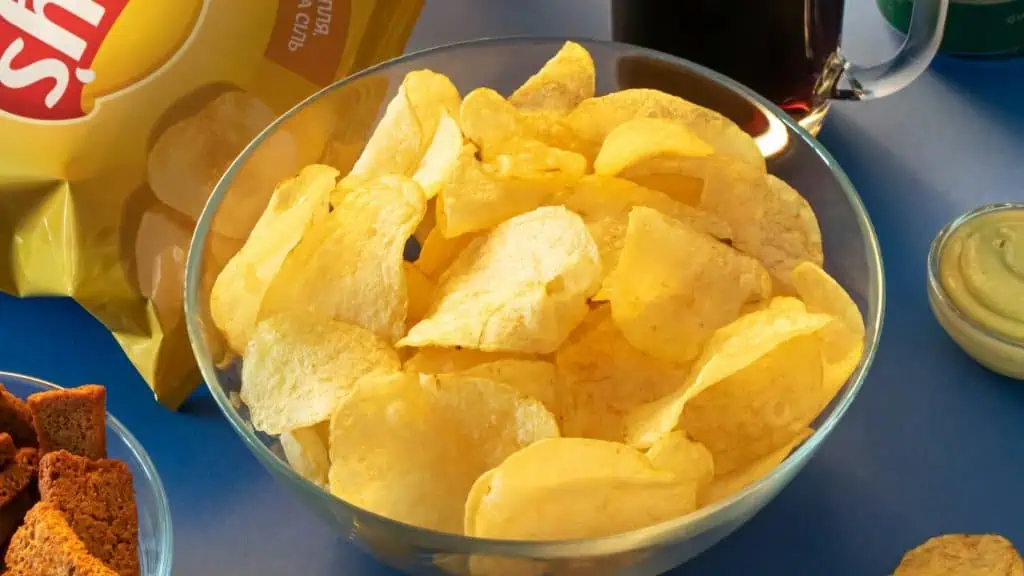
The potato chip, now a staple snack, originated in 1853 when Chef George Crum faced a picky customer dissatisfied with his fried potatoes. Out of frustration, Crum sliced the potatoes incredibly thin, fried them until crispy, and added a generous sprinkle of salt. Surprisingly, this unintended dish was a hit. To replicate the perfect chip at home, select firm potatoes like russets for their starch content. A mandoline offers consistent slicing, ensuring even cooking. Fry in small batches to maintain oil temperature, and a final touch of sea salt elevates the flavor.
Champagne’s Bubbly Misstep

Champagne owes its effervescence to an unforeseen fermentation process. Initially, French winemakers sought still wine, but the region’s cool climate caused a dormant winter fermentation to restart in the spring, trapping carbon dioxide. This “flaw” evolved into a celebrated feature. To enjoy the full essence of champagne, serve it chilled but not too cold, ideally around 45°F (7°C). Use flute glasses to focus the aromas. For those interested in wine-making, secondary fermentation in bottles remains a classic technique, underscoring the ingenuity born from this historical mishap.
Tarte Tatin: The Upside-Down Delight

Legend has it that this iconic French dessert came to be when Stéphanie Tatin accidentally overcooked apples and attempted a quick save by covering them with pastry and baking anew. The result was caramelized perfection. To craft this dish, choose firm, tart apples such as Granny Smiths, which hold their shape well. Cook with butter and sugar until golden brown, creating a rich caramel sauce. Gently lay a buttery puff pastry over the top, tucking edges snugly. Bake until golden and invert carefully for a visually stunning, delectable outcome.
The Accidental Origin of Popsicles

In 1905, Frank Epperson, an 11-year-old, left a mixture of soda powder and water on his porch with a stirring stick overnight, leading to an icy delight by morning. Today, making popsicles at home encourages creativity with flavors and ingredients. Use silicone molds for easy release, and experiment with fruit purées, yogurt, or even herbal infusions for variety. For a smooth texture, blend finely and pour carefully, tapping the mold to remove air bubbles. Freezing tips include spacing popsicles to allow airflow, ensuring they set evenly and retain their refreshing charm.
Nachos and the Last-Minute Snack
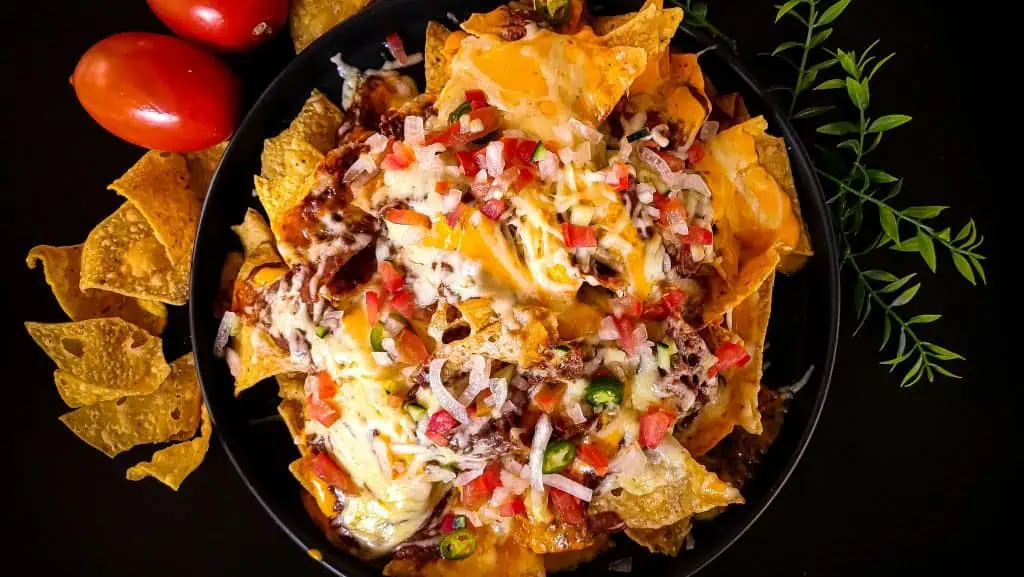
Nachos originated from a spontaneous need for a quick bite. Their allure lies in the mix of crisp textures and melted cheese. To replicate this delightful snack, opt for high-quality tortilla chips and a blend of cheeses like cheddar and Monterey Jack for optimal meltability. Layer evenly, ensuring each chip receives a generous share of cheese to avoid dryness. Top with jalapeños for heat, then broil briefly, watching closely to prevent burning. Serve with fresh salsa and sour cream to enhance the crunchy, savory mouthfuls.
Worcestershire Sauce’s Unexpected Journey

Worcestershire sauce, a serendipitous concoction, contributes depth to numerous recipes. The key is its complex blend of tamarind, anchovies, and vinegar, which produces a savory, umami-rich flavor. When using, add it sparingly to dishes like stews or marinades to enhance flavors without overpowering. A dash in a Caesar dressing or a splash in a Bloody Mary can elevate the overall taste profile. Store in a cool, dark place to preserve its nuanced character and ensure a bold, tangy addition to your culinary repertoire.
How the Sandwich Became a Staple

The sandwich evolved from a need for convenience, combining portability with nourishment. Achieving the perfect sandwich involves balancing textures and flavors. Begin with fresh, quality bread, lightly toasted for crispness. Layer with a protein such as roasted turkey or grilled vegetables, ensuring even coverage. Add contrasting elements like crisp lettuce or pickled onions to enhance flavor complexity. Spread condiments evenly to prevent sogginess and unite ingredients harmoniously. Each bite should offer a well-rounded taste experience, anchored by thoughtful ingredient choices.
Chocolate Chip Cookies: Sweet Serendipity

Chocolate chip cookies resulted from an accidental ingredient substitution. Their appeal lies in the contrast between chewy centers and crispy edges. Use a mix of brown and white sugar for a deep caramel flavor and a soft texture. Select semi-sweet chocolate chips to achieve a balance of sweetness and richness. Chill the dough before baking to prevent spreading and enhance flavor development. Bake until edges are golden, but centers remain slightly soft to ensure a satisfying, tender bite after cooling.
The Birth of Caesar Salad by Mistake

Caesar salad was born from limited pantry selections, now celebrated for its robust flavor. Achieving authenticity requires Romaine lettuce, crisp and fresh. Elevate the dressing with egg, lemon, anchovy, and Parmesan—blended for a creamy yet sharp sensation. Toss with garlic-infused croutons, ensuring they remain crunchy. A touch of fresh black pepper rounds out flavors, while a final sprinkle of Parmesan accentuates its savory notes. Serve promptly to maintain the integrity of the ingredients and the delightful interplay between crisp and creamy.
Corn Flakes: A Breakfast Revolution

Corn flakes emerged from a fortunate mishap involving boiled wheat at the Kellogg Sanitarium. When left out and forgotten, the mix dried into flakes. Dr. John Harvey Kellogg, seeking nutritious meals for patients, roasted and served them the next day. This serendipitous recipe evolved, eventually using corn instead of wheat, resulting in the iconic breakfast cereal. The key to their crisp texture is the precise balance of moisture and a slow, even toasting in the oven. Such methods translate well when crafting homemade granola, offering crunchy results and allowing creative flexibility with nuts and dried fruits.
