
10 Global Restaurants Americans Are Flying Across Continents to Eat At
For a growing number of American travelers, food is no longer a side activity of travel but the main purpose. Social media exposure, chef-driven reputations, and limited reservation access have turned certain global restaurants into pilgrimage destinations. These places offer more than meals; they promise cultural immersion, once-in-a-lifetime flavors, and brag-worthy experiences. Americans are increasingly willing to cross oceans for a table, reshaping how dining fits into global travel decisions.
Noma (Copenhagen, Denmark)

Noma draws American diners by redefining fine dining through local ingredients and seasonal storytelling. Its reputation for innovation and boundary-pushing techniques makes it feel essential to experience firsthand. For many Americans, dining at Noma represents participation in modern culinary history rather than simple indulgence. The restaurant’s influence extends far beyond its menu, shaping how people think about sustainability, creativity, and the emotional power of food.
Osteria Francescana (Modena, Italy)

Osteria Francescana attracts Americans seeking an intellectual take on Italian cuisine. By reinterpreting classic dishes with modern techniques, it offers familiarity paired with surprise. Diners travel not just for taste, but to experience how tradition can be deconstructed and rebuilt. The restaurant’s global acclaim turned Modena into a destination, showing how one dining room can elevate an entire region’s tourism appeal.
El Celler de Can Roca (Girona, Spain)

El Celler de Can Roca appeals to American travelers who value emotion and memory as much as flavor. Its tasting menus often reference childhood, family, and regional identity. Americans are drawn to the balance of technical precision and warmth, which contrasts with more formal fine-dining experiences. The restaurant feels personal despite its scale, making the journey feel intimate and meaningful.
Sukiyabashi Jiro (Tokyo, Japan)

Sukiyabashi Jiro became legendary among American diners for its extreme dedication to sushi perfection. The experience emphasizes discipline, repetition, and respect for craft rather than comfort. Many Americans travel to Tokyo specifically to witness this approach firsthand. The restaurant’s reputation reinforces the idea that mastery, not variety, can justify a global pilgrimage.
Gaggan Anand (Bangkok, Thailand)
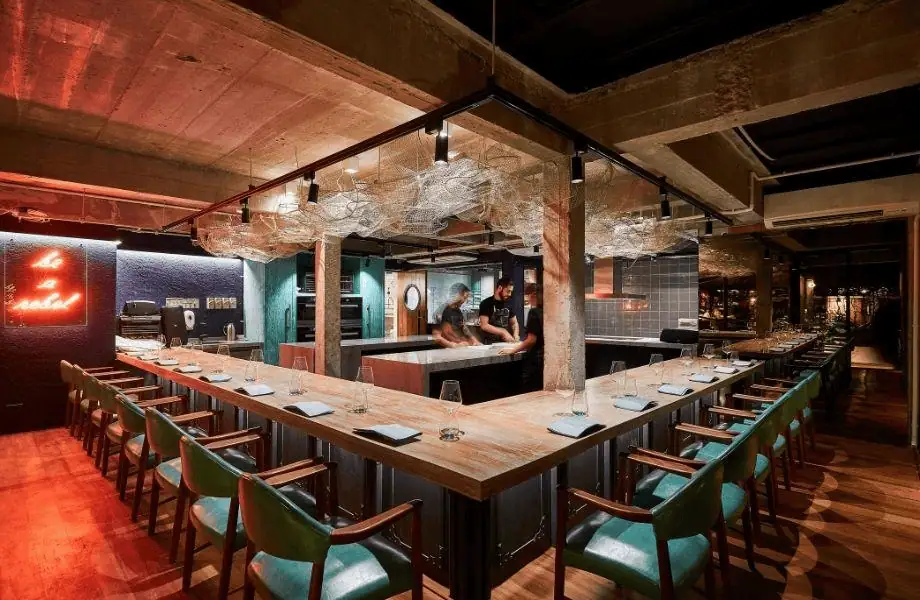
Gaggan Anand draws Americans eager for playful, rule-breaking fine dining. Its interactive style, unconventional presentation, and bold flavors feel radically different from traditional tasting menus. Diners often describe the experience as theatrical, making it especially appealing to travelers seeking novelty. The restaurant helped position Bangkok as a serious fine-dining destination for global audiences.
Central (Lima, Peru)
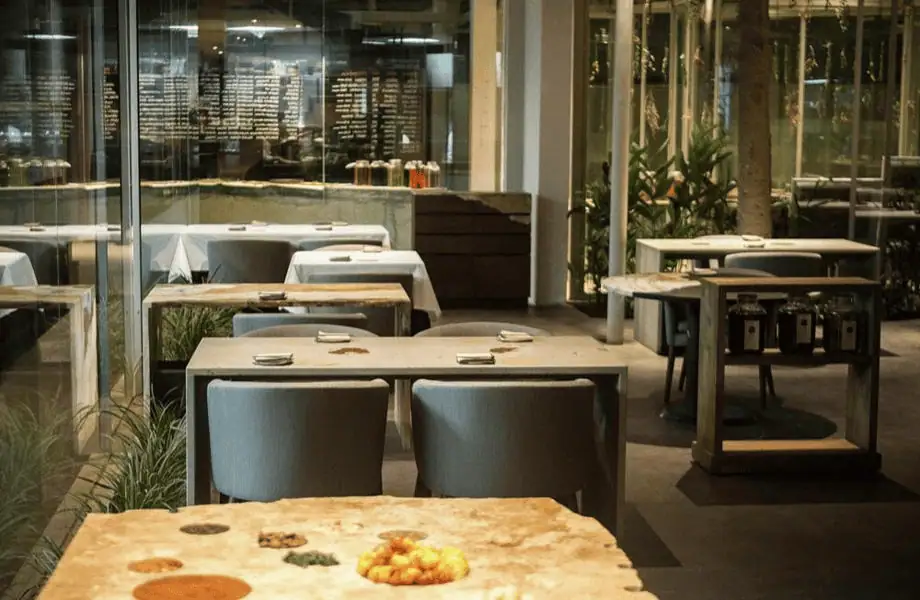
Central attracts American diners interested in food as cultural exploration. Its menu is organized by altitude, showcasing ingredients from Peru’s diverse ecosystems. Americans travel to experience flavors they can’t find at home, paired with storytelling that deepens understanding of place. The restaurant turns dining into education, appealing to travelers who want meaning alongside luxury.
Pujol (Mexico City, Mexico)

Pujol draws Americans fascinated by the evolution of Mexican cuisine. Its focus on indigenous ingredients and long-fermented elements offers depth rather than spectacle. Diners travel to experience how tradition and modern technique coexist. Pujol’s influence has reshaped perceptions of Mexican fine dining, making it a must-visit for serious food travelers.
Asador Etxebarri (Axpe, Spain)

Asador Etxebarri attracts Americans through its radical simplicity. Cooking almost everything over open flame, the restaurant highlights ingredient quality rather than complexity. Diners cross continents to taste how fire alone can transform food. The experience feels elemental and honest, appealing to travelers seeking purity instead of performance.
Mirazur (Menton, France)
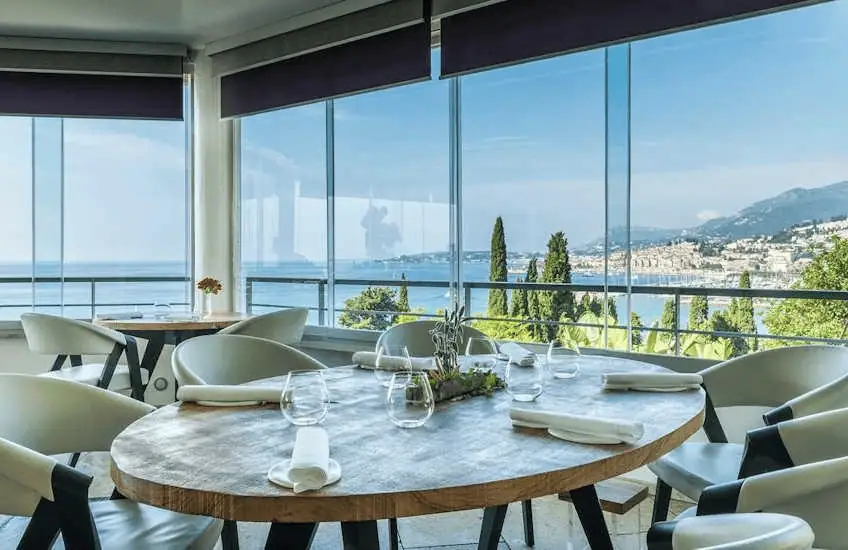
Mirazur appeals to Americans drawn to elegance rooted in nature. Its menus reflect the surrounding gardens and Mediterranean landscape, offering a sense of place with every course. The restaurant’s lightness and restraint contrast with heavier fine-dining traditions. For many Americans, Mirazur represents a refined yet approachable vision of modern French cuisine.
Arpège (Paris, France)
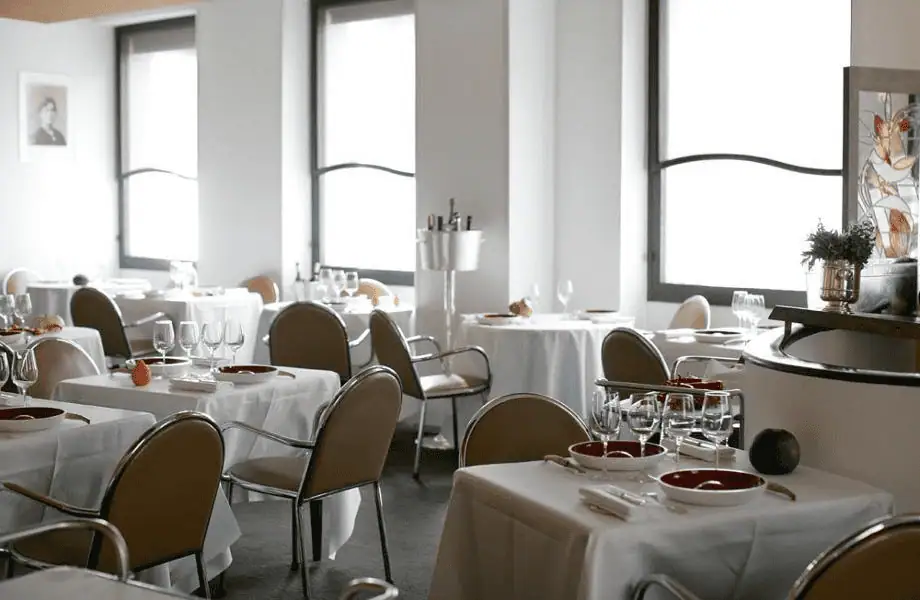
Arpège draws American travelers for its vegetable-centered philosophy long before plant-forward dining became mainstream. Its focus on produce from the restaurant’s own gardens reframed luxury around simplicity. Americans travel to experience how vegetables can carry the same prestige as meat. Arpège’s influence continues to shape how fine dining defines value and elegance.
