
10 Foods That Were Once Illegal in Restaurants but Are Totally Normal Now
Food laws in the U.S. have shifted dramatically over the past few decades. Ingredients that were once banned, restricted, or considered too risky for restaurants are now widely available thanks to updated regulations, improved science, and better handling practices. Many dishes we enjoy today were off-limits not long ago. Here are the foods that went from forbidden to completely normal on modern menus
Raw Fish (Sushi and Sashimi)
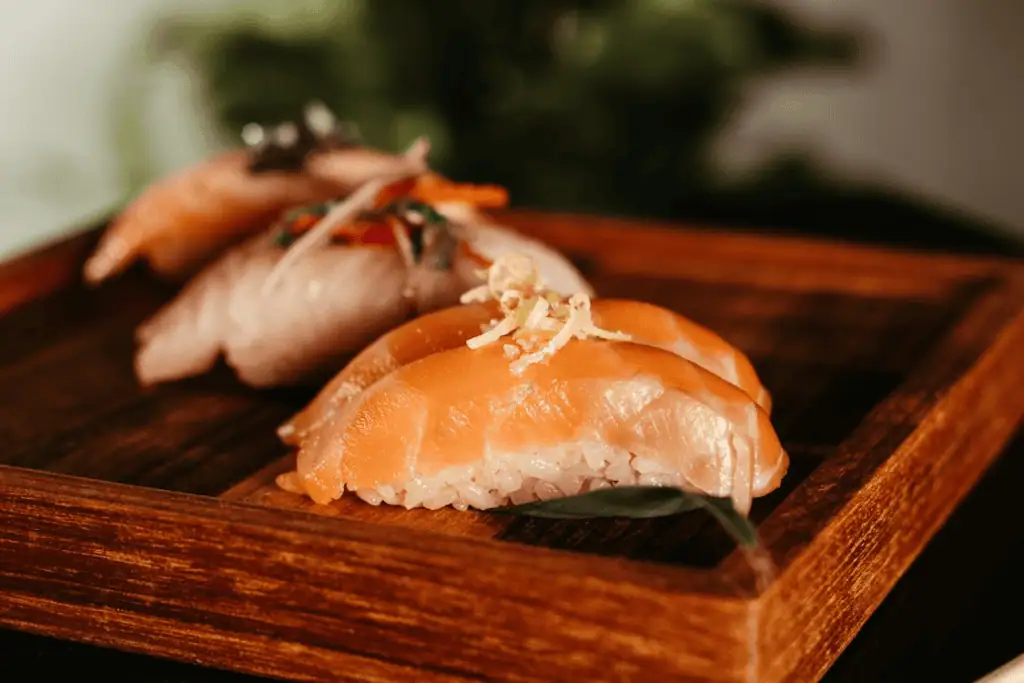
Before the 1970s, serving raw fish was heavily restricted due to concerns about parasites, making sushi almost impossible to find in American restaurants. Improved freezing methods and strict import standards eventually made raw fish safe for consumption. Today, sushi is a mainstream favorite enjoyed nationwide.
Medium-Rare Burgers
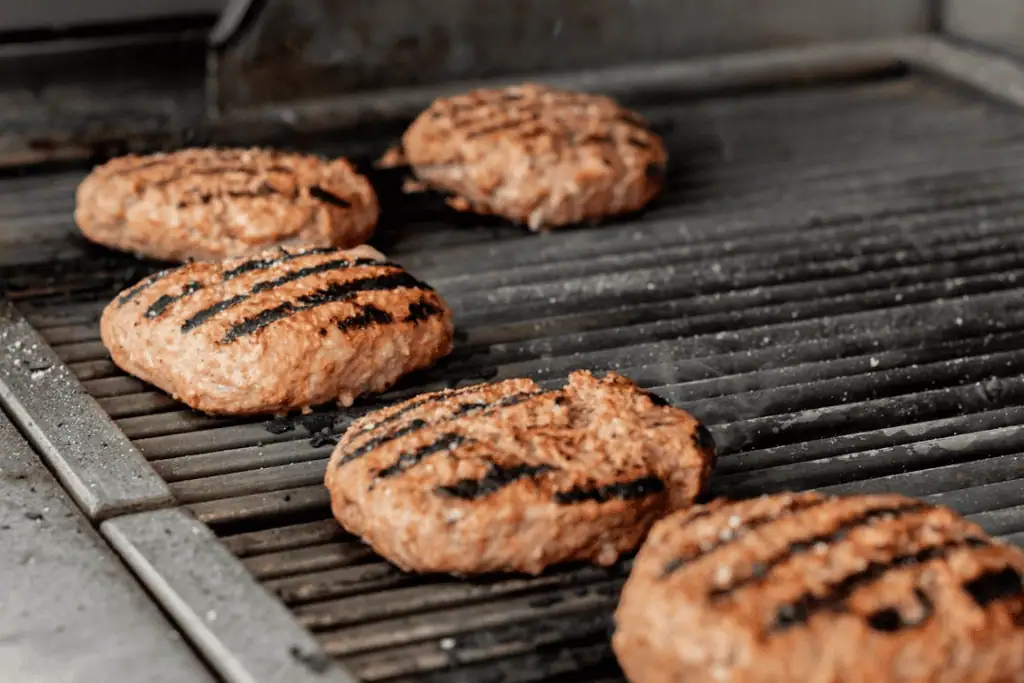
Restaurants once had to cook ground beef well-done because undercooked meat posed a higher risk of contamination. With better processing practices, temperature controls, and sourcing regulations, diners can now safely order medium-rare burgers at many establishments. Internal temperature guidelines replaced blanket bans.
Runny Eggs (Soft-Boiled or Over-Easy)
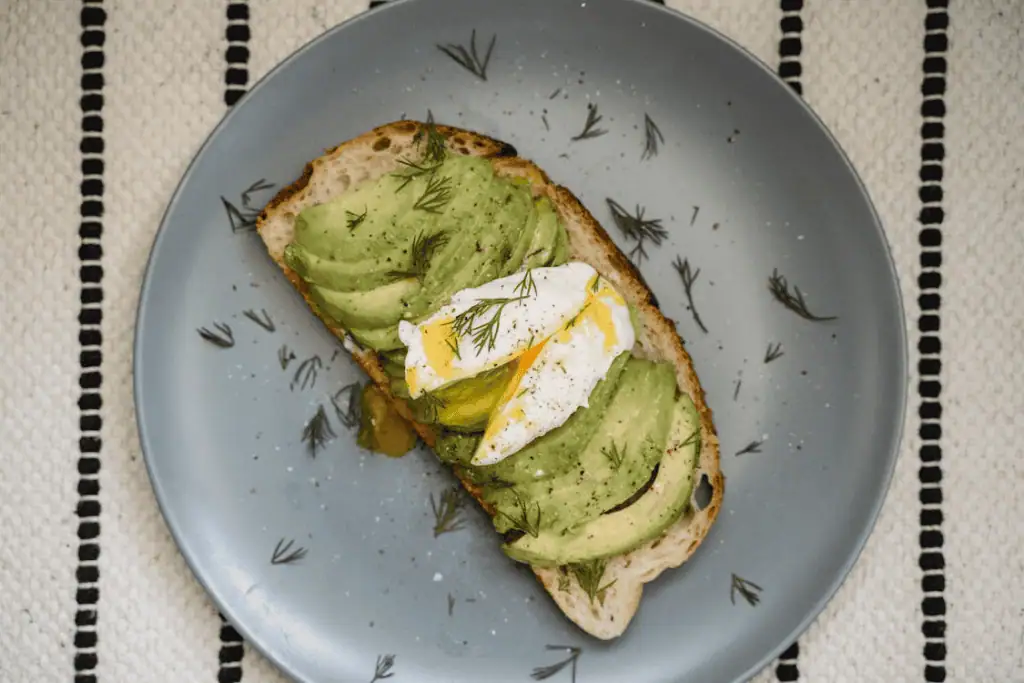
Because of salmonella fears, many restaurants avoided serving eggs with runny yolks. The introduction of pasteurized eggs and improved safety standards changed that. Soft-cooked eggs, poached eggs, and yolky brunch favorites are now perfectly acceptable on menus nationwide.
Raw Milk Cheeses Under 60 Days

Decades ago, many raw milk cheeses were banned or tightly restricted. Today, cheeses aged at least 60 days like certain cheddars, goudas, and blues, are allowed thanks to evidence showing aging kills harmful bacteria. As a result, artisanal cheese boards now feature plenty of raw-milk varieties.
5. Foie Gras
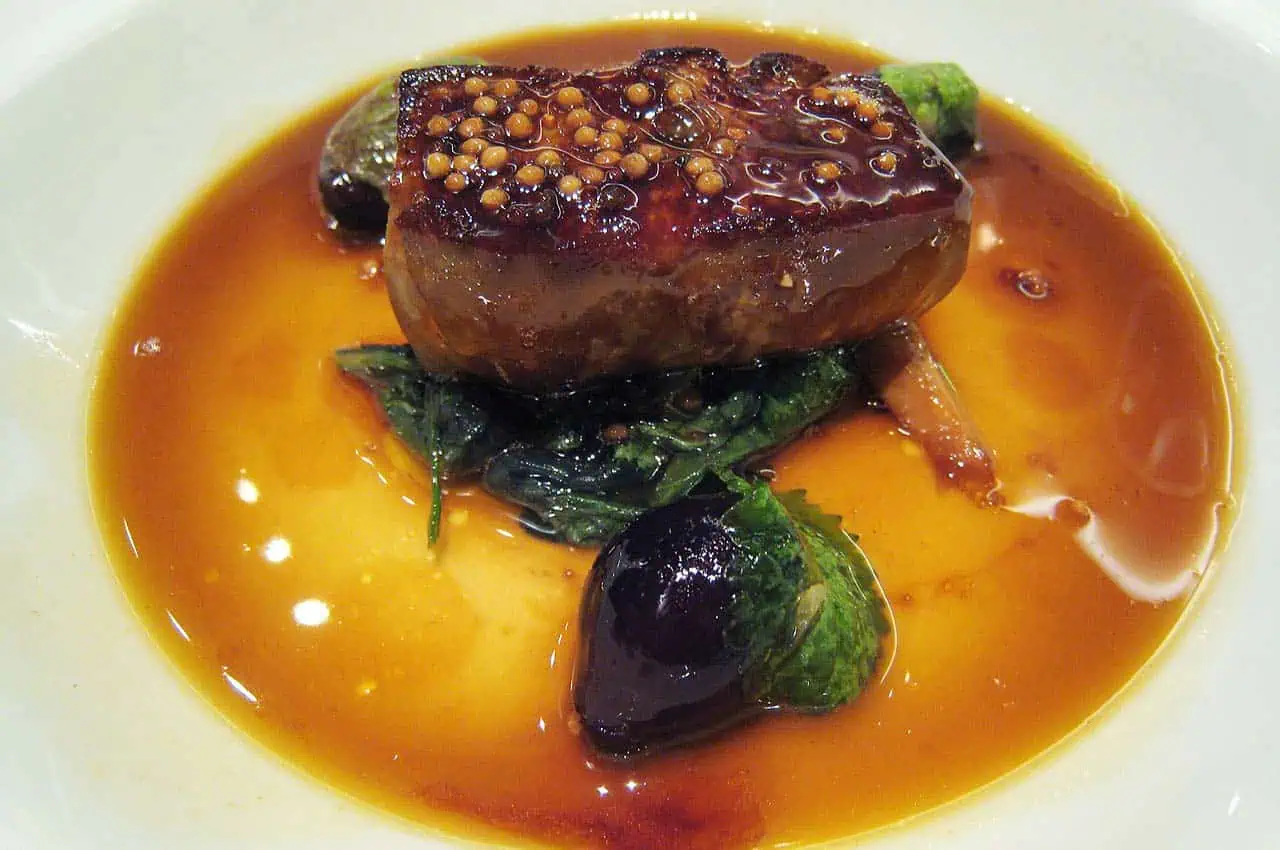
Foie gras has faced bans in certain states and cities over animal-welfare concerns. While restrictions still exist in a few regions, many places that once prohibited it now allow it again. Legal challenges and regulatory changes have brought the dish back to upscale restaurant menus.
Absinthe

Once banned in the U.S. for nearly a century due to myth and misinformation, absinthe has been fully legal since 2007. Its supposed hallucinogenic properties were debunked, and modern versions meet safety standards. Today it’s a common cocktail ingredient in bars and restaurants.
Rare Pork Dishes
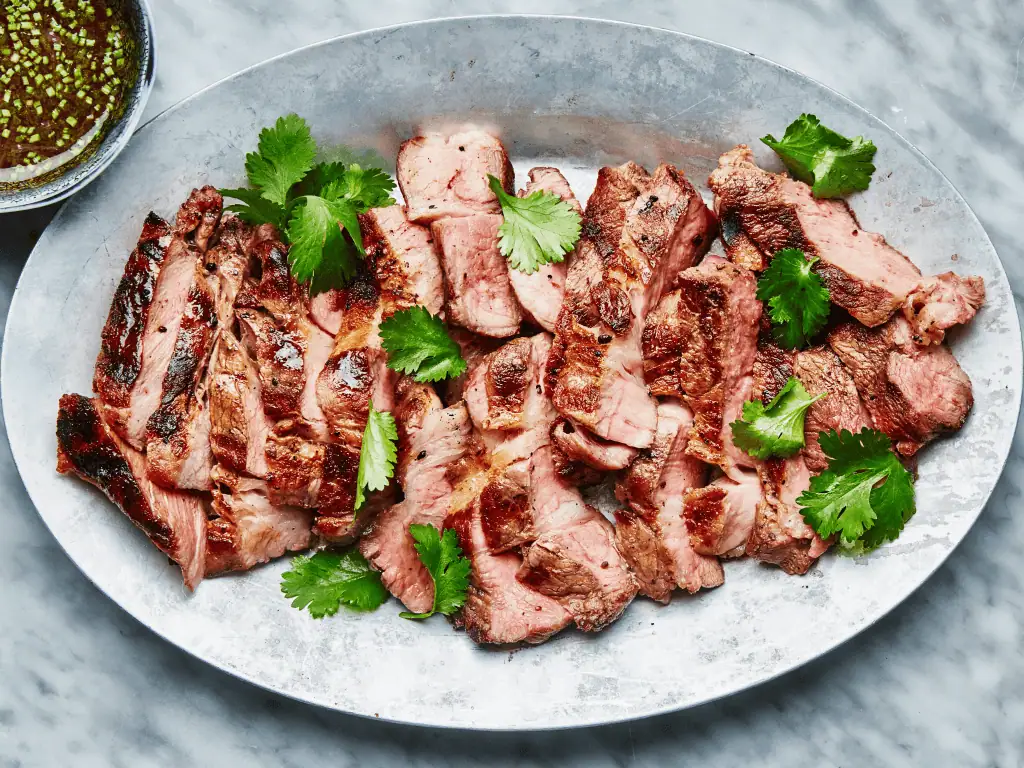
For decades, pork had to be cooked well-done due to trichinosis fears. With modern farming practices and near-elimination of the parasite in commercial pork, restaurants now safely serve pork chops, tenderloins, and roasts cooked to blush-pink medium. It’s become a standard culinary norm.
Fermented Foods Like Kimchi
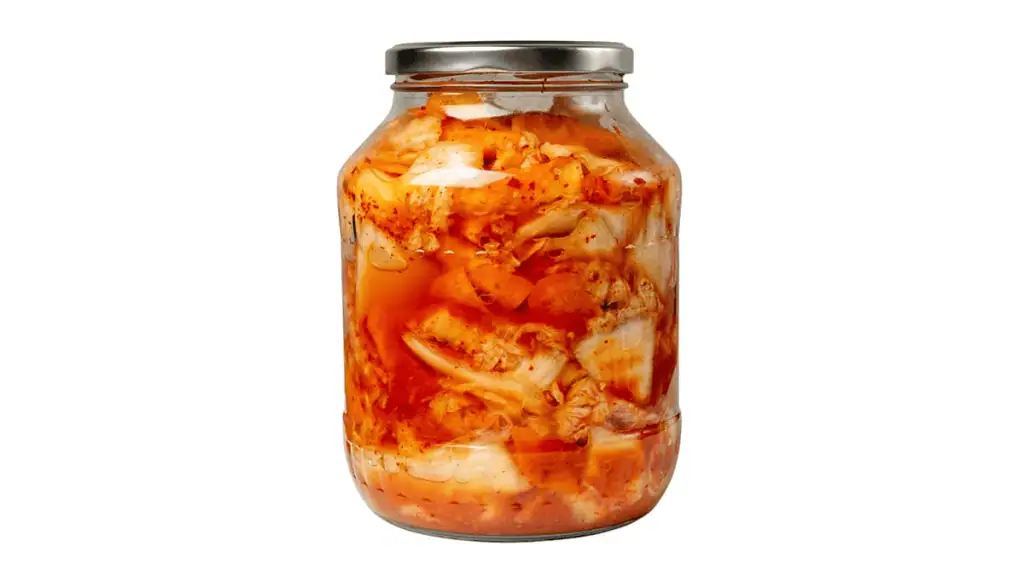
Fermentation once confused regulators who associated it with spoilage. Strict labeling rules kept many fermented foods off U.S. menus. As science clarified the safety and benefits of fermentation, kimchi, sauerkraut, kombucha, and more became widely accepted and popular in restaurants.
Bone Marrow
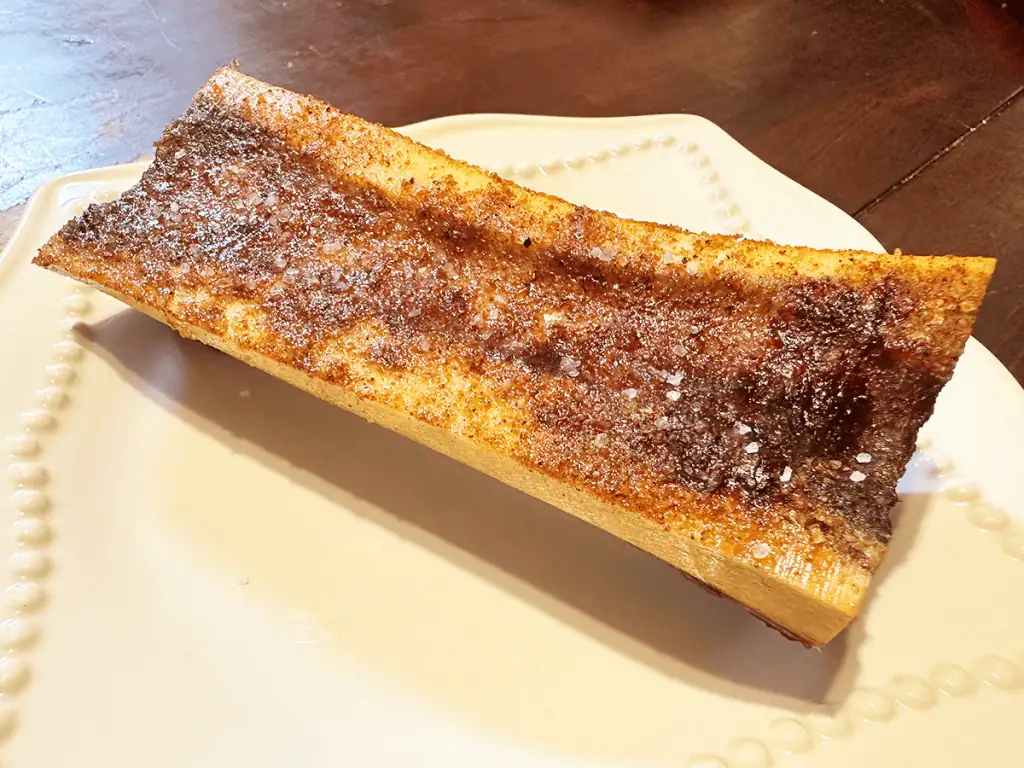
Bone marrow wasn’t outright banned, but many local health departments discouraged or restricted it due to misconceptions about safety. As guidelines modernized and dining trends shifted, marrow became a gourmet staple. Today roasted marrow bones appear on menus everywhere from gastropubs to fine dining.
Street-Food Style Raw Produce (Like Ceviche Garnishes)
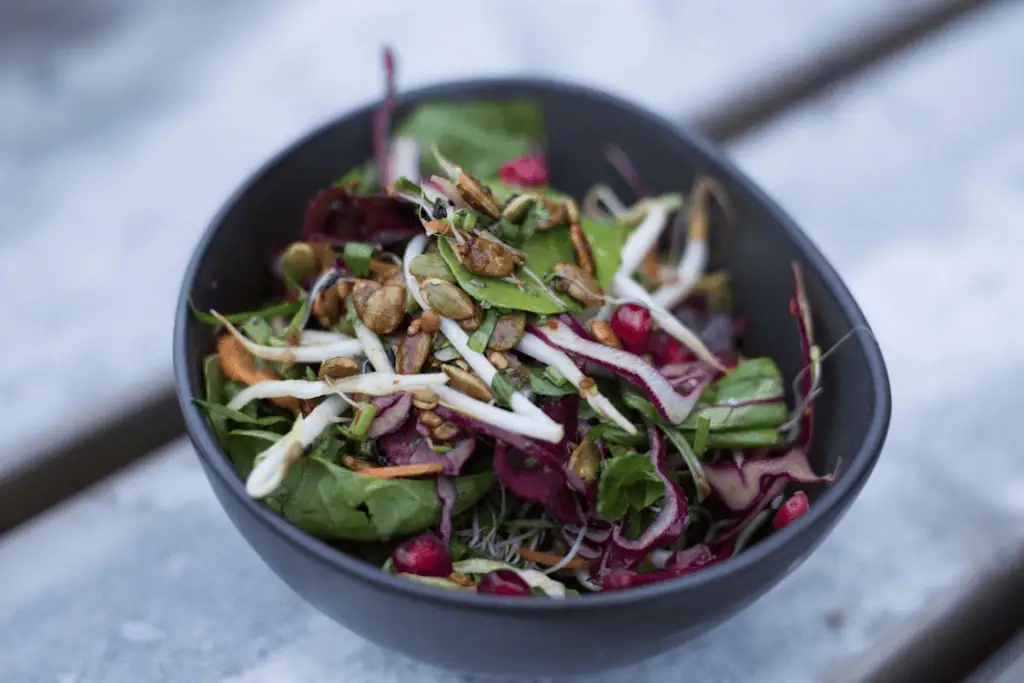
Health codes once restricted restaurants from serving certain raw garnishes cilantro, lettuce, and sprouts due to contamination risks. With stronger food-safety protocols and standardized washing guidelines, many of these ingredients are now commonly served raw. Ceviche garnishes and fresh herbs are routine additions.
