
10 Food Worries Quietly Changing What Americans Put on Their Plates in 2026
American eating habits in 2026 aren’t being driven by fads alone. Quiet concerns about health, cost, safety, and trust are influencing food choices more than flashy diets. Many of these worries aren’t openly discussed at dinner tables, but they show up in smaller portions, ingredient scrutiny, and changes in shopping behavior. Instead of dramatic shifts, Americans are making cautious adjustments, avoiding certain foods, replacing others, and questioning long-standing habits. These underlying food worries are shaping what ends up on plates across the country.
Ingredient Transparency

Americans are increasingly uneasy about not knowing what’s actually in their food, and that discomfort is reshaping everyday shopping habits. Long ingredient lists filled with unfamiliar additives and vague labeling have made many consumers more skeptical of heavily processed products. Instead of fully eliminating certain foods, shoppers are gravitating toward brands that clearly explain where ingredients come from and how products are made. This shift isn’t loud or ideological, but practical. It has quietly reduced dependence on ultra-processed items while increasing demand for foods that feel transparent, understandable, and traceable from source to shelf.
Rising Food Prices

Persistent grocery inflation has turned cost into a daily consideration rather than a short-term annoyance for many Americans. Shoppers are increasingly choosing foods that stretch further, substituting less expensive proteins, and thinking twice before making impulse purchases. Premium or specialty items now need a clear reason to earn a spot in the cart. Notably, this shift isn’t limited to lower-income households. Even higher earners are adjusting habits, favoring versatile staples over niche products. As a result, price awareness is quietly reshaping portion sizes, shopping frequency, and meal planning routines across households.
Ultra-Processed Foods

There’s growing discomfort around foods that feel engineered rather than cooked, and it’s shaping how Americans make everyday eating decisions. Most people aren’t analyzing food science or ingredient chemistry, but they are responding to instinct, questioning textures, flavors, and appearances that seem overly artificial or manufactured. This unease has contributed to reduced reliance on packaged snacks and frozen meals, especially those with highly uniform taste and texture. Instead, shoppers are leaning toward simpler options that resemble home cooking. The shift isn’t extreme or absolute, but hesitation around ultra-processed foods is clearly influencing daily choices.
Pesticide Exposure
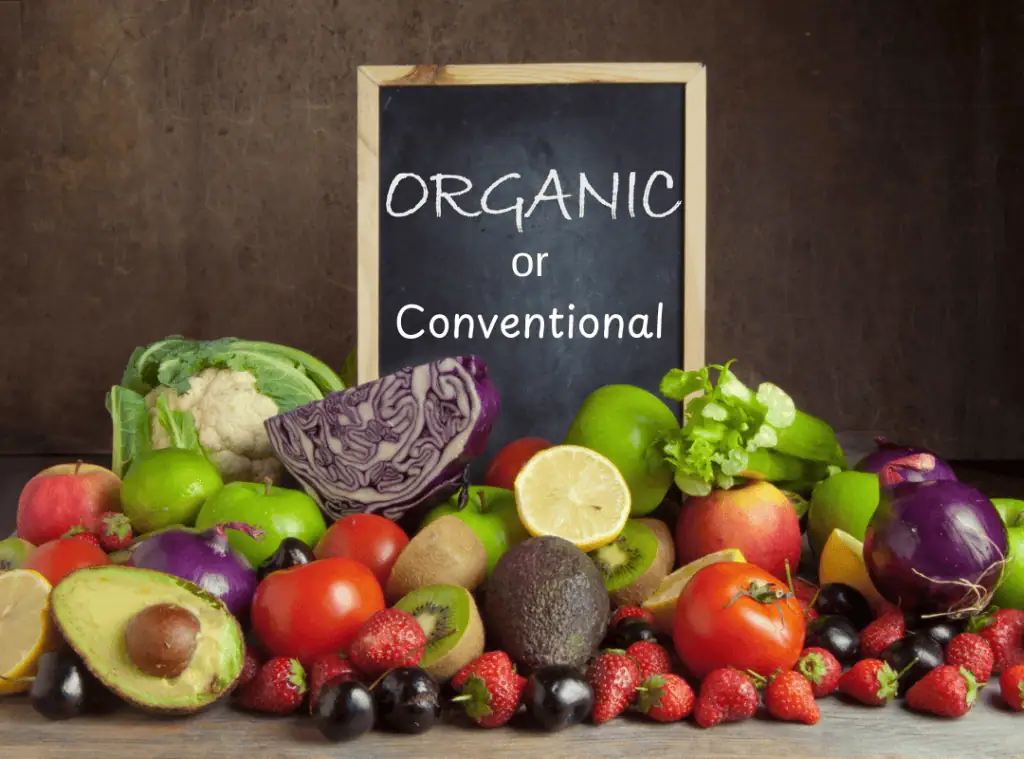
Concerns about pesticide residue are quietly reshaping how Americans buy produce, but not in an all-or-nothing way. Rather than switching entirely to organic, many shoppers are prioritizing organic versions of specific fruits and vegetables while continuing to buy others conventionally. This selective strategy reflects a balance between health worries and budget limits. Practical habits like thorough washing, peeling skins, and rotating produce choices have become common coping mechanisms. These small adjustments don’t draw much attention, but together they are subtly changing everyday grocery routines and decision-making patterns.
Protein Quality

Protein is no longer judged only by how much ends up on the plate. Americans are increasingly paying attention to how animals are raised and how plant-based proteins are processed before reaching stores. That awareness has weakened automatic loyalty to certain meats while encouraging more diversified protein choices. Instead of dramatic dietary shifts, many households are making quieter adjustments—eating smaller portions of meat, rotating protein sources, and thinking more carefully about sourcing. The focus has moved toward quality, ethics, and versatility rather than sheer volume or habit.
Blood Sugar Stability

Blood sugar awareness is no longer limited to people with diagnosed conditions, and it’s subtly changing how many Americans eat throughout the day. Without formal medical advice, people are noticing how certain foods trigger energy crashes, fogginess, or sudden hunger. This awareness is influencing breakfast choices, snack timing, and the types of carbohydrates people reach for. Rather than strict avoidance, many are pairing carbs with protein or fiber to slow digestion. The goal isn’t dieting, but maintaining steady energy and focus during busy, productivity-driven routines.
Digestive Comfort
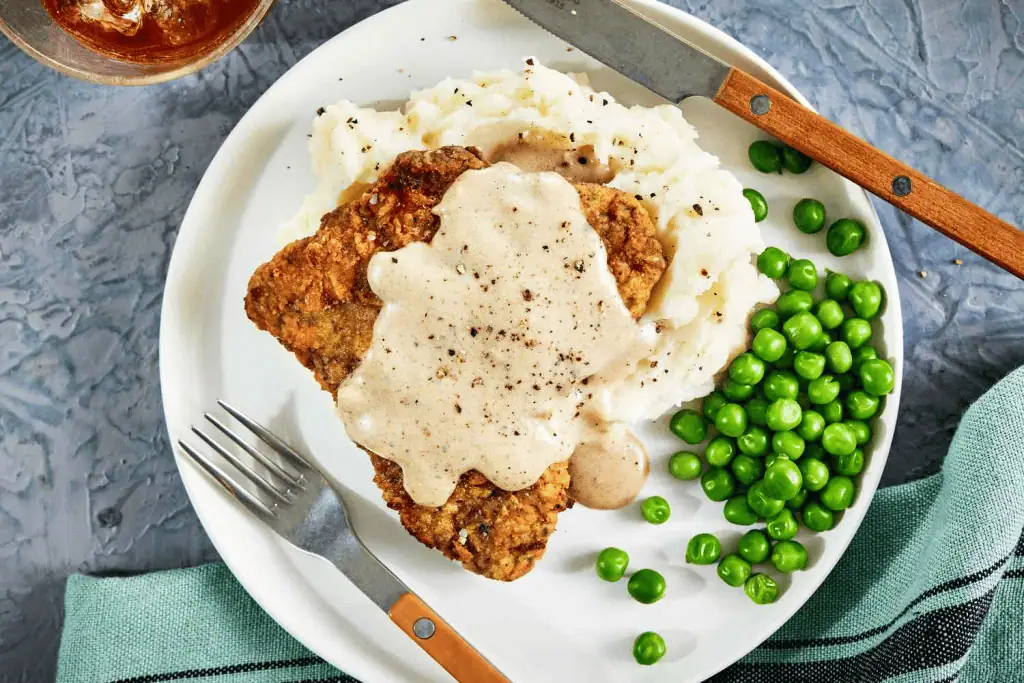
More Americans are paying closer attention to how food makes them feel rather than how it’s marketed or labeled. Everyday experiences like bloating, discomfort, or sluggishness are quietly shaping food choices, often more powerfully than nutrition claims. People are cutting back on foods that simply “don’t sit right,” even when those items are trendy or widely consumed. This shift isn’t driven by strict diets or formal rules. Instead, digestive comfort has become a personal filter for eating decisions, guiding people toward meals that feel supportive rather than disruptive.
Food Safety and Recalls
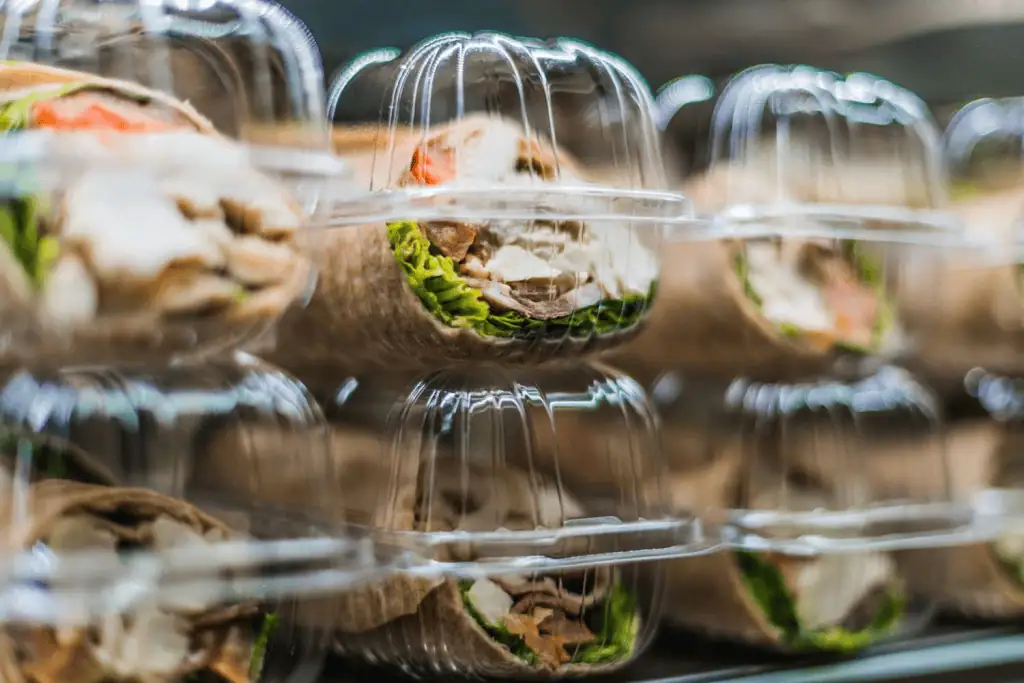
Frequent food recalls have made many Americans more cautious, particularly when it comes to ready-to-eat and pre-prepared foods. Even if shoppers don’t remember specific incidents, repeated alerts create a lingering sense of doubt around certain categories. In response, people are cooking more meals at home, skipping pre-cut produce, or sticking with brands they already trust. These safety concerns rarely spark dramatic behavior changes, but they do influence what feels acceptable to buy. Over time, that quiet caution shapes everyday purchasing decisions in noticeable ways.
Environmental Impact

Climate awareness is shaping food choices for many Americans without requiring overt activism or lifestyle overhauls. Rather than eliminating entire food groups, people are focusing on moderation—reducing food waste, buying fewer disposable items, and avoiding purchases that feel unnecessarily excessive. This mindset shows up in practical habits like planning for leftovers, choosing smaller portions, and favoring seasonal foods when possible. These choices aren’t always framed as environmental action, but they reflect an underlying desire to eat in a way that feels more responsible and less wasteful.
Trust in Food Systems

Perhaps the most significant shift is a growing unease with large, industrial food systems. Americans are questioning where food comes from, how it’s manufactured, and whether marketing claims reflect reality. This skepticism doesn’t translate into a full rejection of major brands, but it does introduce hesitation. Trust has become conditional rather than automatic. As a result, many shoppers are experimenting more with local producers, private-label products, and simpler meals that feel easier to understand and control, even if they still rely on familiar national brands.
