
10 Everyday Foods You Didn’t Know Were Fruits
In the world of culinary delights, some ingredients might surprise you with their classification. Many everyday foods you encounter are actually fruits, often mistaken for vegetables due to their usage in savory dishes. Understanding these distinctions enriches your cooking, allowing you to explore flavors and textures with a fresh perspective. Let’s delve into ten foods that showcase this fascinating aspect of culinary science.
Tomatoes: The Culinary Chameleon

Tomatoes, a staple in countless recipes, are botanically a fruit. Their bright acidity and juicy flesh make them ideal for balanced dishes. Employ them raw in a crisp Caprese salad, highlighting their natural sweetness with fresh basil and mozzarella. When roasted, their concentrated flavors turn sauces or soups into rich culinary experiences. Choose ripe tomatoes for the best flavor, which should feel firm yet yield gently to pressure, ensuring a sweet and tangy bite.
Cucumbers: Cool and Refreshing

Cucumbers, known for their refreshing crunch, are another example of a fruit often perceived as a vegetable. Their high water content and mild flavor make them perfect for salads and hydration. Enhance their crispness by slicing them thinly and combining with red onions, vinegar, and a touch of sugar for a quick pickle. Select cucumbers that are firm and vibrant for optimal freshness, and consider seedless varieties for a smoother texture in dips and spreads.
Avocados: Creamy Nutrient Powerhouses
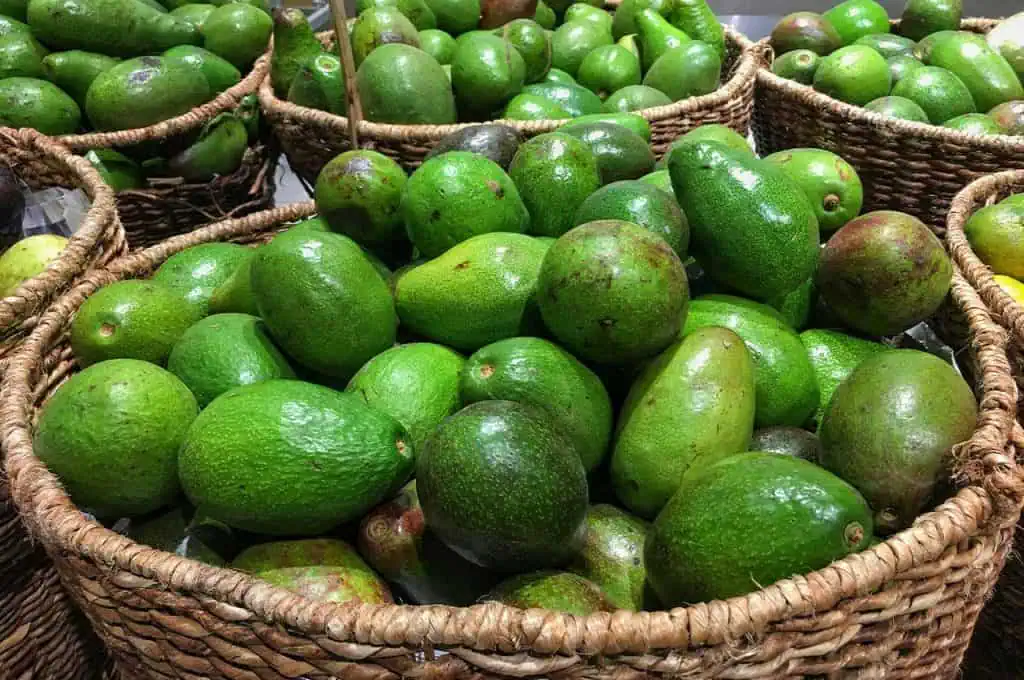
Avocados are a beloved fruit, prized for their creamy texture and nutritional benefits. Rich in healthy fats and vitamins, they perform beautifully in both savory and sweet dishes. Perfect your guacamole with ripe, luscious avocados, a squeeze of lime, and a pinch of salt for a creamy result. For an innovative twist, turn them into a rich chocolate mousse. Ripe avocados should yield to gentle pressure without feeling overly soft or fibrous.
Bell Peppers: Vibrant and Versatile

Bell peppers, colorful and sweet, are technically fruits. Their crisp texture and natural sweetness are amplified when roasted or grilled. Stuff them with seasoned grains for a hearty dish, or chop them fresh into salads for color and crunch. To maximize sweetness, choose peppers with vivid colors and a glossy skin, ripe ones will give slightly to pressure. Whether raw or cooked, they bring a vibrant touch to diverse culinary creations.
Eggplants: Rich and Hearty

Eggplants, with their glossy, deep-purple skin and spongy flesh, are a staple in various cuisines but are often overlooked as fruits. Rich in antioxidants and versatile in preparation, eggplants can be roasted, grilled, or sautéed to enhance their naturally mild flavor. When roasting, pierce the skin with a fork to prevent bursting and drizzle with olive oil to encourage caramelization. The flesh absorbs flavors beautifully, making it an excellent base for robust tomato sauces, aromatic spices, or creamy cheeses. To retain texture, avoid overcooking, and instead aim for a tender yet firm bite.
Corn: The Sweet Grain of Surprise

Corn, a beloved ingredient across many dishes, is botanically a fruit. Its kernels offer a delightful sweetness, ideal for balancing savory and spicy flavors. When grilling corn, keep the husk intact to steam the kernels gently, preserving moisture and sweetness. Alternatively, remove the husks and lightly char the kernels for a smoky flavor. Incorporate corn into salads, salsas, or a creamy chowder where its natural sweetness enhances complex flavors. Freshly sliced lime and chili powder can create a vibrant street-style corn dish, highlighting its juicy texture and natural sugars.
Green Beans: More than a Side Dish

Green beans, often seen as a vegetable, are technically fruits and offer a crisp texture and subtle earthy flavor. Blanch them in salted boiling water to maintain their bright color and sweetness, then quickly transfer to an ice bath to stop the cooking process. This method keeps them vibrant and crunchy. Green beans adapt well to high-heat methods like roasting or sautéing, developing a richer flavor and a satisfying snap. Complement their taste with ingredients like garlic, lemon zest, or toasted almonds, which enhance their natural flavor and add contrast.
Squash and Zucchini: Summer Harvest

These summer staples, both fruits, are celebrated for their mild flavor and compatibility with myriad cooking techniques. When selecting squash and zucchini, opt for firm, unblemished ones. Slice thinly for quick sautés or hearty lasagnas, or stuff halved squash with grains and herbs before baking. Their tender flesh absorbs seasonings well, and a simple olive oil, salt, and pepper dressing complements them beautifully. For a crunchy twist, consider breading and frying thin slices, which pair well with fresh herbs and a tangy dipping sauce.
Okra: Southern Charm and Spice
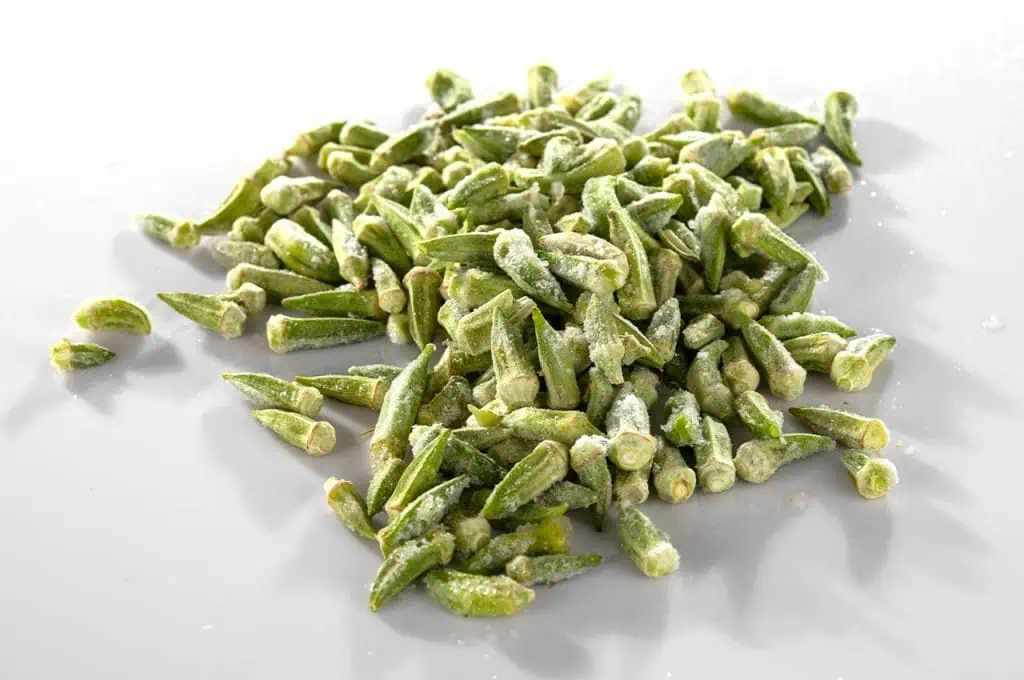
Renowned for its unique texture and versatile taste, okra is technically a fruit that thrives in southern cooking. To minimize its characteristic sliminess, cut the pods just before cooking and use high-heat methods like roasting or grilling. Pair with bold spices such as cayenne or cumin to enhance its earthy flavor. Slice and fry for a crispy topping or stir into hearty stews where its thickening properties shine. For a lighter touch, serve okra blanched in salads or pickled, where its crunchy texture and slightly peppery taste offer an unexpected twist.
Olives: Mediterranean Gems

Olives, often mistaken for vegetables, are indeed fruits. Harvested from the olive tree, they embody the essence of the Mediterranean culinary tradition. The curing process is essential, transforming them from bitter drupes into nuanced flavor carriers. Whether enjoyed as a briny snack or pressed into oil, olives enhance dishes with their rich, umami quality. Incorporate them into tapenades, salads, or pasta to elevate your recipes. The key lies in choosing quality olives with good balance between salt and flavor, ensuring a delightful burst of taste in every bite.
