
10 Everyday Foods That Were Created to Solve Totally Weird Problems
Everyday foods often hold stories of unexpected origins, driven by peculiar challenges that needed solving. From accidental discoveries to creative solutions, these foods have become staples in modern kitchens, each with a unique history and purpose. Understanding these stories not only enriches our culinary knowledge but also enhances our appreciation for these everyday delights.
Potato Chips: A Crispy Comeback
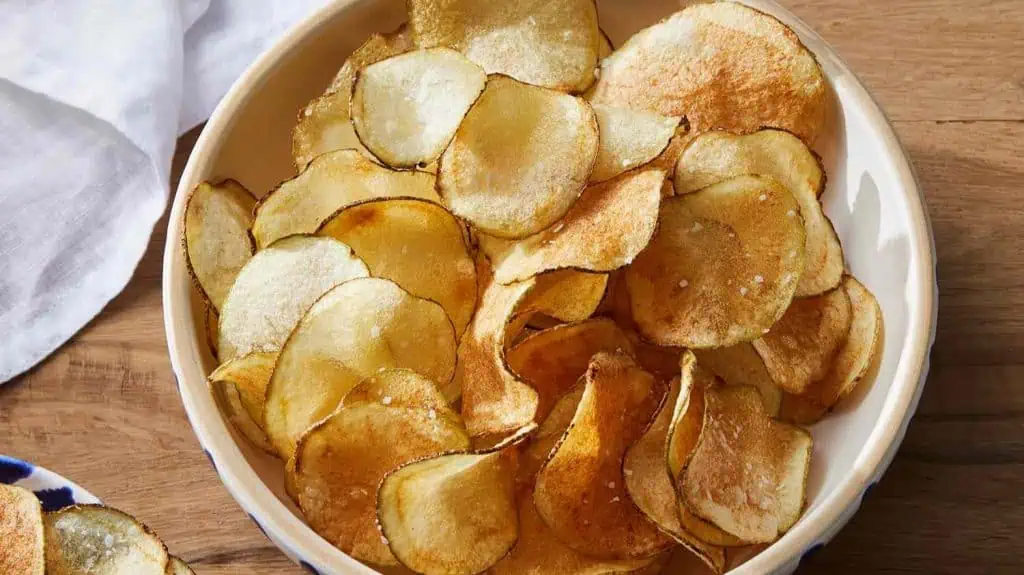
The invention of potato chips stemmed from a diner’s complaint about thick, soggy potatoes. In response, a frustrated chef sliced them paper-thin and fried them to a crisp, creating the perfect texture. To replicate this, use a mandoline for uniformity and maintain an oil temperature of 350°F for optimal crunch. Season immediately after frying to ensure the salt adheres perfectly, enhancing the potatoes’ natural flavor while maintaining their satisfying, brittle snap.
Popsicles: The Frozen Accident

Popsicles emerged from a serendipitous mishap when a young boy left a sugary drink outside overnight, discovering it frozen by morning. This frozen confection can be recreated by combining fruit juices and purées, then freezing them in molds. To achieve the ideal texture, avoid over-sweetening and allow some fruit pieces to remain for bursts of flavor. The key is to insert sticks partially through freezing to ensure stability and easy removal.
Corn Flakes: Cereal for Self-Control

Corn flakes were developed in an attempt to create a bland, digestible cereal believed to maintain moral vigilance. To duplicate the distinct lightness, bake thinly spread cornmeal until crisp. Achieve the right flake texture by using a low oven temperature, allowing for gradual dehydration. Balance their simplicity with a splash of milk or a dash of honey, emphasizing the cereal’s inherent light crunch while subtly enhancing its flavor.
Bubblegum: The Sticky Solution
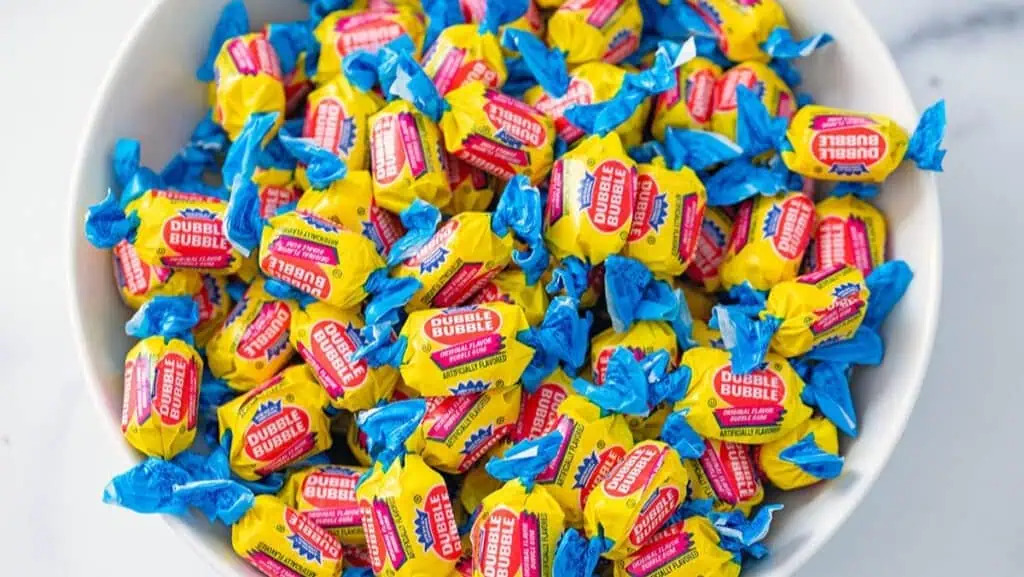
Bubblegum was born from the pursuit of a less sticky, more stretchable chewing gum. Through meticulous trial and error, a formula was created using a mixture of gum base, sugar, and flavorings. Achieving similar results involves attention to mixing and texture. Ensure the right elasticity by blending well while warm, and focus on the level of sugar for sweetness without compromising chewability. This makes each bubble blow bigger and longer-lasting, offering both fun and flavor.
Ice Cream Cones: A Portable Treat
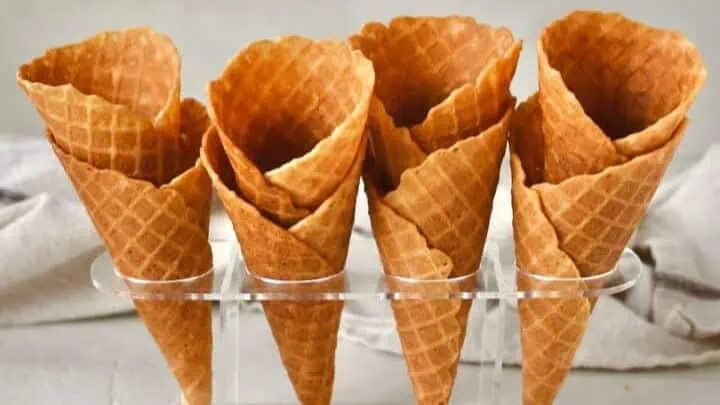
Ice cream cones were crafted to provide a mess-free way to enjoy this beloved dessert. Originally introduced at the 1904 World’s Fair, the cone’s crisp texture complements creamy ice cream, offering an edible vessel that eliminated the need for dishes. To make cones at home, prepare a simple batter of flour, sugar, and egg whites. Pour onto a skillet, shaping each with a template for uniformity. Roll while warm to achieve the classic cone shape. The slight caramelization from cooking enhances any ice cream, balancing sweetness with a touch of refreshing crunch.
Sandwiches: A Meal on the Go
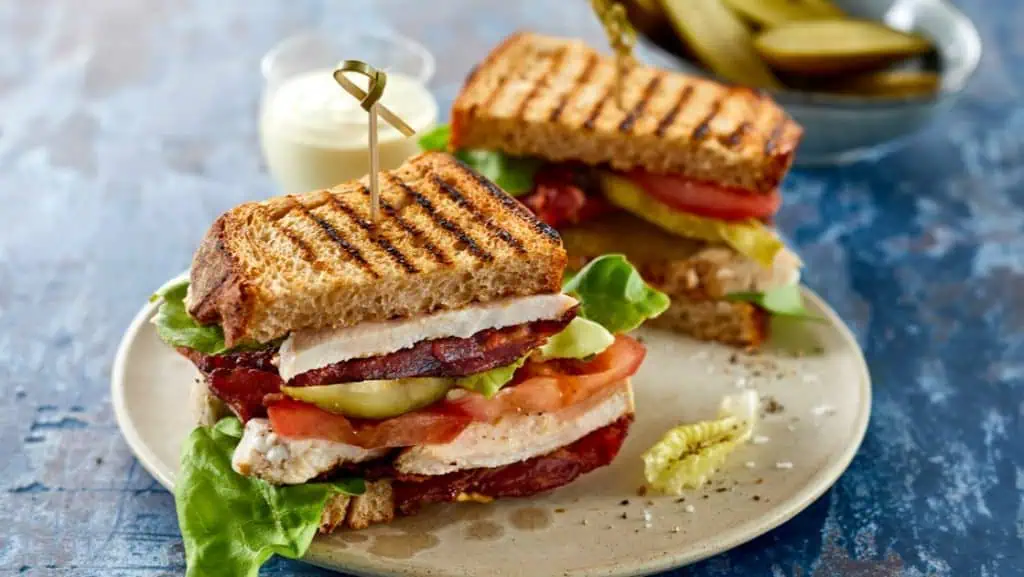
The sandwich was devised to allow for hands-free dining, famously credited to the 4th Earl of Sandwich. Layering fillings between bread provides endless opportunities for creativity, from classic ham and cheese to innovative vegetarian combinations. To perfect a sandwich, prioritize bread quality—it should be sturdy yet yielding, enhancing the filling’s flavors without overshadowing them. Spread condiments evenly to ensure each bite is seasoned. Layer ingredients thoughtfully for balance in texture and taste, transforming this simple assembly into a satisfying, portable meal.
Worcestershire Sauce: A Fermented Fluke

Worcestershire sauce, initially a culinary experiment gone awry, emerged as a pantry staple due to its unique depth of flavor. Created by Lea & Perrins in the 19th century, its potent umami blend of anchovies, molasses, and tamarind complements marinades and bloody marys alike. To harness its potential, use sparingly in vinaigrettes or add to slow-cooked stews, amplifying the dish’s richness with subtle complexity. Its versatility allows it to function as a hidden enhancer, brightening simplicity in a myriad of dishes through one potent dash.
Nachos: Quick Kitchen Creativity
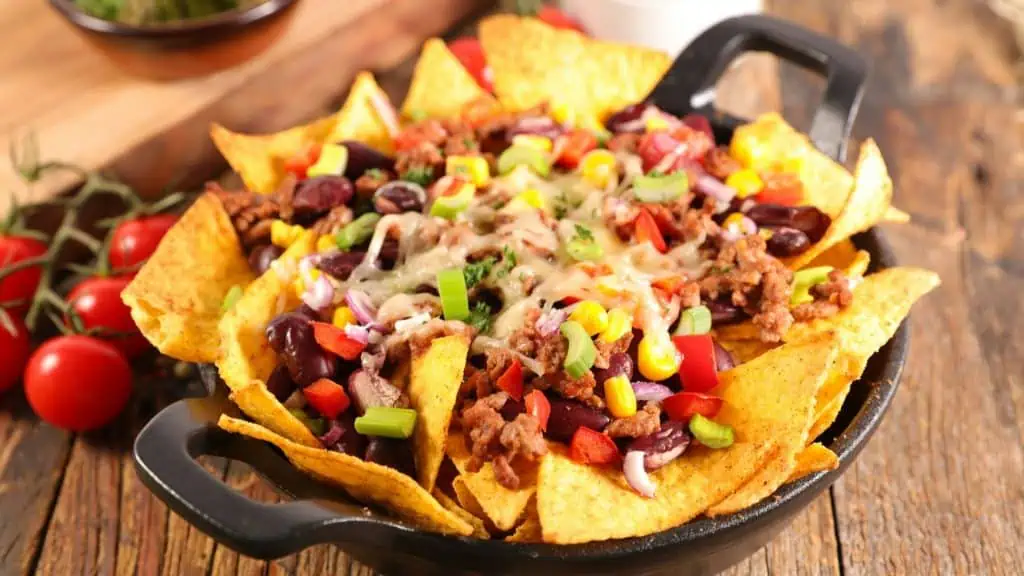
Nachos originated as a quick improvisation by Ignacio “Nacho” Anaya for unexpected guests. Crisp tortilla chips form the foundation, melted cheese binds, and toppings personalize each creation. To achieve restaurant-quality nachos at home, spread chips in a single layer to ensure even topping distribution. Use freshly grated cheese for better melting properties, and broil until bubbling. Top with a mix of textures—cool guacamole, spicy jalapeños, and fresh herbs offer a dynamic contrast. Creativity reigns, as nachos invite endless exploration of flavor profiles.
Kellogg’s Corn Flakes: A Bland Begin
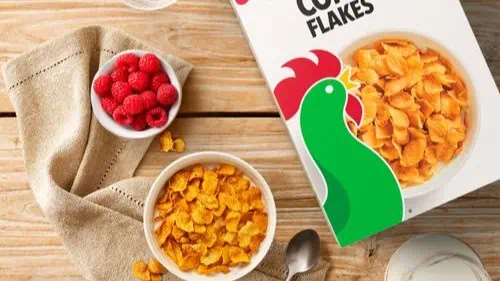
Corn flakes were invented for a specific dietary purpose by John Harvey Kellogg, who sought a bland, easy-to-digest cereal for his patients. Over time, corn flakes have transcended their original intent, becoming a breakfast staple and versatile ingredient. For enhanced flavor, toast corn flakes lightly in a skillet with a pinch of salt, creating a crunchy topping for savory casseroles or as a breading for fried chicken. Their crispy texture and subtle sweetness make them a base open to transformation, proving simplicity can springboard culinary innovation.
Chocolate Chip Cookies: A Sweet Surprise

The beloved chocolate chip cookie was born from necessity rather than artful invention, when Ruth Wakefield found herself out of baker’s chocolate. Substituting with chopped Nestlé semi-sweet morsels, she unknowingly crafted an icon of comfort. The trick to achieving that perfect chewy texture lies in balancing the butter-to-sugar ratio—brown sugar adds moisture and depth. Keep an eye on the oven to avoid overbaking; remove them when they’re just set for a soft bite. For a rich, complex flavor, consider a pinch of sea salt, enhancing the chocolate’s allure.
