
10 Dinner Ideas Everyone Can Enjoy, No Matter the Diet
Dinner has become more complicated as households juggle different dietary needs, from vegetarian and gluten-free to dairy-free or protein-focused eating. The challenge isn’t cooking separate meals, but finding dishes that feel inclusive without feeling compromised. The best dinners today are flexible by design, allowing small adjustments without changing the core dish. These ideas work because they focus on familiar formats, balanced flavors, and build-your-own elements, making them satisfying for everyone at the table regardless of diet.
Build-Your-Own Grain Bowls
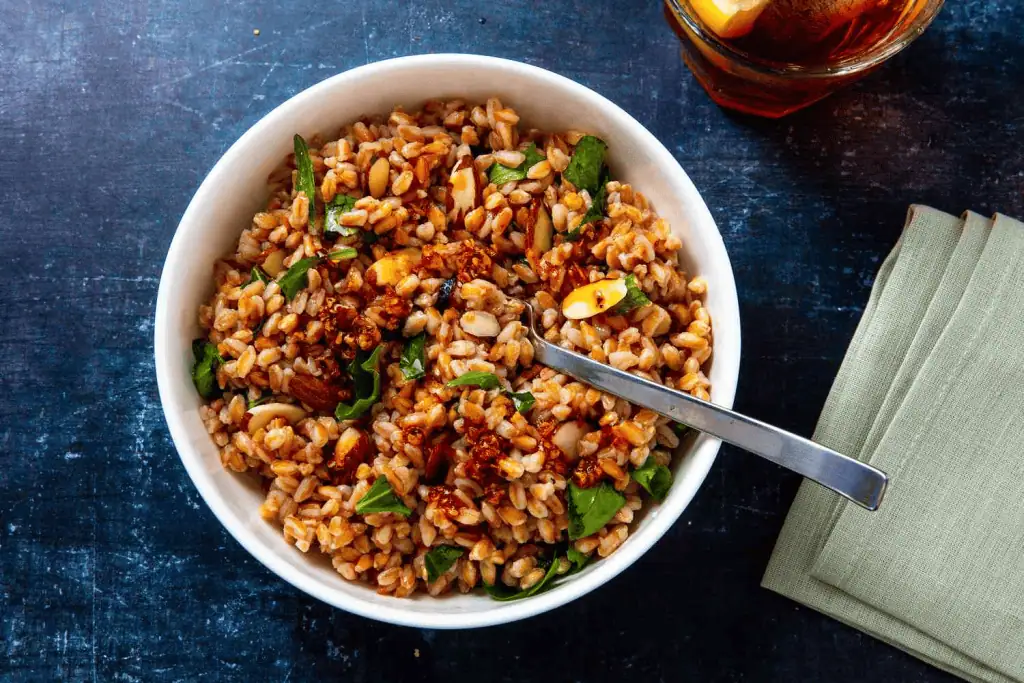
Grain bowls work across diets because they start with a neutral base and build outward. Rice, quinoa, or farro can be paired with vegetables, proteins, and sauces separately. Everyone customizes their bowl without extra cooking. This format supports vegetarian, vegan, gluten-free, and meat-based preferences simultaneously. Grain bowls succeed because they feel complete, colorful, and filling while remaining adaptable to individual needs.
Tacos with Mixed Fillings
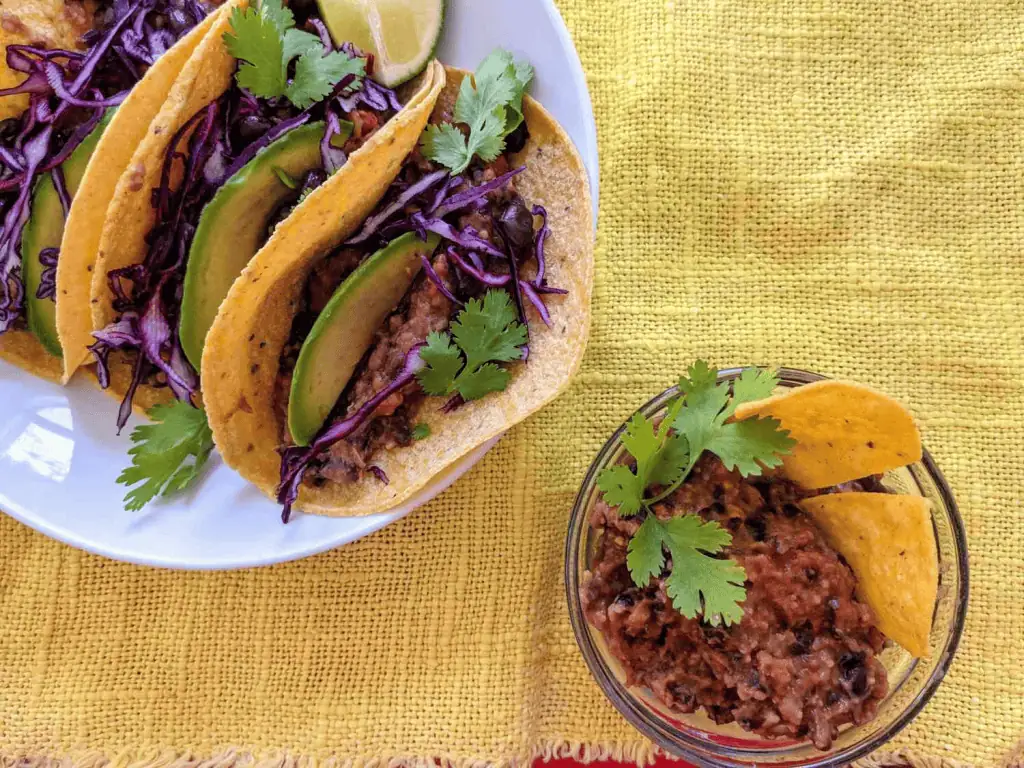
Tacos are naturally inclusive because fillings can be prepared separately and assembled individually. Roasted vegetables, beans, grilled chicken, or fish can coexist on the table. Corn tortillas work for gluten-free needs, while toppings allow personalization. Tacos keep dinner interactive and casual, reducing pressure around restrictions. Their success comes from flexibility and familiarity rather than forcing a single definition of “healthy.”
Pasta with Choice of Sauces
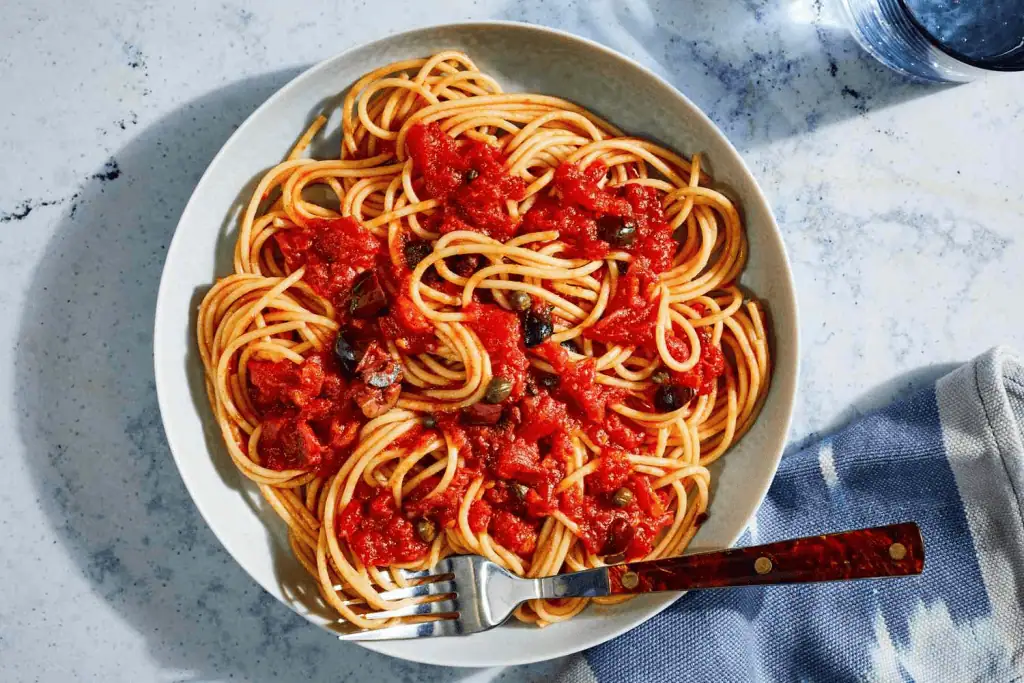
Pasta becomes diet-friendly when the sauce is the variable, not the base. A simple pasta can be paired with tomato sauce, olive oil and vegetables, or protein-heavy options. Gluten-free pasta swaps easily without changing the dish. Everyone eats together while choosing what fits their needs. Pasta remains comforting and satisfying, proving that adaptability matters more than rigid rules.
Sheet-Pan Roasted Vegetables and Proteins

Sheet-pan dinners allow vegetables and proteins to roast side by side while staying separate. This makes it easy to serve plant-based eaters and meat eaters without extra cleanup. Seasonings can stay simple, letting sauces be added later. The result is a cohesive meal that feels intentional rather than divided. Sheet-pan dinners work because they simplify cooking without limiting choice.
Stir-Fry with Custom Add-Ins

Stir-fries are ideal for mixed diets because the base remains consistent while ingredients vary. Vegetables cook quickly, and proteins can be added separately. Rice or noodles accommodate different preferences, including gluten-free options. Sauces can be adjusted for spice or sodium. Stir-fries feel fresh and satisfying while allowing everyone to eat comfortably without feeling excluded.
Loaded Baked Potatoes

Baked potatoes act as a blank canvas for diverse toppings. Everyone starts with the same base and builds according to preference, whether that’s vegetables, beans, cheese, or meat. Potatoes are naturally gluten-free and filling. This dinner feels cozy and familiar while supporting dietary variety. Its success lies in simplicity and customization rather than complexity.
Soup with Flexible Toppings
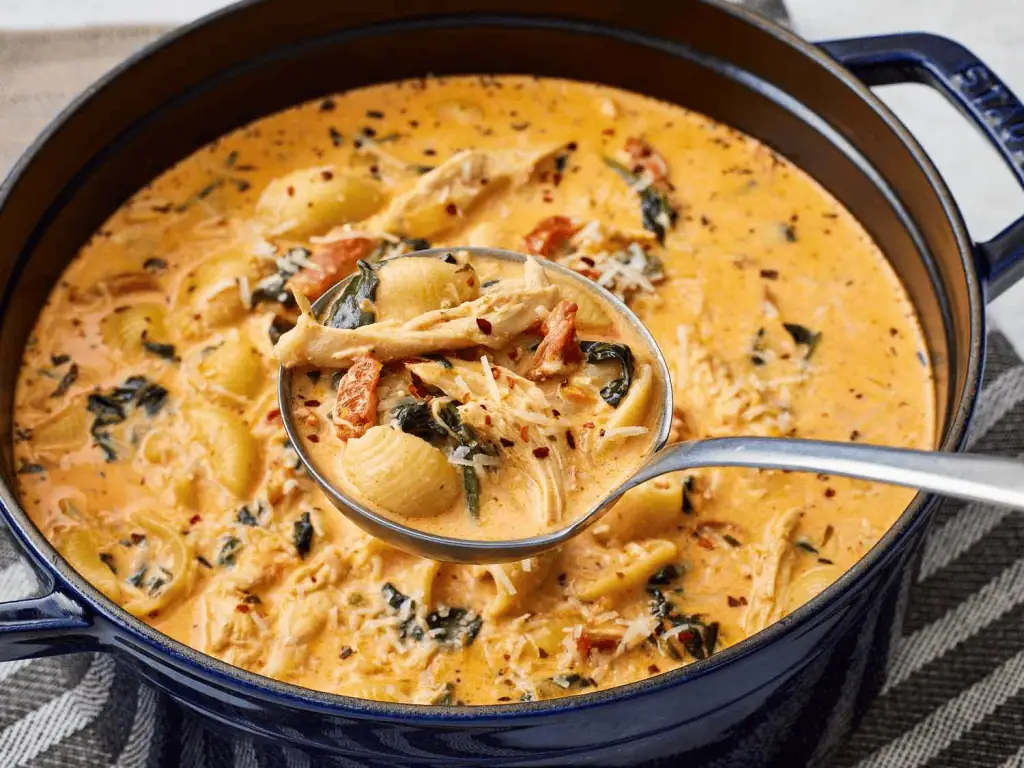
A simple vegetable-based soup becomes inclusive when toppings are customizable. Beans, grains, dairy, or proteins can be added individually. The base remains comforting and warm, while each bowl becomes personal. Soup works across diets because it prioritizes nourishment and ease. It allows shared eating without forcing identical plates, which is key for mixed households.
Flatbread or Pizza Night

Flatbread dinners allow everyone to create their own version without cooking separate meals. A common base supports different toppings, sauces, and cheeses. Gluten-free bases or vegetable crusts can be included easily. Pizza-style dinners feel indulgent while remaining adaptable. Their popularity comes from familiarity and control, making them enjoyable for all diets at once.
Rice and Bean-Based Dinners
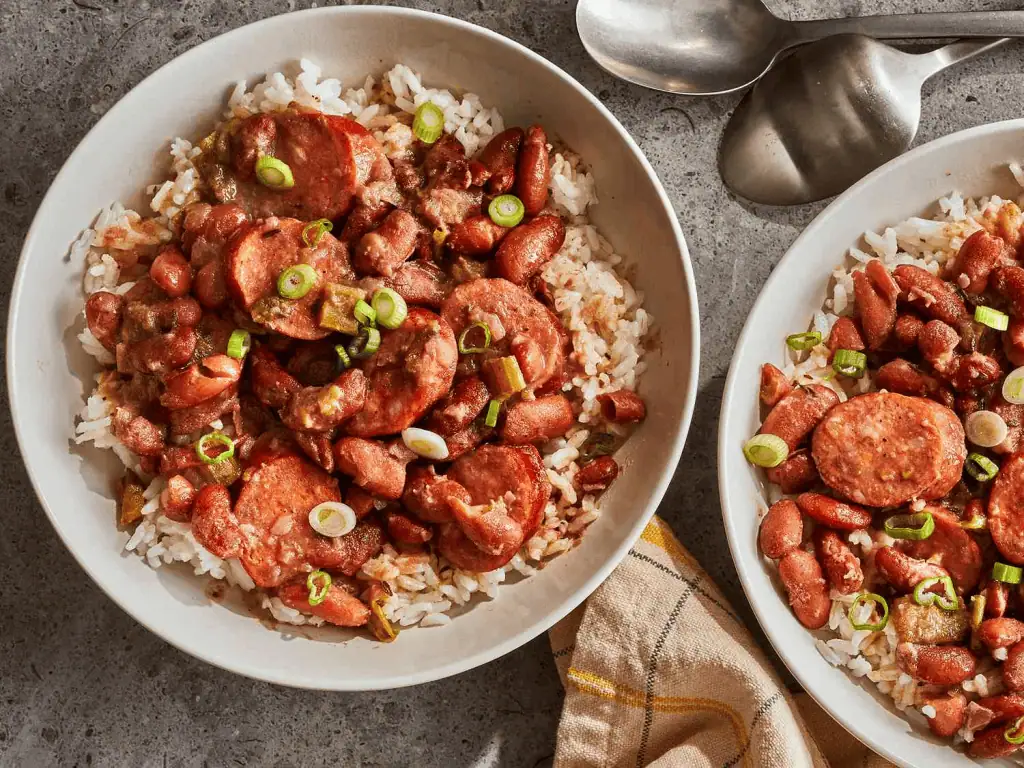
Rice and bean dishes are naturally inclusive, offering protein, fiber, and fullness. They can be served plain or dressed up with vegetables, sauces, or meat additions. This structure supports plant-based diets while accommodating others. Rice and beans work globally because they are affordable, flexible, and satisfying without relying on specific restrictions.
Salad as a Meal Base

Salads become inclusive when treated as a base rather than a side. Greens, grains, proteins, and toppings can be mixed or chosen separately. Everyone builds a plate that fits their diet while sharing the same components. Meal salads work because they emphasize balance and choice, allowing dinner to feel unified without being uniform.
