
10 ‘American’ Foods That Actually Came from Somewhere Else
Delving into the origins of familiar foods often reveals their unexpected journeys across cultures. Several dishes that are commonly considered American have rich histories rooted in other countries. This exploration provides insights into how these foods have evolved, highlighting the diverse influences that have shaped the American culinary landscape.
Macaroni and Cheese: A Taste of Italy

Traditionally linked to Italy, macaroni and cheese began its journey as pasta al burro e parmigiano, a simple dish of pasta with butter and Parmesan. Over time, it traveled to America, evolving into the creamy baked casserole we know today. Using the right pasta, such as elbow macaroni, ensures even cooking and sauce absorption. Employing a béchamel base with a blend of sharp cheddar and Gruyère offers a balance of flavor and creaminess, making each bite satisfying.
French Fries: Belgium’s Crispy Creation

While French fries are a staple in American fast-food culture, their roots trace back to Belgium. The key to achieving optimal crispiness lies in the double-fry method. First, fry the potatoes at a lower temperature to cook them through, then increase the heat for the second fry to golden perfection. Selecting the right potato variety, like Russet or Yukon Gold, and cutting them consistently thick ensures even frying and texture.
Ketchup: A Global Condiment Journey

Ketchup’s origins are far from American diners, stemming from a fermented fish sauce known as “kê-tsiap” in Southeast Asia. It evolved through British interpretation into the sweet tomato-based condiment familiar today. Mastering homemade ketchup involves balancing acidity, sweetness, and spices. Simmering tomatoes with vinegar, brown sugar, and allspice creates a rich, versatile sauce, worthy of any table.
Hot Dogs: From German Sausages to BBQs

Hot dogs have their beginnings in German sausages, specifically Frankfurt’s famed frankfurters and Vienna’s wieners. Bringing them to American barbecues, they transformed into a quintessential fast-food item. Key to an excellent hot dog is grilling it to achieve a balance between a juicy interior and a lightly charred exterior. Pairing these with quality buns and condiments enhances the experience, allowing the simplicity of well-prepared ingredients to shine.
Caesar Salad: Born in Tijuana, Mexico
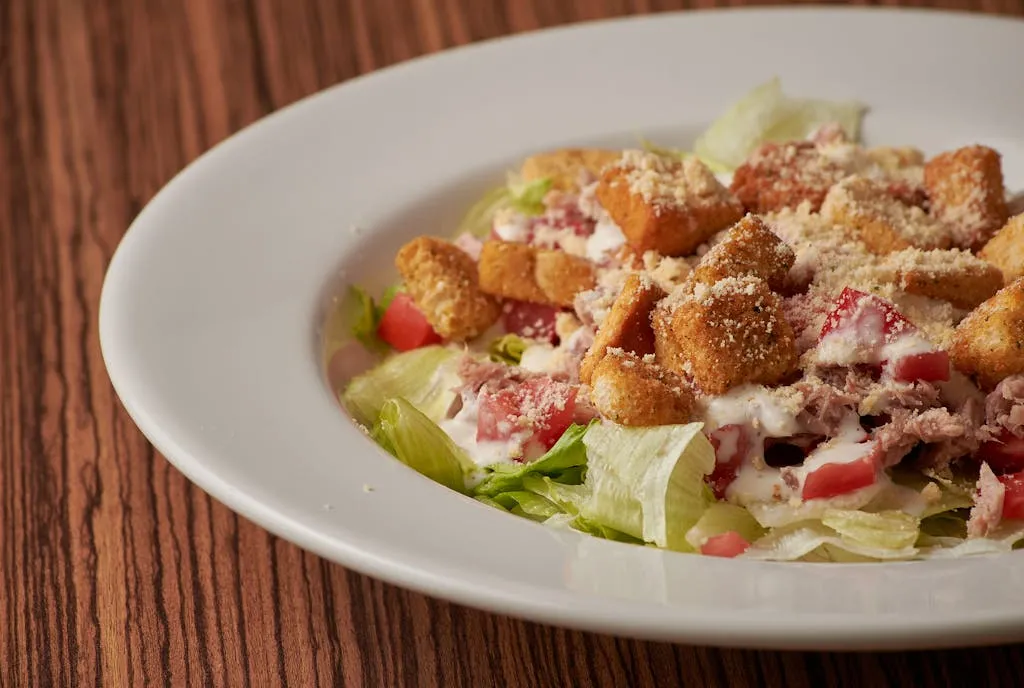
The Caesar Salad hails from Tijuana, Mexico, where it was crafted by Italian-American restaurateur Caesar Cardini. Its hallmark is the dressing, an emulsion of garlic, anchovy, egg yolk, lemon juice, Dijon mustard, and olive oil. Achieving the perfect texture involves slowly whisking oil into the egg yolk mixture to create a rich, creamy consistency. Freshly grated Parmesan adds umami depth, while crisp Romaine lettuce provides a refreshing counterbalance. Enhance the salad’s complexity with homemade croutons: cube day-old bread, toss in olive oil, and bake until golden.
Apple Pie: Imported from England

While often thought of as quintessentially American, apple pie actually traces its roots to England. Its harmonious balance of sweet and tart flavors is achieved with a mix of apple varieties, Granny Smith for tartness and Honeycrisp for sweetness are ideal choices. A perfect flaky crust comes from using cold butter and minimal handling, ensuring small lumps of fat remain in the dough. For an aromatic kick, blend cinnamon, nutmeg, and a hint of allspice. Baking on a lower rack ensures a thoroughly cooked bottom crust. Brush with egg wash for a glistening finish.
Chicken Parmesan: An Italian-American Classic

Chicken Parmesan, or ‘Parmigiana,’ evolved in the United States with Italian immigrant influence. Key to its success is breaded, pan-fried chicken cutlets topped with marinara sauce and melted cheese. For crispiness, dredge the cutlets in flour, egg, and seasoned breadcrumbs, then fry until golden. The sauce, made from San Marzano tomatoes, garlic, and basil, brings brightness and depth. Melt mozzarella and freshly grated Parmesan under a broiler until bubbly and browned. Serve with spaghetti or a simple side salad to cut the richness.
Bagels: A Jewish Delight from Europe
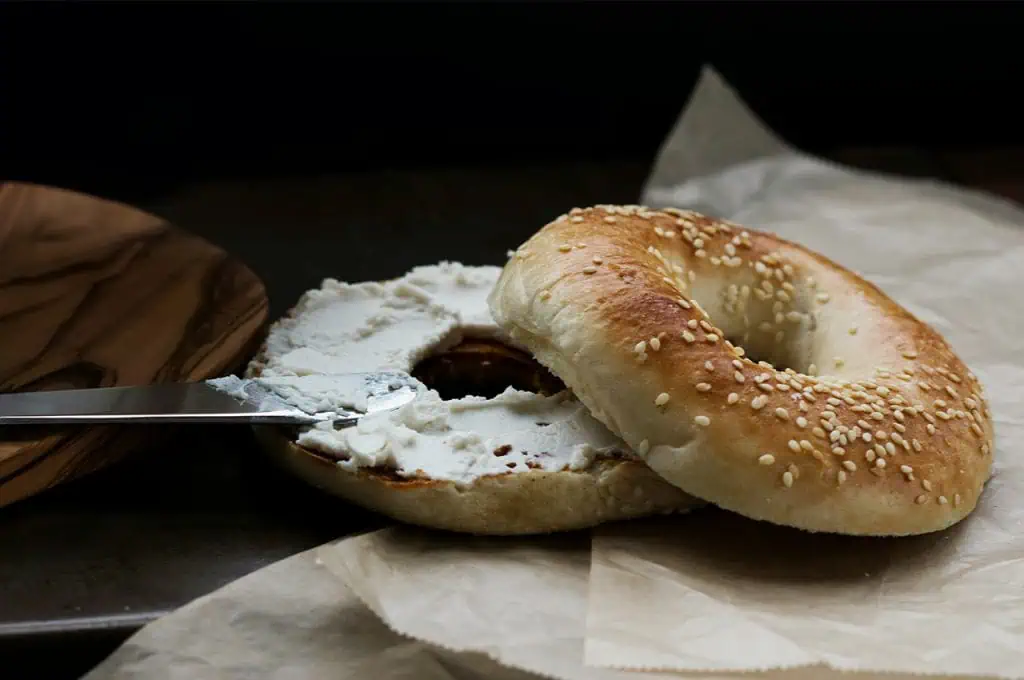
Bagels, now a staple in American breakfast culture, have Jewish origins from Eastern Europe. Their distinctive chewy texture and glossy crust come from boiling before baking. Use high-gluten flour to develop strong dough elasticity. After shaping, a quick boil in water with barley malt syrup gives the bagels their signature sheen and slightly sweet flavor. Bake at high heat for a crisp exterior. Top with sesame seeds or poppy seeds before baking for added flavor. Enjoy fresh or toasted, often paired with cream cheese or smoked salmon.
Coleslaw: Dutch Origins in a Bowl

Coleslaw’s origins trace back to the Dutch settlers of New York, who called it ‘koolsla,’ meaning cabbage salad. This versatile side combines shredded cabbage and carrots with a creamy dressing. Use a mandoline for uniform, thin slices that marinate well. The dressing, a blend of mayonnaise, cider vinegar, and honey, provides a creamy, tangy balance. For added freshness, incorporate chopped herbs like dill or parsley. The key is letting it rest in the fridge, allowing flavors to meld and cabbage to slightly soften. Serve alongside barbecue or sandwiches for crunch.
Cheesecake: A Sweet Gift from Greece
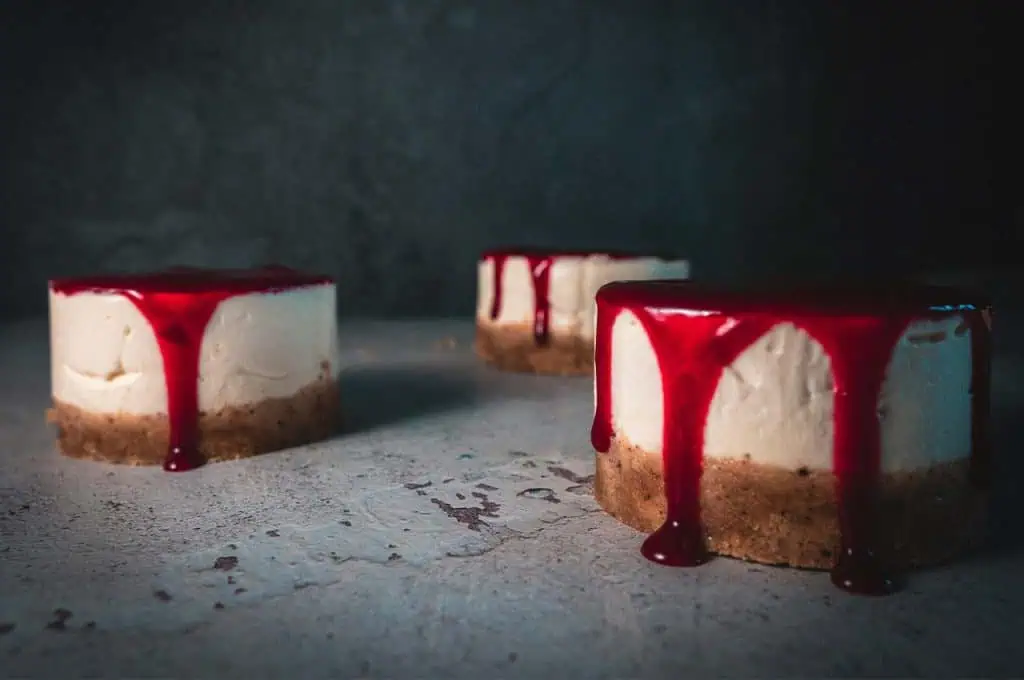
Cheesecake, a staple in American dessert scenes, traces back to ancient Greece. Greek records show athletes were served a simple version of this creamy indulgence. The modern cheesecake’s defining element is its velvety texture, achieved by blending cream cheese until it’s utterly smooth. Precision in mixing ensures air is minimized, preventing cracks that can form during baking. A gentle water bath regulates temperature, allowing even baking and retaining moisture. Opt for a graham cracker crust or delve into tradition with a rich, biscuit-like base. Each bite balances the tangy fill, a nod to its Byzantine roots.
