
Surprisingly Illegal: 13 Foods You Can’t Grow at Home in the U.S.
While home gardening offers a rewarding venture into food self-sufficiency, certain plants remain off-limits due to legal restrictions in the United States. These bans are often due to safety concerns or the potential misuse of specific properties. Understanding these restrictions is key for garden enthusiasts who dabble with unconventional crops. We’ll explore thirteen such foods, providing insights into why they can’t be cultivated domestically, starting with hemp and ending with the giant hogweed.
The Controversial Case of Hemp
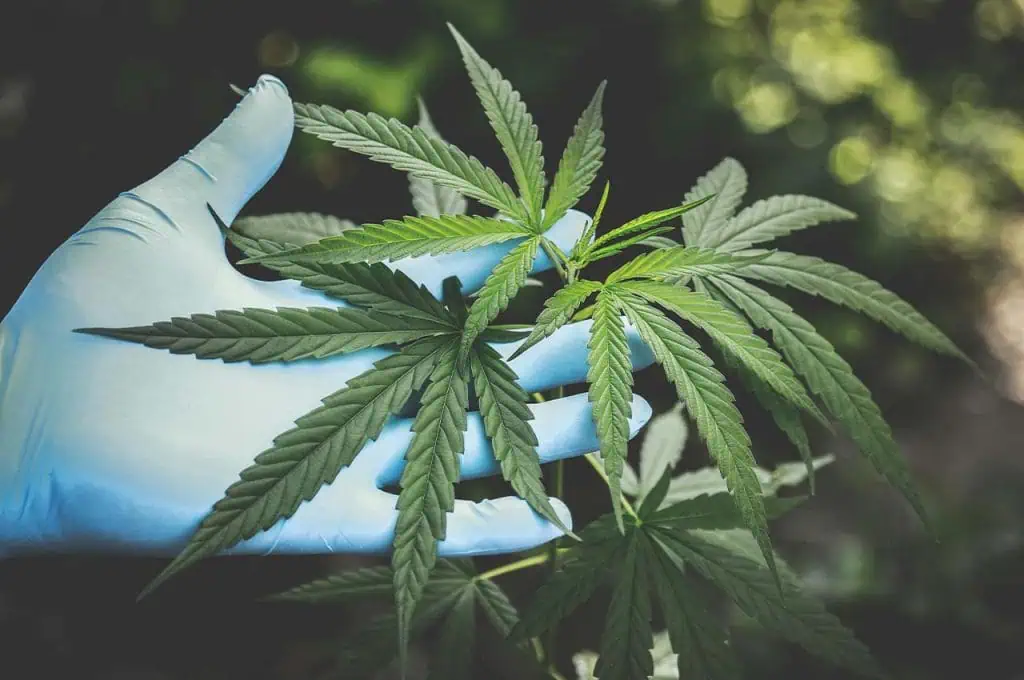
Hemp, despite its agricultural benefits, faces stringent regulations due to its association with marijuana. Both derive from the Cannabis plant, but hemp contains only trace amounts of THC, the psychoactive compound. Federal law now permits industrial hemp growth under strict conditions, mainly for commercial purposes. Home cultivation, however, is still largely prohibited, as officials monitor its THC content closely, distinguishing it from its psychoactive counterpart.
Opium Poppies: Beauty or Ban?
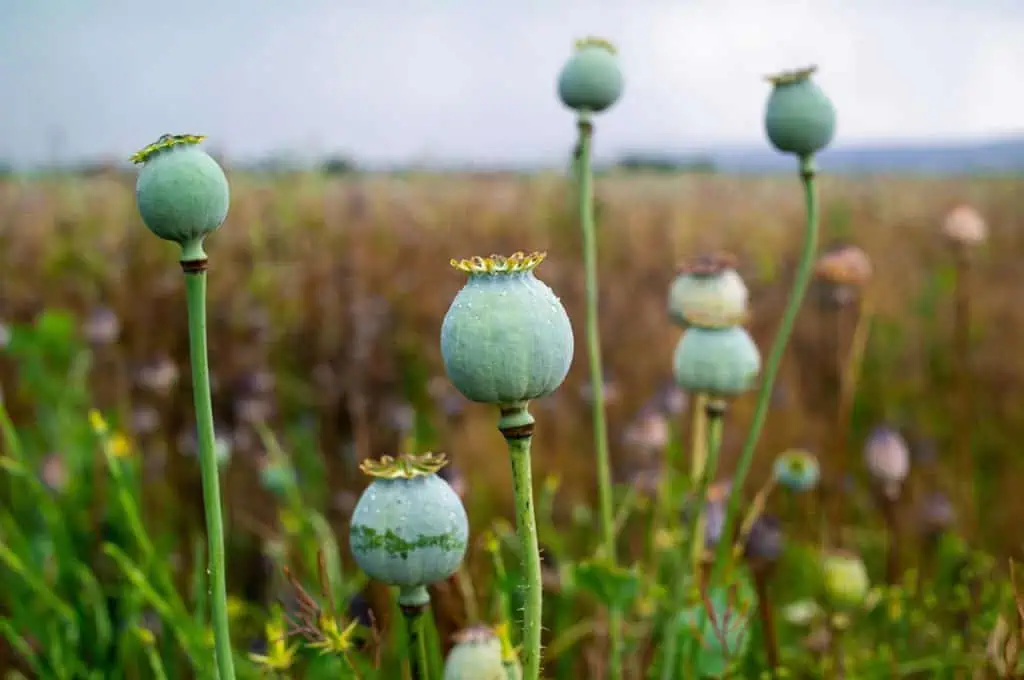
Opium poppies, known for their striking blooms, are banned due to their potential for producing opiates. Though they may seem like any ornamental plant, the alkaloids they produce can be processed into substances like morphine. Legal cultivation is tightly controlled and typically confined to research facilities. Home gardeners should opt for non-opium poppy varieties, which offer vibrant colors without legal concerns.
Psychoactive Mushrooms: A Risky Cultivation

The cultivation of psychoactive mushrooms, particularly Psilocybe species, is illegal because they contain psilocybin, a compound known for its hallucinogenic effects. Even small-scale home attempts are proscribed, given the substance’s classification as a controlled substance. Enthusiasts interested in mushrooms can explore legal, non-psychoactive varieties suitable for culinary use, like shiitake or oyster mushrooms, which offer rich flavors and textures.
Giant Hogweed: A Forbidden Giant

Giant hogweed may intrigue gardeners with its imposing stature and grandeur, but it poses significant health risks. Its sap can cause severe skin irritation and even blindness upon contact with the eyes. This plant’s invasive nature further prompts its prohibition, as it disrupts local ecosystems. Gardeners should steer clear of cultivating giant hogweed, instead selecting safer, visually appealing alternatives that promote biodiversity.
Kudzu: The Vine That Invades

Kudzu is notorious for its rapid growth and ability to overtake entire landscapes, making it illegal to cultivate in many U.S. regions. Known for its hardy vine structure, this plant can double in size within days, choking out native flora and disrupting local ecosystems. When managing areas with kudzu, it’s crucial to cut back any growth immediately and dispose of it in a manner that prevents regrowth. While its leaves are technically edible and even used traditionally in some cuisines, the plant’s invasive nature outweighs culinary applications, making cultivation a concern.
Japanese Knotweed: Invasive Yet Illegal

In the realm of persistent plants, Japanese knotweed stands out as one of the most aggressive. Recognized for its bamboo-like stems and white flowers, this perennial possesses a formidable root system that damages infrastructure and competes with native species. Though its young shoots are sometimes likened to rhubarb in flavor, lending themselves to various dishes, cultivation is often prohibited due to its environmental threat. Careful eradication measures, such as cutting and herbicide application, are recommended. Prioritize wearing gloves and protective clothing to handle this resilient plant safely.
Jicama Seeds: Tasty but Toxic

Jicama is deliciously crunchy and sweet, a root vegetable that often finds its way into salads and salsas. However, caution is essential, as the seeds of the jicama plant are highly toxic, containing compounds that can be harmful if ingested. The root itself is safe and nutritious, provided it is peeled thoroughly to remove any potentially toxic skin. When growing jicama, ensure it is harvested before seeds develop, and secure them away from pets and children. Reliable seed sources should be used to prevent any accidental consumption or mishandling.
Castor Beans: The Ricin Risk
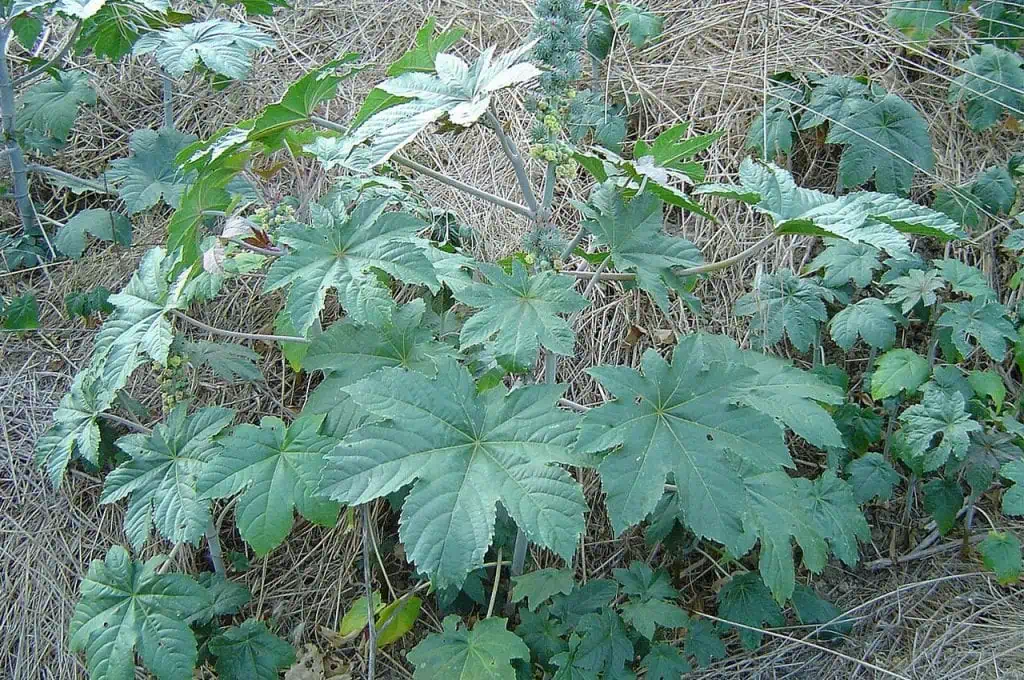
Castor beans are infamous for containing ricin, one of the most potent toxins known. While the castor oil extracted from the seeds is safe and widely used industrially, the beans themselves pose serious health risks if handled improperly. It’s crucial for home gardeners to avoid cultivating castor bean plants in their gardens. In regions where they grow naturally, take care to identify and remove them promptly, using gloves and protective eyewear. Secure and safe disposal is necessary to prevent accidental ingestion by animals or humans.
Belladonna: Deadly Nightshade Mystery

Belladonna, also known as deadly nightshade, bears both an alluring name and a sinister reputation. With berries that resemble small tomatoes, this plant is highly toxic, containing tropane alkaloids like atropine. Historically used in various traditional medicines, its cultivation remains banned for personal use due to its potency. Gardeners should be alert for the plant’s distinctive purple flowers and dark berries and take immediate measures to remove it. Proper identification and caution are critical to avoid accidental ingestion and ensure garden safety.
Ephedra: Banned for Your Health

In the realm of forbidden flora, Ephedra stands out due to its health risks. This plant, often associated with weight loss supplements, contains ephedrine alkaloids, which can pose significant cardiovascular risks. While Ephedra has historical medicinal use, its cultivation at home in the U.S. is prohibited to prevent potential misuse and health hazards. Understanding the reasons behind this ban highlights the balance between traditional botanical uses and modern safety regulations.
Pimento Leaf Pepper: A Spicy Surprise

Pimento leaf pepper, also known as allspice leaves, offers a unique culinary punch but can’t be grown at home in the U.S. due to agricultural restrictions. The leaves impart a complex mix of cinnamon, cloves, and nutmeg nuances, enhancing stews and marinades. However, potential pest issues and ecological impact prevent home cultivation. Appreciating this aromatic complexity invites exploration of alternative spices that can mimic its vibrant character in your cooking endeavors.
Chinese Ephedra: Traditional Yet Taboo

Chinese Ephedra, or Ma Huang, has been used in traditional medicine for its stimulant properties. Nevertheless, its cultivation is restricted due to similar concerns as its western counterpart, Ephedra. Recognized for its bronchodilatory effects, it poses health risks that outweigh its benefits when misused. Its legal status serves as a reminder of the need to respect and abide by health regulations while acknowledging cultural practices that influence such prohibitions.
Betel Nut Palm: Chewing Controversy

The Betel Nut Palm, often chewed in certain cultures for its stimulant effects, is illegal to grow at home due to health and addiction concerns. The nuts contain areca nut, which is linked to oral cancer and other health issues. Despite its cultural significance in rituals and social practices, the plant remains prohibited to prevent widespread health implications. This ban underscores the complexity of balancing cultural traditions with public health priorities in the food and agriculture sectors.
