
Chefs’ Secrets for Keeping Peaches Fresh and Flavorful

Proper techniques for storing peaches can significantly extend their freshness and flavor. By understanding the nuances of peach preservation, you'll enjoy their juicy sweetness longer. This guide offers practical insights, drawn from professional kitchens, to help you maintain the quality of your peaches with minimal effort.
The Counter Storage Secret

Storing peaches on the counter is ideal for preserving texture and flavor, providing their skins remain unbroken. Keep peaches stem-side down and arranged in a single layer to avoid bruising. The natural ripening process is enhanced by air circulation, allowing the peaches to develop their optimal taste. Monitor them daily to capture their perfect ripeness before moving to other storage methods.
Perfect Refrigeration Timing

Once peaches reach desired ripeness on the counter, refrigeration halts further ripening, maintaining peak flavor for a few extra days. Place them in the crisper drawer with a breathable cloth for cushioning, preventing temperature fluctuations. It’s essential to consume refrigerated peaches within 3-5 days to enjoy their full flavor profile before the texture begins to degrade.
Paper Bag Ripening Hack

To expedite the ripening process, use a paper bag. Enclosing peaches with an apple or banana accelerates ethylene gas production, enhancing ripening. Check daily for softness and aroma, keys to determining ripeness. Once ripe, transfer to refrigeration, using the bag technique strategically for staggered ripening if you have multiple peaches at varying stages.
Pro-Level Temp & Humidity Control

Professional kitchens use precise temperature and humidity settings to extend the life of peaches. Ideal humidity prevents moisture loss while keeping peaches firm but not dry. Maintain temperatures around 30-32°F with 90% humidity, using a dedicated fruit fridge if possible. For home cooks, small containers with vented lids can replicate this environment effectively, ensuring peaches remain fresh and flavorful.
Stop Oxidation & Browning

Preventing peaches from browning requires an effective acid treatment. A simple blend of lemon juice and water, about one tablespoon per cup, can slow oxidation without altering the taste noticeably. Submerge sliced peaches in this solution briefly, ensuring even coverage. Employ stainless steel tools during preparation, as they are less reactive than other metals, which can exacerbate browning. Keep the treated peaches in a cool, covered container if they’re not being used immediately to maintain their vibrant hue.
Ethylene Gas Use Explained
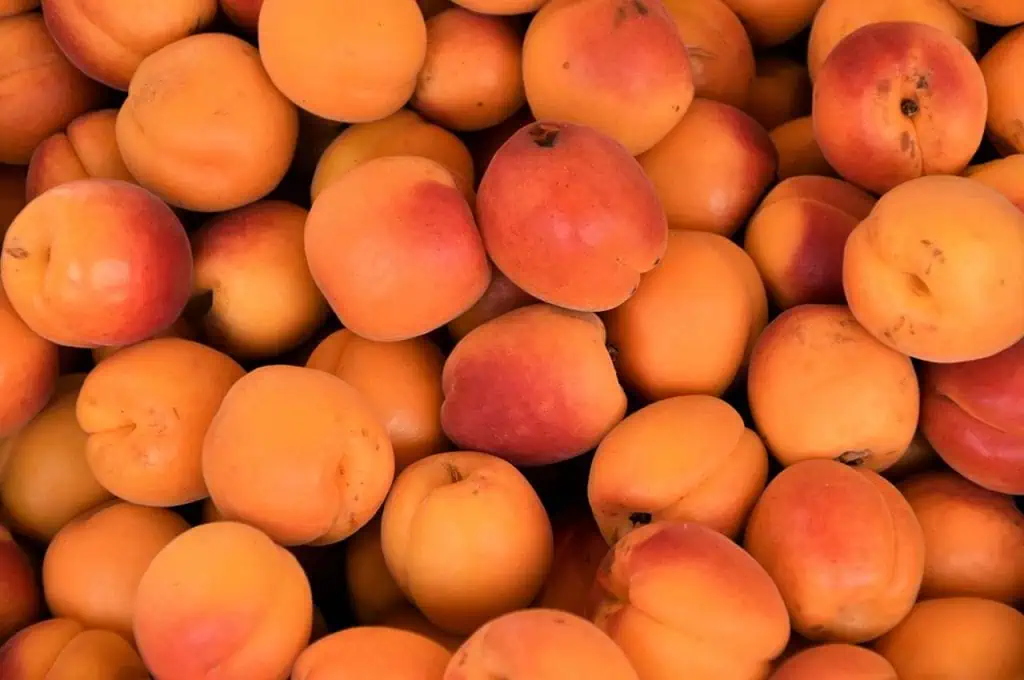
Understanding ethylene gas can help in managing peach ripening. Ethylene is a natural plant hormone that accelerates ripening. To hasten ripening, store peaches in a brown paper bag at room temperature, where the gas can concentrate. Conversely, store ripe peaches in refrigeration to slow the process. Avoid keeping peaches near ethylene-sensitive vegetables, as it may lead to premature spoilage. By controlling exposure, you can better manage the desired stage of ripeness.
Flash Freezing for Long-Term

Flash freezing is an excellent method for preserving peaches’ texture and taste over time. Begin by rinsing and slicing the peaches to your preferred size. Arrange them in a single layer on a baking sheet lined with parchment paper and ensure they aren’t touching to prevent clumping. Freeze them solid, which should take about 2 to 4 hours. Once frozen, transfer the slices to a labeled, airtight container or freezer bag, removing as much air as possible to maintain quality.
Sugar Packing for Preservation
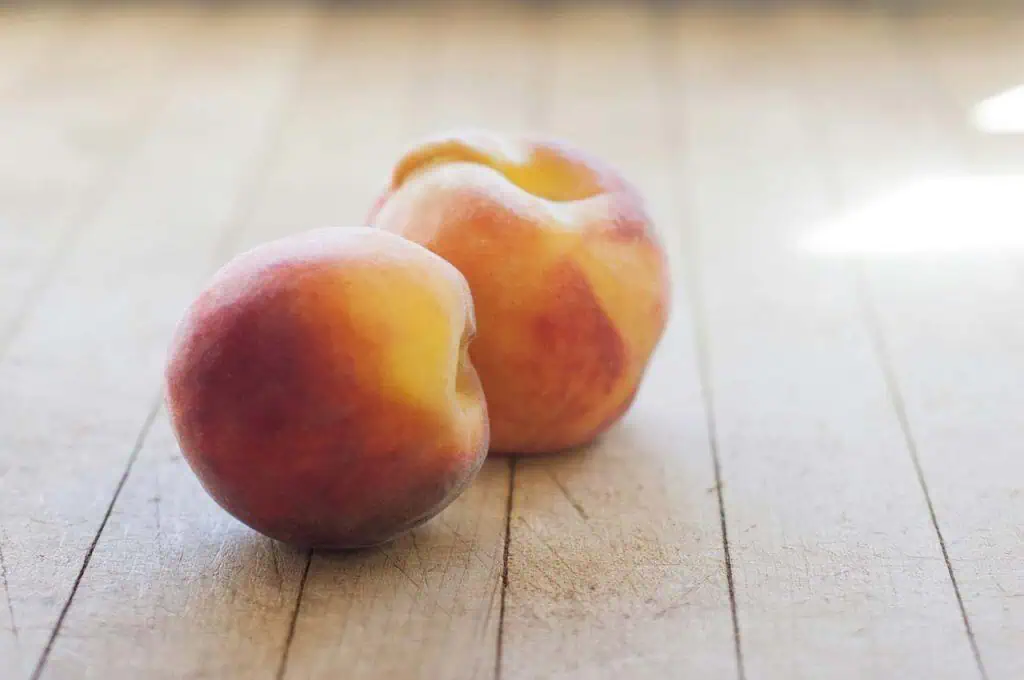
Sugar packing is a classic technique that extends the shelf life of peaches by creating an inhospitable environment for bacteria. Mix your sliced peaches with granulated sugar, about a half cup per four cups of fruit, to draw out natural juices, forming a protective syrup. Let the mixture rest for 15 minutes, then store in an airtight container, pressing out extra air. Refrigerate for short-term use or freeze for up to a year, preserving the fruit's natural sweetness.
Vacuum Seal for Freshness

Vacuum sealing peaches is an advanced technique for locking in their fresh flavor and texture. Start by removing the pit and cutting the fruit into wedges. Arrange the slices flat in the vacuum bag, ensuring no overlap. Use the vacuum sealer according to the manufacturer’s instructions, carefully removing as much air as possible. This method minimizes air exposure, significantly delaying spoilage. Store the sealed peaches in the freezer for maximum freshness, enjoying vibrant, juicy fruit whenever needed.
Choosing the Right Variety
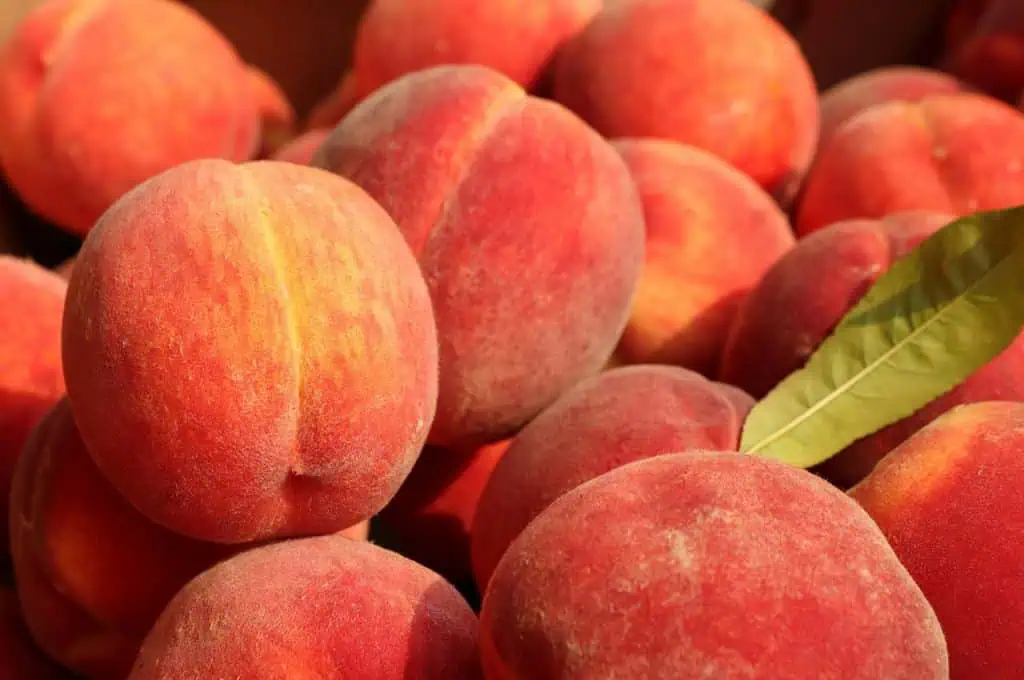
Selecting the perfect peach begins at the market. Opt for varieties like “Elberta” or “O’Henry,” known for their balanced sweetness and firm texture. These are ideal for both fresh consumption and cooking. Look for peaches that emit a pleasant fragrance and have a slight give when gently pressed. Avoid any that feel too firm or too soft, as these indicate under-ripe or overripe fruit, respectively. The skin should be vibrant and free from blemishes for optimal taste and texture.
Quality Check & Rotation Tips

In your kitchen, manage your peach supply with effective quality checks. Inspect each fruit for soft spots or bruising, rotating them regularly to minimize spoilage. Arrange peaches in a single layer on the countertop to allow for even airflow. Keep an eye on color changes and separate any fruits nearing over-ripeness, using them first for recipes or snacks. This methodical approach ensures that each peach is enjoyed at its peak ripeness, preserving its flavor and juiciness.
Mastering Peach Storage

Store peaches at room temperature until they reach desired ripeness, placing them stem side down on a flat surface. Once ripe, move them to the refrigerator to slow down further ripening, ideally in a perforated bag to maintain airflow. If the goal is long-term storage, blanch and peel the peaches, then slice and freeze them in a single layer before transferring to airtight containers. This technique maintains their flavor and texture, making fresh-tasting peaches accessible year-round.


