
8 Popular Grocery Items Banned in Europe But Still Sold in American Stores

In recent years, the global food landscape has witnessed stark contrasts in food regulations, leading to certain grocery items being banned in Europe while remaining available in U.S. stores. These bans typically arise from Europe's stricter approach to food safety and ingredient transparency. This divergence highlights the importance of understanding what goes into our food. We'll explore popular American products like Breyers ice cream and Kraft Mac & Cheese, examining the ingredients that raise concerns abroad yet are still part of the American diet.
Breyers: The Bright Side of Vanilla?

Breyers ice cream, a household favorite in the U.S., faces scrutiny in Europe due to the inclusion of artificial vanillin. While this synthetic vanilla substitute is common in American desserts, it's frowned upon in Europe, which favors natural ingredients. The difference in regulations prompts a closer look at how natural vanilla beans can transform a recipe. Their deep, aromatic profile offers a more complex flavor than artificial counterparts. For those making ice cream at home, consider using pure vanilla extract or paste, appreciating the richness it brings that aligns with European standards.
Nestlé Toll House: Chipping Away at Preservatives

Nestlé Toll House cookies are iconic in America, featuring semi-sweet chocolate chips beloved by many. However, these chips sometimes contain preservatives like TBHQ to extend shelf life, which are restricted in Europe due to health concerns. Understanding the necessity of freshness can guide home bakers to craft cookies with minimal additives. Opting for chocolate brands that prioritize simplicity and avoiding preservatives can ensure flavor integrity. By cooling cookies naturally, they maintain a delightful chew that celebrates clean, unadulterated ingredients—a nod to European preferences.
Kraft Mac & Cheese: A Colorful Controversy

Kraft Mac & Cheese, celebrated for its vibrant hue, often utilizes food dyes such as Yellow 5 and Yellow 6. These colorants raise red flags in Europe, where they are either restricted or require warning labels due to potential health impacts on children. The appeal of homemade mac and cheese lies in its natural cheesy color achieved without artificial dyes. By using a mix of sharp cheddar and a hint of paprika for color, home cooks can replicate the classic appeal while adhering to more stringent health perspectives. This shift appeals to both visual and health-conscious eaters alike.
Jell-O Gelatin: Jiggling with Mystery Ingredients

Jell-O gelatin is a staple of nostalgic American desserts, known for its vivid colors and wobbling texture. Yet, its inclusion of artificial colors and sweeteners is contested in Europe. Home creating a gelatin treat can be an opportunity to focus on natural fruit juices and pure gelatin, avoiding the mystery of chemical additives. This approach not only enhances flavor but also improves the nutritional profile of the dish. Setting the mixture slowly can result in a perfect ‘jiggle’ that respects both the beloved dessert's essence and modern, health-aware sensibilities.
Gatorade: Quenching with a Colorful Twist

In the U.S., Gatorade is a go-to for hydration, yet some of its vibrant hues come from additives like Yellow No. 5 and Yellow No. 6, banned in Europe. These synthetic dyes contribute more to visual appeal than taste. European standards emphasize natural colorings due to health concerns surrounding hyperactivity. For a homemade alternative, consider mixing natural fruit juices with coconut water, balancing electrolytes without synthetic colors. Use fresh lime or orange zest for a refreshing burst while sidestepping the additives.
Hormel Spam: A Salty Situation
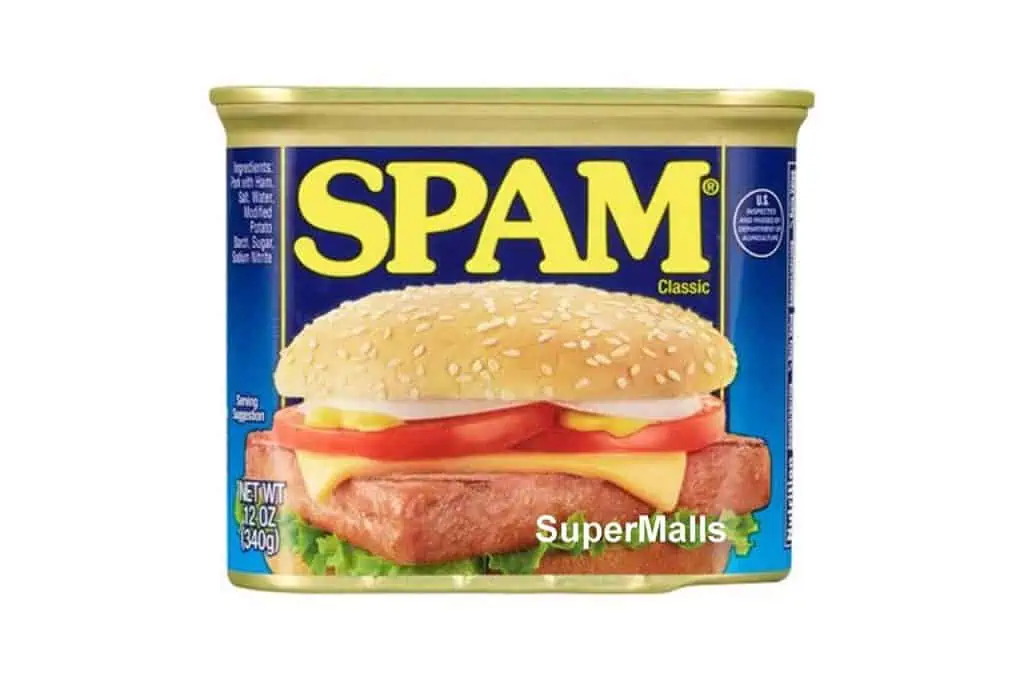
Iconic in many households, Spam can be a quick protein fix. However, the processed meat product is banned in parts of Europe due to its sodium nitrate and excessive salt content. These preservatives have been linked to health issues, raising concerns overseas. To mimic the texture and flavor at home, try a blend of ground pork with a touch of smoked paprika and reduced salt, then slow-cook to infuse robust flavor. This approach allows for control over ingredients, prioritizing health without sacrificing taste.
Kellogg’s Corn Flakes: The Breakfast Breakdown

A breakfast staple in many American homes, Kellogg's Corn Flakes face scrutiny in Europe due to BHT, a preservative that maintains freshness. With restrictions across the Atlantic, similar cereals opt for alternatives like vitamin E to extend shelf life. To create a DIY version, bake thin layers of cornmeal with minimal sugar and natural preservatives. This not only matches the classic crunch but also aligns with healthier food regulations, allowing you to savor breakfast sans synthetic additives.
Cheetos Crunchy: The Bold, Banned Bite

Cheetos are beloved for their unmistakable crunch and cheesy coating, yet Europe bans them for the artificial coloring and flavorings that contribute to their distinctive character. Health concerns primarily center on the artificial dyes and MSG. For a homemade version, coat lightly baked cornmeal with paprika and cheddar cheese, retaining the bold flavor naturally. This method elevates the snacking experience by focusing on whole ingredients, steering clear of the additives found in the original form.


