
10 Climate-Friendly Ingredients Every American Family Can Cook With in 2026

Incorporating climate-friendly ingredients into family meals can nourish both your loved ones and the planet. Embracing these ingredients not only supports sustainable agriculture but also adds diversity and nutrition to your diet. By focusing on versatile options like lentils, chickpeas, and oats, along with fresh, seasonal vegetables, you can create delicious meals with minimal environmental impact. This guide details ingredients that are easy to incorporate into your daily routine, helping home cooks prepare with confidence and care.
Lentils: Small but Mighty

Lentils are a powerful addition to any kitchen, offering a wealth of protein and fiber without straining environmental resources. Whether you choose brown, green, or red varieties, they adapt well to soups, stews, and salads. Rinse them well before cooking to remove any debris, then simmer gently to preserve their shape. A basic approach involves cooking them with aromatic vegetables like onions, garlic, and carrots for added depth. Their earthiness pairs beautifully with spices like cumin and coriander for a satisfying, hearty dish.
Chickpeas: The Versatile Legume

Chickpeas bring a rich, nutty flavor and creamy texture to a range of dishes. High in protein and iron, they’re a staple for creating satisfying meals. For the best results, soak dried chickpeas overnight before cooking, which enhances their tenderness and reduces cooking time. Once boiled until soft, experiment by roasting them with a sprinkle of paprika and olive oil for a crispy snack, or blend with tahini and lemon juice for a smooth hummus. Their adaptability makes them a must-have ingredient for any sustainable kitchen.
Oats: Breakfast to Dinner Hero

Oats are a nutritional powerhouse, known for their heart-healthy properties and versatility. Use rolled or steel-cut varieties to craft nourishing breakfasts, like warm oatmeal topped with fresh fruits and nuts. Beyond breakfast, incorporate oats into savory dishes, such as adding them as a binder in meatballs or veggie burgers. For a quick dessert, opt for oat-based crumb toppings over seasonal fruits. Their mild flavor and hearty texture deliver a satisfying base for both sweet and savory applications, making them an invaluable pantry staple.
Seasonal Vegetables: Fresh and Local
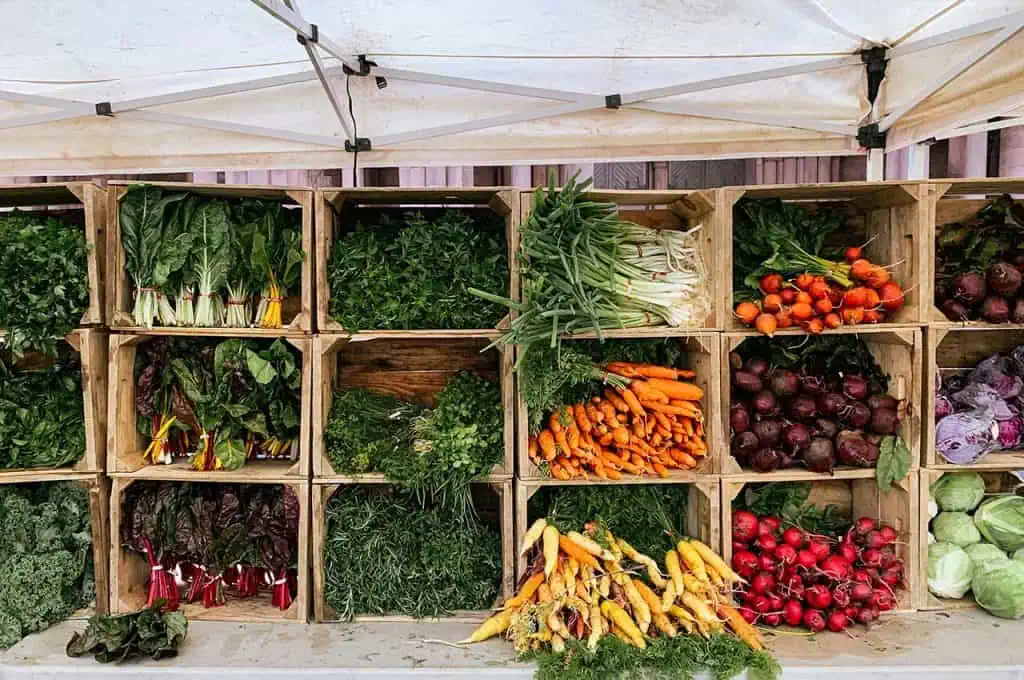
Prioritizing seasonal vegetables connects your kitchen to the rhythm of nature and supports local farming. These vegetables are fresher, tastier, and often grown with fewer resources than out-of-season options. Look for local farmers' markets or join a community-supported agriculture (CSA) program to access the freshest produce. Embrace the unique flavors of each season—like hearty root vegetables in winter or juicy tomatoes in summer. Simple preparations like roasting or steaming enhance their natural flavors, allowing the vegetables to shine as the star of your dishes.
Tomatoes: Bursting with Flavor

Tomatoes are a versatile ingredient, ideal for enriching a variety of dishes. To enhance their natural sweetness, consider roasting. Slice tomatoes evenly, drizzle with olive oil, and sprinkle with salt before roasting at 400°F. This method concentrates their flavors, resulting in a rich, umami-packed component for any dish. Incorporate them into sauces, salads, or as a vibrant topping for bruschetta. Selecting ripe tomatoes, characterized by their deep color and slight give when pressed, ensures the best possible flavor and texture.
Brown Rice: The Whole Grain Staple

Brown rice, a nutrient-dense whole grain, offers a nutty flavor and chewy texture. Rinse it under cold water to remove excess starch, ensuring fluffier results. Use a 2:1 water-to-rice ratio and bring to a boil, then reduce to a simmer for about 45 minutes. Allow it to rest for 10 minutes off the heat with the lid on, absorbing any residual steam. This technique retains nutrients and enhances the flavor, making it an excellent base for stir-fries, grain bowls, or a hearty side dish.
Beans: Protein Powerhouses

Beans are essential for their high fiber and protein content. To cook dried beans, soak them overnight to reduce cooking time and improve digestibility. Simmer beans in fresh water, adding aromatics like bay leaves or garlic to enhance flavor. Avoid adding salt until they are nearly tender, as salt can toughen the skin. Canned beans can be a convenient alternative; just rinse thoroughly to reduce sodium. Versatile and satisfying, beans can be used in soups, salads, and chilis, providing a hearty and nutritious meal foundation.
Tofu: Plant-Based Perfection

Tofu, known for its adaptability, absorbs flavors beautifully. Press tofu to remove excess moisture, leading to a firmer texture that crisps well. Marinate in a mix of soy sauce, ginger, and garlic for depth. Pan-fry or bake at 400°F for a golden crust, enhancing its chewy quality. Silken tofu, softer and creamier, excels in smoothies, sauces, and desserts. Incorporate tofu into stir-fries, curries, or as a protein-packed salad topping, adding both substance and savory satisfaction to meals.
Root Vegetables: Nutrient-Rich Gems

Root vegetables like carrots, beets, and parsnips are not only nutrient-rich but also versatile and robust. Roast them to enhance their natural sweetness, cut into uniform pieces for even cooking, and toss with olive oil, salt, and herbs. Roast at 425°F until caramelized and tender. They can also be pureed into soups or mashed as a side. When stored in a cool, dark place, root vegetables maintain their longevity, offering a hearty and flavorful option for meals throughout the year.
Canned or Frozen Fish: Ocean-Friendly Choice

Selecting canned or frozen fish as part of a sustainable diet means embracing environmental responsibility without compromising taste. Fish like sardines, mackerel, and Alaska pollock offer nutrient density and omega-3 richness, while their preservation processes reduce food waste. Opt for brands adhering to Marine Stewardship Council standards to ensure sustainable harvesting. When cooking, defrost frozen fish slowly in the refrigerator for optimal texture, or use canned fish to enhance pasta dishes or salads. Employ minimal seasoning to let the fish’s natural flavors shine, using lemon zest or fresh herbs for a vibrant finish.


