
The Best Moist Mini Lemon Bundt Cake Recipe


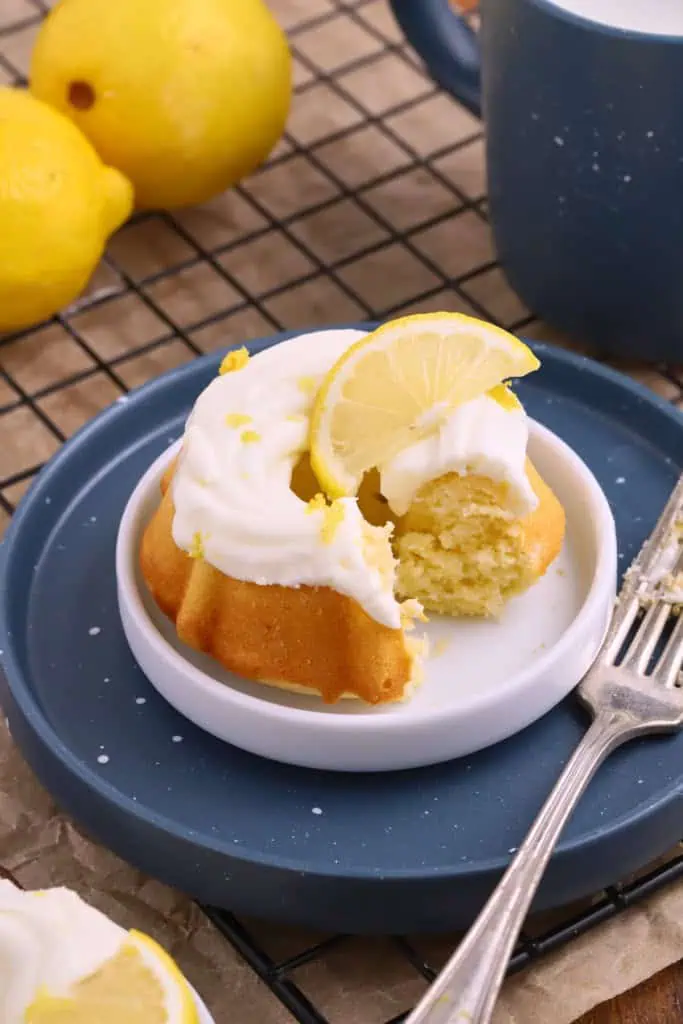
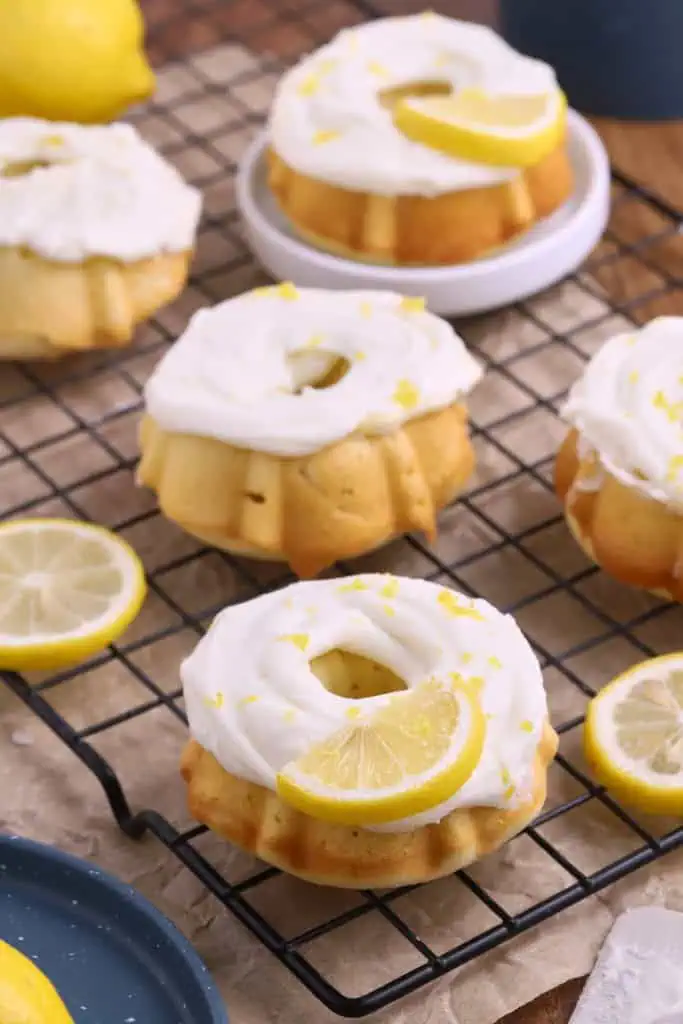
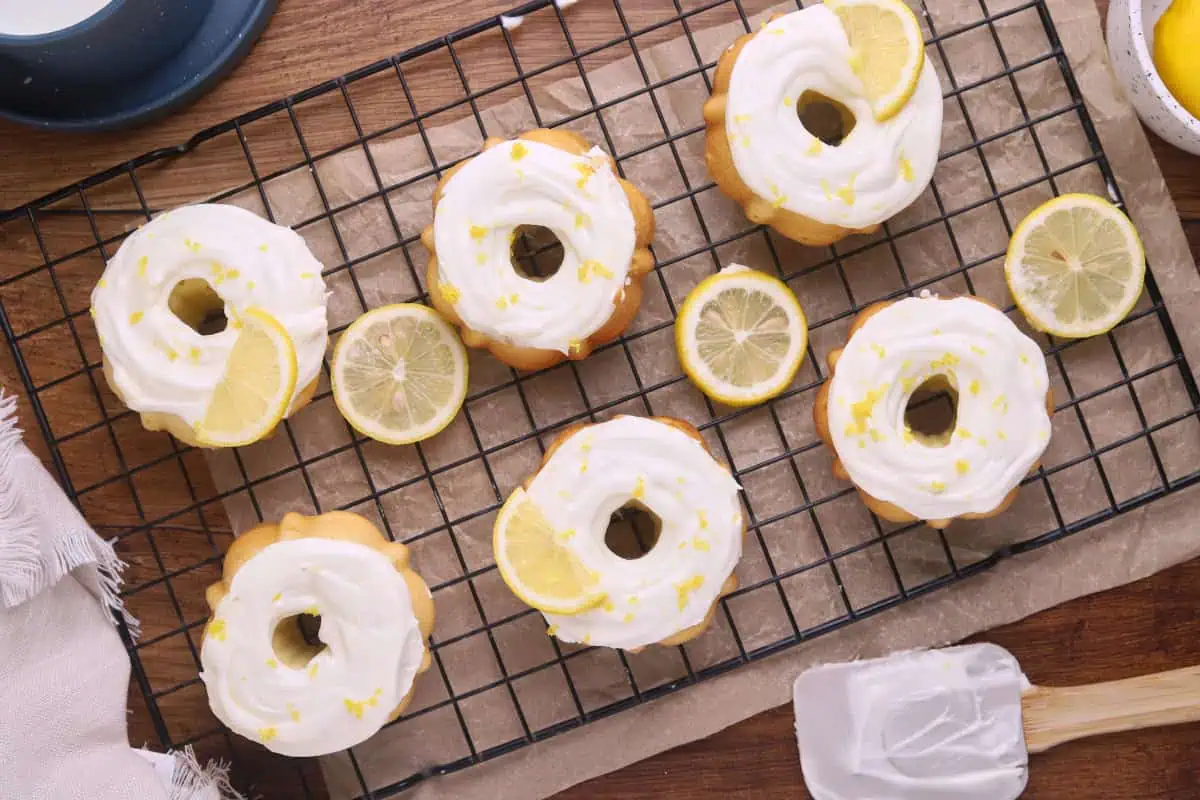
These mini lemon bundt cakes are little rays of sunshine with ridges: soft, buttery, ultra moist, and packed with fresh lemon in every single bite. Each one gets crowned with a swirl of lemon cream cheese frosting that settles into those pretty bundt grooves like it was born there. Mini desserts always get attention, and there’s just something about individual little cakes on a platter that feels special immediately.
I’m a longtime member of the mini bundt fan club. My chocolate peppermint mini bundt cakes own the winter holidays and my mini pumpkin bundt cakes run the fall table, so these lemon beauties complete the set for spring and summer. Same elegant look, zero decorating skills required. That’s my favorite kind of recipe.
About This Recipe
These are from-scratch mini lemon bundt cakes made with the zest of 3 lemons, 6 tablespoons of fresh lemon juice, and both buttermilk and sour cream in the batter, topped with a lemon cream cheese frosting rather than a thin glaze. The recipe makes 6 mini cakes with 25 minutes of prep and a 15 to 18 minute bake at 350 degrees. Cakes must cool completely before frosting or the frosting melts.

Recipe Snapshot
Prep Time: 25 minutes
Cook Time: 15 minutes
Total Time: 40 minutes
Servings: 6 mini cakes
Difficulty: Easy to moderate
Perfect For: Spring brunches, Easter desserts, baby showers, tea parties, Mother’s Day, bake sales, and lemon lovers
Main Ingredients: All-purpose flour, lemon zest, lemon juice, sour cream, buttermilk, butter, cream cheese, and powdered sugar
Why You’ll Love My Mini Lemon Bundt Cakes
Why This Recipe Works
The best lemon cakes need enough citrus flavor to taste bright, but enough richness to stay soft. This recipe does both.
Lemon zest brings the strongest lemon aroma, while lemon juice adds that fresh tang. Sour cream adds moisture and tenderness, and buttermilk helps create a softer crumb with a little extra flavor. Together, they keep the cakes from tasting flat or drying out too quickly.
The mini bundt pan also gives you more surface area than one large cake. That means you get pretty edges, faster baking, and a shape that looks impressive with very little effort. The only catch is that you need to grease the pan really well so every little detail releases cleanly.
To make the best tasting mini lemon bundt cakes, I’ve included buttermilk and sour cream into the cake batter. These two key ingredients add a ton of flavor to the simple lemon cake batter and the perfect amount of moisture to ensure that you don’t get ultra soft and fluffy mouthfuls with every bite!
Make the bundt cakes ahead of time if you like, and whip up fresh lemon cream cheese frosting just before serving. A little sprinkle of fresh lemon zest over the frosting with a thin slice of lemon completes the look and is sure to impress your friends and family!
The Ingredient Breakdown

Top Tip for a “Fabulous” Finish
Wait for completely cool cakes before frosting, and I mean completely. I got impatient once and piped frosting onto cakes that felt just barely warm to the touch. Within two minutes I watched my beautiful swirls slide down the ridges into a puddle on the platter. Even slightly warm cake turns cream cheese frosting into soup. Touch the bottom of a cake; if there’s any warmth at all, walk away for another 20 minutes.
How to Make Mini Lemon Bundt Cakes
Step 1: Prep the Pan Like You Mean It
Preheat your oven to 350 degrees. Coat every curve and crevice of your mini bundt tray thoroughly with non-stick spray, holding the pan up to the light to check for missed spots. Mini bundt cavities have more surface area touching the cake than a full-size pan, so this step decides whether your cakes release in one piece or leave their ridges behind. The pan should look evenly glossy all over.
Step 2: Whisk the Dry Ingredients
In a medium mixing bowl, whisk together the flour, baking powder, and salt until evenly combined. A good 20 seconds of whisking distributes the leavening so every cake rises the same. The mixture should look uniform and slightly aerated, like it’s been through a sifter.
Step 3: Cream, Then Build the Wet Base
In a separate bowl, beat the cool butter and sugar on medium-high until fluffy, about 3 minutes. It starts looking like wet sand and finishes light and pale, and that transformation is your cue it’s ready. Add the lemon zest, lemon juice, and sour cream and mix until smooth, then add the eggs one at a time, beating after each. If the mixture looks slightly curdled after the juice goes in, don’t panic. The flour pulls it all back together in the next step.
Step 4: Alternate the Flour and Buttermilk
With the mixer on low, add half the dry mixture and half the buttermilk. Once combined, add the remaining halves, scraping down the sides as needed, and mix only until the last streak of flour disappears. The batter should be thick and fall from the beater in a slow ribbon. Overmixing here builds gluten, and gluten turns delicate little cakes into rubbery muffins.
Step 5: Fill and Thump
Spoon the batter into the prepared cavities until each is about 3/4 full. Then give the pan one firm thump flat on the counter. You’ll hear a satisfying whack, and that jolt forces batter into the bottom of every ridge and pops the trapped air bubbles that would otherwise leave craters in your pretty design.
Step 6: Bake, Rest, and Release
Bake for approximately 15 to 18 minutes, until the tops are lightly golden and a toothpick comes out clean. Let the cakes rest in the pan about 10 minutes. You’ll actually see them shrink slightly away from the edges as they cool, and that pullback is the pan telling you it’s ready to let go. Invert onto a wire rack, give a gentle tap, and the cakes should slide out with their ridges intact.
Step 7: Frost and Finish
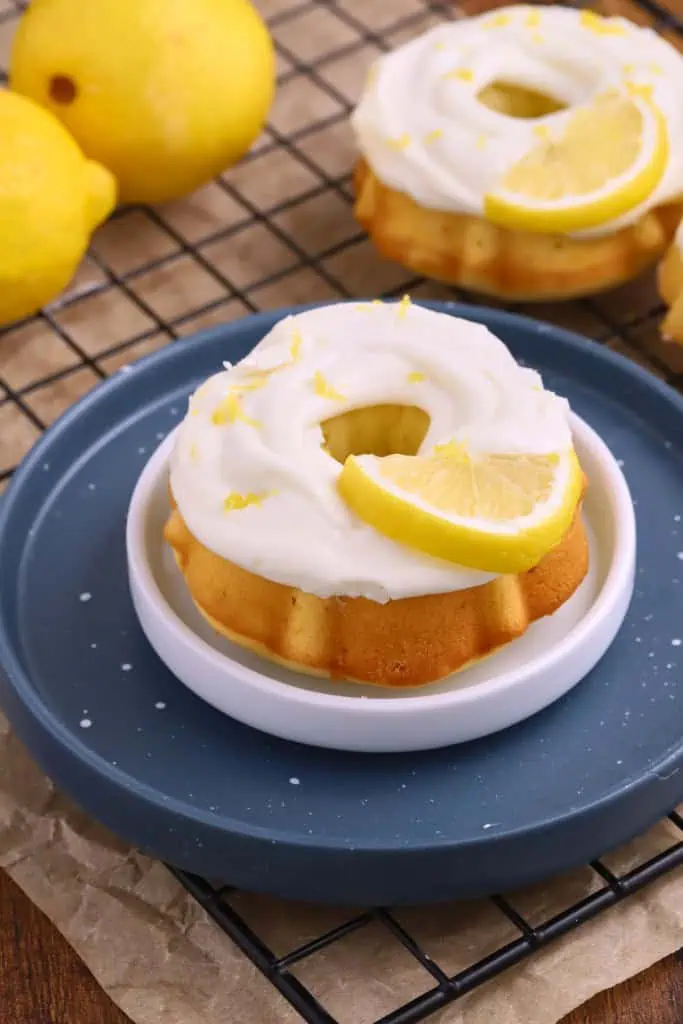
Once the cakes are completely cool, beat the cream cheese, salted butter, lemon juice, and powdered sugar until smooth and fluffy. The frosting should hold a soft peak and feel silky, not runny. Pipe or spread it over the tops so it settles into the ridges, then garnish with a sprinkle of fresh zest and a thin lemon slice. That little yellow curl on white frosting is the whole tea party aesthetic in one move.

David’s Tip
Rub the lemon zest into the sugar with your fingertips before creaming it with the butter. The friction releases the citrus oils straight into the sugar, and the whole batter ends up perfumed with lemon instead of just speckled with it. Thirty seconds of rubbing buys you a noticeably brighter cake.
Fun Variations
Simple glaze version: Prefer a lighter finish? Whisk 1 cup of powdered sugar with 2 tablespoons of lemon juice and drizzle. You lose the tangy richness but gain a prettier view of the ridges.
Lemon blueberry: Fold 3/4 cup of fresh blueberries tossed in a spoonful of flour into the batter. The flour coat keeps them from sinking to the bottom of the cavities.
Lemon poppy seed: Add 2 tablespoons of poppy seeds to the dry ingredients for that classic coffeehouse crunch and speckle.
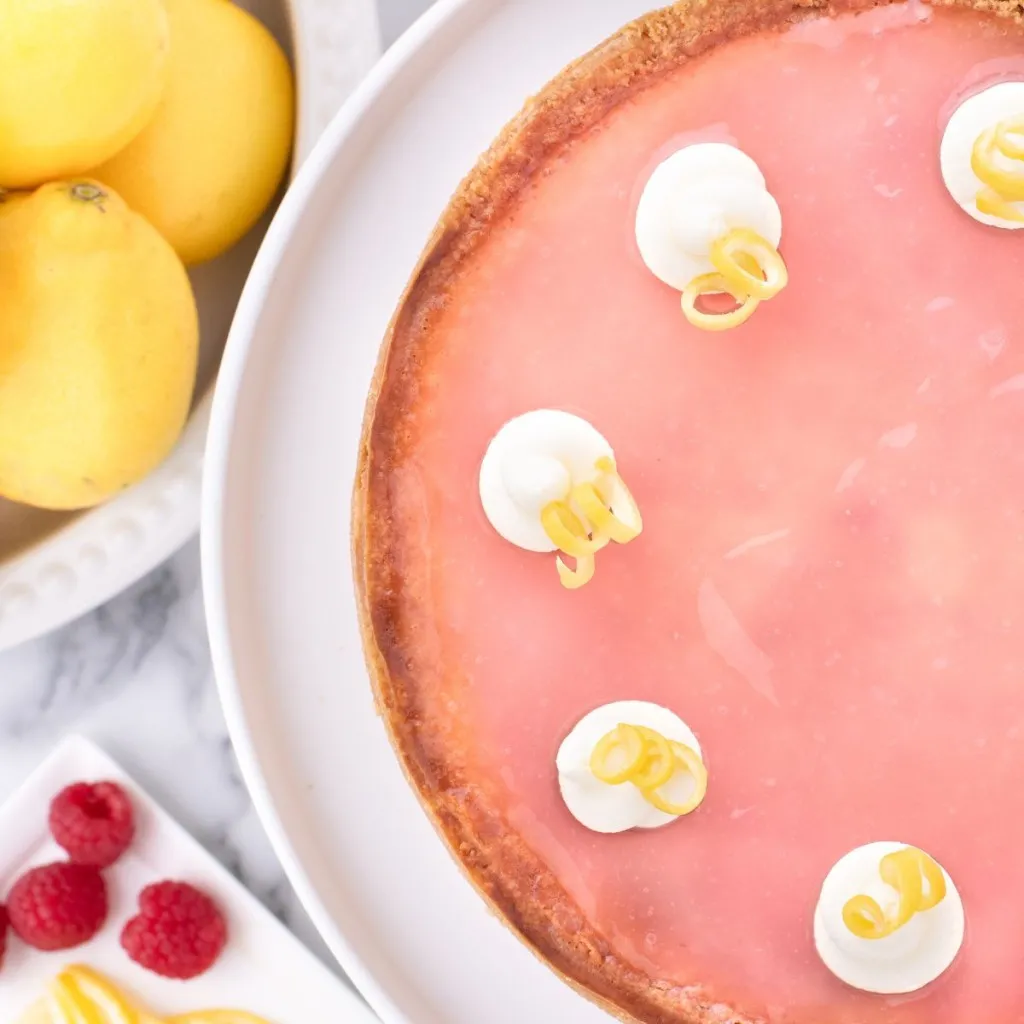
Lemon raspberry: Tuck a raspberry into the center of each filled cavity before baking. If that flavor pairing owns you like it owns me, my lemon raspberry cheesecake (foodnservice.com/lemon-raspberry-cheesecake/) takes it to the main event.
Citrus swap: Trade the lemons for oranges or limes, same amounts. Orange skews sweeter and lime skews sharper, so taste the frosting and adjust the powdered sugar.
Storage & Freezer Instructions
Room Temperature: Store these mini lemon bundt cakes (without frosting) in an airtight container at room temperature for 2-3 days.
Refrigeration: Frosted mini lemon bundt cakes can be stored in an airtight container in the fridge for up to 1 week.
Freezer: Wrap unfrosted lemon mini bundt cakes with plastic wrap and again with foil to store in an airtight container or sealable bag in the freezer for up to 3 months. Thaw the cakes overnight in the fridge and add fresh cream cheese frosting just before serving.
Serving Suggestions
More Lemon Zesty Desserts


Sunshine, Portioned and Frosted
These mini lemon bundt cakes bring everything you want in a spring dessert: a moist, tender crumb, big fresh citrus flavor, and a tangy cream cheese frosting that makes each little cake feel like a bakery splurge. They’re impressive enough for a shower and easy enough for a random Tuesday craving, which is exactly the balance I aim for.
Bake a batch and come tell me about it in the comments. Did you keep them classic or sneak in blueberries or poppy seeds? Don’t forget the star rating on the recipe card. It helps other home cooks find these little cakes, and it truly makes my day.
Mini Lemon Bundt Cakes
Ingredients
- 3 ¼ cup all-purpose flour
- 1 tablespoon baking powder
- 1 teaspoon salt
- 1 cup unsalted butter
- 1 ½ cup granulated sugar
- Zest from 3 lemons
- 6 tablespoons lemon juice
- ½ cup sour cream
- 4 large eggs
- 1 cup buttermilk
- 8 ounces cream cheese
- ½ cup salted butter
- 4 cups powdered sugar
- 1 tablespoon lemon juice
Instructions
- Preheat your oven to 350 degrees F. Using non-stick spray, thoroughly coat the mini bundt tray.
- In a medium size mixing bowl, combine the flour, baking powder, and salt. In a separate bowl, using a mixer, beat the butter and sugar on medium-high until fluffy. Add the lemon zest, lemon juice, and sour cream and mix until smooth. One-at-a-time, add in the eggs, Slowly, add in half of the dry mixture and half of the buttermilk. Once combined, add in the remaining dry mixture and buttermilk. Be sure to scrape the sides as needed and mix until combined.
- Pour the batter into the bundt cake cavities until ¾ filled. Place in the oven for approximately 15-18 minutes or until the tops are slightly golden and a toothpick comes out clean.
- Allow the cakes to cool.
- To make the frosting, using a mixer, combine the cream cheese, butter, lemon juice, and powdered sugar. Mix until smooth.
- Pipe or spread the frosting on top of the cooled bundt cakes. If desired garnish with lemon zest and a lemon slice and serve.
Nutrition
Notes
Pro Tips
- Zest only the yellow: Stop grating the moment you see white pith. The pith is bitter, and in a small cake there’s nowhere for bitterness to hide.
- Room temperature eggs blend better: Cold eggs can re-firm the butter and break your emulsion. A 10 minute bath in warm tap water gets them there fast.
- Check at the early end of the bake: Mini bundts go from perfect to dry in a hurry because of their size. Start toothpick-testing at 15 minutes, every time.
- Rescue a stuck cake with steam: If a cake won’t release, drape a hot, damp kitchen towel over the inverted pan for a few minutes. The steam relaxes the crust and they’ll drop right out.
- Pipe with a round tip for the cleanest look: A simple ring of frosting piped around the crown looks intentional and bakery-finished with zero skill required. A zip-top bag with a snipped corner works too.
- Make the components ahead: Bake the cakes a day early and store them airtight, then whip the frosting fresh before serving. Fresh frosting on day-old cake beats day-old frosting every time.
Tried this recipe?
Let us know how it was!FAQs: When Life Gives You Mini Lemons
Why did my mini bundt cakes stick to the pan?
Under-greasing is the number one culprit, and mini pans are less forgiving than full-size ones because so much cake surface touches metal. Coat every crevice thoroughly with non-stick spray or a baking spray with flour, and don’t skip the 10 minute rest after baking, since the cakes shrink away from the pan as they cool. If one still won’t budge, a hot damp towel over the inverted pan steams it loose.
Why are my mini bundt cakes dry or dense?
Dry usually means overbaked or over-measured flour, and dense usually means overmixed batter. Minis finish fast, so start testing at 15 minutes, and spoon-and-level your flour rather than scooping. Once the flour goes in, mix just until combined. Working the batter hard develops gluten, and gluten is the enemy of a tender crumb.
Can I make mini lemon bundt cakes with cake mix?
Yes. Use a lemon or white cake mix, swap the water for milk, and add the zest of 2 fresh lemons to wake up the flavor. Fill and bake exactly as written here. You’ll trade some of the from-scratch richness, but the fresh zest closes most of the gap.
Can I bake this recipe as cupcakes?
Absolutely. Fill lined cupcake wells about 2/3 full and bake at 350 degrees for 14 to 16 minutes, until a toothpick comes out clean. The cream cheese frosting pipes beautifully on cupcakes too, so nothing else about the recipe changes.
How do I know when my mini bundts are done?
The tops should be lightly golden and spring back when pressed gently, and a toothpick inserted in the center should come out clean or with a few moist crumbs. If the toothpick shows wet batter, give them 2 more minutes and test again. Color alone can fool you since the ridged bottoms brown faster than the tops.
Can I use bottled lemon juice instead of fresh?
You can in a pinch, but the cakes lose noticeable brightness. Bottled juice is flat and slightly bitter compared to fresh, and you’d still need fresh lemons for the zest, which carries most of the aroma anyway. Since the recipe already requires 3 lemons for zest, juicing them costs you nothing extra.
Why cream cheese frosting instead of a glaze?
Body and balance. A thin glaze soaks in and mostly disappears, while cream cheese frosting brings a tangy richness that stands up to the bright lemon and gives every bite a creamy finish. If you prefer the see-through look of a glaze, the variation in this post has you covered, but try the frosting once before you decide.
Love this recipe? Please leave a 5-star 🌟 rating in the recipe card below and/or a review in the comments section further down the page.
Be sure to check out my FREE Meal Planner and Kitchen Organizer!
