
5 Ways Your Brain Is Controlling What You Eat More Than You Realize
While we often credit our willpower (or lack thereof) for our dietary choices, neuroscience tells a different story. In early 2026, research into the “gut-brain axis” has reached a fever pitch, revealing that our cravings and portions are largely dictated by hardwired survival mechanisms.
Your brain isn’t just reacting to hunger; it is actively filtering sensory data, predicting energy needs, and even taking orders from the bacteria in your digestive tract. Understanding these five neurological “scripts” can help you move from reactive eating to intentional nourishment.
The “Sensory-Specific” Satiety Trap

Have you ever felt completely stuffed after a savory meal, only to find “room” for a large dessert? This is known as Sensory-Specific Satiety (SSS), a phenomenon where your brain’s reward center, specifically the orbitofrontal cortex, becomes bored with one specific flavor profile.
In 2026, food manufacturers capitalize on this by creating “complex” snacks that hit multiple taste points (sweet, salty, and umami) simultaneously. This prevents your brain from hitting the “boredom” switch, tricking you into eating significantly more than you would if the flavor were simple and consistent.
Dopamine and the “Prediction” Error
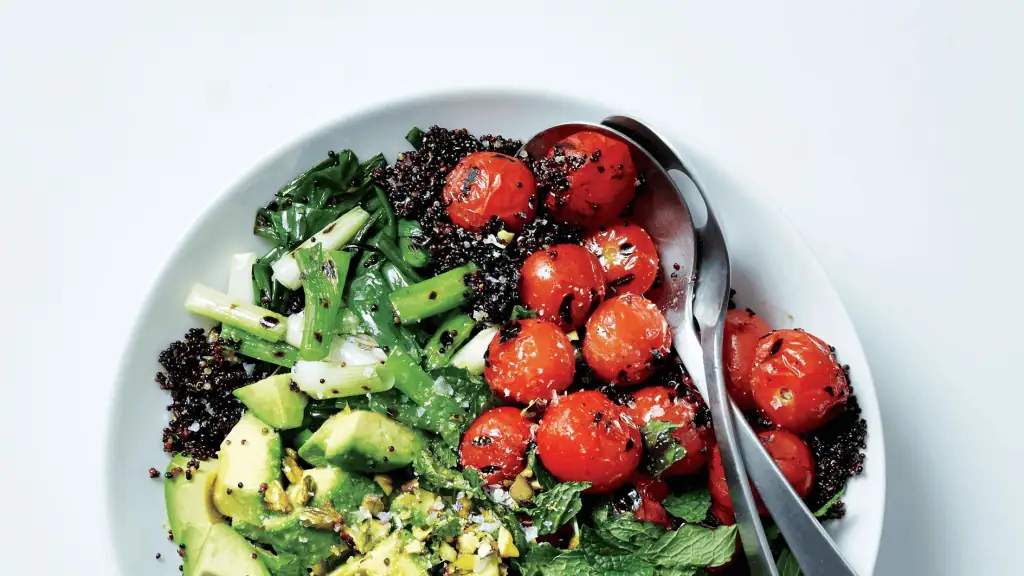
Your brain is a prediction machine that releases dopamine not just when you eat, but when you anticipate eating. If you expect a mediocre salad but it turns out to be delicious, your brain registers a “positive prediction error,” surging with dopamine to ensure you remember and repeat that behavior.
Conversely, the highly processed “hyper-palatable” foods of 2026 are engineered to provide a dopamine hit that outpaces natural foods like fruit. This creates a neurological “hijack” where your brain begins to prioritize these intense hits over the subtle rewards of nutrient-dense meals.
The Microbiome’s “Remote Control”
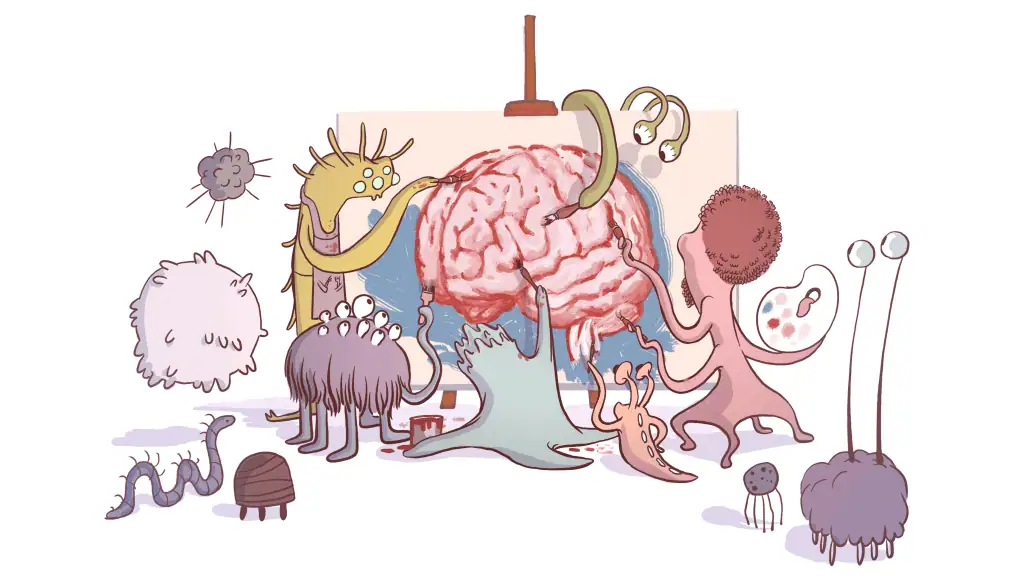
Emerging 2026 studies from the University College Cork highlight that your gut bacteria can actually influence your brain’s feeding signals. Specific strains of bacteria thrive on sugar and can release chemical messengers that travel up the vagus nerve to trigger cravings for more sugar.
Essentially, you aren’t just eating for yourself; you are eating to satisfy a microscopic ecosystem. By shifting to the “Fiber-Maxxing” trends of 2026, you can foster “good” bacteria that signal for healthy fats and complex carbs, effectively changing your cravings from the bottom up.
The “Early Life” Neural Blueprint

A landmark 2026 study published in Nature Communications reveals that high-sugar diets in early childhood leave lasting “scars” on the hypothalamus. This region is responsible for appetite control and energy balance, and early damage can lead to a lifetime of disrupted hunger signals.
Even if you normalize your weight as an adult, your brain may still “remember” the high-reward patterns of your youth. This means your brain is controlling your intake based on a blueprint established decades ago, making consistent, mindful retraining of your neural pathways essential for long-term health.
Visual “Volume” and Optical Illusions

Your brain’s visual cortex plays a massive role in satiety often more than your stomach does. If you see a small portion on a large plate, your brain perceives “scarcity” and may delay the release of leptin, the hormone that tells you you’re full.
In 2026, “sensory cooking” advocates suggest using smaller, darker plates to create an illusion of “abundance.” By tricking your visual system into seeing a “full” plate, you can signal to your brain that the meal is sufficient, leading to a natural reduction in calories without the feeling of deprivation.
