
5 Once-Popular Ingredients Modern Chefs Have Completely Walked Away From
The high-pressure world of professional kitchens is undergoing a “vibe shift” this April 2026. After years of chasing viral, Instagram-ready aesthetics, modern chefs are staging a quiet rebellion against ingredients that prioritize “the look” over the actual taste.
The 2026 “Small Plate Renaissance” and the “Make America Healthy Again” (MAHA) movement have accelerated this transition. Chefs are now walking away from processed, one-note additives in favor of forgotten vegetables and heritage techniques that offer genuine depth.
Synthetic Truffle Oil
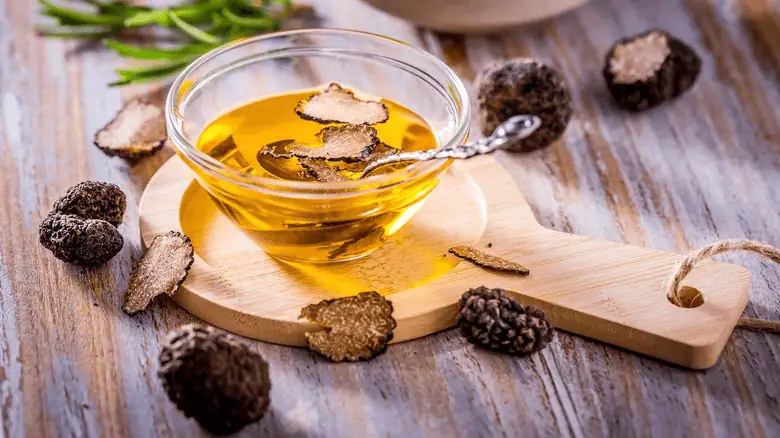
Once a staple for adding “luxury” to fries and risotto, synthetic truffle oil is the top ingredient chefs are blacklisting in 2026. Most commercial versions contain zero real truffles, relying instead on a lab-made compound called 2,4-dithiapentane.
Culinary experts now argue that the sharp, rubbery scent of these oils masks the delicate nuances of high-quality ingredients. In 2026, transparency is the new currency; chefs would rather use fresh, seasonal mushrooms or high-quality browned butter than a deceptive, one-note chemical substitute.
Ultra-Processed Plant-Based Meats
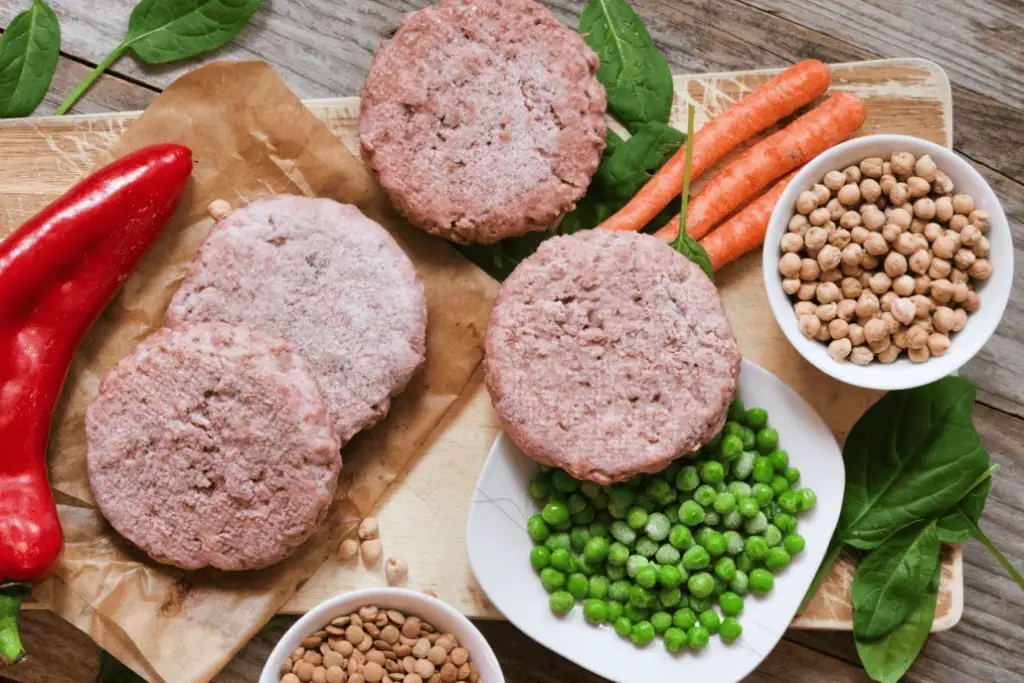
While plant-forward dining is peaking in 2026, chefs are moving away from “lab-grown” meat alternatives that feature 20+ ingredient lists. The focus has shifted toward “Purposeful Protein” using whole foods like lentils, chickpeas, and heritage beans.
The 2026 consumer is increasingly wary of ultra-processed foods (UPFs), leading kitchens to ditch the “fake meat” patties for house-made veggie burgers. By roasting and fermenting real vegetables, chefs are achieving the “meaty” umami profiles diners want without the industrial additives.
Excessive Microgreen Garnishes
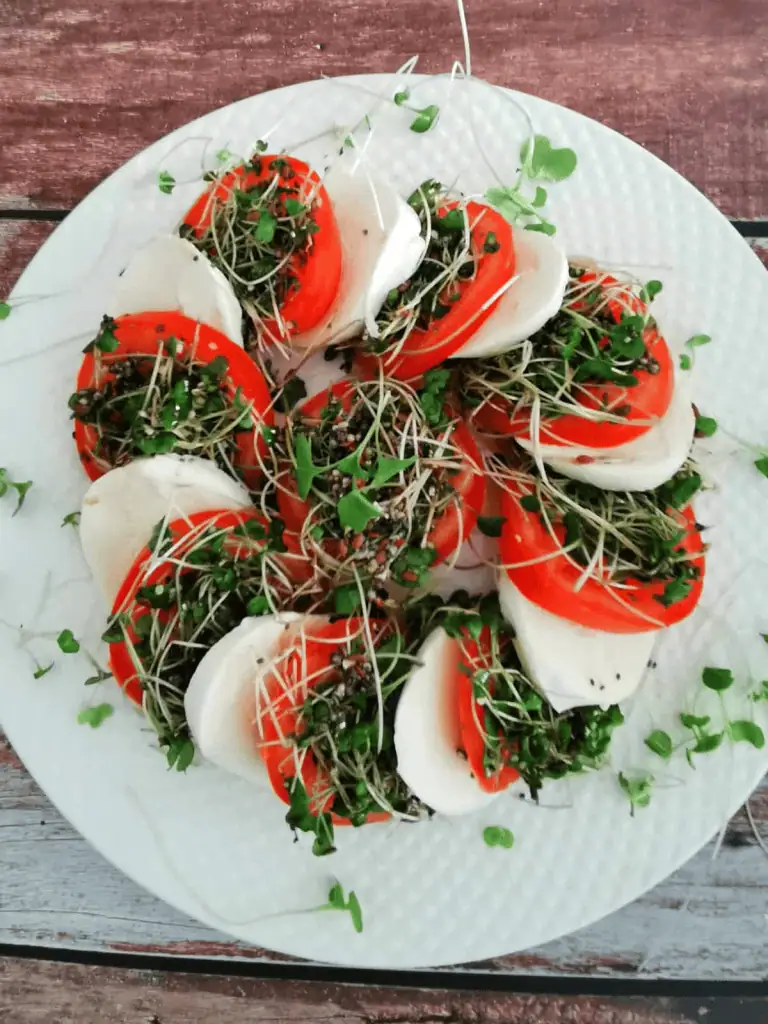
For years, every dish seemed to arrive under a forest of microgreens that added height but very little flavor. In 2026, this “novelty for novelty’s sake” is being replaced by “Functional Garnishes” like herb-infused oils, citrus zest, or kale pickles.
Modern chefs now view the “microgreen pile” as a sign of dated, 2010s-era plating. Today’s aesthetic is about clarity and restraint; if a garnish doesn’t contribute to the dish’s balance of acid or salt, it no longer has a place on the plate.
Forced “Frankenstein” Fusion
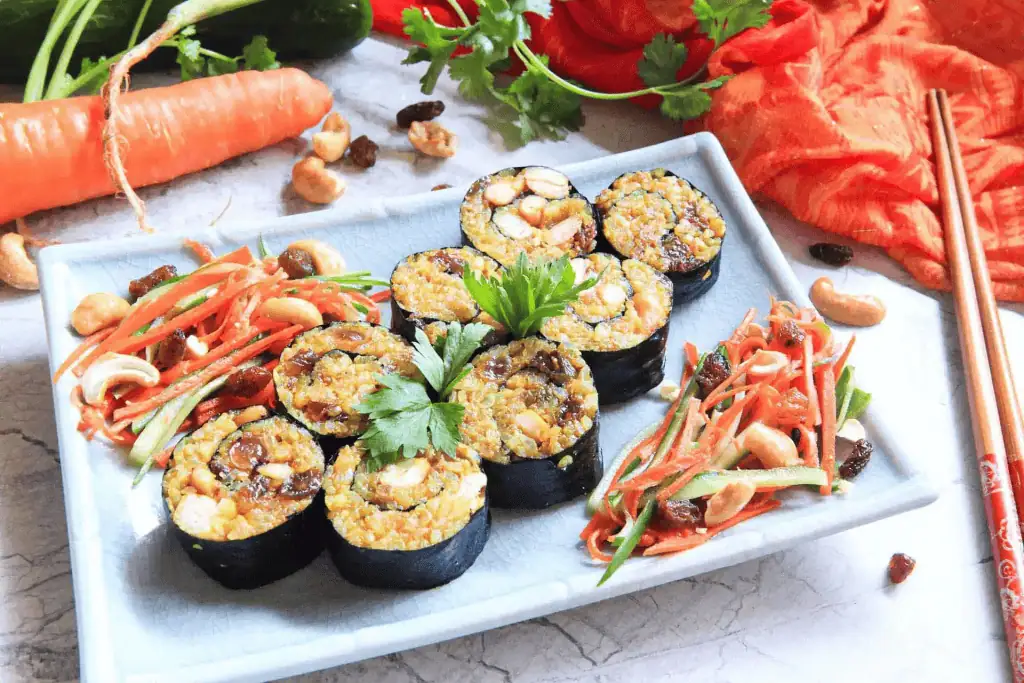
The era of “biryani-sushi” and “pasta-makhani” mashups is officially winding down in 2026. While innovation is still prized, the industry is moving away from “Chaos Fusion” dishes created solely to “disrupt” social media feeds without regard for flavor harmony.
Instead, the 2026 trend is “Heritage Storytelling,” where chefs draw from specific regional traditions and adapt them thoughtfully with local ingredients. This move toward authenticity reflects a deeper respect for cultural origins, dethroning the overly conceptual “mashup” culture of years past.
Non-Functional “Edible” Flowers
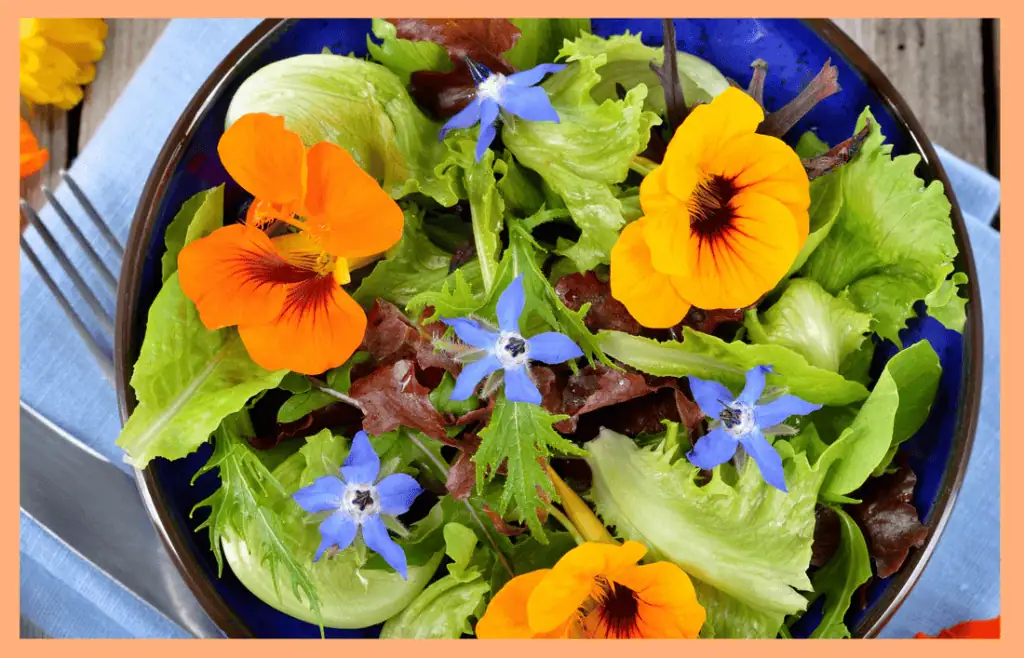
While hibiscus and certain floral-infused butters are trending for their flavor, the use of flavorless, “wax-like” edible flowers just for a pop of color is out. 2026 diners are increasingly vocal about “the ick” of finding wilted, flavorless petals on their food.
Chefs are now utilizing flowers only when they contribute to the dish’s aromatic profile, such as lavender in honey-glazed poultry. The shift toward “sensory cooking” means that every element on the plate must be earned through taste, not just visual flair.
