
The “Sustainable” Seafood Industry Has Been Lying to You: Here’s the Truth
If you’ve ever paid extra for wild-caught salmon or ordered the sustainable white fish special at a restaurant in Bucks County, there’s a real chance you didn’t get what you paid for. A wave of new reporting and research in early 2026 has exposed just how deep the deception runs in the seafood industry — and it affects every consumer, from the grocery store aisle to the restaurant table.
A landmark report released in February 2026 by the United Nations Food and Agriculture Organization found that up to 20% of global seafood trade involves some form of fraud. That’s not a rounding error. That’s one in five fish products potentially misrepresented to the people buying them.
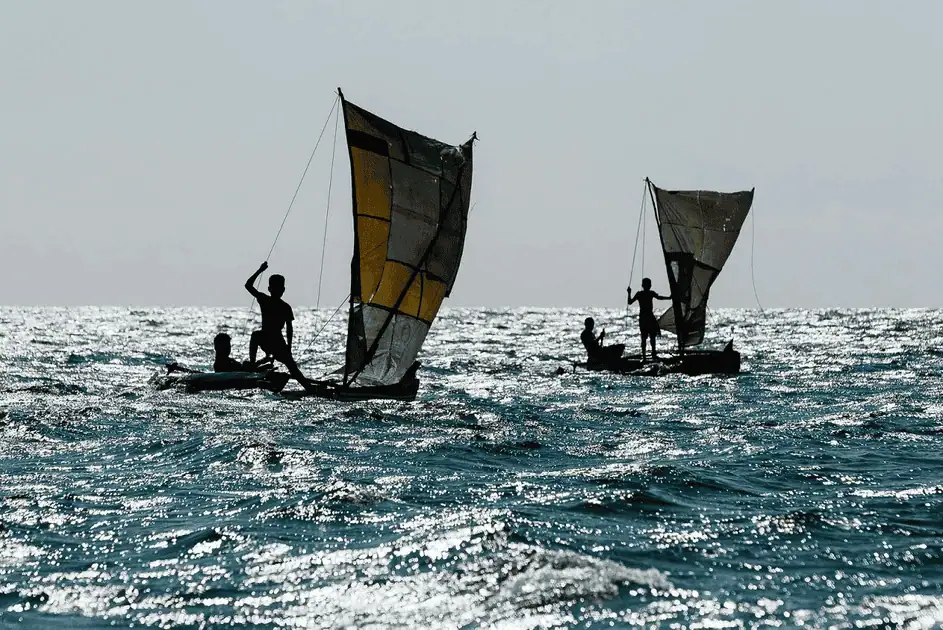
The problem starts with the labels themselves. The Marine Stewardship Council — the organization behind the blue certification tick you’ve probably seen on seafood packaging at stores throughout the region — is facing serious criticism in 2026. A coalition of environmental groups and tribal fishing communities recently condemned the MSC’s decision to recertify massive industrial trawling operations in the Bering Sea. These are fleets that drag heavy nets across the ocean floor, destroying seabed habitats and killing large amounts of unintended species like halibut and salmon in the process. Critics argue that the certification has essentially become a system where large fishing operations pay their way to a clean label, while smaller fishermen doing things the right way struggle to compete.
The fraud doesn’t stop at questionable certifications. Studies suggest that roughly 30% of seafood served in restaurants is outright mislabeled. The most common trick is substituting a cheaper, less desirable fish for a premium one — tilapia passed off as red snapper, farmed Atlantic salmon sold as wild-caught Pacific salmon. These swaps are profitable because the price difference between the real thing and the substitute can be significant, and most diners have no way of knowing what they’re actually eating.
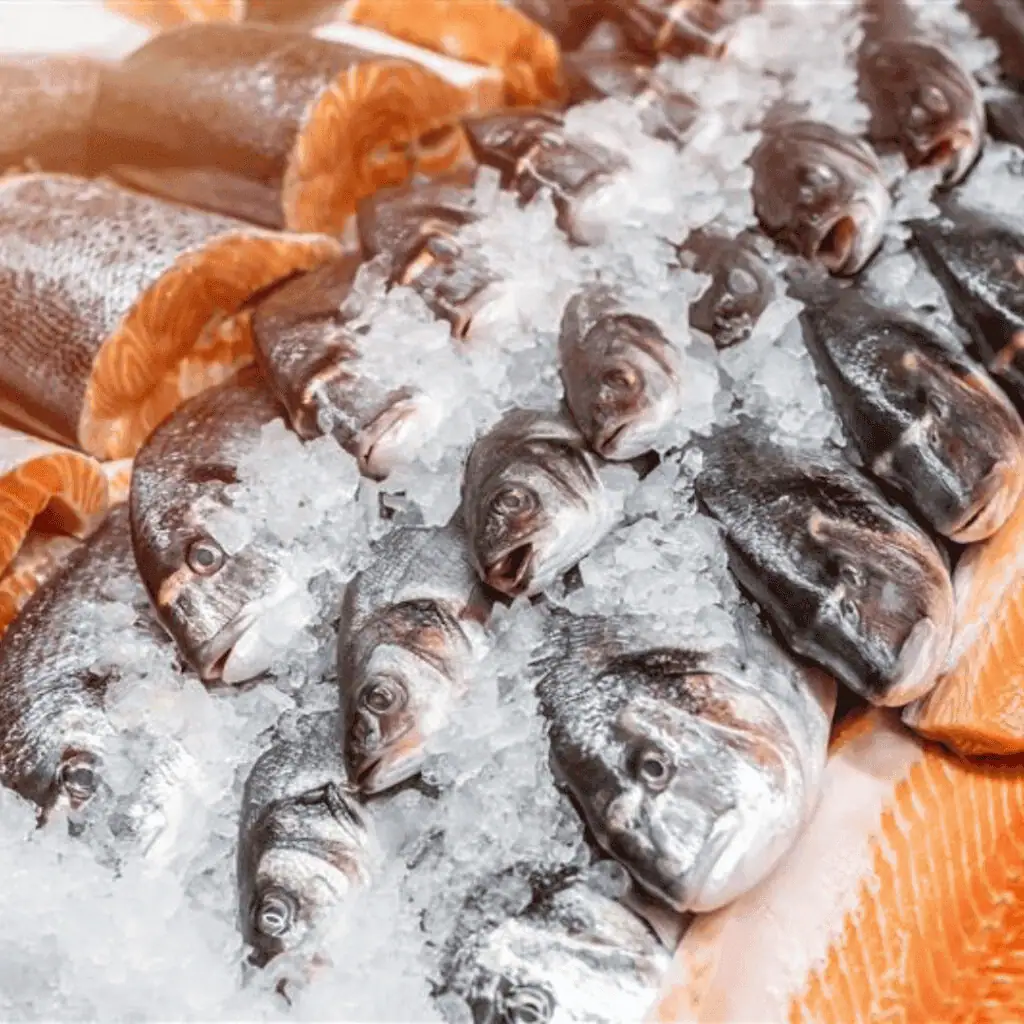
What makes this so difficult to catch is the sheer lack of enforcement at the U.S. border. Less than 1% of seafood imports are actually tested for authenticity before hitting store shelves and restaurant kitchens. That means fraudulent products move through the supply chain largely unchecked, getting laundered through layers of processing and repackaging before they ever reach a plate in Bristol, Langhorne, or Levittown.
There’s also a geographic deception happening that most people haven’t heard about. Fraudulent operators routinely hide where their fish was actually caught — sometimes to cover above-quota landings from overfished waters, sometimes to disguise fish pulled from protected areas. Researchers are now fighting back with carbon and nitrogen isotope testing, a scientific technique that can pinpoint where a fish actually lived based on its chemical composition. The results have been eye-opening. Products marketed as locally sourced have repeatedly turned out to be imports from thousands of miles away, carrying a significant carbon footprint that makes a mockery of any sustainability claim.
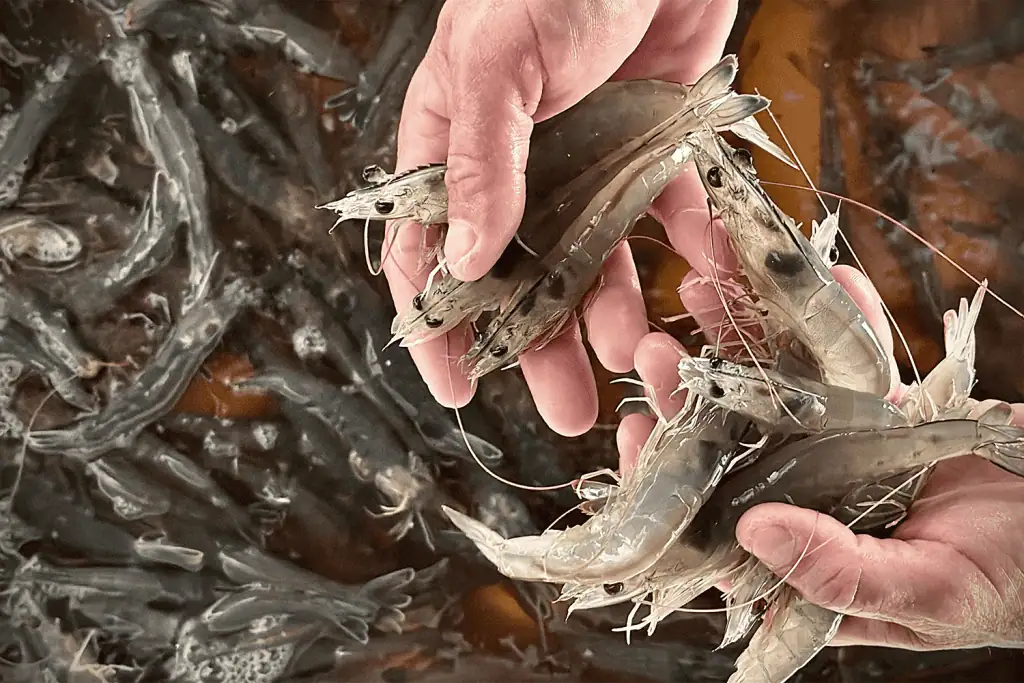
And then there’s the human side of the story, which tends to get buried under the environmental headlines. The complexity of the global seafood supply chain also helps conceal serious labor abuses at sea. On top of that, fish is sometimes re-frozen multiple times to disguise its age, a practice that meaningfully raises the risk of bacterial contamination for whoever ends up eating it.
For families in Bucks County and across the lower Bucks area, this matters every time you make a grocery run or sit down at a seafood restaurant. The premium you pay for a “sustainable” label — and it is a real premium — is supposed to reflect responsible fishing, fair labor, and genuine environmental stewardship. Right now, the evidence suggests that promise is not being reliably kept.
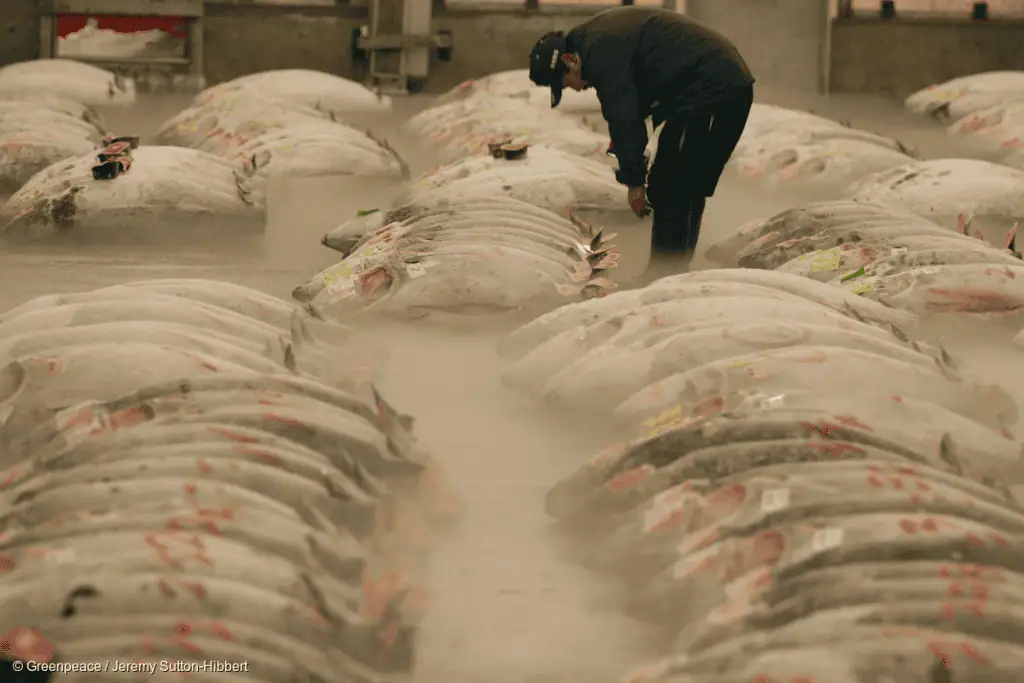
The fix isn’t simple. Experts point to the need for mandatory scientific species naming on labels, harmonized international standards, and far more rigorous testing at ports of entry. Until those changes happen, the safest move for consumers is to ask questions — where is this fish from, how was it caught, and can anyone actually prove it.
Have you ever felt misled by a “sustainable” or “wild-caught” label at a Bucks County restaurant or grocery store? Would you change where you buy your seafood if you knew more about how it was sourced? Drop a comment below — let’s hear what local shoppers think.
