
Restaurant Prices Are Quietly Rising Again (And Experts Say It’s Only Getting Worse)
If your recent dinner checks feel significantly heavier, you aren’t imagining it. As of April 2026, the restaurant industry is navigating a “perfect storm” of economic pressures that are forcing menu prices to rise at nearly double the rate of standard grocery inflation.
While the consumer price index for groceries has leveled out at 2.4%, “food-away-from-home” costs have jumped by 3.9% in the last year alone. For many operators, the quiet price hikes are no longer enough to stay afloat, leading to more transparent—and painful adjustments for diners.
The “Iran War” Fuel and LPG Spike
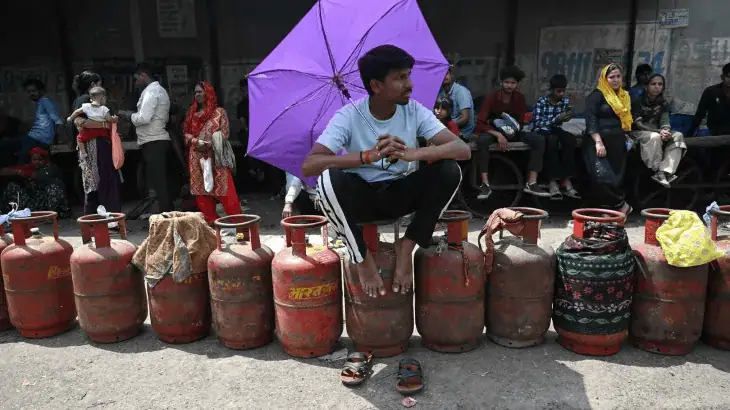
The most immediate driver of the April 2026 price surge is the ongoing conflict in West Asia, which began in late February. This has caused a dramatic spike in commercial LPG (liquefied petroleum gas) and transportation fuel prices.
For the hospitality sector, this translates to a nearly 20% increase in daily operating costs. Restaurants are now facing a choice between absorbing these massive energy bills or passing the “fuel surcharge” directly to the customer through higher entrée prices.
The $15 Minimum Wage “Floor”
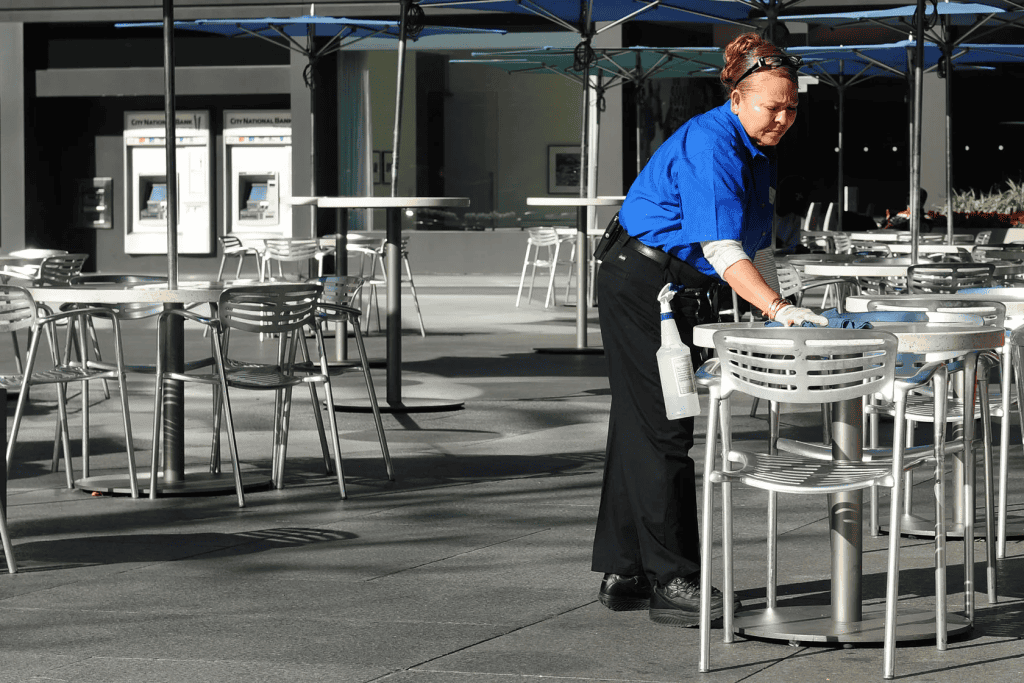
Labor remains the most significant long-term stressor for the industry in 2026. With many states officially moving to a $15 minimum wage this year, nearly 90% of operators report that rising payroll costs are their primary squeeze on profitability.
To compensate, full-service establishments are moving away from traditional staffing models. You may notice more QR-code ordering and AI-powered phone reservation systems, as restaurants try to maintain service quality while employing fewer front-of-house staff to offset these higher base wages.
The “Bait and Switch” on Gas Prices
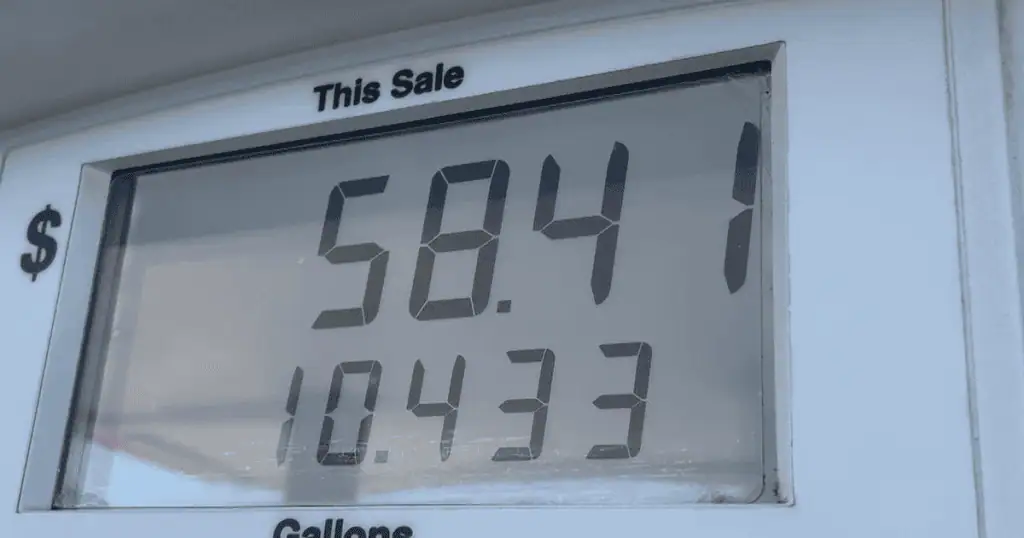
There is a proven correlation in 2026 between the price at the pump and the traffic at the drive-thru. Data shows that for every $1 increase in gas prices, quick-service restaurants lose an average of six customers per day.
To combat this “spending pullback,” some brands like Subway and Snooze Eatery are launching “Gas Relief” promotions. However, these discounts are often subsidized by raising the prices of other “add-on” items, like fountain drinks and sides, which carry much higher profit margins for the business.
Strategic “Menu Engineering”
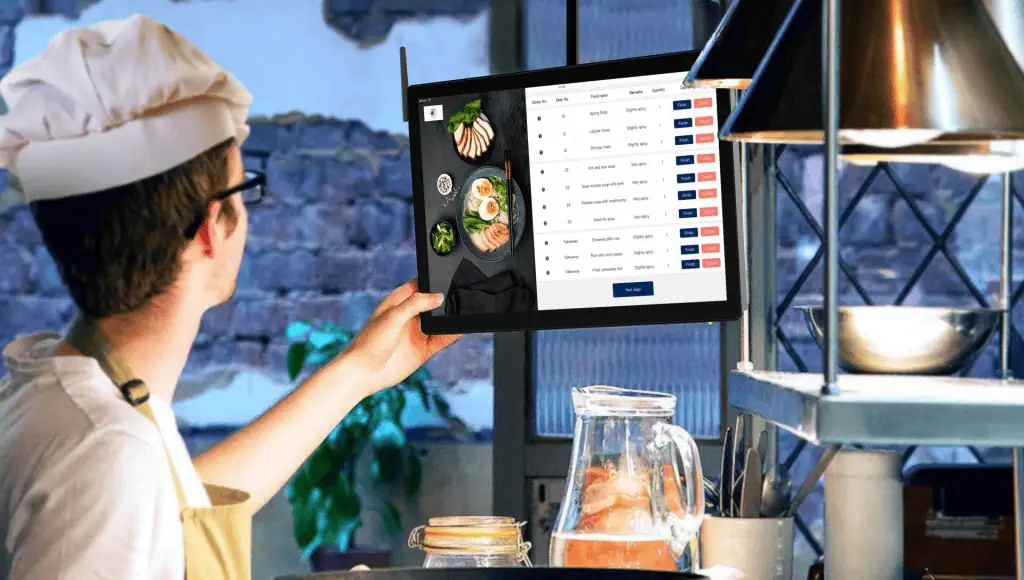
In 2026, restaurants are getting smarter about how they hide price increases through Menu Engineering. Rather than raising the price of a popular burger, they may slightly reduce the portion size or charge extra for sides that were previously included.
This “anchoring” technique keeps the main headline price feeling accessible while the “true cost” of the meal rises through incremental add-ons. Experts warn that as food inflation is predicted to hit 10% by the end of 2026, these subtle tactics will likely become the new permanent standard for American dining.
