
8 Normal Food Habits From the 1970s That Would Completely Horrify Gen Z Today
In the 1970s, American culinary practices embraced an array of now-puzzling traditions. Many dishes from this era, considered staples at the time, would likely perplex today’s younger generations. These habits, ranging from gelatinous culinary creations to smoke-filled dining experiences, reflect a period of experimentation and a markedly different relationship with food. We will explore four prominent examples that showcase how culinary norms have shifted over the decades.
Jell-O Salad: The Dinner Staple

Jell-O salads, with their vibrant hues and odd ingredient combos, were a frequent sight on 1970s dinner tables. Encasing vegetables and sometimes meats in gelatin, these salads paired texture with a sweet-savory profile. While the idea of suspended produce might not appeal to modern palates, understanding the art of balance in flavors and textures can inspire creative yet more streamlined interpretations today. Proper gelatin blooming and ensuring complementary ingredients can refine this old classic into a contemporary conversation starter.
Get the recipe: Jello Salad
Mayonnaise Mania: On Everything

Mayonnaise, revered in the 1970s, was a versatile condiment slathered on everything from sandwiches to coveted jello molds. It played the role of an emulsifier, binding ingredients while adding rich creaminess. Today’s cooks can learn from this by understanding mayonnaise’s ability to enhance moisture and flavor in ingredients. For those hesitant about overindulgence, experimenting with homemade, flavored versions can provide a more controlled, gourmet touch. Emphasize whisking techniques and oil selection to transform this classic staple.
Canned Spam: A Dinner Icon

Canned Spam graced many tables, praised for its convenience and adaptability. Its umami-rich, salty profile made it a favored ingredient in casseroles and sandwiches. While often dismissed by newer generations, its potential shines when used thoughtfully. Consider techniques such as searing to develop a caramelized crust or incorporating it into fusion dishes for a novel approach. Elevate its use by balancing with acidic or fresh elements to deftly contrast its inherent richness, offering a nod to its past popularity with a modern twist.
Smoking at the Table: A Common Sight

In the 1970s, cigarette smoke wafted through many dining rooms, a reflection of societal norms rather than culinary practices. This occurrence shaped the dining atmosphere, with cigarette odors mingling with meal aromas. Today, dining spaces are smoke-free, allowing more focus on the food itself. The transition underscores shifts in health awareness and sensory enjoyment of meals. Modern home cooks should prioritize creating environments that enhance the dining experience through elements like ambient light and music, spotlighting the food’s flavors and textures without distraction.
Tang: The Juice of the Future?

The 1970s saw Tang as a revolutionary beverage, touted for its convenience and space-age appeal. Made by mixing a bright, tangy powder with water, it satisfied the era’s fascination with instant solutions. While its neon hue and artificial flavor may unsettle modern, health-conscious palettes, understanding its appeal requires one to consider its practicality and unique, zesty flavor profile. Experimenting with Tang today can offer a nostalgic twist to cocktails or desserts, its citric sharpness providing a nostalgic jolt to fruit-based recipes.
Cream of Mushroom: Elevating Dishes
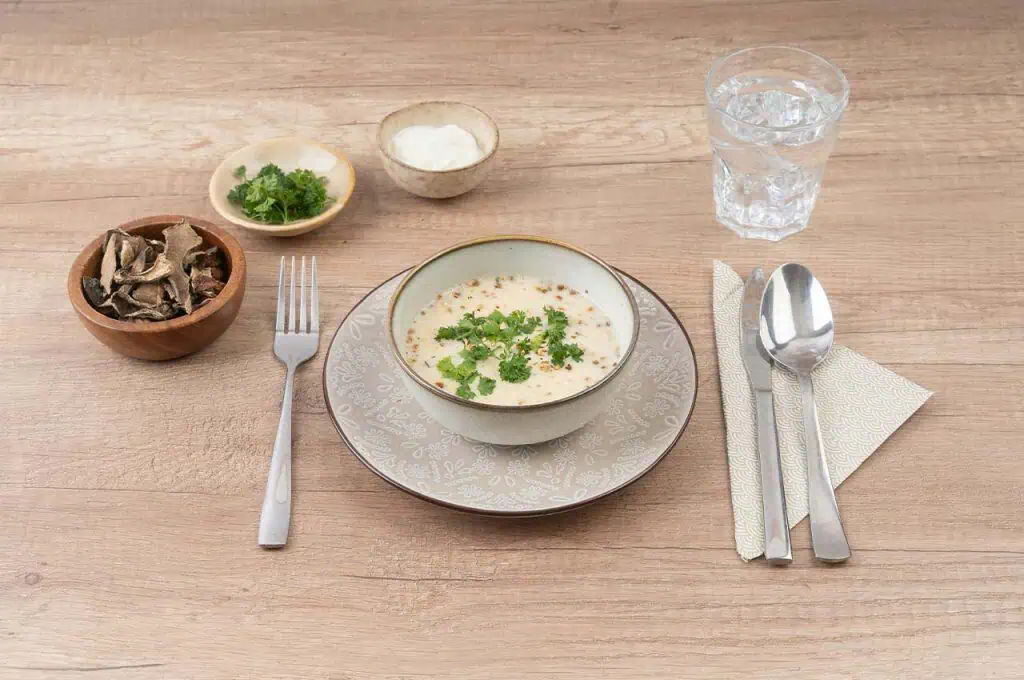
During the 1970s, cream of mushroom soup was a staple ingredient, often used to create hearty, creamy casseroles and gravies. Its thick, umami-rich base easily transformed simple dishes into comforting, savory meals. To modernize, one might explore using fresh mushrooms and a homemade béchamel, infusing layers of flavor with garlic and fresh herbs. This approach enhances the dish with fresher elements, while nodding to the comforting essence that made the canned version a pantry favorite. Integrating real ingredients preserves its comforting allure.
Fondue: The Party Must-Have

Fondue parties were iconic in the 1970s, celebrating communal dining with melted cheese or chocolate. The allure lay in the communal aspect, a leisurely dip of bread cubes or fruits into bubbling pots of Gruyère or velvety chocolate. Today’s home cook can elevate this retro dish by employing a mix of quality cheeses, perhaps Asiago or Camembert, adding white wine or kirsch for depth. A hint of nutmeg or garlic enhances the complexity. For chocolate, select dark cocoa percentages, complemented by a splash of liqueur for a sophisticated twist.
Margarine Over Butter: The ‘Healthier’ Choice
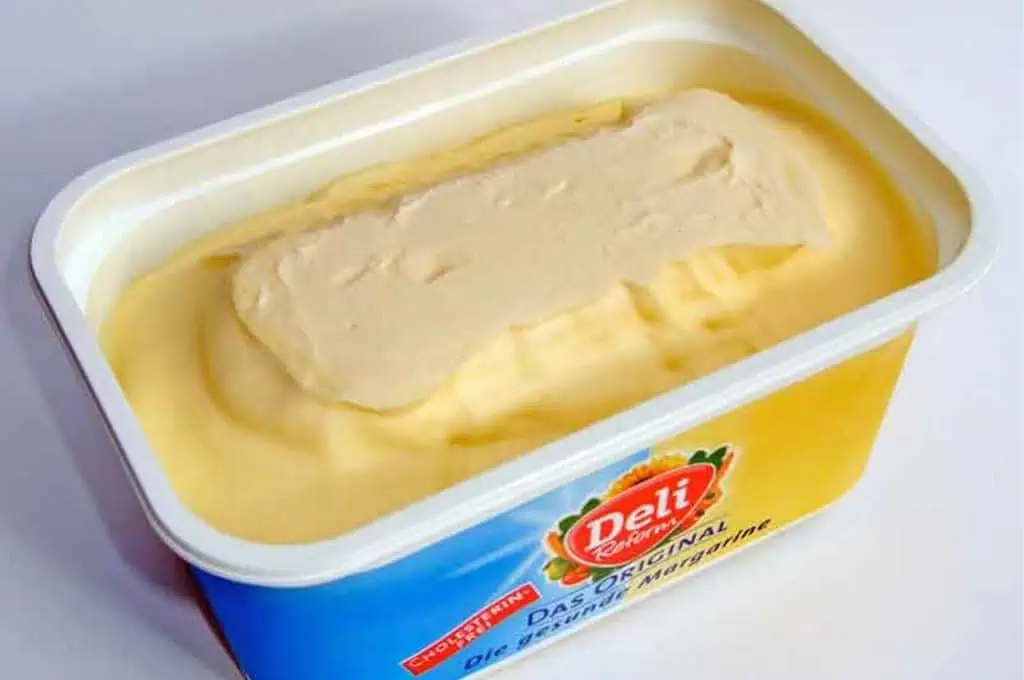
In the 1970s, margarine was preferred over butter due to perceived health benefits, aligning with the decade’s shift towards processed foods. Its spreadability and long shelf-life made it a household convenience. However, butter’s natural richness and clean profile make it more appealing for today’s cooks. For those exploring margarine’s place in retro recipes, consider its high melting point for baking crispy cookies or a flaky pie crust. Balancing with butter adds depth of flavor, marrying the nostalgia with today’s preference for wholesome ingredients.
