
10 Countries With Food Rules That Shock Tourists
Travelers often expect unfamiliar flavors when they eat abroad, but many are caught off guard by how tightly food behavior itself is regulated in certain countries. These rules aren’t arbitrary or designed to confuse visitors. They reflect deeper cultural values around respect, cleanliness, hierarchy, safety, and tradition that have developed over generations. What feels normal or convenient in one country can signal carelessness or disrespect in another. For tourists, encountering these differences can be surprising, even intimidating at first but understanding them offers a clearer window into how societies think about food, public space, and social responsibility beyond the plate itself.
Japan

In many parts of Japan, eating while walking is quietly discouraged and often viewed as impolite. Food is meant to be eaten deliberately, not treated as fuel for movement. Street snacks are typically consumed standing near the stall or taken home, rather than carried down the sidewalk. This custom is tied to respect for public space, cleanliness, and mindfulness. Locals associate walking while eating with carelessness and mess, not efficiency. Tourists are often surprised to learn that what feels convenient elsewhere can read as poor manners in a culture that treats eating as a focused, respectful act.
France

In traditional French restaurants, modifying a dish can be seen as disrespect rather than personal preference. Menus are considered carefully composed, reflecting the chef’s training, balance, and intent. Asking for substitutions, removals, or changes may signal a lack of trust in the kitchen. Tourists used to customization sometimes interpret resistance as unfriendly service, but it’s usually cultural pride. The expectation is that diners choose what appeals to them as written. Especially in classic or family-run establishments, redesigning a dish at the table clashes with deeply held ideas about craftsmanship and culinary authority.
Italy

Italy has some of the most rigid informal food rules in the world, and locals take them seriously. Certain combinations aren’t just unusual, they’re considered wrong. Ordering cappuccino after meals, adding cheese to seafood pasta, or breaking regional pairings can instantly mark someone as a tourist. These rules are tied to tradition, digestion, and regional identity, not trendiness. Italians grow up learning them as cultural basics, so violations feel jarring. Visitors often see the reactions as dramatic, but for locals, food customs function almost like unwritten law.
Singapore
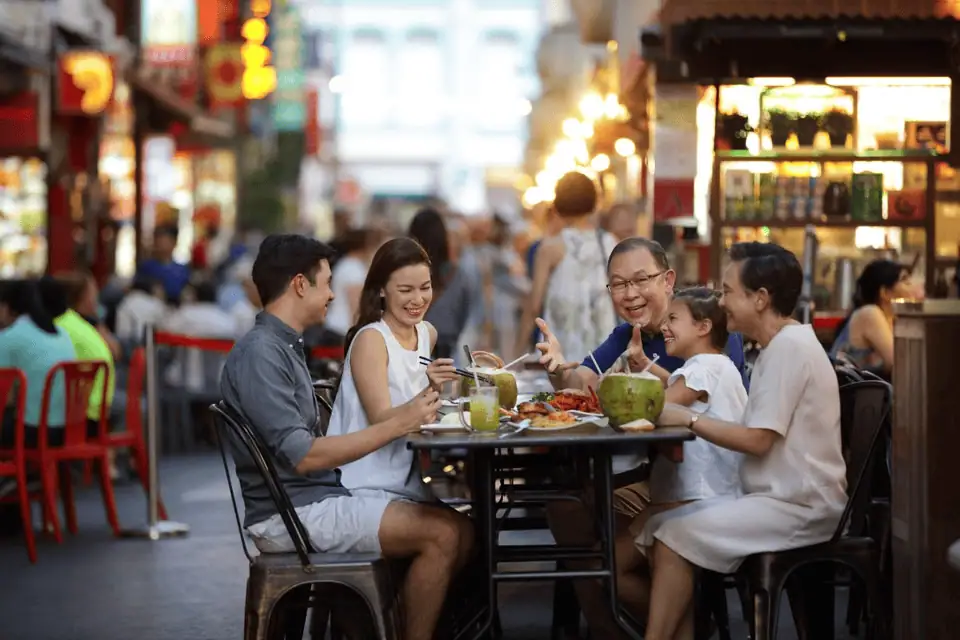
Singapore enforces some of the world’s strictest food-related public rules, and they extend far beyond restaurants. Eating or drinking on public transport can result in fines, and even small spills are taken seriously. Importing chewing gum is heavily restricted, which surprises many visitors used to casual snacking. These laws aren’t about punishment; they reflect a national priority on cleanliness, order, and shared responsibility in dense public spaces. Tourists are often shocked by how closely food behavior is monitored, but locals see these rules as essential to maintaining hygiene and quality of life in a highly urban environment.
South Korea

In South Korea, drink etiquette is closely tied to respect and social hierarchy. Refilling your own glass at the table, especially in group settings is often considered impolite. Instead, diners are expected to pour drinks for others, signaling attentiveness and mutual care. This custom applies in both casual meals and formal gatherings. Tourists unfamiliar with the rule may unknowingly appear rude by serving themselves. What feels efficient elsewhere can read as socially unaware here. The practice reinforces communal dining norms, where meals are as much about relationships and awareness as they are about food.
Germany

Germany’s food culture is shaped by unusually strict standards around labeling, ingredients, and bread production. Many additives commonly used elsewhere are banned or tightly regulated, and bread classifications are formally defined. As a result, familiar packaged foods from other countries often don’t exist in the same form or at all. Tourists frequently notice shorter ingredient lists and different textures in everyday staples. These rules reflect a cultural emphasis on transparency, consumer protection, and food integrity. For visitors, the difference can be striking, revealing how regulation quietly shapes what people consider normal food.
India

In India, eating with the left hand is traditionally avoided because it’s associated with personal hygiene tasks unrelated to food. The right hand is considered clean and appropriate for eating, serving, and passing dishes. Tourists unfamiliar with this custom can unintentionally offend hosts, especially in homes, religious spaces, or traditional dining settings. While many urban restaurants are more relaxed, the rule still carries cultural weight. What feels like a small, unconscious habit elsewhere can signal disrespect in India, where food etiquette is closely tied to cleanliness, ritual, and social awareness rather than convenience.
China

In many parts of China, finishing every bite on your plate can send the wrong message. An empty plate may suggest the host didn’t provide enough food, while leaving a small amount behind signals satisfaction and generosity. This directly contradicts Western ideas about politeness and avoiding waste. Tourists raised to “clean their plate” often struggle with this reversal. Chinese dining emphasizes abundance and care from the host, not restraint by the guest. Etiquette reflects that priority, where a little leftover food communicates comfort, fullness, and appreciation rather than disrespect.
Sweden

Sweden surprises many visitors with its strict alcohol regulations. Beer, wine, and spirits are sold primarily through a state-run system with limited locations and hours. Regular grocery stores only carry low-alcohol options. Tourists expecting to buy wine alongside dinner ingredients often find this inconvenient or confusing. These rules aren’t about social judgment they’re rooted in public health policy aimed at reducing overconsumption. For visitors, the experience highlights how regulation quietly shapes everyday food and drink habits, influencing not just availability but how alcohol fits into normal meals.
Mexico

Mexico’s street food culture is vibrant and deeply trusted by locals, but tourists often misjudge safety. Visual cues like gloves, shiny carts, or modern setups don’t always indicate the best vendors. Locals rely on reputation, long lines, and turnover to judge hygiene and quality. Tourists unfamiliar with these signals may choose poorly, assuming appearance equals safety. Sometimes the lesson is learned the hard way. In Mexico, food trust is social and earned over time, built through community knowledge rather than formal-looking standards or surface-level cleanliness.
