
12 Food Habits Americans Rely on Today That May Not Last Much Longer
Today’s food habits in America reflect evolving lifestyles, but some of these practices may not stand the test of time. From quick bites to elaborate dining experiences, each habit reveals both convenience and potential drawbacks. As trends shift, understanding the impact of these choices becomes essential for future dining decisions.
The Lunch Rush: Fast Food Frenzy
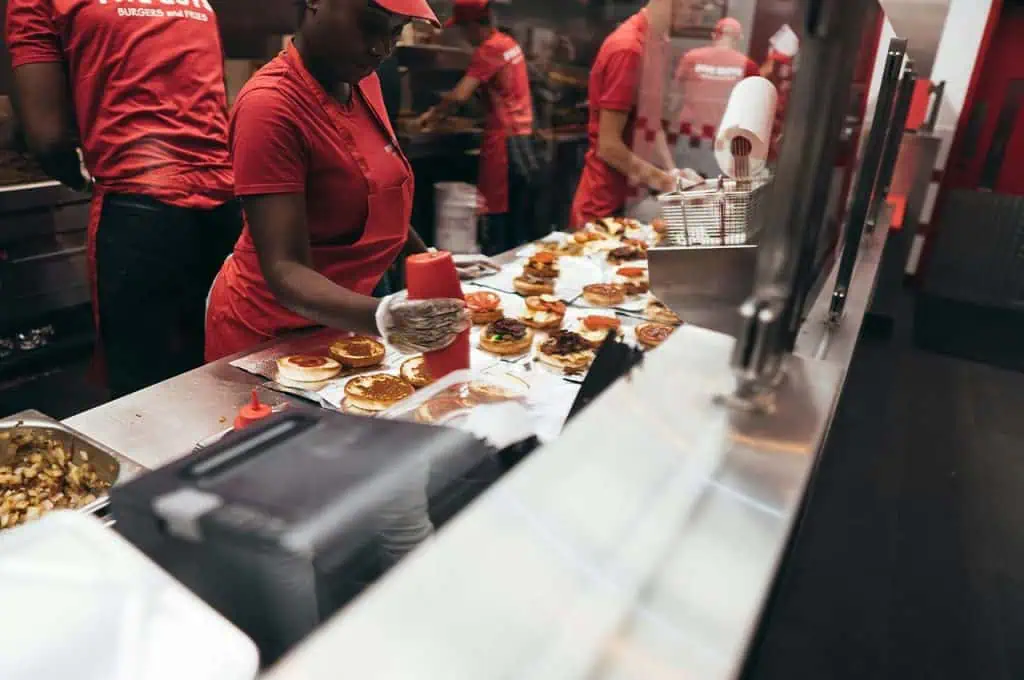
The appeal of fast food during the lunch hour lies in its speed and consistency. However, this reliance on quick-service meals may wane as health awareness increases. Preparing balanced meals that incorporate fresh ingredients can provide a nourishing alternative. Techniques such as meal prepping and using versatile ingredients enable home cooks to create quick, satisfying lunches that exceed the nutritional profile of typical fast food offerings.
Family-Size Packs: Convenience vs. Waste

Bulk buying offers convenience, yet it can lead to food waste if not managed wisely. Efficient storage techniques and meal planning can mitigate this issue, helping home cooks use all purchased ingredients effectively. Emphasizing fresh, perishable items in smaller quantities may become more popular, encouraging timely consumption and reducing waste. Proper portioning and creative use of leftovers can further enhance the sustainability of family-sized purchases.
Sugary Coffee Drinks: A Sweet Crutch

Heavily sweetened coffee drinks offer immediate comfort but can overshadow the natural flavors of quality coffee. Gradually reducing added sugars and experimenting with spices, like cinnamon or nutmeg, can enhance the depth of flavor without relying on syrups. Exploring various brewing methods, such as pour-over or cold brew, allows the rich, inherent notes of the coffee to shine, turning the daily caffeine fix into a more refined experience.
Get the recipe: Maple Pecan Cold Brew
Dining Out: More Than Just a Treat

Dining out has evolved beyond celebratory occasions into a frequent activity for many. However, the allure of restaurant experiences may shift as home cooking becomes more valued for its health benefits and cost savings. Mastering fundamental cooking techniques, such as searing and roasting, can elevate home-cooked meals, re-creating the quality found in restaurants. This balance of dining out and cooking at home can satisfy both the desire for culinary adventure and mindful eating.
Freezer Meal Dependence: Quick Fix or Trap?
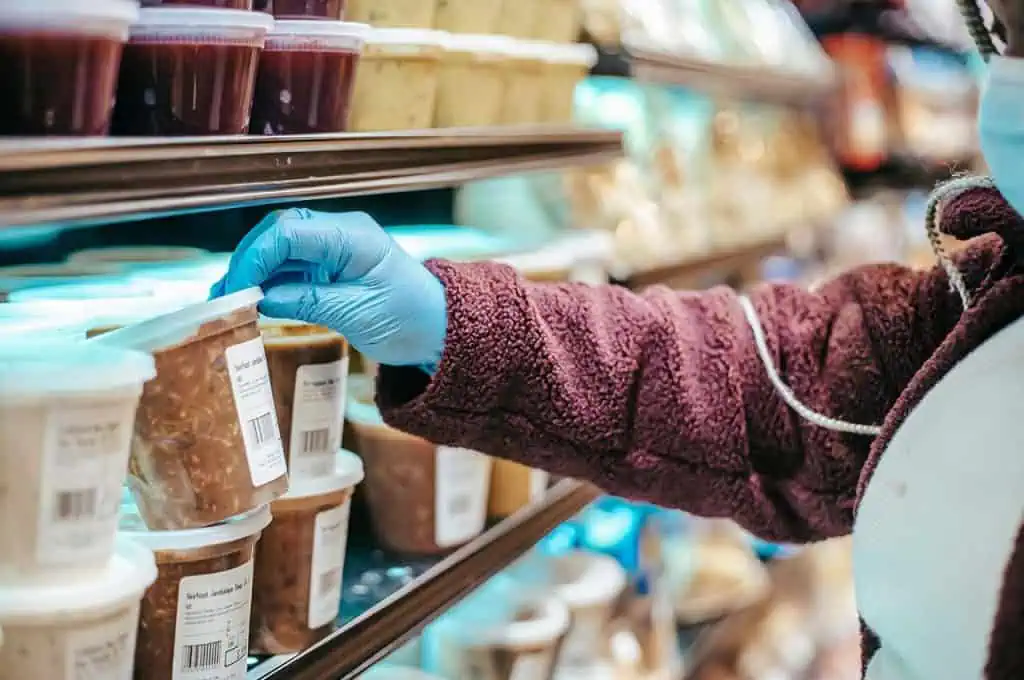
Relying on freezer meals offers convenience, but it’s important to weigh the trade-offs. These pre-packaged solutions can be high in sodium and preservatives, which may not suit long-term health goals. Exploring meal-prep strategies can mitigate dependency, allowing control over ingredients and nutritional content. Consider preparing double batches of soups or casseroles and freezing portions. This approach fosters variety without the pitfalls of relying solely on store-bought options, enhancing both flavor and nutritional value.
Takeout Tipple: Booze on the Go

The convenience of ready-to-drink alcoholic options has surged, but the chef in you may appreciate crafting cocktails at home. By mastering classic recipes like the margarita or old-fashioned, you gain control over sweetness and strength, tailoring drinks to your palate. Utilize fresh citrus and high-quality spirits to elevate the experience. While takeout drinks offer a quick fix, home-made cocktails promise a balance of flavor and presentation worthy of any occasion. Investing time in cocktail crafting can be both an enjoyable hobby and a healthier choice.
Snack Attack: The Packaged Threat
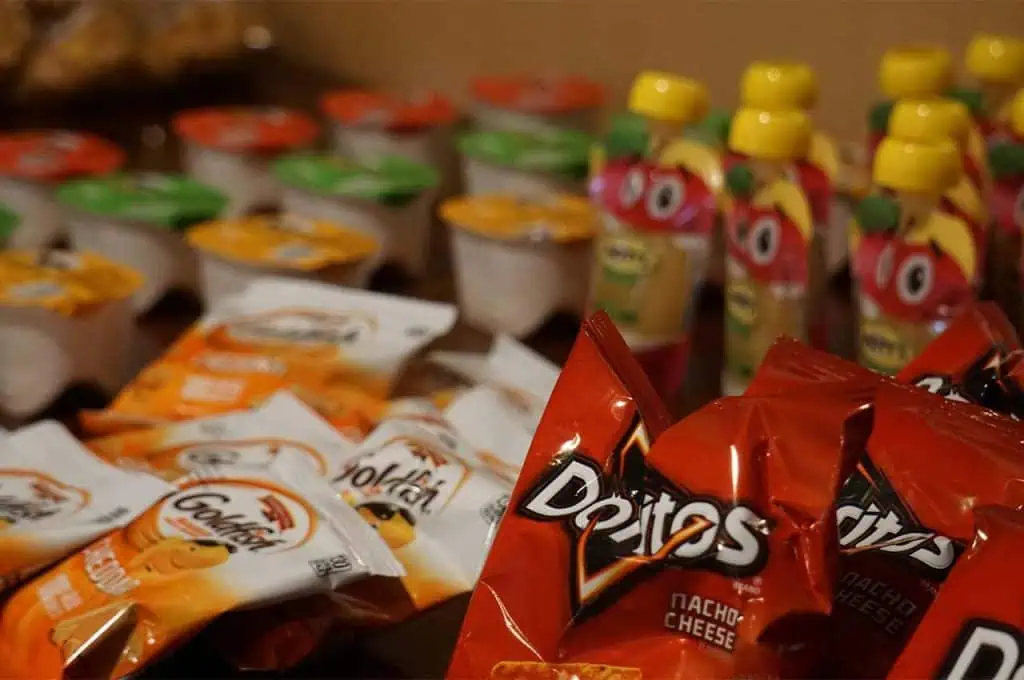
Packaged snacks offer a tempting convenience, but often at the cost of nutritional integrity. High in added sugars and unhealthy fats, these options can be replaced with equally convenient homemade alternatives. Roasted chickpeas or mixed nuts can provide the same crunchy satisfaction and are easily made in batches. Season them with herbs or spices for added flavor interest. This shift not only improves nutritional intake but also broadens your culinary repertoire, making healthy snacking both accessible and enjoyable.
Cereal Sweet Tooth: Morning Sugar Rush

Many breakfast cereals are laden with sugars that can affect energy levels throughout the day. Transitioning to homemade granola or overnight oats can offer a satisfying morning alternative. Use ingredients like rolled oats, nuts, and dried fruits, sweetened lightly with honey or maple syrup. These options provide sustained energy and are adaptable to personal taste preferences. Preparing breakfast this way invites more nutrient-dense meals into your routine and helps establish a more balanced start to the day.
Condiment Craze: Overdoing the Extras

The abundance of available condiments can easily lead to overuse, masking the flavors of main dishes. Creating your own condiments, such as flavored oils or simple vinaigrettes, can enhance meals without overwhelming them. By doing so, you retain control over salt and sugar levels while introducing more nuanced tastes. Experimenting with fresh herbs and citrus can add depth to dishes, allowing natural flavors to shine. This mindful approach to condiments can elevate meals from ordinary to exceptional, all while supporting a balanced diet.
Soda Sip: A Daily Sugar Habit

In the daily rush, many grab a soda as a quick pick-me-up. This sugary choice, while momentarily refreshing, contributes significantly to sugar intake, impacting overall health. Reducing reliance on soda requires creativity. Opt for sparkling water with a splash of citrus to emulate the fizz while cutting sugars. Transitioning to naturally flavored teas or infused waters can also satisfy taste buds without compromising wellness. Small changes in beverage choices can gradually lead to a more balanced lifestyle.
Microwave Dinners: Quick but Not Nutritious
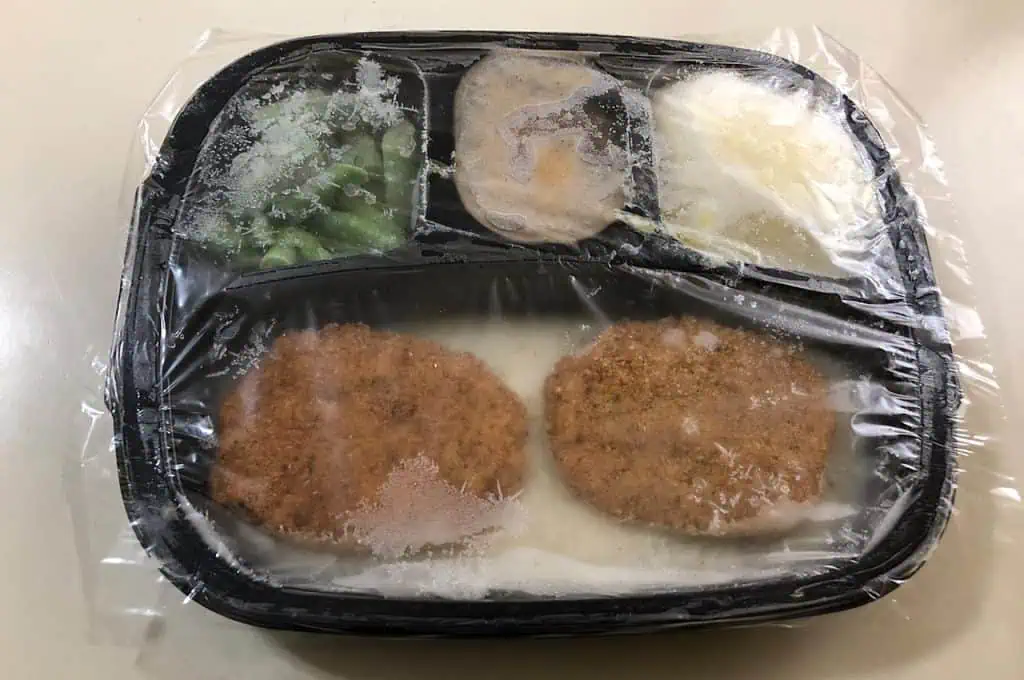
Microwave dinners epitomize convenience, meeting the demand for speed in meal preparation. However, they often lack nutritional density, being high in sodium and preservatives. Embrace batch cooking on a relaxed weekend, preparing meals with whole grains, fresh vegetables, and lean proteins. Store these in portion-sized containers for quick access throughout the week. This approach not only ensures nutritional quality but also offers a satisfying homemade touch without the rush.
Midnight Munchies: Chips and Candy Cravings

Late-night snack attacks often lead to reaching for chips or candy, choices that provide empty calories with little nourishment. Satisfy these nocturnal cravings by preparing a mix of nuts, seeds, and dried fruits. The blend offers a crunch with the natural sweetness, providing fiber and healthy fats. Alternatively, air-popped popcorn lightly seasoned with herbs or nutritional yeast can be a flavorful, low-calorie option. Gradual shifts toward healthier snacks can transform late-night habits into positive eating experiences.
