
Servers say customers still get these 6 basic Dining Etiquettes wrong
Most dining mistakes aren’t dramatic or malicious; they’re rooted in small misunderstandings about timing, communication, and shared space. Servers say these issues come up daily and often from well-meaning guests. They aren’t written rules or posted policies, but unspoken norms that help restaurants function smoothly, especially during busy service. When customers miss them, the meal may still feel fine at the table, but behind the scenes, it adds stress, extra steps, and avoidable pressure. Understanding these basics doesn’t just improve service; it makes the entire dining experience smoother for everyone involved.
Waiting Until the End to Mention Split Checks
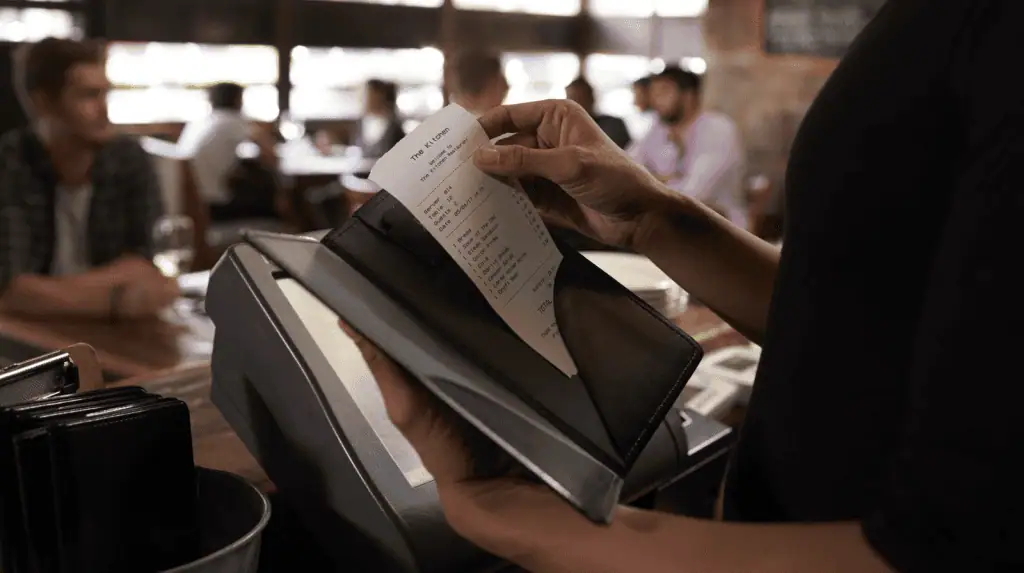
Asking for split checks after the bill arrives is one of the most common service disruptions servers face. During a meal, servers are often tracking orders, seats, and payments mentally or through the POS system from the start. When a split is requested late, they have to reconstruct the table under time pressure, increasing the chance of mistakes. Servers say mentioning split checks early isn’t about inconvenience, it allows them to organize service properly from the beginning. A quick heads-up saves time, reduces errors, and keeps the end of the meal from feeling rushed or awkward.
Stacking Plates and Silverware Incorrectly
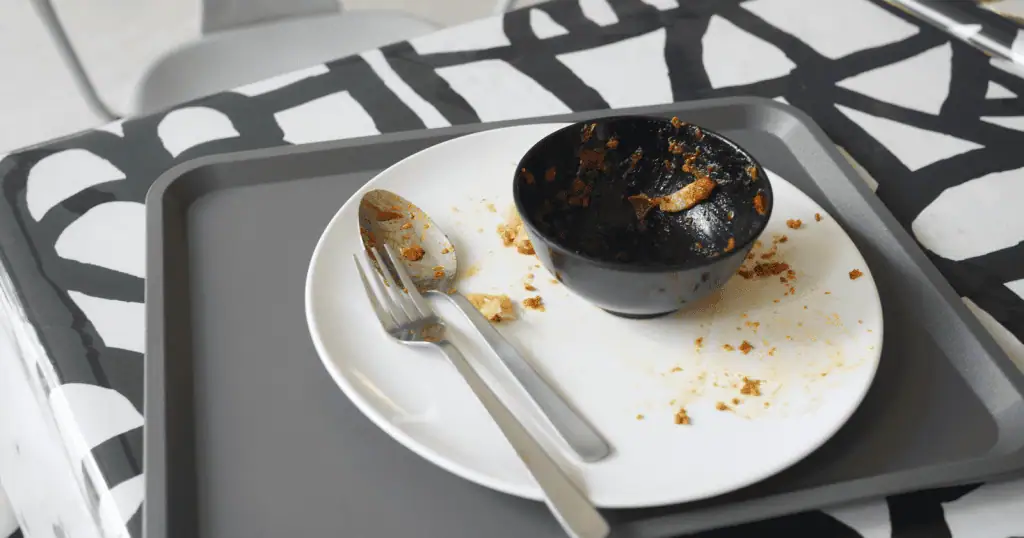
Many guests try to help by stacking plates, but servers say this often creates more problems than it solves. Unstable stacks, hidden silverware, or plates pressed together with food scraps can slow clearing and increase the risk of spills or cuts. Servers are trained to carry items in specific ways, and improvised stacks can disrupt that flow. While the intention is appreciated, it’s usually better to leave plates neatly spaced and utensils visible unless the server asks for help. Small gestures done incorrectly can unintentionally add stress during an already fast-paced service.
Ordering Before Everyone Is Ready

Starting an order while part of the table is still deciding creates avoidable timing issues. Servers rely on complete orders to pace the kitchen and coordinate when dishes should fire. When orders come in pieces, some plates may arrive early while others lag, or finished food may sit waiting. That affects temperature, texture, and overall experience. Servers say waiting a few extra minutes until everyone is ready helps meals land together and taste as intended. It’s not about rushing decisions; it’s about respecting how timing behind the scenes keeps service smooth.
Treating Water Refills as Automatic

Water refills are part of service, but servers say they’re often treated as instant and constant, even when glasses are still half full. Frequent interruptions for refills pull attention away from other tables and disrupt flow, especially during busy shifts. Servers juggle multiple priorities, and refills are usually handled during natural check-ins. Making eye contact or waiting briefly signals a need without urgency. This small adjustment helps maintain rhythm and allows servers to balance everyone’s needs without feeling rushed or stretched thin.
Making Multiple Requests in Separate Waves

Asking for items one at a time, napkins, then sauce, then another drink, creates repeated trips that slow service overall. Each extra run adds pressure, especially during peak hours when movement is carefully planned. Servers say grouping requests helps them work more efficiently and reduces delays for everyone. This isn’t about limiting what guests ask for, but about timing. Mentioning everything at once allows servers to anticipate needs, minimize backtracking, and keep the dining room moving smoothly instead of constantly stopping mid-task.
Assuming Servers Control Everything

Guests often assume servers control prices, wait times, kitchen speed, or restaurant policies. Servers say this misunderstanding leads to misplaced frustration when things don’t go perfectly. While servers advocate for guests whenever possible, many decisions are handled by management or the kitchen. Blaming the server rarely fixes the issue and can escalate tension. Clear, calm communication works far better. Understanding the limits of a server’s role helps keep interactions respectful and productive, making it easier for them to help where they actually have influence.
