
If You Were Stranded on a Deserted Island, These 7 Foods Could Keep You Alive
Surviving on a deserted island requires choosing foods that provide hydration, energy, and essential nutrients. Focusing on nutrient-dense options can help sustain you effectively. Here’s a look at seven key foods that can support your survival efforts practically and nutritiously.
Coconuts: Hydration & Energy Source
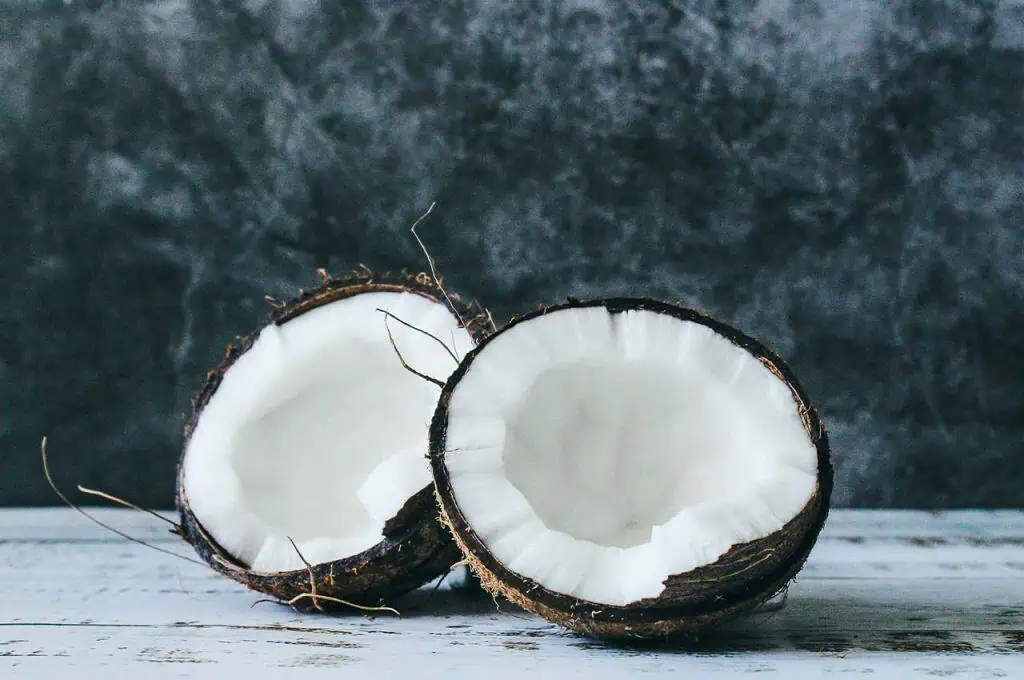
Coconuts offer hydration and vital calories. Use a sharp rock to crack open the shell, accessing the refreshing water inside. This liquid helps with hydration. For energy, scrape out the white flesh and consume it raw or shred it into flakes to dry for later use. The high-fat content supports sustained energy levels, making it an indispensable island food choice.
Fish: Shoreline Protein Power

Catch fish using spearing or netting techniques along the shoreline. Fresh fish provides essential proteins and Omega-3 fatty acids, crucial for body functions. Cook fish over an open flame to prevent foodborne illnesses, or sun-dry thin slices if fire is unavailable. This method extends shelf life and ensures a steady protein supply.
Seaweed: Easy-to-Harvest Nutrients
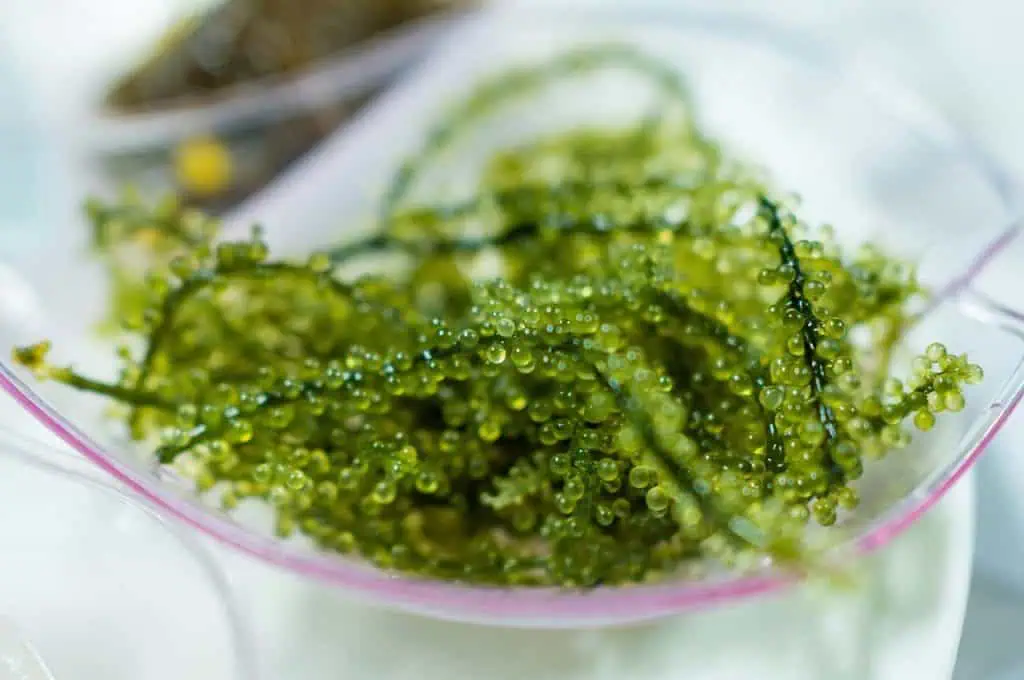
Collect seaweed from tide pools and rocky shorelines. It’s rich in iodine, fiber, and essential minerals, supporting metabolic functions. Rinse thoroughly to remove salt and sand, and consume as is or sun-dried for storage. Seaweed’s umami flavor can enhance other foods, providing variety and appealing taste to your diet.
Root Vegetables: Sustained Energy & Fiber
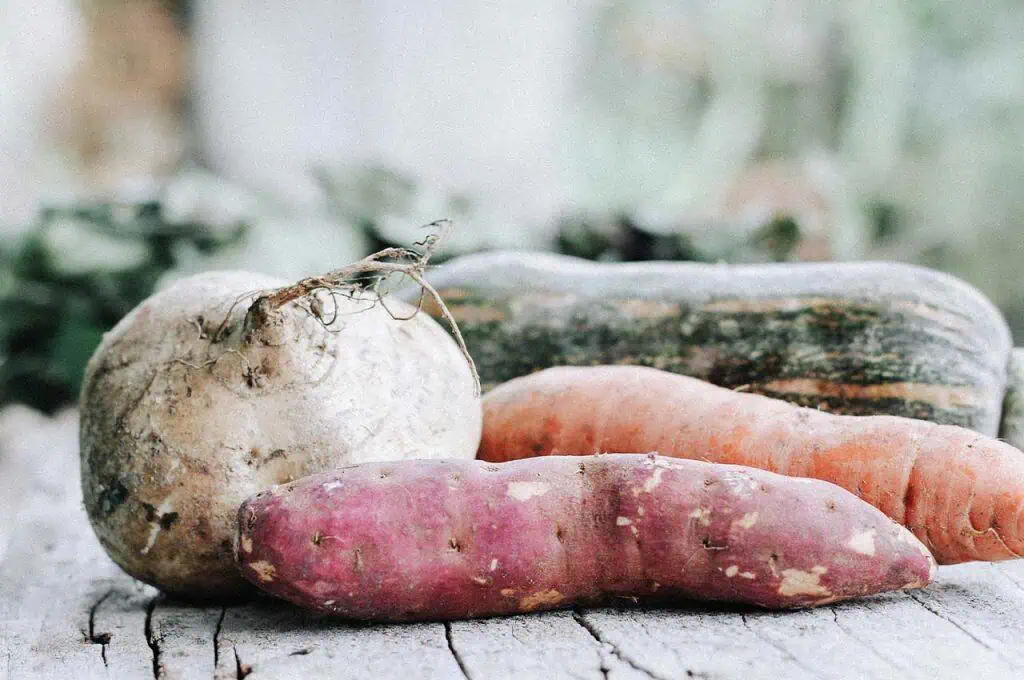
Explore areas near freshwater sources for edible root vegetables like taro or wild yams. Dig them up carefully, wash, and cook them to breakdown potentially harmful enzymes. These roots are rich in carbohydrates, offering sustained energy and essential fiber. Boil or roast them over an open flame to maximize their nutritional benefits.
Wild Fruits: Sugars & Vitamins Boost

Wild fruits offer essential vitamins that bolster the immune system and provide a fast source of energy through natural sugars. When choosing wild fruits, focus on those with vibrant colors, as they often indicate ripeness and nutrient richness. Berries are a great choice; they’re easy to spot and generally safe to eat. Remember to taste a small quantity first to ensure they’re not toxic. Their juicy interior not only hydrates but also provides a welcome burst of sweetness, making them a staple for survival and sustenance.
Nuts and Seeds: Compact Energy Packs

Nuts and seeds are excellent for delivering sustained energy, rich in healthy fats, protein, and essential minerals. Look for species native to your environment, such as acorns or sunflower seeds. Before consumption, crack open the hard shells and sample a small portion to identify any bitterness that could signal toxicity. Light roasting over an open flame can enhance flavor and digestibility. Their compact size makes them perfect for easy collection, storage, and transport, providing vital nutrients for endurance.
Shellfish: Mineral-Rich Survival Fare

Shellfish are a potent source of protein and minerals, essential for maintaining strength and bodily functions. When foraging for shellfish, such as mussels or clams, select those found in clean, unpolluted waters. Check for tightly closed shells or ones that close when tapped, indicating they are alive and safe to eat. Boiling or steaming is crucial to eliminate potential pathogens and enhance digestibility. The briny flavor offers a satisfying taste of the sea while providing crucial nourishment.
