
15 Everyday American Foods That Taste Completely Different Than They Used To
Ask almost anyone over a certain age, and they’ll tell you food doesn’t taste the same anymore. In many cases, they’re right. Changes in farming practices, ingredient sourcing, processing methods, and cost-cutting measures have quietly reshaped flavor over decades. Convenience, shelf life, and scale often took priority over taste, subtly altering the foods Americans eat every day. These shifts didn’t happen overnight, which makes them easy to overlook. These fifteen familiar foods highlight how modern versions differ noticeably from what earlier generations grew up eating.
Tomatoes
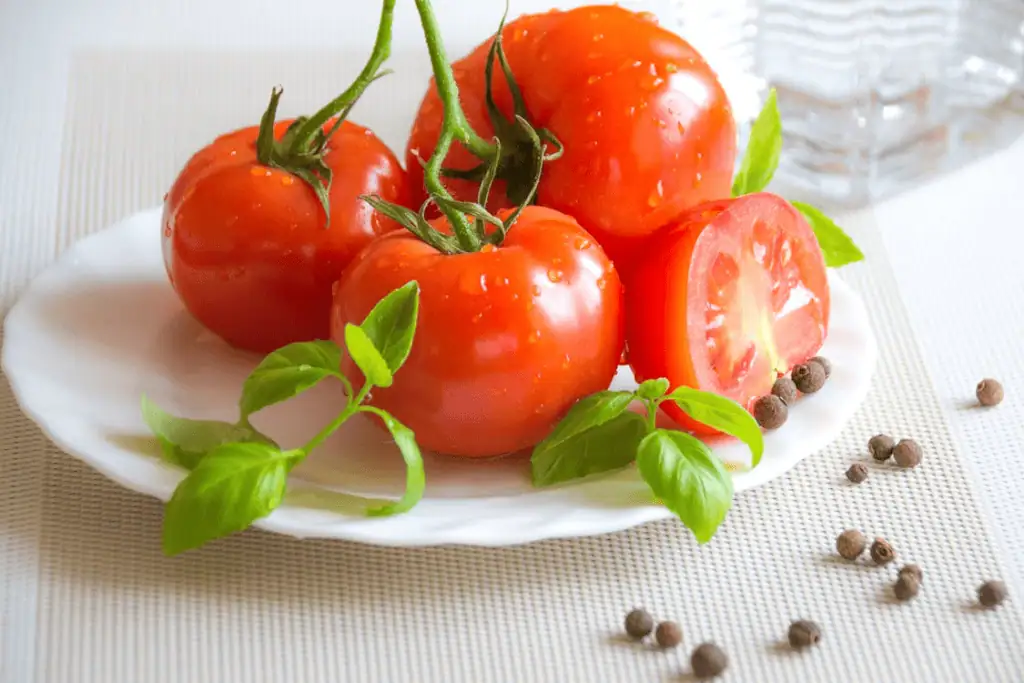
Tomatoes are one of the most commonly cited foods people say have lost their flavor. Modern tomatoes are bred for durability, uniform size, and long shelf life rather than taste. They’re often picked unripe and ripened during transport, which limits natural sugar and acid development. Older varieties were softer, juicier, and more aromatic. While heirloom tomatoes still exist, most supermarket tomatoes today prioritize appearance and transport efficiency over the depth of flavor many Americans remember.
Chicken
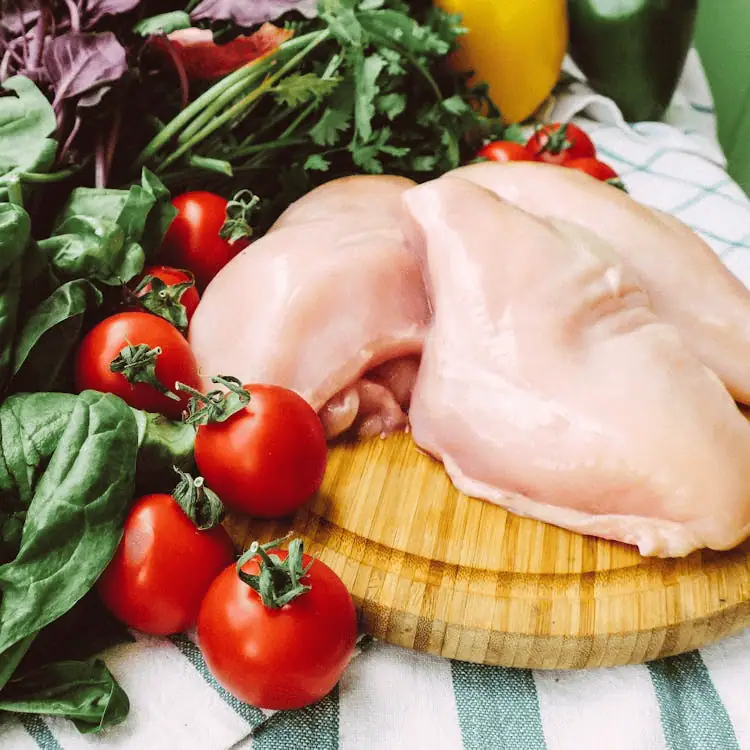
Chicken today is milder and softer than it once was, largely due to breeding for rapid growth and high yield. Modern chickens reach market size much faster, resulting in different muscle structure and less developed flavor. Older birds had firmer meat and a stronger taste, especially when cooked simply. Water retention practices and processing methods have also altered the texture. While chicken remains affordable and versatile, its flavor profile has undeniably changed over time.
Bread
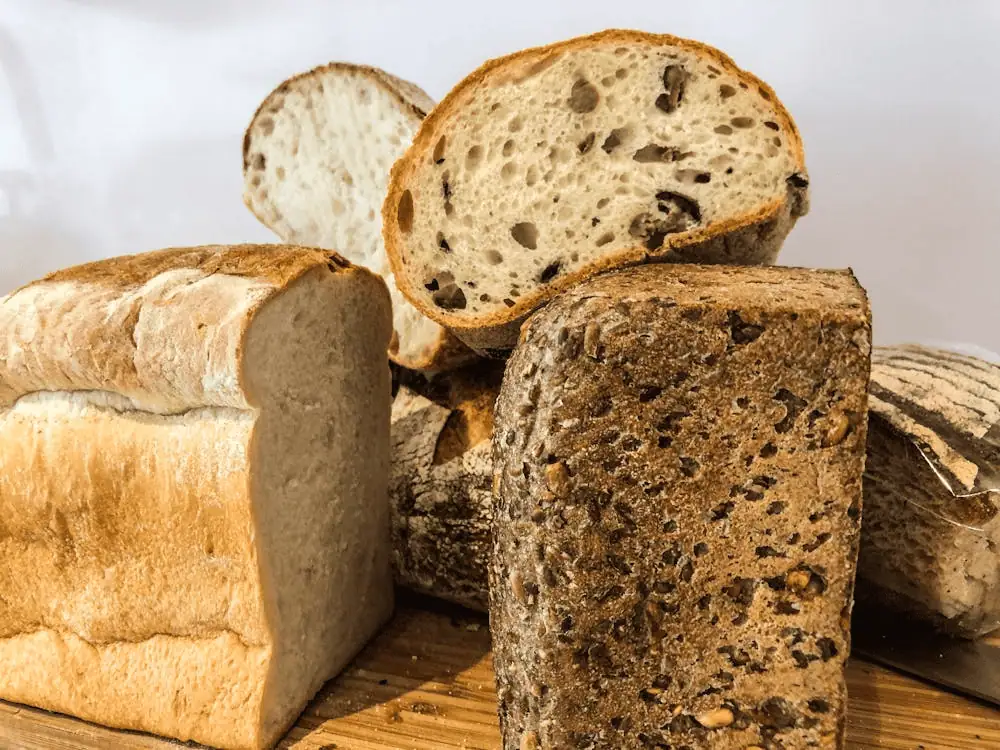
Many Americans notice that everyday bread tastes sweeter and less complex than it used to. Commercial baking relies heavily on added sugars, conditioners, and fast fermentation to speed production and extend shelf life. Traditional bread took longer to rise, developing deeper flavor and texture. Today’s loaves are softer and more uniform but lack the subtle tang and chew of earlier versions. Artisan bread still exists, but mass-market bread reflects efficiency over tradition.
Strawberries

Strawberries look larger and brighter now, but many people say they taste blander. Like tomatoes, strawberries are bred to survive shipping and sit on shelves without bruising. This often comes at the expense of sweetness and aroma. Older strawberries were smaller, softer, and more intensely flavored. Modern versions prioritize visual appeal, which can be misleading. The result is fruit that looks perfect but doesn’t always deliver the taste people expect.
Milk

Milk tastes noticeably different due to changes in processing and farming. Ultra-pasteurization extends shelf life but alters flavor, giving milk a cooked or slightly flat taste. Feeding practices and large-scale dairy operations also influence milk’s richness. Older milk spoiled faster but often tasted fresher and creamier. While modern milk is safer and more consistent, many Americans feel it lacks the depth it once had straight from local dairies.
Apples
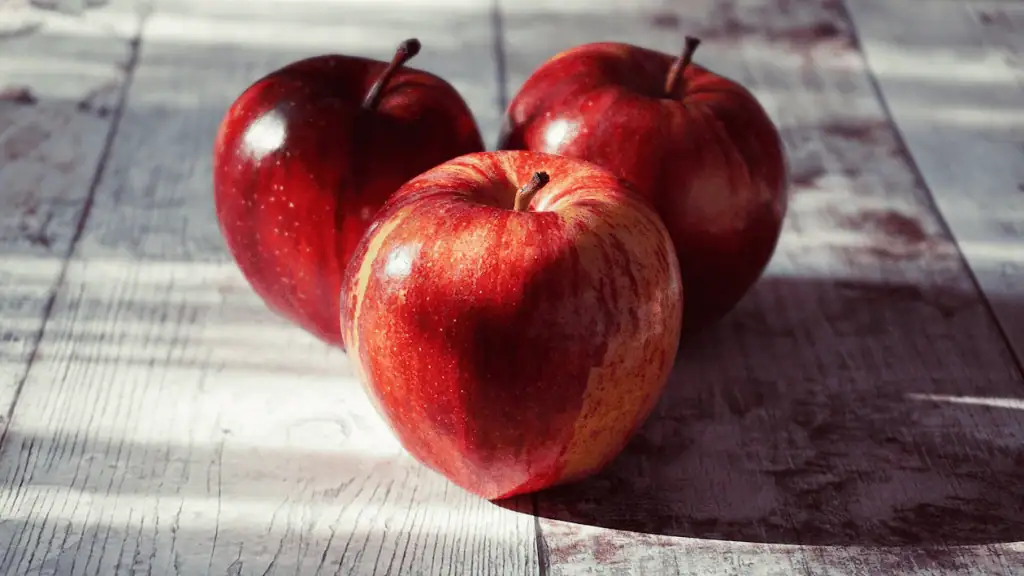
Apples today are bred for sweetness, crunch, and long storage rather than balanced flavor. wide modern varieties emphasize sugar while losing acidity, resulting in apples that taste one-dimensional. Older apples varied more in tartness, aroma, and texture. Storage techniques also affect flavor, as apples can be kept for months before sale. While convenient, this means many apples lose the complexity people remember from orchard-fresh fruit.
Breakfast Cereal

Breakfast cereals have become sweeter and more processed over time. Even cereals once marketed as wholesome now contain more sugar and fewer distinctive grain flavors. Reformulations to appeal to children and reduce costs shifted taste profiles significantly. Earlier cereals were blander but more grain-forward. Today’s versions are engineered for crunch and sweetness, often masking the original ingredients that once defined their flavor.
Bacon

Bacon today often tastes saltier and less smoky than older versions. Traditional curing and smoking methods took time and used real wood smoke. Modern production relies more on liquid smoke and faster curing processes. While bacon remains popular, many people notice it lacks the deep, savory complexity it once had. Thinner cuts and water-added processing also affect texture and flavor when cooked.
Oranges

Oranges are sweeter but less aromatic than they used to be. Breeding focused on sweetness and seedlessness reduced bitterness but also flattened flavor. Many modern oranges lack the floral notes that older varieties had. Long storage and transport further dull the taste. While easy to eat, today’s oranges often feel less vibrant compared to those people remember from earlier decades.
Ice Cream

Ice cream texture and flavor have changed due to ingredient substitutions. Many brands use stabilizers, gums, and less cream to reduce costs and improve shelf stability. This results in softer ice cream that melts differently and tastes less rich. Older ice creams relied more on cream, eggs, and sugar, creating deeper flavor. Premium brands still follow that model, but everyday ice cream has shifted noticeably.
Ground Beef

Ground beef today often tastes milder due to leaner blends and large-scale processing. Earlier beef came from slower-grown cattle with more fat and a stronger flavor. Trimming fat reduces taste but appeals to health messaging. Processing and packaging also affect freshness. While still versatile, many people notice ground beef lacks the richness it once brought to simple dishes.
Peanut Butter
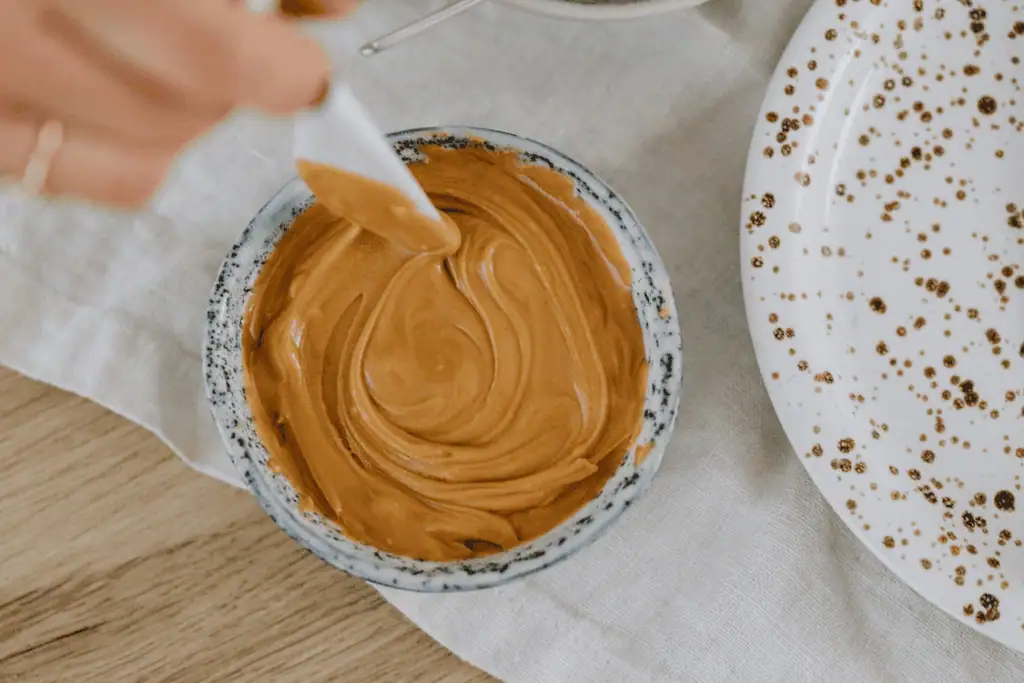
Peanut butter has become sweeter and smoother over time. Many brands add sugar, oils, and stabilizers to prevent separation and appeal to mass markets. Older peanut butter had a more roasted, peanut-forward flavor and required stirring. While convenient, modern versions often taste less nutty and more processed than earlier iterations.
Cheese
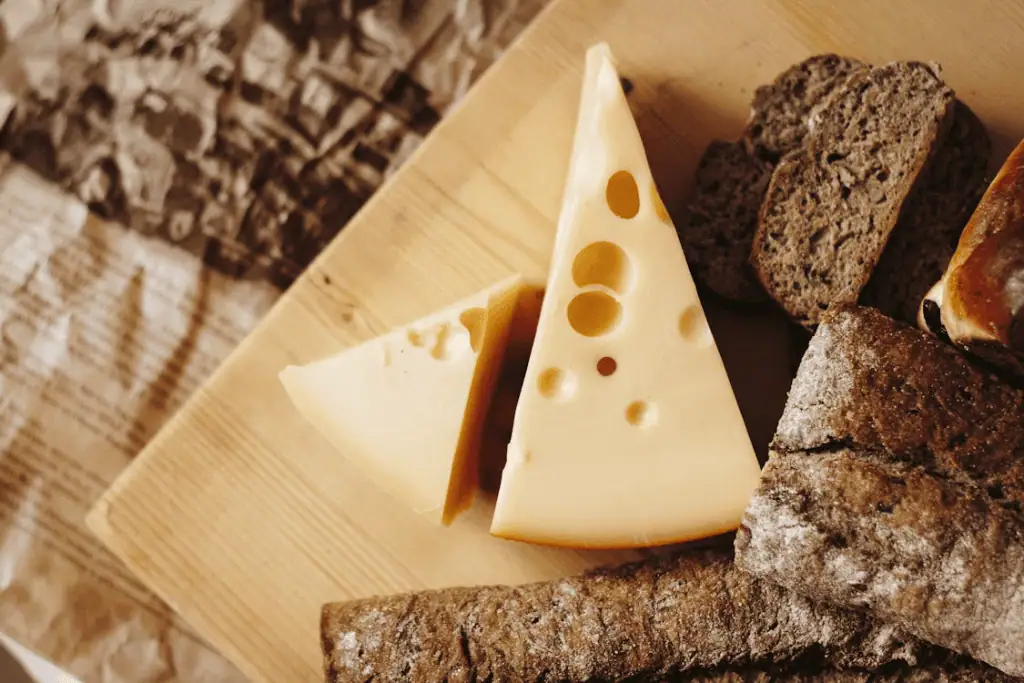
Mass-produced cheese often tastes blander than it once did due to faster aging and standardized production. Traditional cheese took time to develop complexity and variation. Today’s cheeses prioritize meltability, consistency, and cost. While specialty cheeses remain available, everyday sliced and shredded cheeses lack the depth and character older versions had.
Lettuce

Lettuce today is bred for durability and uniformity, not flavor. Iceberg and romaine varieties are often crisp but watery. Earlier garden-grown lettuce had more bitterness and aroma. Hydroponic and large-scale farming improve availability but reduce variation. The result is lettuce that adds crunch but little taste.
Chocolate

Many Americans say chocolate tastes sweeter and less cocoa-forward than it used to. Cost pressures pushed manufacturers toward more sugar and less cocoa solids. Ingredient sourcing and processing also changed. Earlier, chocolate had deeper bitterness and complexity. While premium chocolate still exists, everyday candy bars reflect reformulation aimed at mass appeal rather than flavor depth.
