
10 Modern Jewish Foods Making Their Way Onto Today’s Tables
Jewish cuisine has always evolved alongside geography, culture, and available ingredients. In recent years, a new wave of modern Jewish foods has emerged, reinterpreting traditional dishes while respecting their roots. Influenced by global flavors, health-conscious cooking, and contemporary presentation, these foods reflect how Jewish kitchens are adapting to modern lifestyles. While they may look different from what earlier generations served, they still carry the essence of heritage, memory, and community. These ten foods show how Jewish cooking continues to grow without losing its identity.
Sabich Bowls

Sabich bowls are a modern, deconstructed take on the classic Iraqi Jewish sabich sandwich. Traditionally served in pita, the bowl version layers roasted eggplant, hard-boiled eggs, hummus, tahini, Israeli salad, and amba in a lighter, customizable format. This adaptation appeals to contemporary diners seeking balanced meals without bread-heavy bases. Sabich bowls preserve the bold flavors of the original while offering flexibility for dietary preferences. Their popularity reflects how traditional street food can evolve into a modern, health-forward staple.
Shakshuka Variations
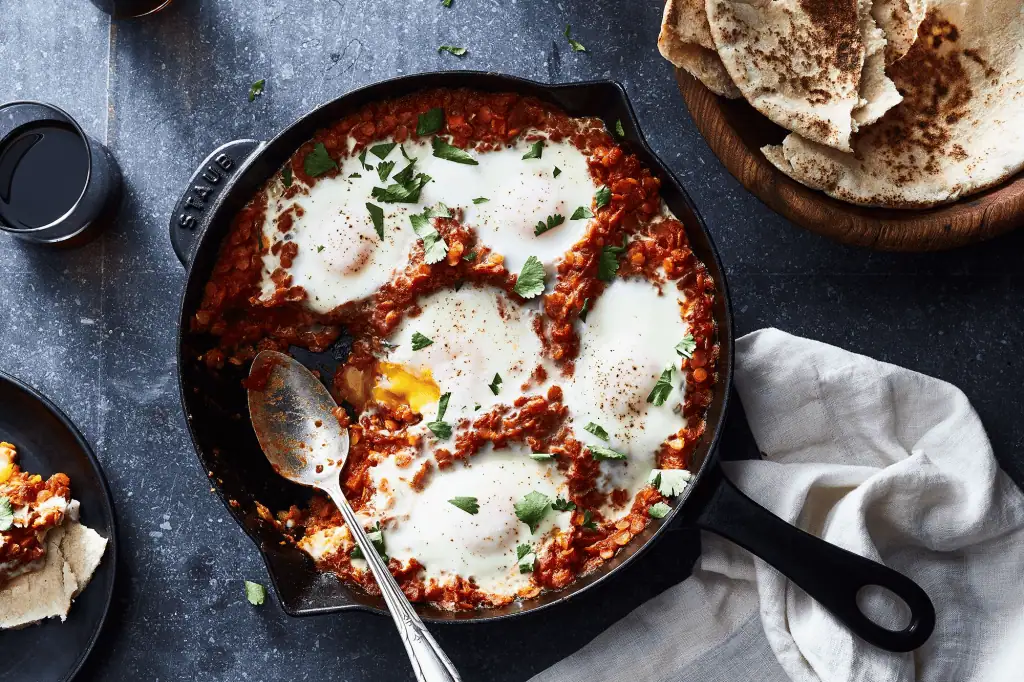
Shakshuka has moved beyond its classic tomato-and-egg preparation into countless modern variations. Today’s tables feature versions with spinach, mushrooms, feta, harissa twists, or even green vegetables in place of tomatoes. While the base concept remains simple, these updates reflect global influences and seasonal cooking trends. Shakshuka’s adaptability makes it ideal for modern households, serving as breakfast, lunch, or dinner. Its continued reinvention shows how a humble dish can stay relevant without losing its comforting, communal appeal.
Challah French Toast

Challah French toast is a modern upgrade that turns a familiar bread into a brunch centerpiece. The rich, egg-based challah absorbs custard beautifully, resulting in a soft interior and crisp exterior. Often topped with fruit, yogurt, or flavored syrups, this dish bridges traditional Jewish baking with contemporary brunch culture. Families enjoy it as a weekend or holiday treat that feels indulgent yet familiar. Its rise in popularity highlights how classic breads can find new life through modern presentation and usage.
Latke Waffles

Latke waffles reimagine the traditional potato pancake using a waffle iron for crisp texture and visual appeal. This modern approach reduces frying mess while creating evenly browned, crunchy edges. Latke waffles are often topped creatively, ranging from smoked salmon and sour cream to avocado or poached eggs. Despite the update, the core ingredients and symbolism remain intact. This dish demonstrates how playful techniques can refresh holiday foods while keeping their cultural meaning alive.
Cauliflower Schnitzel
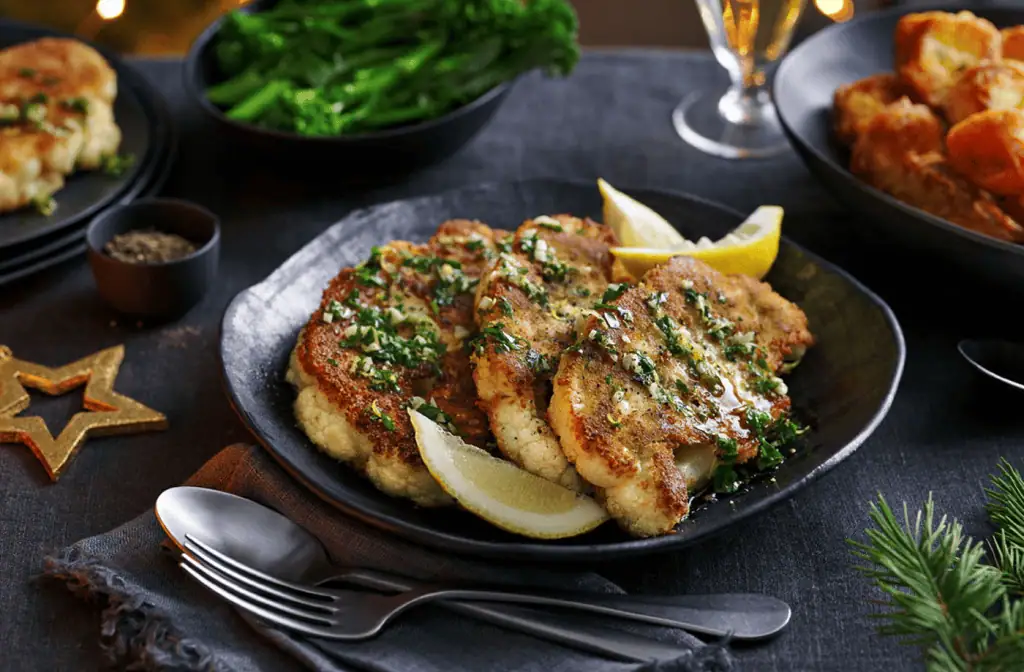
Cauliflower schnitzel is a plant-forward adaptation of the traditional breaded cutlet. Thick slices of cauliflower are seasoned, breaded, and baked or fried, offering a satisfying texture without meat. This modern dish reflects shifting dietary preferences while staying connected to familiar flavors and techniques. Served with salads, sauces, or grains, cauliflower schnitzel fits seamlessly into contemporary meals. Its popularity shows how Jewish comfort foods are evolving to meet vegetarian and flexitarian lifestyles.
Everything-Spiced Babka

Babka has embraced bold new flavors, including savory versions topped with everything bagel seasoning. This modern twist balances rich dough with garlic, sesame, and onion notes, blurring the line between bread and pastry. Everything-spiced babka often appears at brunch tables, replacing sweeter desserts with something more versatile. While unconventional, it still relies on traditional baking methods. Its success reflects a broader trend of blending iconic Jewish baked goods with modern flavor profiles.
Hummus with Modern Toppings

Hummus remains a staple, but modern versions elevate it with creative toppings like roasted vegetables, spiced chickpeas, herbs, or infused oils. Served as a centerpiece rather than a side, hummus now reflects restaurant-style presentation at home tables. These additions add texture, color, and global influence without altering the core recipe. The evolution of hummus highlights how simple foods adapt to modern aesthetics while remaining deeply rooted in everyday Jewish cuisine.
Gefilte Fish Croquettes

Gefilte fish croquettes modernize a dish often associated with formality and tradition. Instead of being served cold in slices, the fish mixture is shaped into patties, lightly breaded, and pan-fried. This approach improves texture and broadens appeal, especially for younger generations. Paired with sauces or salads, gefilte fish croquettes feel more approachable and contemporary. They show how reworking preparation methods can revive dishes that risk fading from modern tables.
Israeli Grain Salads

Israeli grain salads featuring farro, freekeh, or quinoa have become modern staples. These salads combine grains with fresh herbs, vegetables, citrus, and olive oil for bright, balanced flavors. Influenced by Mediterranean and Middle Eastern cooking, they fit well with current interest in wholesome, plant-forward meals. While modern in composition, they echo traditional Israeli flavors and techniques. Their popularity reflects how Jewish food continues to align with contemporary health and lifestyle trends.
Vegan Matzo Ball Soup
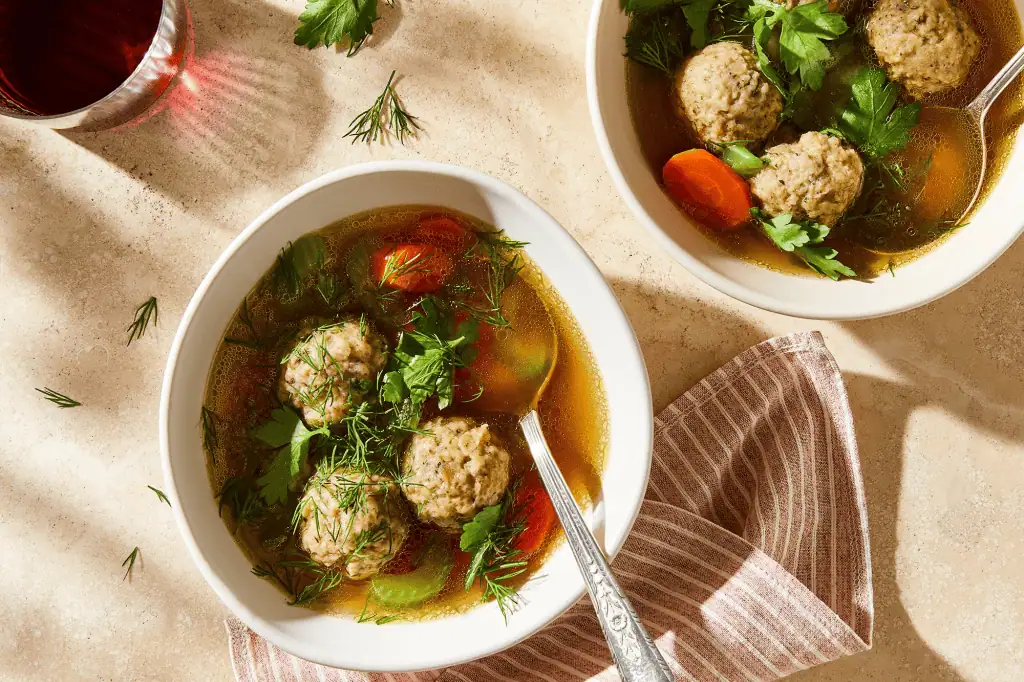
Vegan matzo ball soup adapts a deeply traditional comfort food for modern dietary needs. Using vegetable broth and plant-based fats, it maintains familiar flavors while excluding animal products. The matzo balls remain central, offering the same comforting texture many associate with family meals. This version allows more people to participate in tradition without compromise. Its growing presence shows how inclusivity and innovation can coexist within cherished Jewish dishes.
