
8 Common Ingredients That Are Surprisingly Banned in Other Countries
Some ingredients that seem completely normal in the U.S. are surprisingly banned or tightly restricted abroad. Other countries take stricter stances on food dyes, preservatives, and farming chemicals, many of which remain common in American kitchens. From bright-colored snacks to store-bought meats, these ingredients can’t be sold everywhere. Here are the everyday items that are surprisingly prohibited elsewhere.
Red Dye No. 40

One of the most widely used food colorings in the U.S., Red 40 appears in everything from candies to cereal. But several countries restrict or require warning labels for it due to potential behavioral effects in children. The European Union mandates clear labeling, and some nations avoid it entirely. Despite controversy abroad, it remains common in American snacks.
Potassium Bromate

Used to strengthen dough in breads and baked goods, potassium bromate is banned in the EU, Canada, and several Asian countries because it’s considered a possible carcinogen. In the U.S., it’s still permitted as long as final products show no residue. Many American bakeries continue using it, even though safer alternatives exist overseas.
Ractopamine

This feed additive helps livestock grow leaner and faster, but more than 150 countries including China and the entire European Union have banned it from pork and beef production. Concerns revolve around potential cardiovascular and behavioral effects. While widely used in U.S. farming, ractopamine-raised meat can’t be imported into many nations.
Azodicarbonamide (ADA)

Commonly found in burger buns and packaged breads, ADA improves texture but doubles as a chemical used in foam plastics. The EU and Australia banned it due to potential respiratory risks. Although the U.S. still allows it, many major brands have slowly removed it after public pushback. It’s one of the most controversial bread additives.
Yellow Dyes No. 5 and No. 6

These bright food colorings appear in chips, drinks, and desserts across the U.S. but are restricted in the EU, where any product containing them must carry a warning label. Some countries ban them outright due to concerns over hyperactivity in children. American brands often reformulate their products for foreign markets to comply with stricter rules.
BHA and BHT

These preservatives extend shelf life in cereals, chips, and snack mixes, but they’re banned in parts of Europe and Japan due to studies suggesting possible carcinogenic effects. In the U.S., they’re still allowed under the “generally recognized as safe” category. Many American brands are slowly phasing them out, but they remain common in processed foods.
Brominated Vegetable Oil (BVO)
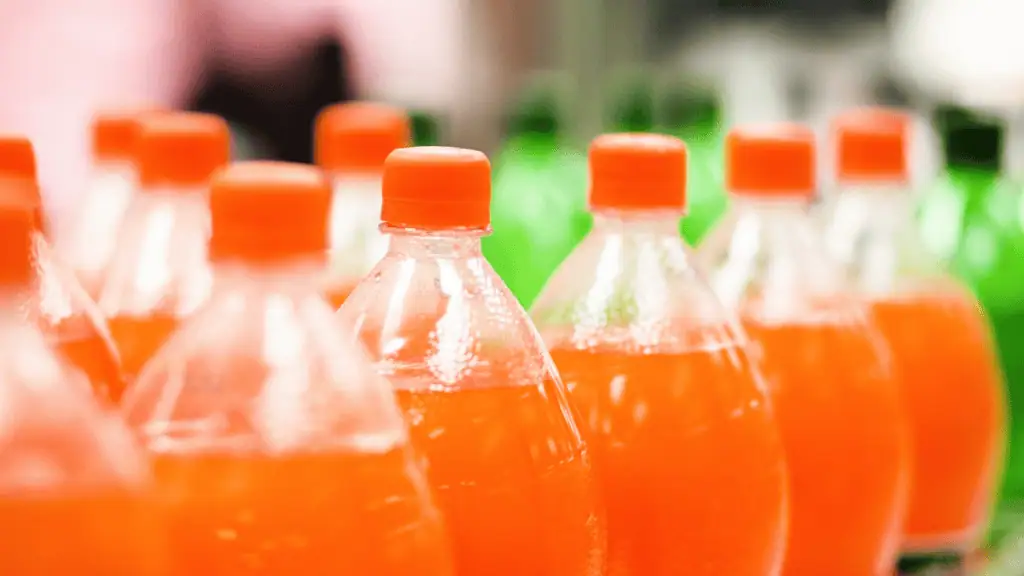
Used to stabilize citrus sodas, BVO contains bromine, a chemical also found in flame retardants. The EU and Japan banned it due to concerns over buildup in body tissues. The U.S. has begun phasing it out, but some sodas previously contained it for decades. Its safety remains a global debate, making it one of the most surprising banned ingredients abroad.
Recombinant Bovine Growth Hormone (rBST)
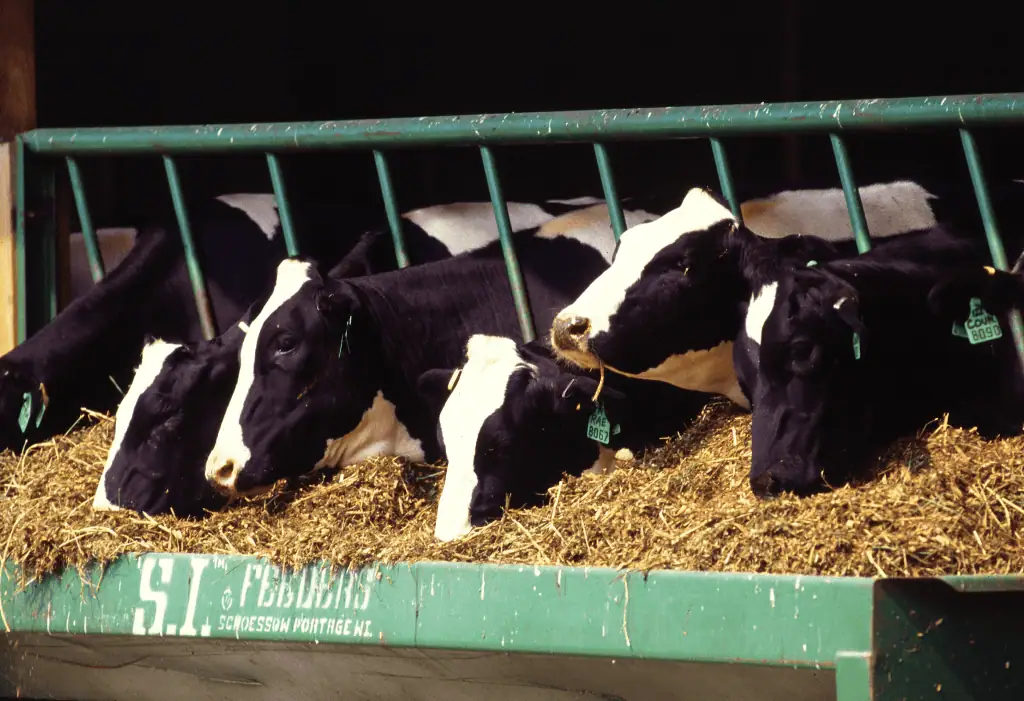
Used to boost milk production in U.S. dairy cows, rBST is banned in Canada, the EU, and several other countries over animal welfare and potential health concerns. American milk products often note “rBST-free” on labels because of consumer demand, though the hormone remains legal domestically. It’s one of the clearest differences between U.S. and international dairy standards.
