
8 Ingredient Swaps That Immediately Upgrade Your Dinner Game
Ingredient swaps can transform your everyday meals into something extraordinary with minimal effort. By swapping certain ingredients for their more flavorful or nutritious counterparts, you not only enhance taste but also texture and nutritional value. This guide highlights eight simple swaps that are both accessible and impactful, perfect for elevating your dinner game.
Greek Yogurt: The Sour Cream Upgrade

Greek yogurt is a versatile swap for sour cream, bringing a smooth, creamy texture along with added protein. Use equal parts Greek yogurt in recipes calling for sour cream to achieve the same tangy profile with a nutritional boost. It’s especially effective in tacos, baked potatoes, and dressings. Opt for full-fat versions to maintain the desired richness and mouthfeel, and add a squeeze of lemon juice if you prefer a sharper punch.
Fresh Herbs: Elevate Your Flavors

Incorporating fresh herbs instead of dried can drastically refine your dishes. Fresh herbs like parsley, cilantro, and basil offer vibrant, fresh notes that can elevate even the simplest meals. Use them at the end of cooking to preserve their delicate flavors, or make them the star in a pesto or chimichurri. Triple the amount of fresh herbs if substituting for dried, and always add gradually to avoid overpowering other ingredients.
Sea or Kosher Salt: A Salty Revelation

Switching to sea or kosher salt can refine your seasoning skills. These salts dissolve more evenly and have a more nuanced flavor compared to regular table salt. Sea salt can add a subtle minerality, while kosher salt’s larger flakes make it easier to control seasoning by hand. Use it in moderation to bring out flavors without overpowering, and always taste as you go, adjusting to suit the dish’s overall balance.
Coconut Milk: A Creamy Alternative
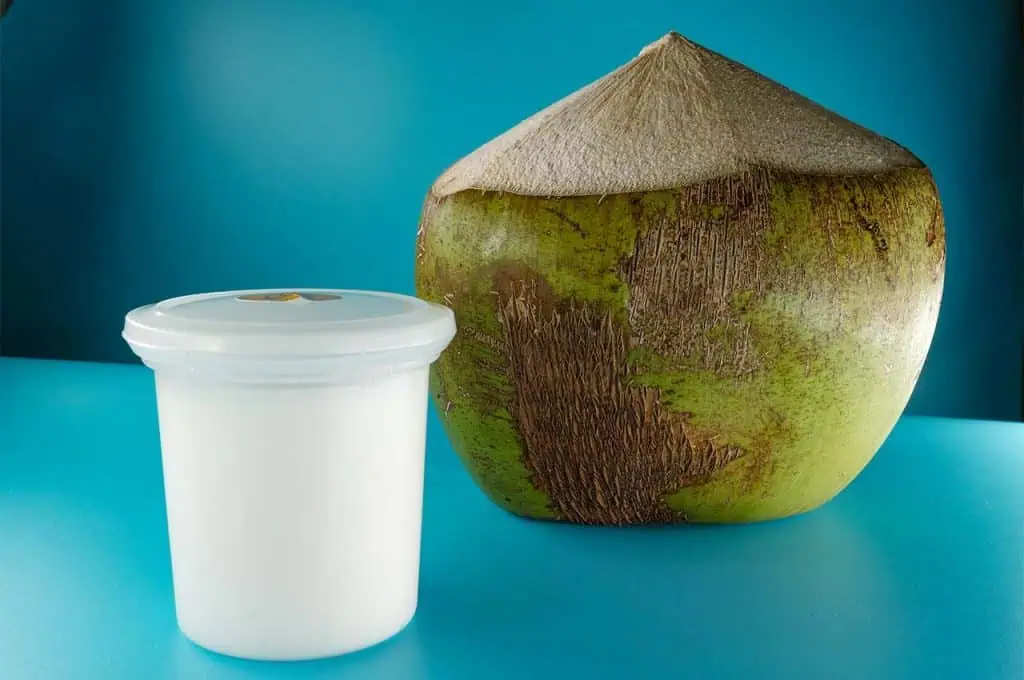
Coconut milk offers a creamy texture without dairy, adding a subtle sweetness perfect for both savory and sweet dishes. Use it in place of cream or milk for curries, soups, or as a base for desserts like rice pudding. Its high fat content ensures the creaminess you desire, while its unique flavor profile enhances the dish’s complexity. Shake the can well before use to combine the coconut cream and water for an even consistency.
Lemon Zest: Citrus with a Twist

Lemon zest adds a bright, aromatic flavor that enlivens dishes with minimal effort. Unlike juice, the zest imparts a concentrated citrus note without adding liquid, making it versatile for both savory and sweet applications. Use a microplane grater to finely shred the zest, avoiding the bitter white pith underneath. Sprinkle it over pasta, salads, or roasted vegetables to provide a refreshing punch of flavor. The natural oils released from the zest enhance aroma, making even simple dishes feel vibrant and refreshing.
Crushed Nuts: A Crunchy Breadcrumb Swap

Crushed nuts serve as a flavorful and nutritious alternative to breadcrumbs. Use almonds, walnuts, or hazelnuts to add texture and richness to your dishes. Toast the nuts lightly before crushing to deepen their flavor. A food processor or mortar and pestle works well for achieving the desired consistency, ranging from coarse to fine. Ideal for coating fish or chicken, they bring a subtle sweetness and earthiness, elevating your culinary creations while remaining gluten-free and protein-rich.
Olive Oil: A Heart-Healthy Butter Replacement

Swap butter for olive oil to infuse dishes with a robust, fruity flavor and maintain heart health. Opt for extra virgin olive oil for its full-bodied taste and nutritional benefits. Use it in sautéing vegetables, marinating meats, or adding to sauces for a smoother, richer texture. To replace butter in baking, start with a three-to-four ratio and adjust based on the desired texture, olive oil results in moister baked goods. This simple substitution not only enhances flavor but also enriches dishes with beneficial monounsaturated fats.
Roasted Garlic: A Milder, Richer Taste
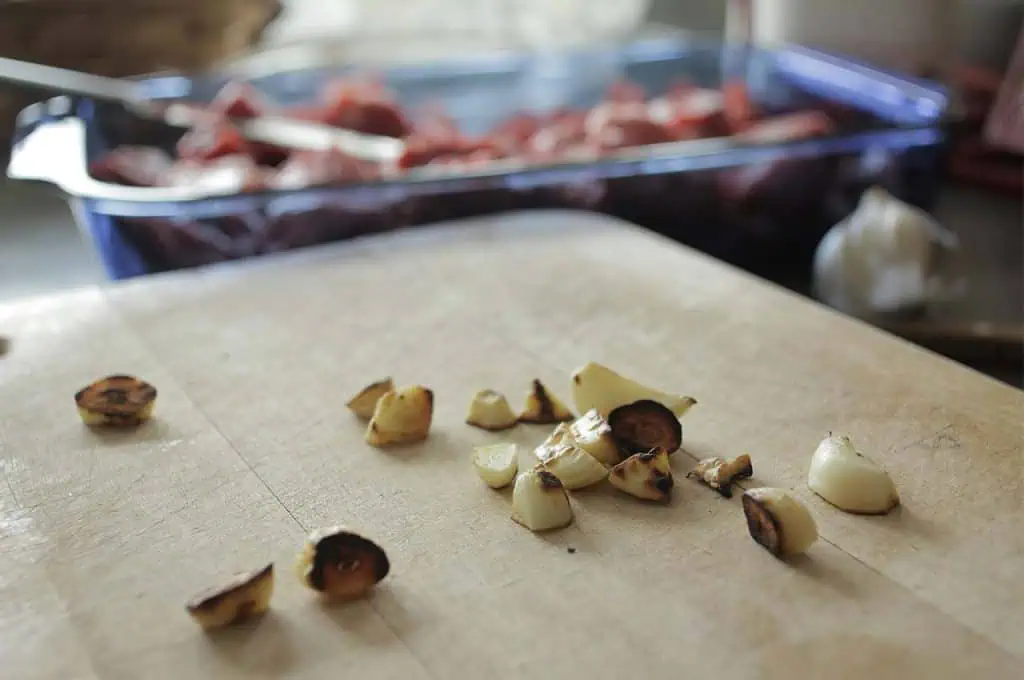
Roasted garlic provides a sweet, mellow flavor that is softer than raw garlic, broadening its culinary applications. Peel away the outer layers of a garlic bulb, drizzle with olive oil, and roast in the oven at 400°F until golden brown and tender. The cloves become spreadable, adding depth to mashed potatoes, pasta, or as a base for sauces and dressings. Its caramel-like sweetness and rich aroma transform simple recipes into gourmet experiences, while maintaining garlic’s natural health benefits.
