
8 Types of Yogurt, Ranked from Classic to Trendy
Yogurt has evolved far beyond a simple breakfast staple. Once limited to plain cups, today’s shelves feature rich Greek styles, silky Icelandic varieties, and modern dairy-free options. Each type has its own distinct texture, tang, and story from India’s comforting dahi to France’s delicate custard-like pots. Whether you prefer thick and tangy or light and creamy, here’s how eight yogurts from around the world compare in flavor and feel.
Traditional Yogurt

The foundation of all yogurts, traditional yogurt is made by fermenting milk with live cultures to create a mildly tart and refreshing flavor. Its smooth, creamy texture makes it ideal for everything from fruit bowls to savory sauces, striking a balance between flavor and versatility. Though lighter than strained varieties, traditional yogurt remains a timeless favorite in kitchens worldwide, offering a perfect base for both sweet and savory creations.
Greek Yogurt

Famous for its thick, velvety texture, Greek yogurt is strained several times to remove whey, resulting in a rich and satisfying mouthfeel. Its tangy flavor pairs beautifully with honey, fruit, or savory dishes like tzatziki. High in protein and beloved by health enthusiasts, Greek yogurt adds creamy depth to breakfast bowls and recipes alike, proving that something indulgent can also be incredibly nutritious.
Icelandic Yogurt (Skyr)

Iceland’s ancient dairy treasure, skyr, walks the line between yogurt and cheese. It’s denser and less tangy than Greek yogurt but equally rich in protein, offering a clean, subtly tart flavor and smooth texture. Skyr makes for a satisfying breakfast or post-workout snack, especially when topped with berries or nuts. It’s a perfect example of Scandinavian simplicity pure, wholesome, and quietly indulgent.
Indian Dahi
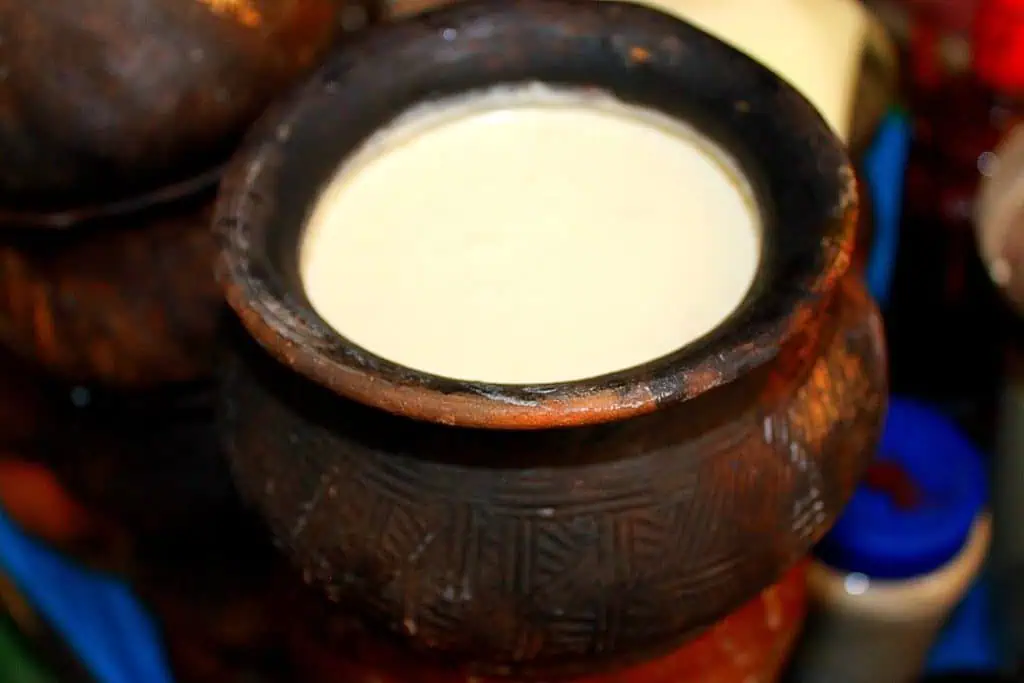
A traditional Indian favorite, dahi is made by fermenting boiled milk with a bit of starter culture to produce a soft, creamy texture and gentle tang. Naturally cooling and slightly sweet, it’s often served alongside spicy curries or rice to balance heat and aid digestion. Beyond its health benefits, dahi holds deep cultural roots, offering comfort and nourishment to generations across South Asia.
French Yogurt

French yogurt is the epitome of elegance, known for its silky, custard-like texture and delicate flavor. Fermented in individual glass or ceramic pots, it delivers a smooth and slightly tart taste that feels more like dessert than breakfast. Less tangy than Greek yogurt, it pairs beautifully with fruit compotes, jams, or honey. Light yet decadent, French yogurt brings a touch of refinement to any meal.
Plant-Based Yogurt

A modern innovation in dairy alternatives, plant-based yogurt now comes in countless varieties made from almond, oat, soy, or coconut milk. Coconut-based versions carry tropical sweetness, while almond and oat options have a mild, nutty profile. Many are fortified with probiotics, offering the same gut health benefits as traditional yogurt. Creamy, sustainable, and inclusive, plant-based yogurts are redefining what healthy eating can look like.
Australian Yogurt

Australian-style yogurt bridges the gap between traditional and Greek, offering a naturally sweet, lightly tart taste with a creamy, spoonable texture. Made from whole milk but unstrained, it’s smooth, wholesome, and easy to enjoy. Ideal for layering with granola or blending into smoothies, this style brings a laid-back, flavorful approach to yogurt, simple, sunny, and satisfying.
Kefir Yogurt

Kefir stands out as a drinkable yogurt born from Eastern European and Caucasian traditions. Made with kefir grains instead of typical cultures, it has a light, effervescent texture and a tangy, refreshing taste. Slightly fizzy and packed with probiotics, kefir supports digestion and gut health while doubling as a delicious drink or smoothie base. It’s a timeless tradition that’s found new life in today’s wellness culture.
