
14 Retro 1960s Drinks Returning to Menus
The 1960s were a stylish decade for cocktails and beverages, with colorful drinks, bold flavors, and playful garnishes ruling the bar scene. While some of these classics faded over the years, many are now making a comeback as bartenders and restaurants embrace vintage charm. From tropical tiki creations to timeless martinis, these drinks bring nostalgia and flair to modern menus. Here are 14 retro beverages from the ’60s that are finding new life today.
Mai Tai
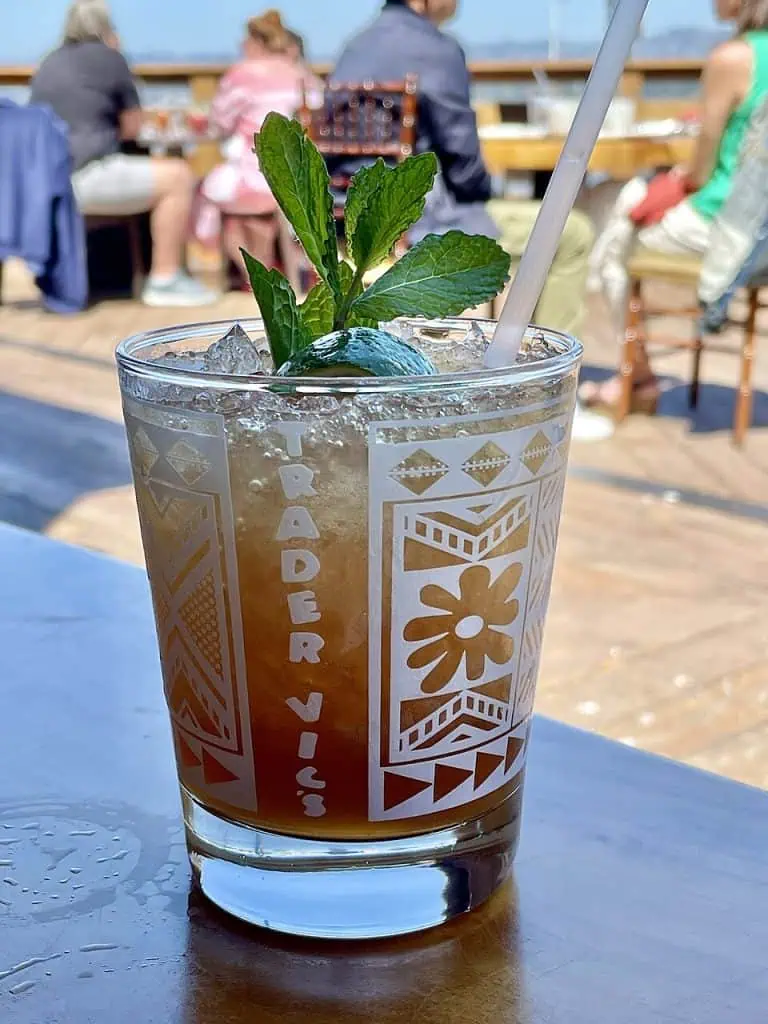
The Mai Tai was a tiki bar staple in the ’60s, mixing rum, lime, orgeat syrup, and orange liqueur for a fruity, refreshing cocktail. Its exotic presentation, often topped with fresh mint and fruit, captured the decade’s love for escapism. Today, the Mai Tai has returned to menus, celebrated for its balance of sweet and tart flavors that instantly transport drinkers to a tropical paradise.
Tom Collins

The Tom Collins, a gin-based cocktail with lemon juice, sugar, and soda water, was a light, bubbly favorite in the 1960s. Served in a tall glass with a cherry garnish, it became a go-to for summer gatherings and casual parties. Its crisp, refreshing taste and simple ingredients make it a timeless choice, and modern craft bars are giving it new popularity.
Grasshopper
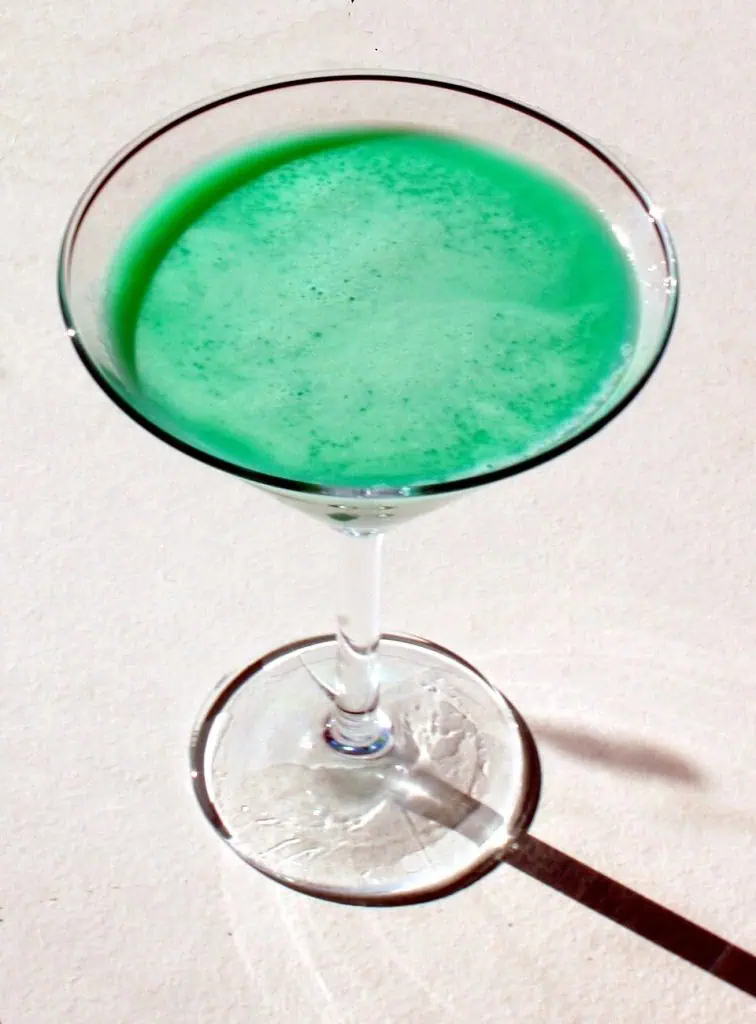
A creamy, minty cocktail, the Grasshopper was a dessert-like drink that embodied the playful spirit of the ’60s. Made with crème de menthe, crème de cacao, and cream, it delivered sweetness with a touch of sophistication. While it faded for decades, the retro cocktail revival has brought it back, appealing to those who enjoy indulgent, colorful drinks with a nostalgic flair.
Whiskey Sour

The Whiskey Sour was a no-fuss classic in the ’60s, mixing bourbon with lemon juice and sugar for a tangy, balanced drink. Garnished with a cherry or orange slice, it became a favorite in both casual and formal settings. Today, it’s back on menus with updated variations using fresh ingredients and artisanal whiskey, but its simple charm still reflects its 1960s roots.
Blue Hawaiian

Bright, tropical, and eye-catching, the Blue Hawaiian became famous in the 1960s tiki craze. Made with rum, pineapple juice, blue curaçao, and cream of coconut, it was as much about presentation as flavor. Its vibrant blue color made it a party favorite. Modern bars are reviving it for its fun, Instagram-worthy look while updating recipes for smoother, fresher flavor.
Gimlet

The Gimlet, a simple mix of gin and lime cordial, gained popularity in the ’60s for its sharp, refreshing taste. Easy to make yet stylish, it became a favorite among those who wanted something lighter than whiskey-based cocktails. Today, bartenders use fresh lime juice for a cleaner profile, but the Gimlet still carries the same retro appeal that made it popular decades ago.
Pink Squirrel
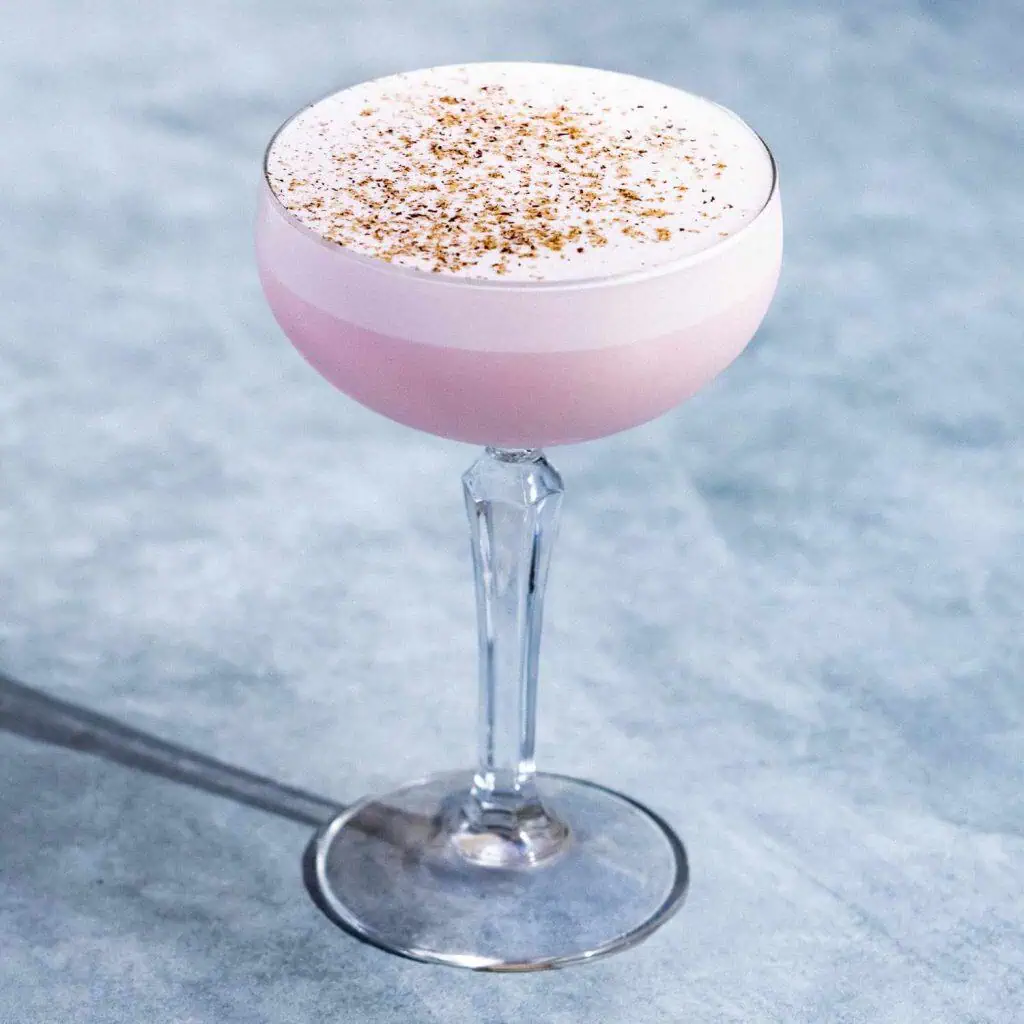
The Pink Squirrel was a playful, pastel-colored drink that reflected the 1960s love of novelty cocktails. Made with crème de noyaux, crème de cacao, and cream, it was sweet, creamy, and almost dessert-like. Its pink color made it especially popular at parties. Now, it’s enjoying a small revival as retro cocktails become trendy again, adding a touch of whimsy to modern menus.
Singapore Sling
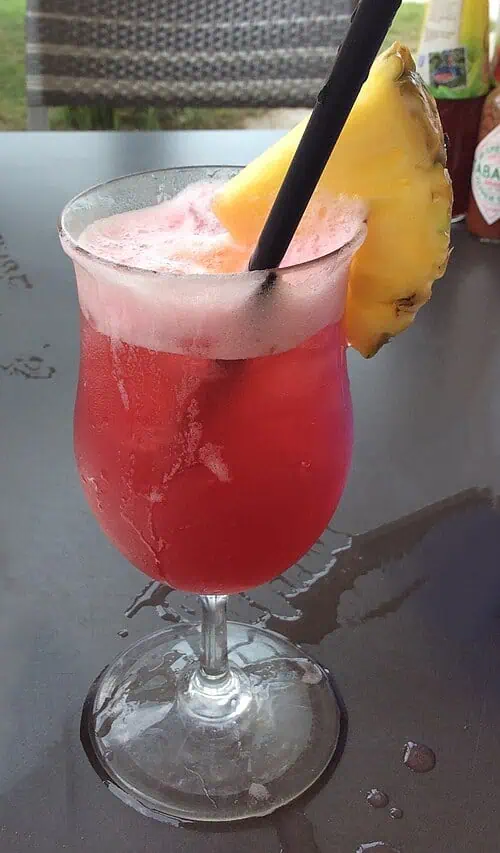
The Singapore Sling was a complex, fruit-forward cocktail that gained popularity in the 1960s. Made with gin, cherry brandy, lime juice, and soda, it offered layers of flavor and a refreshing finish. Its exotic origins and colorful appearance made it a conversation starter. Today, many bars are reintroducing it, honoring its history while giving it modern tweaks.
Brandy Alexander

The Brandy Alexander was a creamy cocktail that blended brandy, crème de cacao, and cream, often topped with nutmeg. In the ’60s, it was a popular choice for after-dinner drinks, offering a sweet, luxurious flavor. Its rich taste and retro vibe have brought it back to menus, especially for those looking for a nostalgic yet indulgent dessert cocktail.
Daiquiri
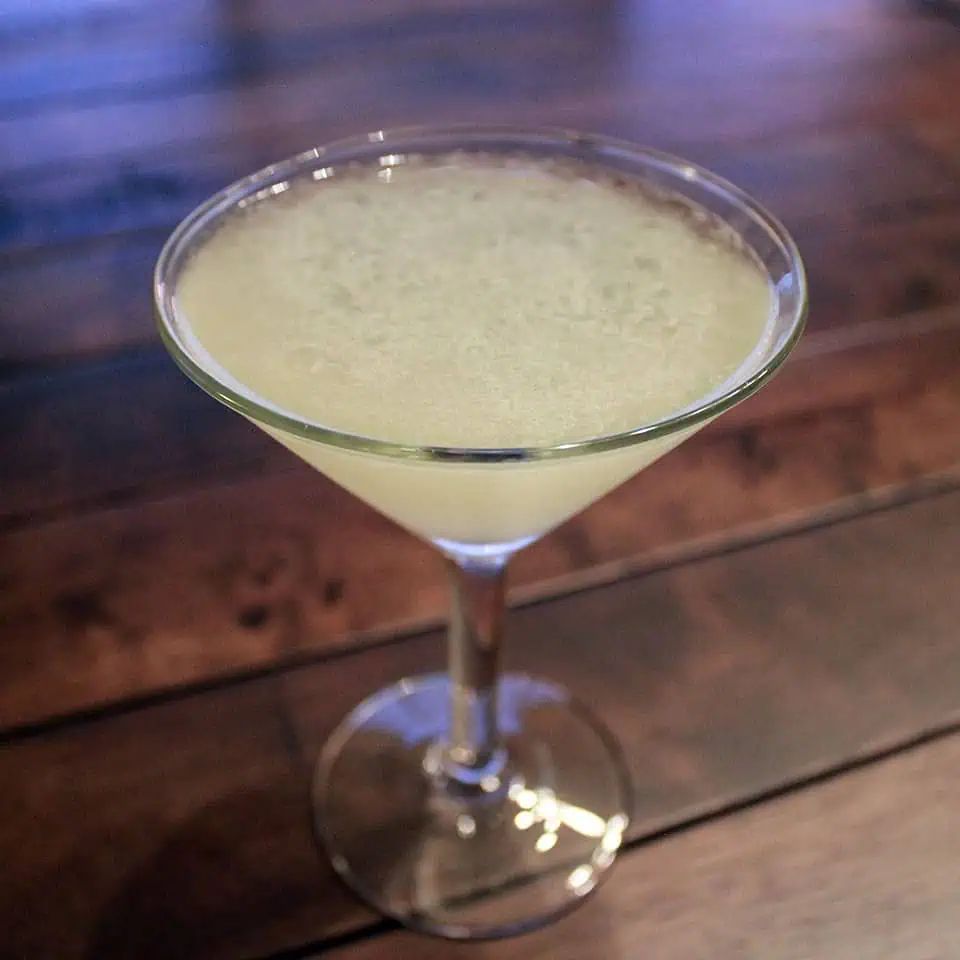
Daiquiris were a major hit in the 1960s, offering a refreshing mix of rum, lime juice, and sugar. While frozen versions gained fame later, the original shaken daiquiri was the classic choice of the decade. Its bright, tart flavor made it a warm-weather favorite. Today, bartenders are rediscovering its simplicity, highlighting it as a timeless drink that deserves renewed attention.
Harvey Wallbanger

The Harvey Wallbanger, made with vodka, orange juice, and Galliano, was one of the most recognizable drinks of the 1960s. Its bright color and catchy name made it a party staple. While it eventually fell out of favor, it has returned as a retro cocktail that brings both fun and flavor to modern gatherings. Its playful vibe keeps it appealing today.
Screwdriver
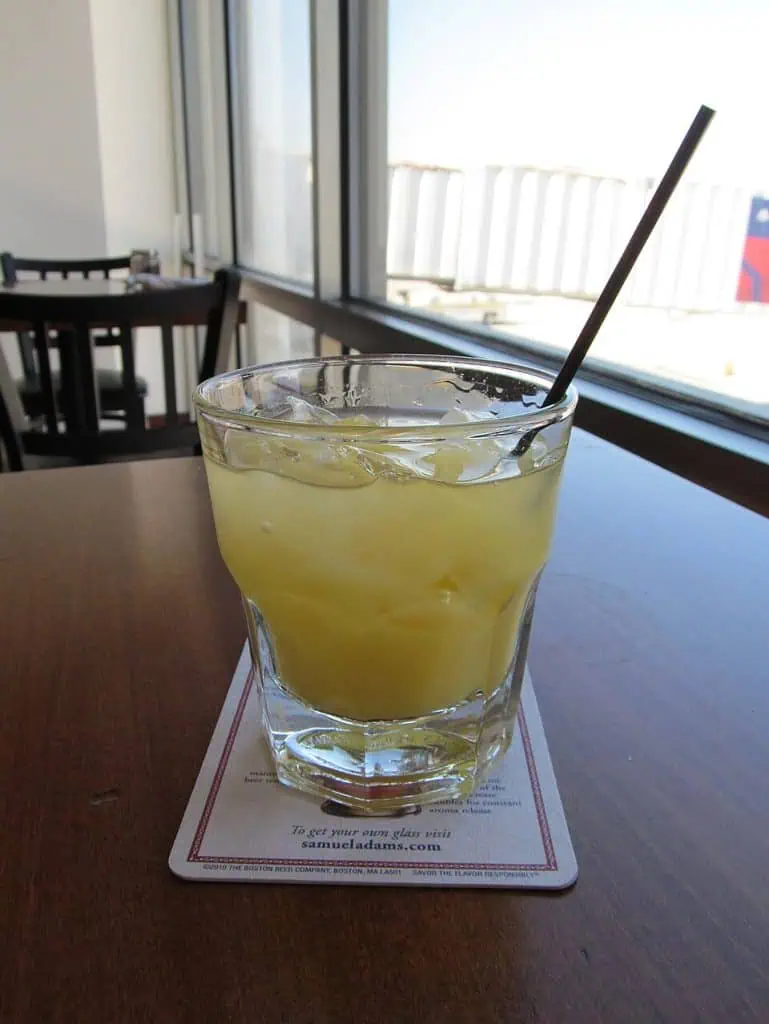
The Screwdriver, a simple blend of vodka and orange juice, was one of the easiest and most popular drinks of the 1960s. Its straightforward mix made it a favorite at casual parties, brunches, and bars. Although basic, its refreshing taste ensured it stayed relevant. Today, its classic status has made it a continuing staple on menus worldwide.
Tequila Sunrise

The Tequila Sunrise, with its layered colors of orange juice, grenadine, and tequila, was as much a visual delight as it was a flavorful cocktail. In the 1960s, it became a symbol of stylish entertaining. Its sunset-like look made it iconic, and today, it has regained popularity for both its taste and its photogenic appeal on social media.
Martini

No list of 1960s drinks would be complete without the Martini. Whether gin or vodka-based, this elegant cocktail symbolized sophistication and style. Popular at lounges and dinner parties, the Martini’s enduring charm has kept it on menus ever since. The modern resurgence focuses on premium spirits and garnishes, but the timeless appeal remains intact.
