10 Everyday Cooking Habits That Slowly Change Your Health

Fostering healthier cooking habits can significantly impact your well-being over time. By making a few key adjustments in the kitchen, you can improve nutritional value and reduce health risks without drastic lifestyle changes. The following insights focus on practical techniques and considerations in everyday cooking that gradually, yet effectively, enhance your dietary habits.
Overusing Salt: A Pinch Too Much Adds Up

While salt enhances flavor, excessive use can lead to health issues, including hypertension. Start by measuring salt with precision rather than relying on instinct. Consider using kosher or sea salt, which have larger flakes, providing more flavor with less quantity. Experiment with herbs and spices like garlic powder, cumin, and oregano to build layers of taste without relying heavily on salt. Over time, this mindful approach can sensitize your palate, making reduced-salt meals just as satisfying.
Nonstick Pans: Hidden Chemical Risks

Nonstick pans offer convenience, but high temperatures can release harmful chemicals. Opt for cast iron or stainless steel for searing and browning to avoid these risks. If you use nonstick, cook on low to medium heat and never preheat an empty pan, which intensifies chemical reactions. Regular inspections for scratches can prevent flake ingestion. With care, transitioning to safer cookware choices ensures your meals remain wholesome.
Cooking Oils: High Heat Hazards

Certain oils degrade under high heat, releasing unhealthy compounds. Utilize oils with high smoke points, such as avocado or grapeseed, for frying. Reserve olive oil for dressings or low-heat cooking to maintain its nutritional benefits. Be attentive to oil quantities; a light coating usually suffices. By aligning oil choice with cooking method, you safeguard both flavor and health in your dishes.
Portion Sizes: Family-Style Pitfalls

Serving family-style can inadvertently lead to overeating. Consider portioning meals onto individual plates to help control intake. Use smaller plates and bowls to naturally moderate serving sizes. Filling half the plate with vegetables not only adds nutrients but also regulates calorie consumption. By mindfully assessing portion sizes, you cater to nutritional needs without excess, gradually fostering a balanced diet.
Charred Foods: Over-Grilling Dangers

Charred foods add a distinctive smoky flavor, but over-grilling can inadvertently introduce harmful compounds. Polycyclic aromatic hydrocarbons (PAHs) and heterocyclic amines (HCAs), formed at high temperatures, have potential health risks. Balance flavor and safety by cooking over indirect heat, ensuring even cooking without excessive charring. Use a meat thermometer to avoid overcooking, and marinate proteins beforehand to create a barrier against high heat. Prioritize moderation, savoring the deep flavors while maintaining mindful grilling practices.
Skipping Fresh Herbs: Processed Seasonings
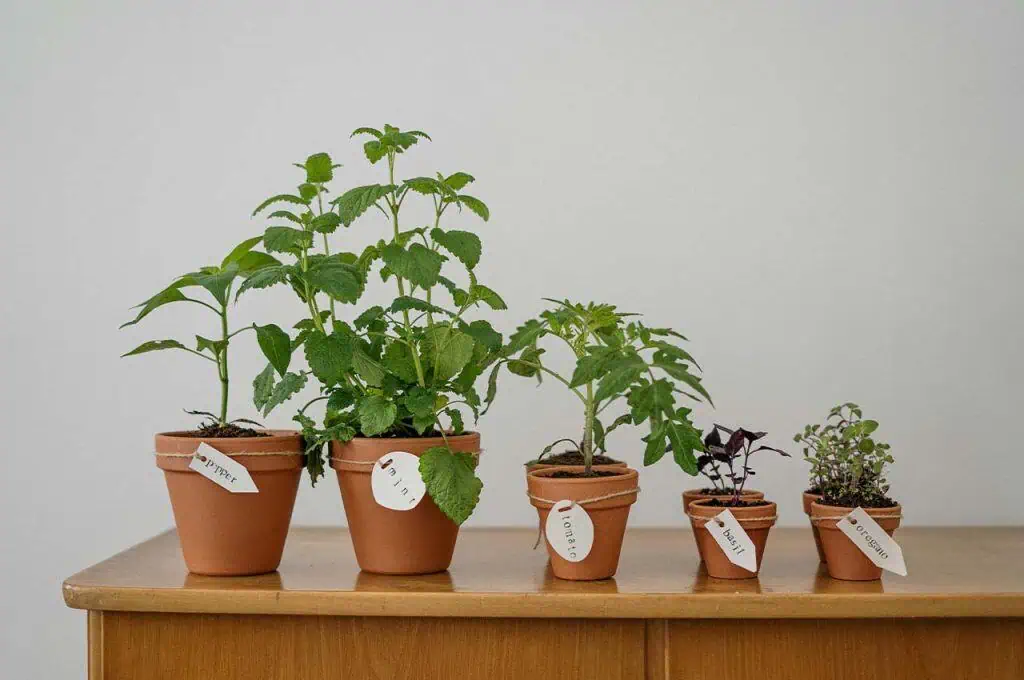
While processed seasonings offer convenience, they often come with added sodium and preservatives. Fresh herbs provide vivid flavors and beneficial nutrients without those downsides. Incorporate parsley, basil, or cilantro to enhance dishes naturally. Add herbs at varying stages of cooking for depth; early additions blend flavors, while last-minute ones offer brightness. Store them upright in water to maintain freshness longer. Choosing herbs over processed options gradually improves both flavor and nutritional value in everyday meals.
Reheating Leftovers: The Right Way

Reheating leftovers demands attention to temperature and method to maintain quality and safety. Avoid microwaving in plastic, as it can release harmful chemicals. Instead, use glass or ceramic containers. Gently reheat using stovetop or oven methods; add a splash of water or broth to revive moisture. Stirring or flipping food ensures even heat distribution, preventing cold spots that harbor bacteria. These practices not only enhance taste and texture but also ensure food safety, transforming leftovers into delicious, reliable meals.
Produce Prep: Avoid Overwashing
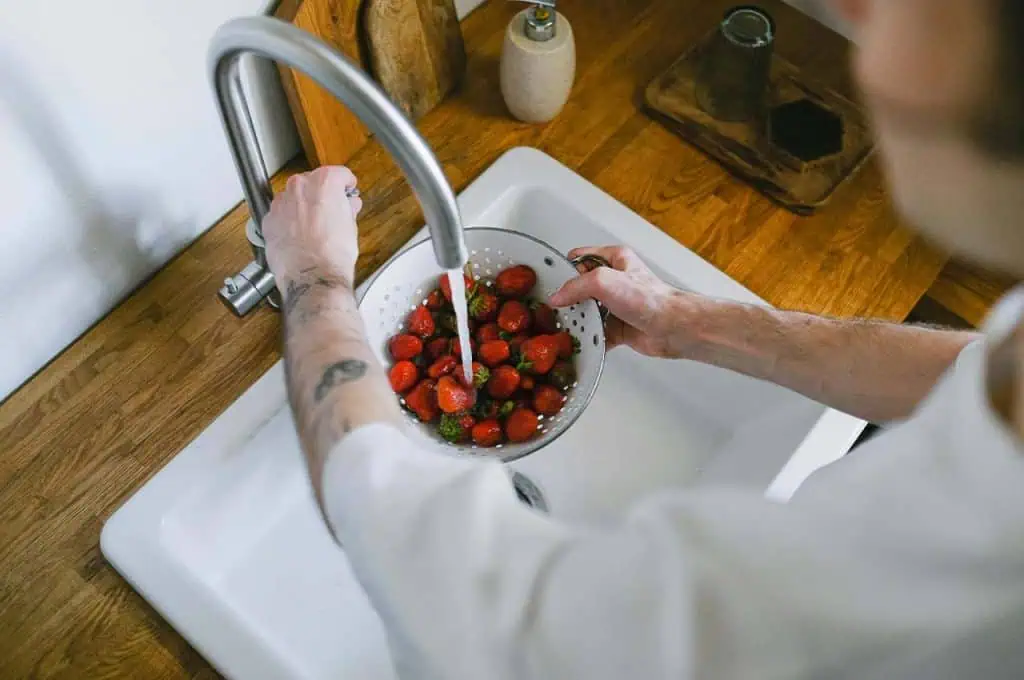
Washing produce is essential, but overdoing it can strip away nutrients and flavors. Rinse fruits and vegetables under cool, running water to remove surface impurities without soaking, which can lead to nutrient loss. For firm produce, use a brush; for delicate items, a gentle rinse suffices. After washing, dry thoroughly to prevent spoilage from excess moisture. These practical steps preserve the vibrant flavors and nutritional benefits of your produce, optimizing it for both taste and health.
Butter and Cream: Flavor Without Excess

Butter and cream impart rich flavors but can quickly turn a dish heavy if used excessively. Consider alternatives that offer similar satisfaction without excess fat. For sautéing, try olive or avocado oil for their healthy fats. In sauces, blend cream with stock or opt for Greek yogurt to maintain creaminess with added protein. Remember, a little goes a long way; a small pat of butter can finish dishes with luxury. These mindful adjustments retain indulgence while promoting healthier cooking.
Mindless Snacking: Cooking's Hidden Calories

Mindful snacking starts in the kitchen where awareness helps control hidden calories. Begin by organizing your pantry and fridge to display healthy options like nuts, fruits, and whole-grain snacks at eye level. When you're cooking, resist the urge to sample excessively. Use small bowls for pre-measured tasting portions to avoid overindulgence. Keep a variety of herbs and spices within arm's reach to enhance flavor without extra calories. This subtle shift not only aids in weight management but also promotes thoughtful eating habits that transform your health incrementally.