
12 Forgotten American Dishes That Aren’t Around Anymore
American culinary history is rich with dishes that have slipped from the mainstream, yet they offer a glimpse into a diverse palate shaped by regional ingredients and cultural influences. Rediscovered, these recipes hold the potential to delight contemporary taste buds while preserving a piece of gastronomic history. Exploring these forgotten American dishes not only enriches our appreciation of past dining traditions but also inspires innovation in modern kitchens.
Robin Pie: A Rare Delicacy

Robin Pie was once a cherished dish, especially during the 19th century. Featuring the delicate meat of wild robins, it was often encased in a flaky, golden pastry. While not feasible today due to conservation efforts, one can recreate the essence with game birds like quail. Season the meat with herbs like thyme and sage, then slow-bake to infuse flavor into the gravy. The key is in layering the spices and ensuring the pie crust achieves a perfect balance between sturdy and tender, delighting the senses with each bite.
Olive Loaf: A Savory Slice
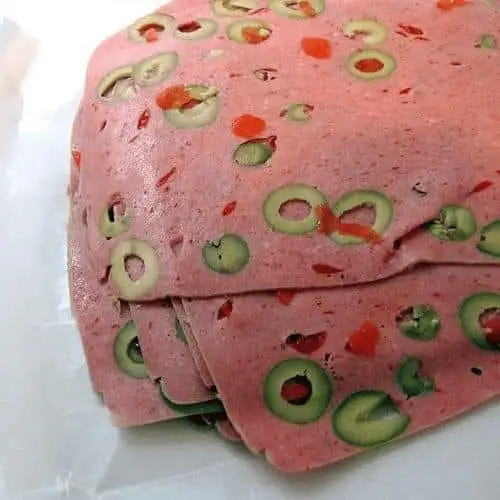
Olive Loaf makes use of olives studded into a seasoned meat blend, offering a unique, savory experience. This luncheon staple pairs ground pork or beef with green olives, finely chopped and evenly distributed for bursts of briny flavor throughout. Shape into a loaf and bake until firm, allowing the olives to impart their essence as the meat crisps around the edges. Serve thin slices with mustard on rye or as part of a charcuterie arrangement for a nostalgic touch. The balance of salty and savory creates a memorable profile.
Pickled Herring: A Tangy Treat
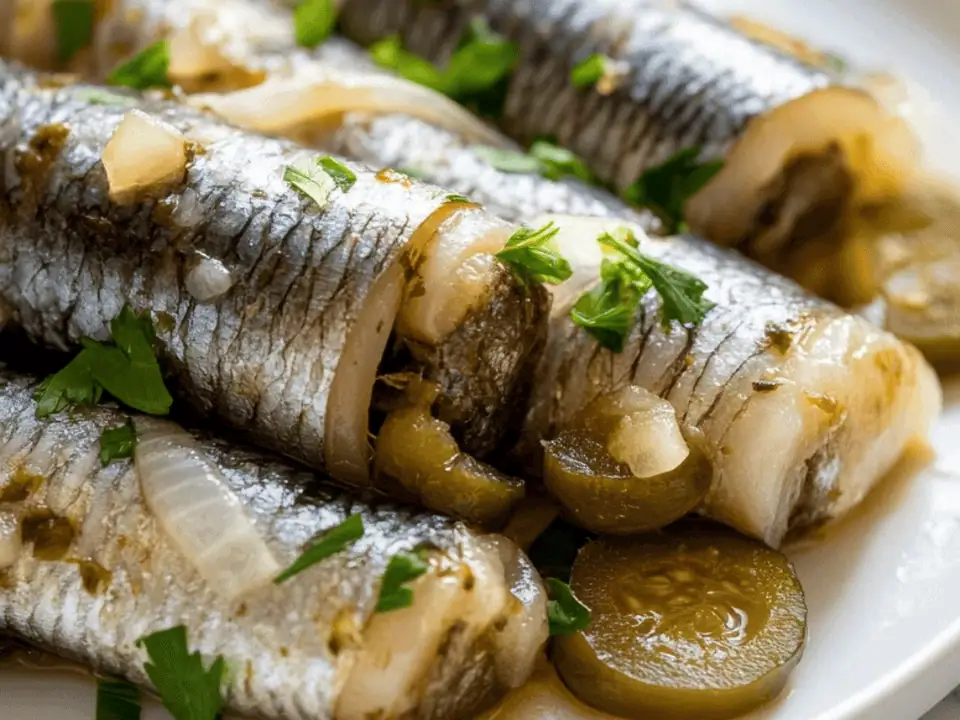
Pickled Herring, a nod to Scandinavian roots, remains a lesser-seen dish yet delivers a crisp, tangy flavor. Look for high-quality herring fillets, then soak in a vinegar-based brine with onions, cloves, and allspice. The pickling process transforms the fish, enhancing its texture and infusing it with a piquant bite. Serve chilled on rye toast, garnished with fresh dill or sour cream. Balancing sharp acidity with the fish’s natural fats ensures a dish that intrigues and satisfies with each bite, resonating with traditional flavors.
Ambrosia Salad: Fruitful Nostalgia

Ambrosia Salad marries tropical fruits and a creamy dressing to evoke memories of festive gatherings in the early 20th century. Combine mandarin oranges, pineapple chunks, and sweetened coconut with miniature marshmallows for texture. The dressing of whipped cream or yogurt binds the ingredients, providing a luscious mouthfeel. Chill before serving to meld flavors. Incorporating a hint of honey or lime juice elevates the dish, bringing a refreshing, sweet-tart flavor balance. Used as a dessert or side, it’s a playful, vibrant addition to any table.
Get Recipe on: Ambroisa salad
Jell-O Molds: Wobbly Delights

Jell-O molds, with their vibrant colors and playful textures, were once a centerpiece of American dining tables. These desserts and salads embraced both the aesthetic appeal and novel use of gelatin. The key to mastering a Jell-O mold lies in the balance between flavors and the correct setting of gelatin. When incorporating fruits or vegetables, be mindful to use those that won’t inhibit the gelatin’s ability to set, such as canned pineapples or boiled carrots. Opt for a mold with interesting shapes to add an element of visual intrigue. Refrigerate until completely set, ensuring a clean, effortless release from the mold.
Get Recipe on: Jello Mold with Fruit
Succotash: Pure Comfort

Succotash is a hearty mix of sweet corn and lima beans, often cooked to a creamy consistency. This dish harnesses the rich history of Native American ingredients, offering a comforting blend of textures and flavors. To elevate its rustic charm, sauté onions and garlic in butter before adding the main ingredients. Fresh herbs like thyme or parsley can be stirred in at the end for a verdant finish. For added depth, consider a dash of cream or a sprinkle of crispy bacon on top. Serve warm as a standalone dish or as a savory side to roast meats.
Salisbury Steak: Classic Convenience
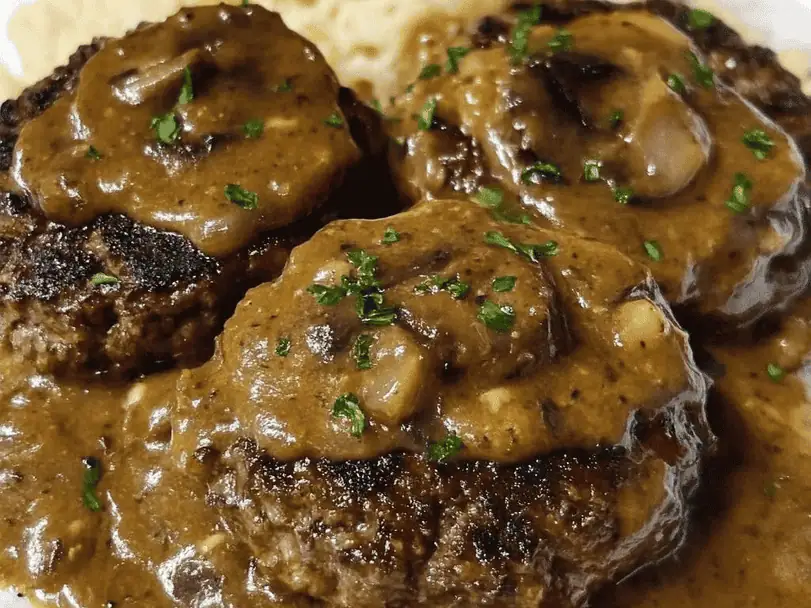
Salisbury steak married the simplicity of hamburger patties with the elegance of a rich gravy. Ground beef, seasoned with breadcrumbs, onion, and Worcestershire sauce, forms the base of the patties. Fry them to a golden crust before letting them luxuriate in a savory gravy made from beef stock, onions, and mushrooms. Flour and butter create the roux that thickens the sauce, ensuring a velvety texture. Monitor the consistency, allowing the patties to absorb flavor without overpowering their delicate texture. Serve with a side of mashed potatoes for a classic touch.
Get Recipe on: Slow Cooker Salisbury Steaks
TV Dinners: A Retro Revolution

TV dinners transformed the American eating experience with their convenience and novelty. These pre-packaged meals offered an array of flavors, typically presented in sectioned trays. Crafting a homemade version involves coordinating simple, comforting dishes like meatloaf, peas, and mashed potatoes. Focus on ensuring each component retains its distinct taste while harmonizing with the others; homemade gravy can tie the dish together. Use a trivet to keep items separated during serving, maintaining the traditional TV dinner format. This approach allows for both nostalgia and a personal culinary touch.
Turtle Soup: A Taste of Elegance
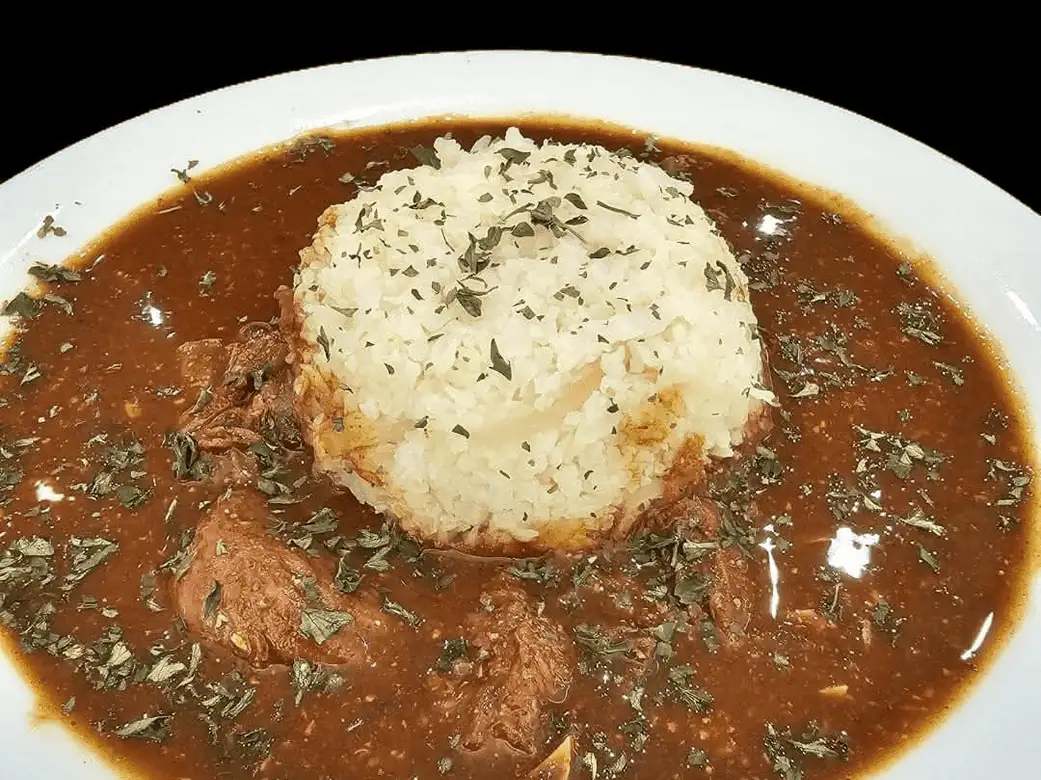
Turtle soup, a dish with roots in European traditions, was once a symbol of sophistication. The preparation involves simmering turtle meat until tender, creating a rich broth infused with savory spices and aromatic vegetables like carrots, celery, and onions. Enhance the broth with a roux for a thicker consistency and a subtle nutty flavor. Sherry wine or Madeira adds a layer of depth, while a garnish of fresh herbs can brighten the final dish. Serve hot with a side of crusty bread to capture every nuance of this bygone culinary delight.
Calf’s-Foot Jelly: Historic Gelatin
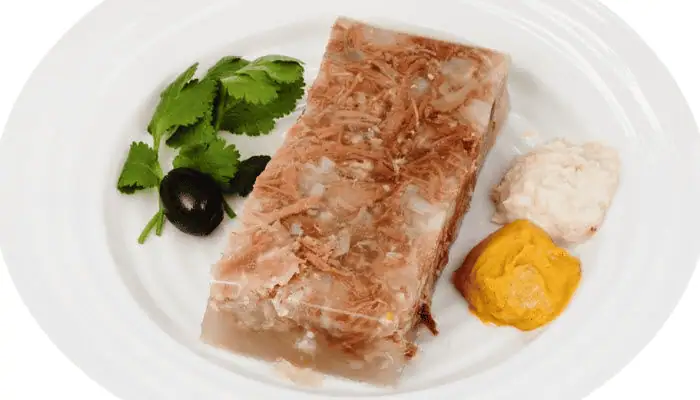
Calf’s-foot jelly, once a staple in American kitchens, combines collagen-rich stock with sugar and optional spirits for a refined gelatin. Start by simmering calf’s feet with aromatics over low heat until the collagen dissolves, creating a clear broth. Strain thoroughly, then sweeten and flavor with sherry or lemon zest. Pour into molds and refrigerate until set. This dish offers a unique textural experience, emphasizing patience in preparation and careful seasoning to highlight its delicate flavor.
Lobster Newberg: Decadent Indulgence
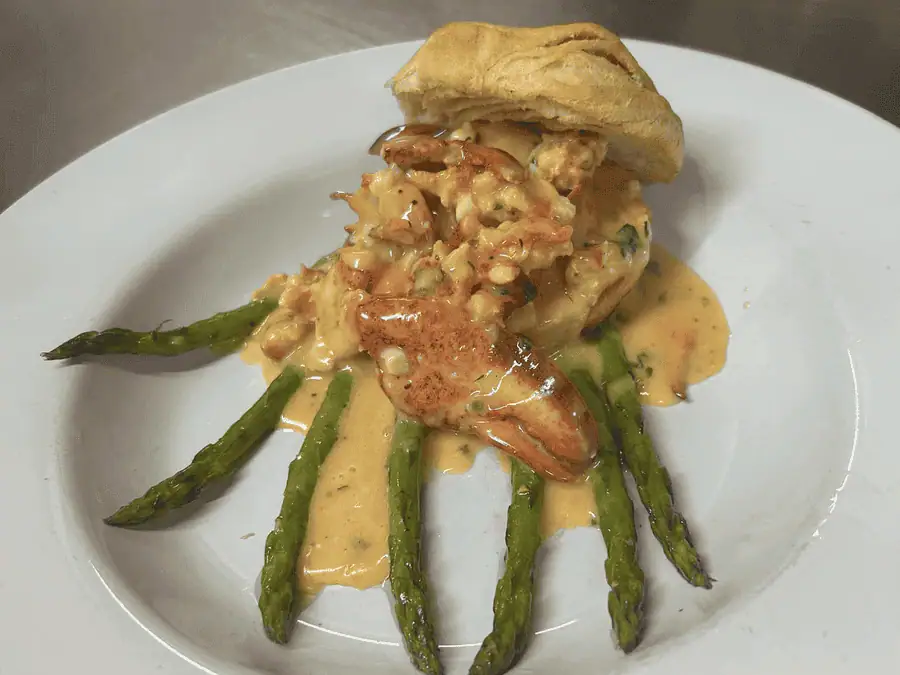
Lobster Newberg showcases rich flavors and luxurious textures. Begin by gently poaching lobster meat in butter to preserve its delicate taste. Create a velvety sauce with egg yolks, cream, and a dash of Madeira or cognac. Cook slowly until thickened, then fold in the lobster to coat each piece thoroughly. Serve over toast or in a puff pastry shell for added contrast. The key is in controlling the heat to prevent the sauce from curdling and maintaining the lobster’s tenderness.
Oyster Loaf: Coastal Tradition
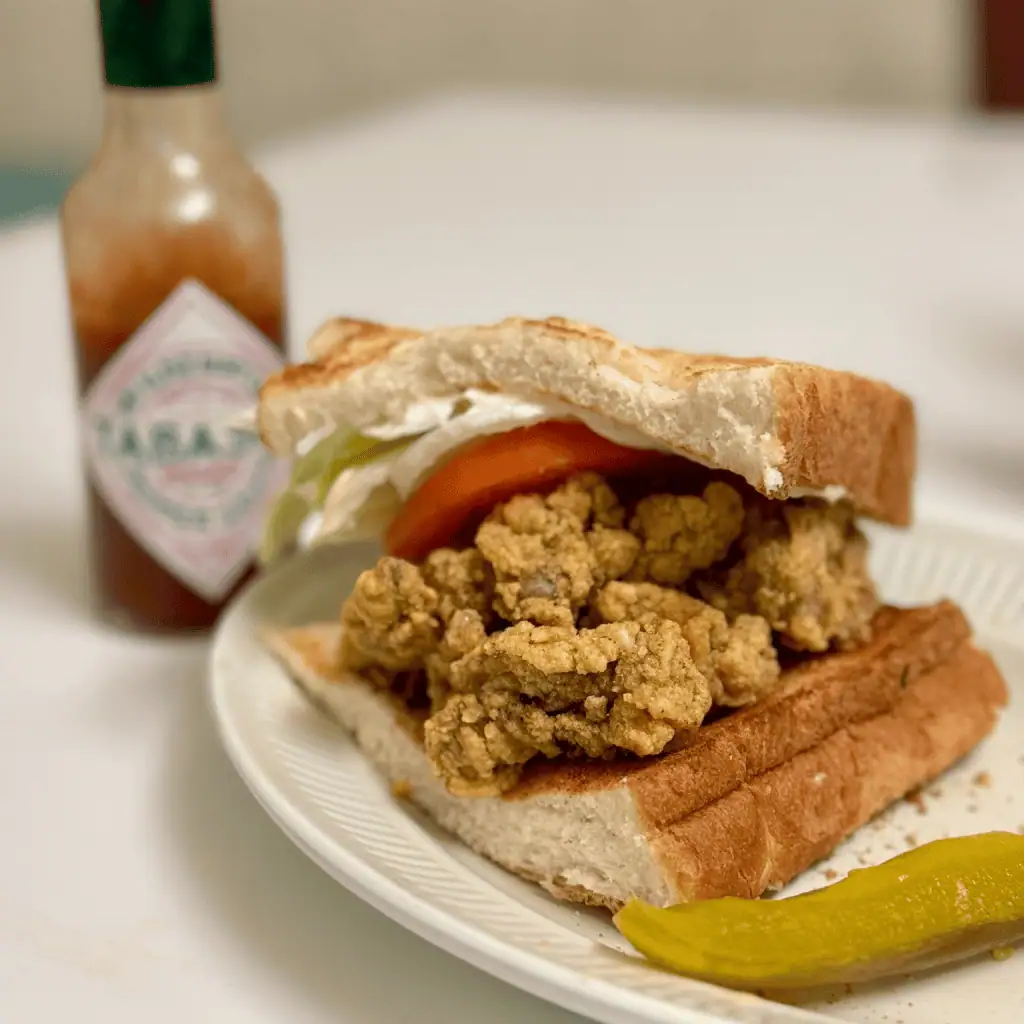
The oyster loaf, a celebrated dish from coastal America, layers fried oysters within a hollowed loaf. Choose briny, plump oysters for the best result. Dredge them in seasoned cornmeal, then fry until crisp. Hollow out a loaf of bread, creating a crunchy exterior that’s perfect for holding the moist filling. Place the oysters inside, along with a drizzle of lemon butter and fresh herbs. The simplicity of ingredients highlights the quality of oysters, while the bread absorbs and complements their flavor.
