
12 Foods That Go Bad Before You Can Finish Them
In your kitchen, some foods challenge your ability to consume them before spoilage sets in. Understanding why these ingredients perish quickly helps extend their life and minimize waste. This guide delves into how you can better manage these foods, ensuring they remain fresh and enjoyable for as long as possible. By focusing on proper storage techniques and usage tips, you’ll become more adept at keeping your pantry ingredients from falling victim to time.
Fresh Bread: A Race Against Time

Fresh bread, with its soft crumb and crisp crust, is best enjoyed immediately. Its short lifespan is due to the lack of preservatives and the propensity for staleness. To extend its freshness, store bread in a cloth bag or a bread box to allow air circulation while preventing mold. For longer storage, freezing is your best option; slice it first for easy, portioned toasting later. Embrace creative uses for aging bread, such as breadcrumbs or croutons, ensuring nothing goes to waste.
Milk: The Dairy Dilemma
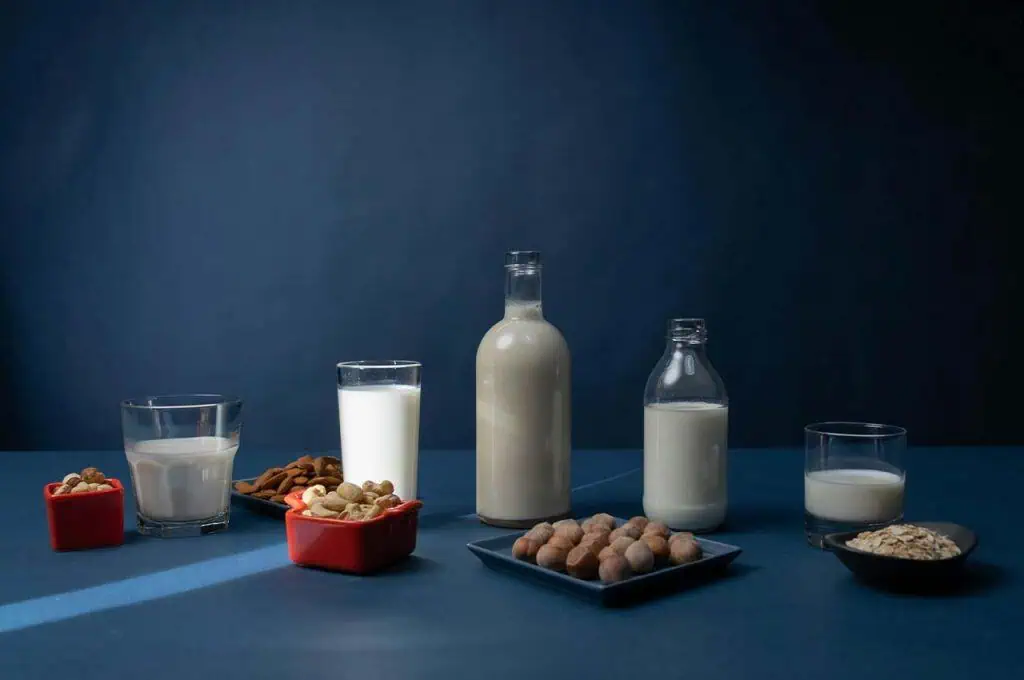
Milk’s delicate nature requires careful handling to avoid spoilage. Store it in the coldest part of the fridge, not the door, reducing exposure to temperature fluctuations. Use an airtight container if transferring from the original carton, minimizing bacterial exposure. For those struggling to finish a carton, consider smaller sizes or plant-based alternatives with longer shelf lives. Use milk nearing its expiration in cooked dishes like puddings or soups, taking advantage of its nutritional richness.
Berries: Nature’s Timely Treats

Berries, with their delicate skins and high moisture content, are notorious for rapid spoilage. Keeping them dry is crucial; wash them just before use. Store them in the refrigerator in a single layer if possible, using a paper towel to absorb excess moisture. Freezing berries helps extend their usability, simply spread them on a tray to freeze individually, then transfer to a sealed container. Incorporate overripe berries in smoothies or sauces, ensuring their sweetness is savored, not wasted.
Leafy Greens: The Wilting Wonders
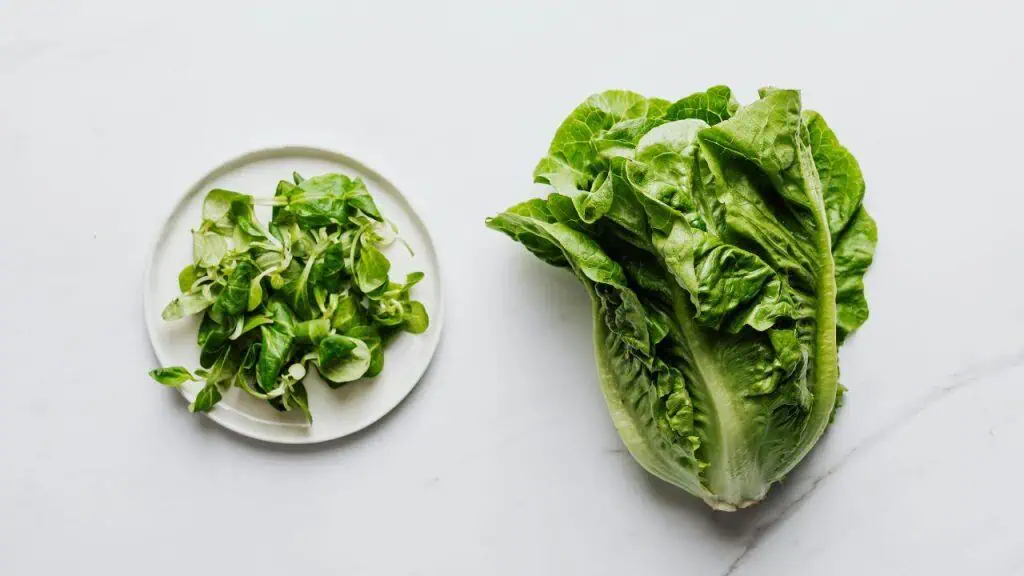
Leafy greens often wilt before they’re fully enjoyed. Proper storage can extend their crispness. Wash leaves thoroughly, then dry using a salad spinner or clean towel. Store in a perforated container or a bag with air holes, along with a paper towel to absorb moisture. Consider buying smaller amounts more frequently if wastage is an issue. Extend freshness by using greens creatively in soups, smoothies, or as a base for cooked dishes, maximizing their nutritional benefits.
Spices: Losing Their Zest

Spices are essential in elevating dishes with depth and flavor, but they lose potency over time. Ground spices can start to lose their vibrancy within six months as exposure to air and light diminishes their essential oils. To maintain their zest, store spices in airtight containers in a cool, dark place, ensuring they are away from heat sources like stoves. Whole spices, such as cinnamon sticks or peppercorns, retain their flavor longer and can be freshly ground for a more impactful taste. Regularly checking the aroma and color can help determine their freshness.
Cooking Oils: Rancidity Alert

Cooking oils can quickly become rancid, affecting the taste and smell of your meals. Sensitive to light and heat, oils like olive, canola, and sesame should be stored in dark bottles and kept in cool, dry places. Sniff the oil for any off or metallic scents, which indicate rancidity. Using smaller bottles ensures quicker usage, preventing prolonged exposure. For longer shelf life, consider refrigerating oils, especially those prone to spoilage, like nut oils. This simple step slows down oxidation and extends usability.
Nuts: Freshness on the Line

Nuts offer crunch and nutritional benefits but are prone to spoilage due to high oil content. To keep them fresh, store nuts in airtight containers in the fridge or freezer, which limits exposure to temperature fluctuations and pests. This storage method significantly extends their shelf life and retains their crunchy texture. Use a taste test, bitterness or a musty flavor signals rancidity. Buying in smaller quantities can also help avoid having them sit too long, ensuring each handful is as fresh as possible.
Eggs: Beyond the Expiration
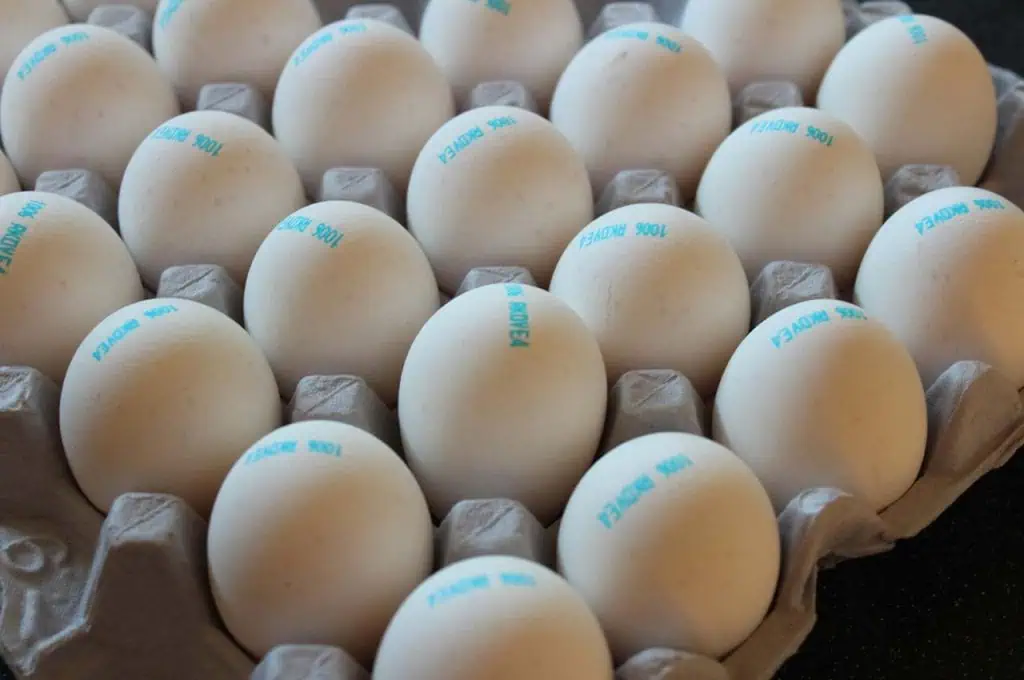
Eggs are a staple in kitchens, but their shelf life requires attention. Store eggs with the pointed end down to maintain yolk stability, and keep them in their original carton to protect from temperature changes and absorb odors from other foods. To test freshness, place an egg in a bowl of water; fresh eggs sink, while bad ones float due to increased air inside. Using pasteurized eggs extends safety beyond expiration dates, especially when making recipes like Caesar dressing or homemade mayo.
Condiments: The Alluring Spoilers

Condiments like ketchup, mustard, and mayonnaise can spoil surprisingly fast once opened, especially when stored outside refrigeration. Properly seal and refrigerate condiments after opening to slow spoilage and preserve the intended flavors. Observe the condiment’s color and texture; any change can indicate spoilage or separation. Remember that high-sugar condiments are less prone to bacterial growth but still susceptible to flavor loss. Use clean utensils to avoid contaminating jars, prolonging shelf life and maintaining taste integrity.
Coffee Beans: Aroma’s Ephemeral Nature

Coffee beans begin their journey rich in crisp, aromatic oils that define flavor. To maximize longevity, purchase whole beans and grind only as needed. Store them in a cool, dark place in an airtight container to reduce exposure to oxygen and light, which both speed up the staling process. Refrigeration is not advised as moisture can be detrimental. Aim to consume within two weeks of roasting to capture their peak taste.
Frozen Fish: The Freezer Trap
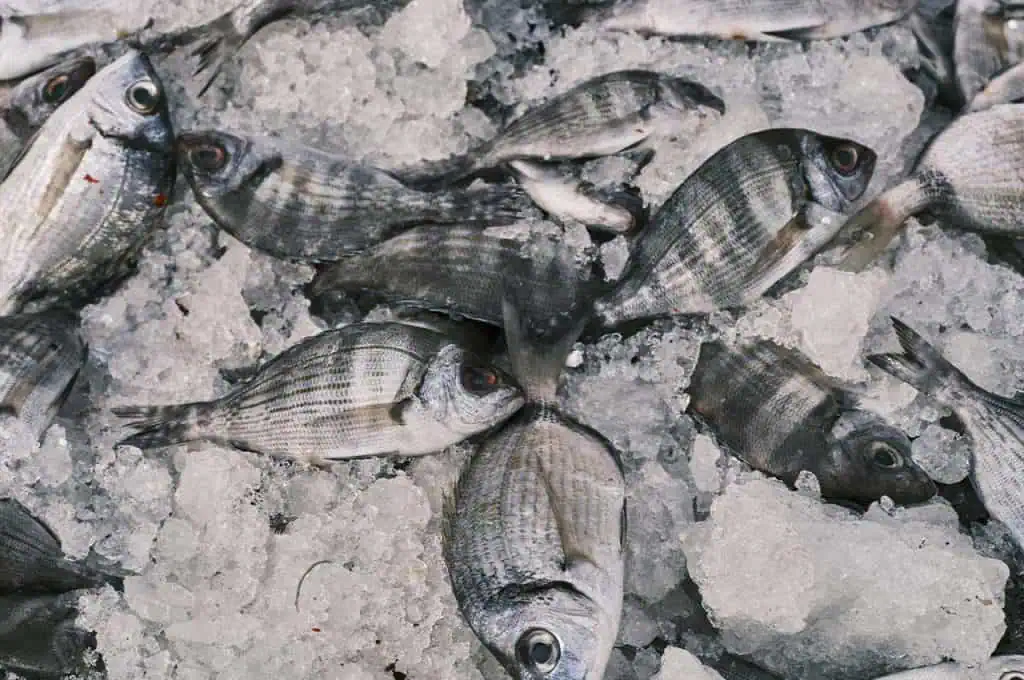
Frozen fish often succumbs to freezer burn, degrading both texture and flavor. Wrap portions tightly in plastic wrap and seal in a zipper-lock bag, eliminating as much air as possible. When thawing, use the refrigerator method to preserve moisture and firmness. Integrate into your meal plan within three months to ensure freshness, avoiding the common mistake of forgetting these delicate proteins in the recesses of the freezer.
Pastries: Sweetness with a Shelf Life

Pastries offer a fleeting indulgence, best consumed soon after baking. Their delicate structure succumbs quickly to staleness, especially when exposed to air. Store them in an airtight container at room temperature for short-term preservation or freeze them for longer storage, ensuring they are wrapped well. Reheat gently in an oven to restore some crispness before serving, reviving the buttery allure that makes them irresistible.
