
12 Quirky 1950s Food Trends That were Popular in America

The 1950s brought a fascinating blend of innovation and tradition to the American kitchen, shaped by convenience and ingenuity. This era's culinary trends captured everything from vibrant gelatin displays to the artful assembly of casseroles. Explore the quirky yet intriguing food movements that defined dining tables and reflect on both the curious and practical culinary habits that emerged during this iconic decade.
Gelatin Salads: A Wiggly Sensation

Gelatin salads became a staple on American tables, transforming fruit and vegetables into colorful, jiggly delights. The key to perfect gelatin lies in the balance of flavors and textures. Use a combination of your favorite fruits like pineapple or berries, ensuring they're drained to prevent excess moisture. For a unique twist, incorporate a touch of cream cheese for velvety smoothness. Mastering the art involves proper chilling, allow ample time for the gelatin to set while maintaining its vibrant appeal.
Get the recipe: Jell-O Salad
Canned Meat Delights: A Convenient Feast

The post-war era saw a rise in canned meats, offering quick and satisfying solutions for the busy home cook. Spam and canned ham were particularly popular. To elevate these dishes, pair them with fresh herbs and spices, think rosemary or mustard for a modern twist. Slice the meat thinly for sandwiches or dice into small cubes for pasta salads. The texture of canned meats lends itself to easy incorporation into various meals, providing a rich base and savory depth.
Aspic Creations: A Culinary Art Form

Aspic, a savory gelatin, was a true testament to the 1950s culinary creativity. Clear and flavorful, it encased meats, seafood, and vegetables in elegant forms. Begin by preparing a rich stock or consommé, essential for depth of flavor. Carefully layer ingredients for visual appeal, ensuring even distribution. As it chills and sets, the aspic’s clarity should showcase vibrant components. Serve alongside crusty bread to complement the texture, achieving a balance between artful presentation and palatable taste.
Get the recipe: Tomato Aspic
Casserole Obsession: One-Pan Wonders
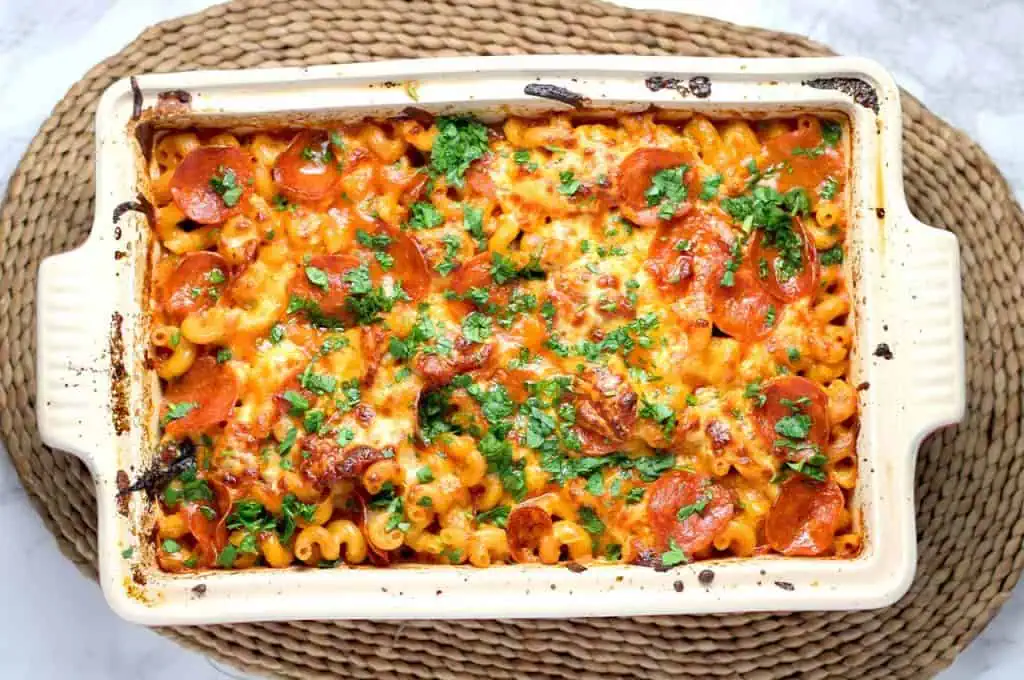
Casseroles epitomized convenience, combining meat, vegetables, and starches in a single dish. Embrace this trend with versatile ingredients like chicken, potatoes, and green beans. The hallmark of a good casserole is layering, start with a solid base, build flavor layers, and crown with cheese or breadcrumbs for a golden crust. Sufficient baking time melds flavors and enhances textures, resulting in a hearty, satisfying meal. Experiment with variations by incorporating spices or international flavors, adapting this timeless concept to your palate.
Liver Loaf: A Savory Staple
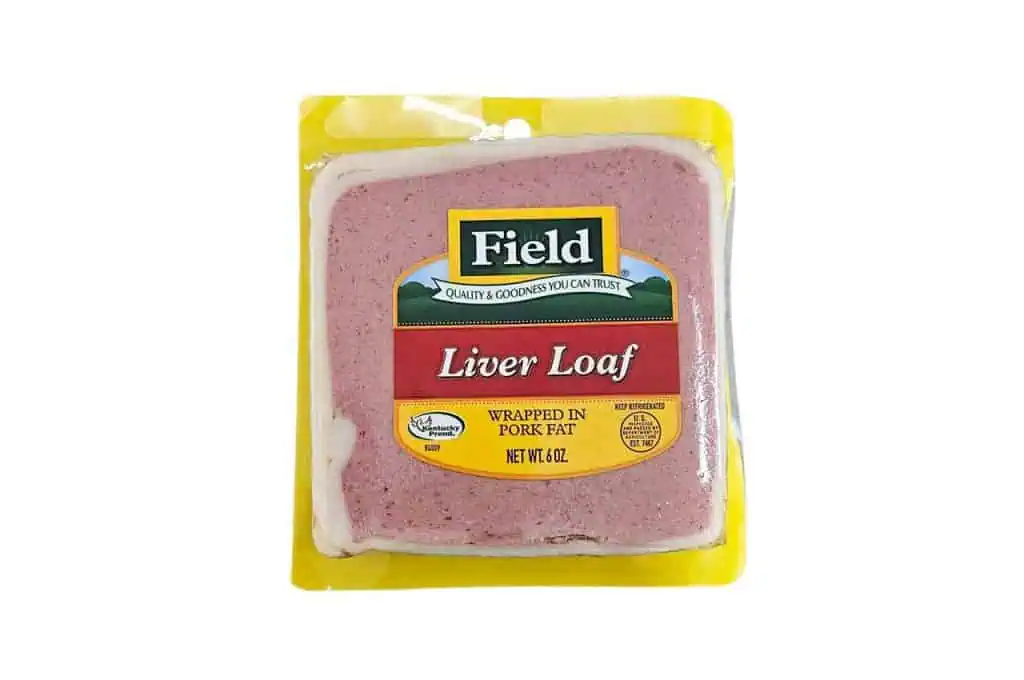
Liver loaf, a popular 1950s dish, offers a savory and nutrient-rich option for those unafraid to explore organ meats. Begin by selecting fresh liver, ensuring its texture is firm and its color vibrant. After trimming and soaking the liver in milk to temper its strong flavor, grind it finely with breadcrumbs and spices. Incorporate onions, garlic, and eggs to bind the mixture before shaping it into a loaf. Baking ensures a slow caramelization, enriching its earthy depth. Serve thin slices with mustard for a tangy contrast, highlighting both tradition and flavor complexity.
Canned Fruit Cocktail Desserts: Sweet Simplicity

Canned fruit cocktail brought convenience and vibrant color to 1950s desserts. For a simple delight, combine drained fruit with gelatin, allowing the flavors to meld as it sets. Focus on complementary textures by folding in whipped cream or marshmallows for a cloudlike softness. Pay attention to the balance of sweet and tart with a splash of lemon juice. This dessert not only celebrates accessibility but also showcases preservation techniques of the era. The key is in selection, choose fruit with a pleasing balance of peaches, grapes, and cherries, ensuring a harmonious, sweet mosaic.
Frozen TV Dinners: The Future of Dining
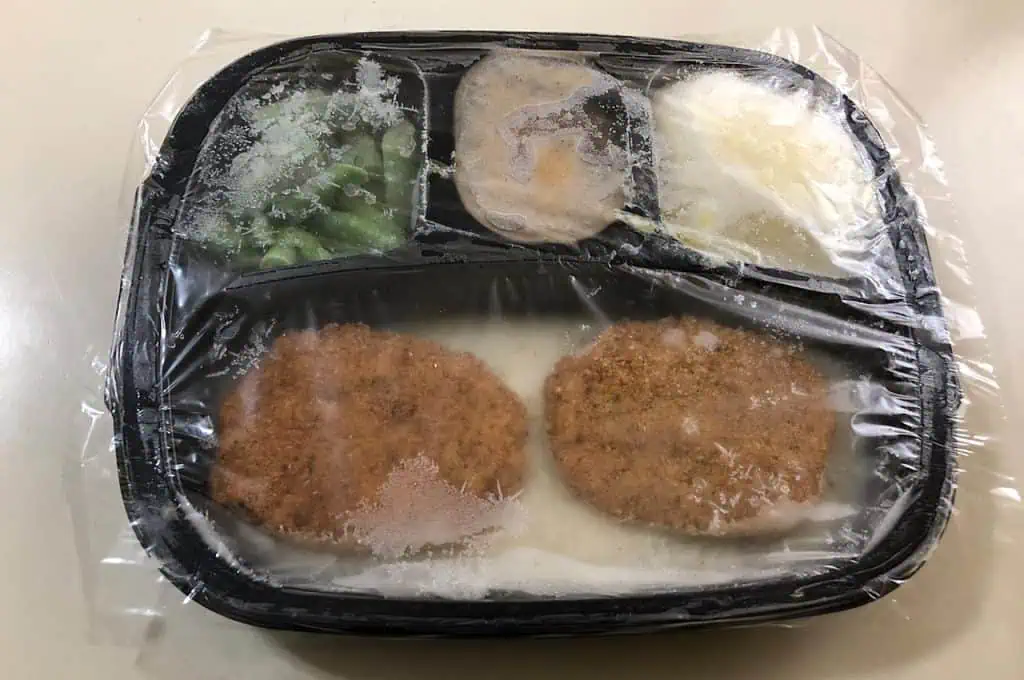
Frozen TV dinners revolutionized 1950s mealtime with their promise of convenience. These pre-packaged meals, complete with proteins and sides, captured the spirit of modern efficiency. Start by embracing variety; use compartments to keep flavors distinct, especially with dishes like fried chicken and potatoes. The cooking method preserves moisture, take care in reheating to avoid dryness. Cover with foil in the oven, or use a microwave for speed. The tactile contrast between crispy and smooth is an integral aspect. This innovation mirrored a cultural shift towards time-saving dining solutions.
Cabbage-Based Diet Dishes: Slimming in Style
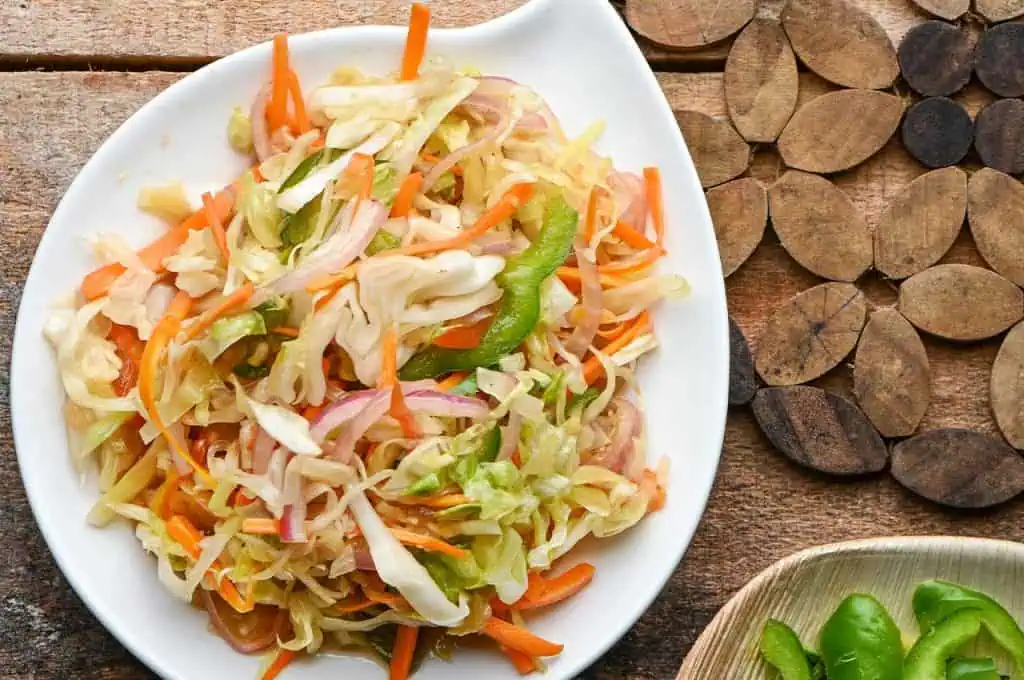
Cabbage gained popularity as a slimming ingredient in the 1950s. Its versatility shines in dishes focused on health-conscious goals. Shred cabbage finely to maintain a delicate crunch and expedite cooking. Saute with scant oil, adding vinegar or citrus to brighten flavors while keeping calories low. For soups, simmer slowly to release its subtle sweetness, bolstering the broth’s depth. Pair with lean proteins, like chicken or fish, to round out meals. Cabbage's natural low-calorie profile and high fiber content made it a cornerstone for those seeking effective, flavorful dietary solutions.
Creamed Vegetables: Comfort and Creaminess
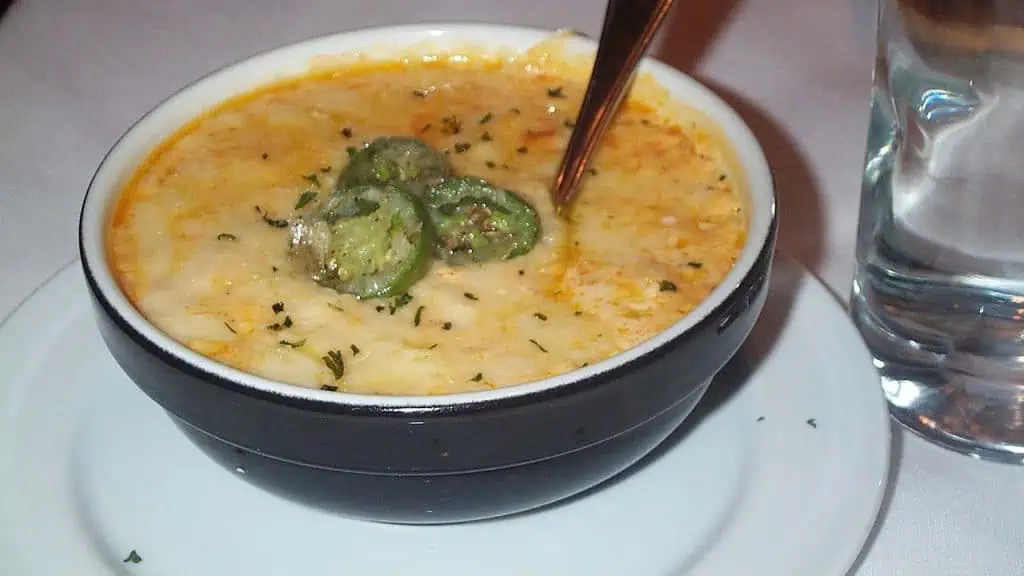
Creamed vegetables provided a comforting side dish that highlighted 1950s culinary preferences for rich, soothing flavors. Begin with fresh, in-season vegetables for the best results, such as peas, corn, or green beans. Lightly blanch vegetables to retain their innate texture before immersing them in a silky béchamel. Incorporate dairy carefully to achieve a smooth consistency, adding a pinch of nutmeg or white pepper for subtle warmth. Allow the sauce to coat each piece thoroughly, transforming simple vegetables into a creamy delight. This approach offered a delicious bridge between home-cooked simplicity and luxurious dining.
Molded Shrimp and Tuna Mousse: A Seafood Surprise

Molded seafood dishes were a centerpiece of 1950s dining, showcasing both ingenuity and showmanship. This mousse combines shrimp and tuna into a creamy, flavorful blend. Start by blending cooked shrimp and canned tuna with softened cream cheese for a smooth base. Gently incorporate lemon juice and a hint of Worcestershire sauce for tang and depth. For a perfect mold, use gelatin to set the mixture, ensuring a delicate yet firm texture. Chill thoroughly to enhance flavors. Serve with crisp crackers or fresh lettuce, letting the mousse’s briny richness shine.
Get the recipe: Seafood Mousse
Ambrosia Salad: A Heavenly Treat
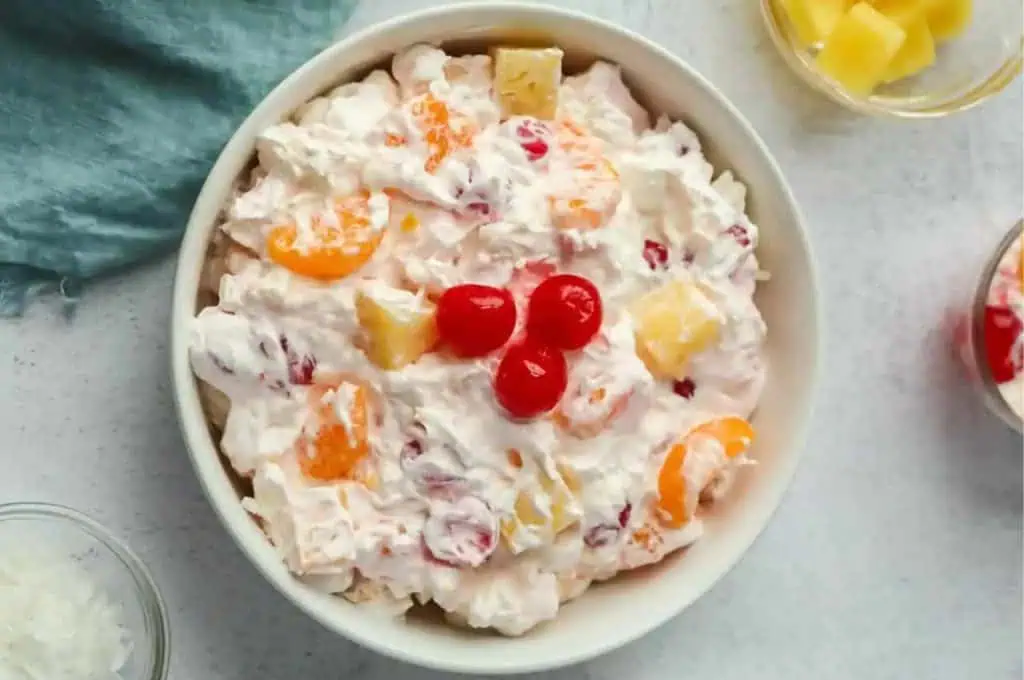
Ambrosia salad brings nostalgic sweetness with a hint of freshness. To start, gather canned mandarin oranges, maraschino cherries, and pineapple chunks for a vibrant base. Fold in mini marshmallows and shredded coconut to add texture and a light chewiness. The dressing, often a blend of sour cream and whipped topping, provides a creamy counterbalance to the tart fruits. Let the salad chill before serving to meld the flavors. A sprinkle of chopped pecans adds a delightful crunch, making this dish a quintessentially 1950s festive treat, perfect for picnics or potlucks.
Get the recipe: Ambrosia salad
Deviled Ham Spreads: A Tasty Spread

Deviled ham spread was a favorite for its spicy, smoky qualities. Combine canned deviled ham with mayonnaise for smoothness, adding finely chopped pickles, onions, and a dash of mustard for sharp contrast. A touch of cayenne pepper or hot sauce contributes a subtle heat, invigorating the palate. This spread pairs well with sturdy crackers or fresh celery sticks, offering a satisfying crunch. Ensure all ingredients are well-blended and let the mixture rest to enhance the integration of flavors. Serve as a lively appetizer that channels the spirited social gatherings of the mid-century.


